
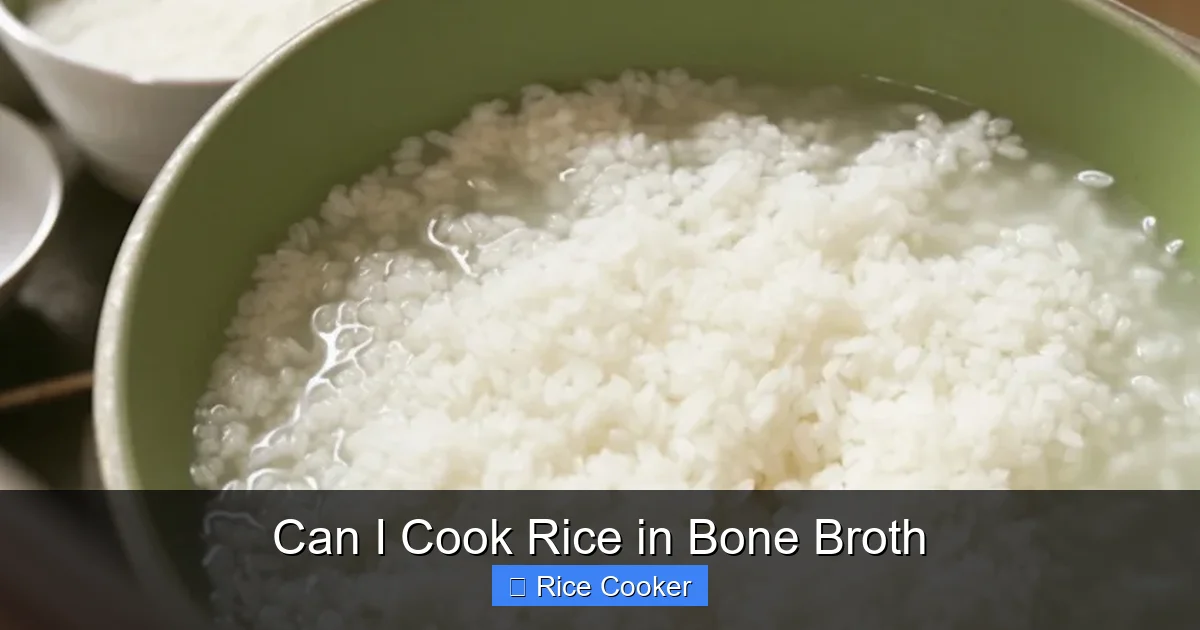
Yes, you can absolutely cook rice in bone broth, and it’s a game-changer for flavor, nutrition, and meal prep. Using bone broth instead of water transforms plain rice into a savory, collagen-rich dish that’s both satisfying and healing. Whether you’re using a rice cooker or stovetop method, this upgrade adds depth and health benefits without extra effort.
Key Takeaways
- Bone broth enhances flavor: The rich, savory notes of bone broth infuse rice with umami and depth, making each grain more aromatic and delicious.
- Nutritional boost: Cooking rice in bone broth provides added minerals like calcium, magnesium, and phosphorus, along with collagen and amino acids.
- Improves digestibility: Slow-cooked bone broth softens grains and breaks down connective tissues, making rice easier to digest than when cooked in plain water.
- Works with all rice types: From white and jasmine to brown rice and wild rice, most varieties absorb broth beautifully and cook evenly.
- Saves time and ingredients: Use leftover bone broth for rice cooking instead of wasting it, turning scraps into a nourishing meal base.
- Rice cooker compatible: Most modern rice cookers handle broth-based cooking with ease, especially those with advanced settings for soups or porridge.
- Customizable and healthy: Add herbs, vegetables, or protein to make a complete, balanced meal directly in the broth-rice combo.
📑 Table of Contents
- Can I Cook Rice in Bone Broth? Absolutely—Here’s Why You Should Try It
- Why Cook Rice in Bone Broth?
- How to Cook Rice in Bone Broth: Step-by-Step Guide
- Best Types of Rice to Cook in Bone Broth
- Bone Broth Variations for Different Cuisines
- Common Mistakes to Avoid
- Can You Use Store-Bought Broth?
- Is Bone Broth Rice Good for Weight Loss?
- Frequently Asked Questions
- Conclusion: A Simple Upgrade with Big Payoffs
Can I Cook Rice in Bone Broth? Absolutely—Here’s Why You Should Try It
Have you ever looked at your rice cooker and thought, “There has to be a better way to cook rice”? You’re not alone. For years, rice has been boiled in plain water—sometimes with a pinch of salt—and while it gets the job done, it lacks personality. Enter bone broth: a rich, deeply flavorful liquid made by simmering animal bones and connective tissue over hours (or even days). But here’s the real question: can I cook rice in bone broth? And more importantly, should I?
The short answer is yes—and the long answer is even better. Cooking rice in bone broth isn’t just possible; it’s a transformative technique that elevates a humble staple into something extraordinary. Not only does it add incredible depth of flavor, but it also packs a nutritional punch. Imagine a bowl of rice that tastes like comfort food and supports joint health, digestion, and immune function all at once. That’s the magic of broth-boiled rice.
In this article, we’ll walk through everything you need to know about cooking rice in bone broth—from why it works so well to step-by-step instructions, recipe ideas, and tips for getting perfect results every time. Whether you’re using a rice cooker or the stovetop, have leftover soup bones or just bought a new carton of homemade broth, you’re about to discover a whole new world of flavor and nutrition.
Why Cook Rice in Bone Broth?
If you’ve ever tasted a bowl of rice cooked in chicken or beef broth, you might already be hooked. But there’s science behind the sizzle and aroma. Let’s break down the benefits of swapping out plain water for bone broth when cooking rice.
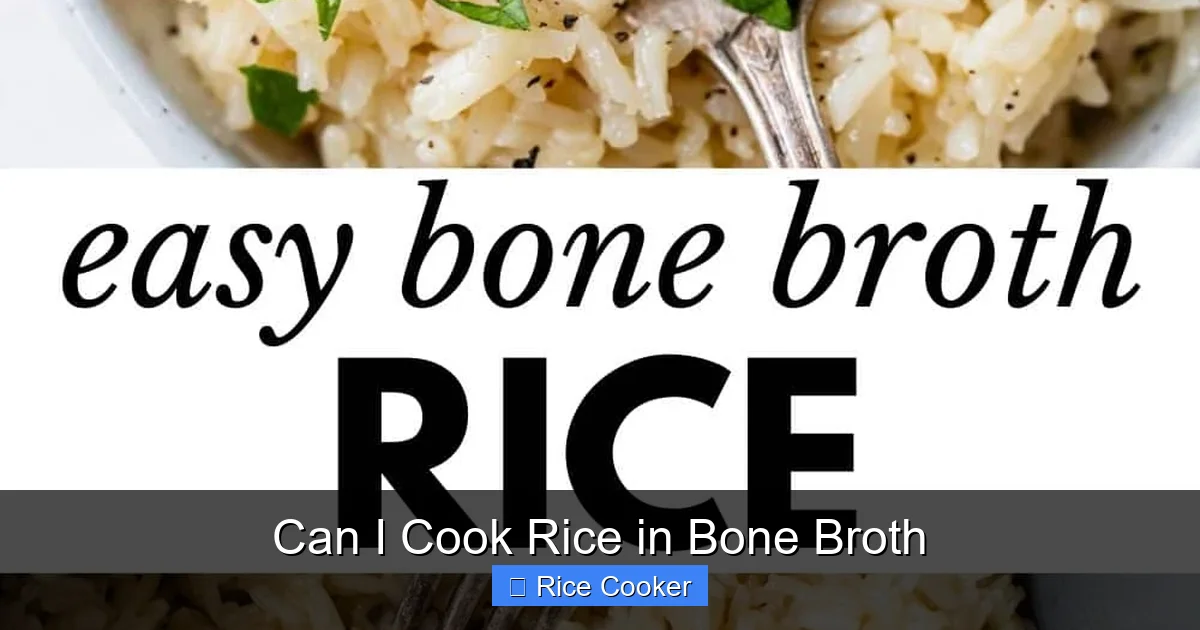
Visual guide about Can I Cook Rice in Bone Broth
Image source: thealmondeater.com
A Flavor Explosion Without Extra Salt
Water is neutral—it doesn’t add taste. Bone broth, on the other hand, is packed with umami. This fifth taste sensation comes from glutamates and nucleotides found in slow-simmered bones and collagen. When rice absorbs this liquid, it becomes infused with savory, meaty notes that make every bite satisfying. No MSG, no artificial seasonings—just pure, natural flavor.
Think of it like this: cooking rice in water is like wearing white socks with a black suit—it functions, but it’s not exciting. Cooking rice in bone broth? That’s like pairing the socks with a designer suit—elevated, intentional, and stylish.
Nutrition That Goes Beyond Carbohydrates
Plain white rice is mostly carbohydrates, but when you cook it in bone broth, you’re adding layers of nutrition. Bone broth contains minerals like calcium, magnesium, potassium, and phosphorus—all leached from the bones during long cooking times. It also delivers gelatin, collagen, and amino acids such as glycine and proline, which support gut health, joint function, and skin elasticity.
Even if you’re not eating the bones themselves, their essence lives on in the broth. So, by cooking rice in it, you’re essentially turning your side dish into a functional food. That’s a win for health-conscious eaters, keto-friendly diets, or anyone looking to boost their nutrient intake without changing their entire meal plan.
Easier Digestion for Some Diets
For people with sensitive stomachs or conditions like IBS, rice cooked in bone broth may be gentler than water-boiled versions. The gelatin in bone broth acts as a soothing agent, coating the digestive tract and aiding in nutrient absorption. Plus, the longer cooking time softens the rice grains, making them easier to chew and digest.
This is especially helpful if you’re recovering from illness, dealing with inflammation, or following a healing diet like GAPS or SCD. The broth helps create a gentle, nourishing meal that supports recovery without taxing the system.
Sustainability and Waste Reduction
One of the best-kept secrets of bone broth is how much it repurposes kitchen scraps. Chicken necks, beef knuckles, vegetable tops—these are often discarded, but they make incredible stock. By using that leftover broth to cook rice, you’re reducing food waste and maximizing flavor and nutrition.
It’s also cost-effective. Instead of buying expensive broth or throwing away bones, you turn them into a multi-use ingredient. One batch of broth can power several meals—soups, stews, and now, perfectly seasoned rice.
How to Cook Rice in Bone Broth: Step-by-Step Guide
Now that you’re convinced, let’s get practical. Whether you’re using a rice cooker or the stovetop, cooking rice in bone broth is simple. Just follow these steps for foolproof results.
Gather Your Ingredients
- Rice: Any type works—white, jasmine, basmati, brown, or wild rice. Brown rice takes longer but absorbs more flavor.
- Bone broth: Use homemade or store-bought. Make sure it’s low-sodium if you want control over seasoning. Chicken, beef, or vegetable broth all work.
- Optional add-ins: Garlic, ginger, onion, bay leaf, thyme, or a splash of soy sauce for extra depth.
Choose Your Cooking Method
Rice Cooker Method (Most Popular)
- Rinse your rice under cold water to remove excess starch (optional but recommended for fluffier results).
- Add rice and bone broth to the inner pot of your rice cooker. A general ratio is 1 cup rice to 1.5 cups liquid, but adjust based on rice type (check package instructions).
- Add any aromatics like garlic or bay leaves.
- Cook using the “white rice” or “regular” setting. Avoid “porridge” or “soup” modes unless you’re making a thick risotto-style dish.
- Let it rest for 5–10 minutes after cooking before fluffing with a fork.
Stovetop Method (Traditional Approach)
- Combine rice and bone broth in a saucepan. Bring to a boil over high heat.
- Reduce heat to low, cover, and simmer gently for 18–25 minutes (depending on rice type). Do not lift the lid.
- Turn off heat and let sit for 10 minutes to steam and finish cooking.
- Fluff gently and serve.
Pro Tips for Perfect Broth-Rice
- Don’t skip rinsing: Rinsing removes surface starch, preventing clumping and helping grains stay separate.
- Adjust liquid slightly: If your broth is very salty, reduce the amount used. You can always add a little more water if needed.
- Experiment with flavors: Add miso paste, tamari, or a drizzle of sesame oil after cooking for extra umami.
- Make it a full meal: Stir in cooked chicken, diced mushrooms, spinach, or hard-boiled eggs during the last 5 minutes.
Best Types of Rice to Cook in Bone Broth
Not all rice is created equal—some absorb broth better than others. Here’s a breakdown of popular varieties and how they behave when cooked in bone broth.
White Rice
White rice is the most common choice for broth cooking. It’s quick to cook, light in texture, and absorbs flavor beautifully. Jasmine and basmati are great options if you want a fragrant, slightly floral note. Both cook in about 18–20 minutes and result in fluffy, non-sticky grains.
Brown Rice
Brown rice takes longer—typically 30–40 minutes—but it’s richer in fiber and nutrients. Because it has a tougher outer bran layer, it needs more liquid and time to soften. The trade-off? More flavor absorption and a chewy, satisfying bite. Ideal for hearty, wholesome meals.
Wild Rice
Wild rice (not a true grass but a seed) has a nutty flavor and firm texture. It’s slower cooking and benefits greatly from the deep flavors of mushroom or beef bone broth. The result is a luxurious, almost earthy dish perfect for gourmet bowls.
Arborio or Creamy Varieties
If you’re making risotto-style rice in broth, use Arborio or Carnaroli. These short-grain rices release starch slowly, creating a creamy texture. Simmer them in small amounts of warm bone broth, stirring occasionally, until rich and saucy.
Bone Broth Variations for Different Cuisines
The beauty of cooking rice in broth is its versatility. You can customize the flavor profile to match your taste or cultural preference.
Asian-Inspired: Ginger-Chicken Broth Rice
Use chicken bone broth infused with fresh ginger, garlic, green onions, and a splash of soy sauce. Serve with steamed broccoli and a soft-boiled egg for a complete meal.
Mexican-Style: Lime-Cilantro Beef Broth Rice
Cook rice in beef bone broth with cumin, oregano, lime zest, and chopped cilantro. Top with avocado, salsa, and shredded cheese for a fiesta bowl.
Himalayan: Turmeric-Ginger Vegetable Broth Rice
Perfect for vegetarians. Use vegetable bone broth with turmeric, black pepper, ginger, and coconut milk. Add chickpeas and spinach for protein and color.
Mediterranean: Herbed Lamb Broth Rice
Lamb bone broth with rosemary, thyme, lemon peel, and olives creates a robust, aromatic base. Serve with grilled veggies and a dollop of tzatziki.
Common Mistakes to Avoid
Even with the best intentions, things can go wrong. Here are some frequent pitfalls when cooking rice in bone broth—and how to fix them.
Using Too Much Salt
Store-bought broths can be high in sodium. Taste your broth before cooking—if it’s already salty, reduce the amount or dilute with water. You can always add herbs or spices afterward, but you can’t take salt out.
Not Rinsing the Rice
Skipping this step leads to gummy, clumpy rice. Always rinse until the water runs clear, especially with white rice.
Overfilling the Cooker
Most rice cookers have a max line. Don’t exceed it, or the rice won’t cook evenly. Stick to the recommended ratios.
Opening the Lid During Cooking
Steam escapes, and temperature drops—this extends cooking time and ruins texture. Keep the lid firmly closed.
Using Cold Broth
Start with room-temperature or slightly warmed broth. Starting cold can extend cooking time and affect grain texture.
Can You Use Store-Bought Broth?
Absolutely. While homemade bone broth offers superior flavor and nutrition, store-bought versions are a convenient alternative. Look for brands that list “bone broth” or “made with bones” on the label. Avoid broths labeled “flavored” or “seasoned” with MSG or artificial additives if possible.
For best results, drain and reheat your broth before using. This removes impurities and ensures even cooking. You can also freeze broth in ice cube trays and thaw as needed—perfect for portion control.
Is Bone Broth Rice Good for Weight Loss?
Yes, especially when compared to rice cooked in sugary or fatty sauces. Broth-rice is lower in calories and higher in satiety due to protein and fiber content. The collagen in bone broth may also support metabolism and reduce cravings.
Pair it with lean protein and vegetables for a balanced, filling meal. Just watch portion sizes—rice is still a carb, and overeating any food can hinder weight goals.
Frequently Asked Questions
Does cooking rice in bone broth change the calorie count?
No, the calories remain similar to water-cooked rice. However, you gain additional nutrients like collagen and minerals, making it a more nutritionally dense option.
Can I freeze broth-rice for later?
Yes, let it cool completely, portion it into containers, and freeze for up to 3 months. Reheat gently on the stove or in the microwave, adding a splash of broth to revive moisture.
What if my rice is too salty?
Mix in a small amount of unsalted broth or water, or serve with a neutral side like cucumber salad or plain yogurt to balance the flavor.
Can I use vegetable broth for rice?
Definitely. Vegetable bone broth adds earthy, umami depth and works especially well with brown rice or wild rice. It’s ideal for plant-based diets.
Will the rice absorb all the broth?
Not necessarily. Some broth remains, especially if you used too much liquid. You can drain excess or save it for soups or sauces—no waste!
Do I need a special rice cooker for broth?
No. Standard rice cookers work fine. Just ensure the broth level isn’t above the max fill line and avoid using the “porridge” mode unless making a thick dish.
Conclusion: A Simple Upgrade with Big Payoffs
Cooking rice in bone broth isn’t just a trend—it’s a smart, sustainable, and delicious upgrade to your everyday meals. With minimal effort, you transform a basic staple into something rich in flavor, nutrition, and soul-warming comfort. Whether you’re feeding a family, meal prepping for the week, or simply craving something satisfying, this method delivers.
Next time you open your pantry, reach for that container of bone broth instead of the water pitcher. Your taste buds, your body, and your kitchen will thank you. And who knew such a simple swap could make dinner feel so extraordinary?
So go ahead—grab your rice, pour in that savory broth, and let the magic begin. Your future self, one flavorful grain at a time, is waiting.
Frequently Asked Questions
What is can i cook rice in bone broth?
can i cook rice in bone broth is an important topic with many practical applications.