
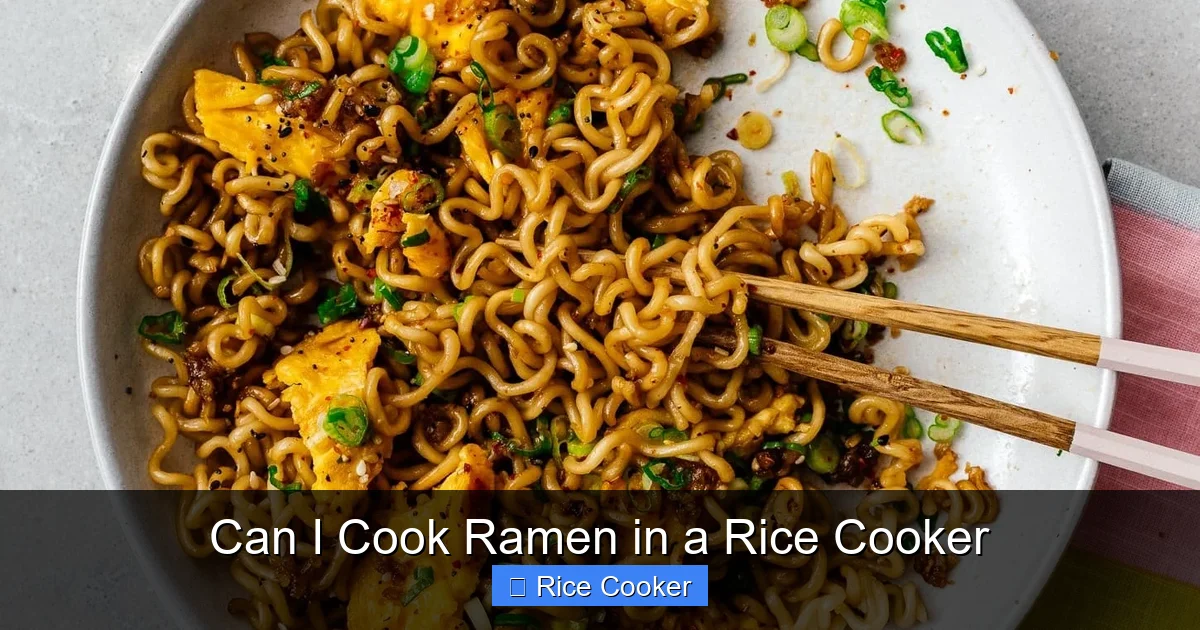
Yes, you can cook ramen noodles in a rice cooker, and it’s easier than you think. This method saves time, uses minimal cleanup, and gives you tender noodles with flavorful broth. With the right technique, your rice cooker becomes a versatile kitchen tool for quick, delicious meals.
Key Takeaways
- Rice cookers can cook ramen: The appliance heats water evenly and cooks noodles quickly, making it a convenient alternative to boiling on the stove.
- Minimal cleanup: Cooking ramen in a rice cooker reduces the number of pots and pans needed, simplifying meal prep and cleanup.
- Customizable flavors: You can add fresh ingredients like eggs, vegetables, or protein to elevate basic ramen into a full meal.
- Time-saving: Most rice cookers have a “Quick Cook” or “Manual” setting that cuts cooking time down significantly compared to traditional methods.
- Portion control: Ideal for single servings, making it perfect for busy individuals or small households.
- Energy-efficient: Rice cookers use less energy than stovetop boiling, helping reduce electricity usage.
- Not ideal for all ramen types: Some dried ramen kits may not perform well due to oil content or texture changes; fresh noodles work better.
📑 Table of Contents
- Can I Cook Ramen in a Rice Cooker?
- The Science Behind Cooking Ramen in a Rice Cooker
- What Kind of Ramen Should You Use?
- Step-by-Step Guide: How to Cook Ramen in a Rice Cooker
- Flavor Hacks: Elevating Your Rice Cooker Ramen
- Common Mistakes and How to Fix Them
- Can You Cook Other Noodles in a Rice Cooker?
- Cleaning Your Rice Cooker After Ramen
- Final Thoughts: Is Cooking Ramen in a Rice Cooker Worth It?
Can I Cook Ramen in a Rice Cooker?
Have you ever come home after a long day and just wanted something warm, comforting, and ready in under 10 minutes? If so, you’re probably familiar with instant ramen—those colorful packets that promise a quick meal with minimal effort. But what if you don’t want to deal with boiling water on the stove, dirtying multiple pots, or waiting for the kettle to heat up? Enter the humble rice cooker: an appliance designed to make perfect grains, but surprisingly versatile enough to handle more than just rice.
Yes, you can absolutely cook ramen in a rice cooker. In fact, many home cooks have discovered this clever shortcut that saves time, reduces mess, and still delivers a satisfying bowl of noodles. Whether you’re living alone, short on kitchen tools, or just looking for a new way to use your rice cooker, this method is worth trying. And here’s the best part—you don’t need any special gadgets or expensive equipment. Just your trusty rice cooker, a few pantry staples, and maybe a splash of creativity.
In this article, we’ll walk you through everything you need to know about cooking ramen in a rice cooker. From understanding how the process works to choosing the right type of noodles, adding flavor boosters, and avoiding common mistakes, we’ve got you covered. We’ll also share some fun twist recipes to take your ramen from basic to gourmet. So grab your rice cooker, and let’s get cooking!
The Science Behind Cooking Ramen in a Rice Cooker
Before jumping into recipes, it helps to understand why a rice cooker can actually cook ramen effectively. Unlike a pot on the stove, which requires constant monitoring and stirring, a rice cooker operates on a sealed system. Once you add water and close the lid, the appliance heats the liquid uniformly and maintains consistent temperatures throughout the cooking cycle.
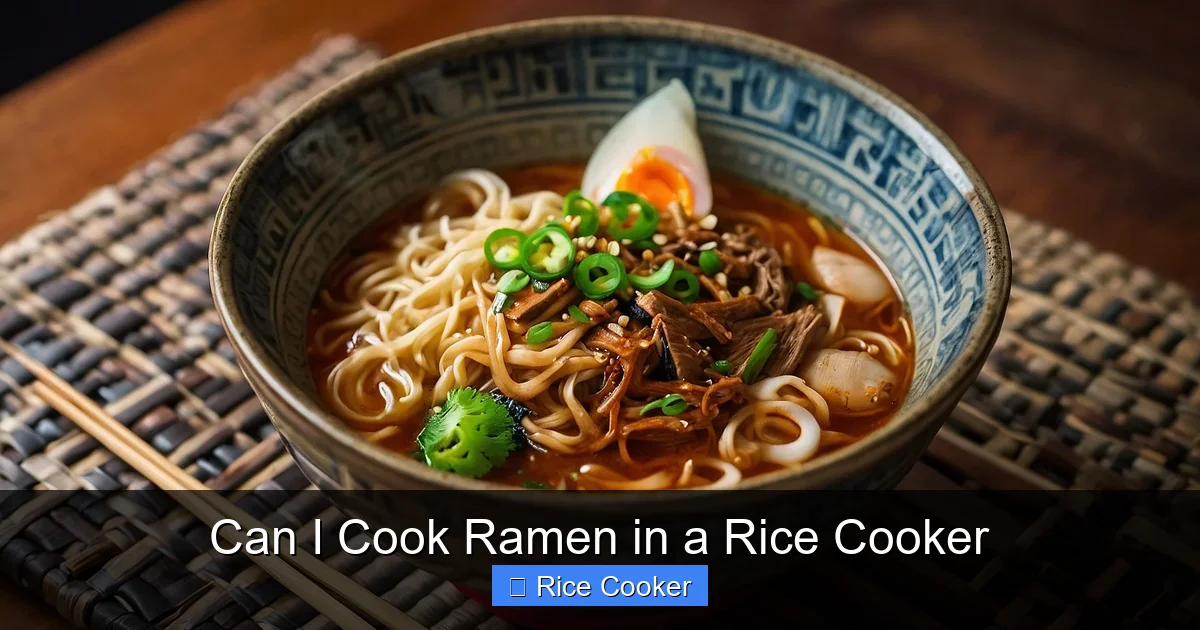
Visual guide about Can I Cook Ramen in a Rice Cooker
Image source: recipes.net
How Heat Transfer Works
When you pour boiling water over instant ramen in a bowl, the heat slowly penetrates the noodle block and dissolves the seasoning packet. In a rice cooker, hot water surrounds the noodles completely, ensuring even heating. The closed environment also traps steam, which helps soften the noodles faster than open-air boiling. Plus, because the rice cooker doesn’t require you to stir or watch closely, it’s hands-off and foolproof.
Why It’s Better Than Boiling
- Faster cooking time: Most rice cookers reach high heat quickly, cutting ramen prep from 5–7 minutes to just 3–4 minutes.
- Less splatter: No rolling boil means fewer spills on your countertop.
- Better flavor absorption: The enclosed space allows the seasoning to blend more thoroughly into the noodles and water.
- Easier cleanup: One pot instead of two (the pot + serving bowl).
That said, there are a few caveats. Not all rice cookers are created equal—some older models lack precise temperature control, which might affect texture. Also, if you’re using very oily ramen packs (common in some brands), they may not dissolve as well in the limited water volume. But overall, for most people, cooking ramen in a rice cooker is a game-changer.
What Kind of Ramen Should You Use?
Not every ramen noodle performs equally well in a rice cooker. The key factor is texture and moisture content. Instant ramen comes in several varieties, but not all are ideal for this method.
Best Types for Rice Cooker Cooking
- Standard dried ramen: These work great because they absorb water quickly and don’t fall apart easily.
- Fresh ramen noodles: Even better! Because they’re softer, they cook faster and retain shape beautifully.
- Noodle blocks without excess oil: Look for low-oil or “less oil” versions of your favorite brand.
Avoid These
- Highly oily ramen packs: Brands like Maruchan Extra Spicy or some premium kits often contain too much oil, which can coat the rice cooker’s interior or create uneven seasoning.
- Pre-cooked or frozen ramen: These are already partially cooked and may become mushy.
- Instant cup ramen: The cups aren’t designed to withstand high heat and can warp or melt.
If you’re unsure, start with a simple soy sauce or miso-flavored ramen. They tend to have balanced seasoning and less oil than spicy or cheese-flavored options. And remember—even if your ramen isn’t perfect, you can always adjust the flavor later by adding extra spices, herbs, or condiments.
Step-by-Step Guide: How to Cook Ramen in a Rice Cooker
Ready to try it yourself? Follow these simple steps for foolproof ramen every time.
You’ll Need
- 1–2 servings of ramen noodles (noodle block + seasoning packet)
- 1 cup of water (adjust based on rice cooker size)
- A rice cooker with at least 1-liter capacity
- Optional: Fresh toppings like green onions, soft-boiled egg, spinach, or sliced meat
Instructions
- Add water first: Pour 1 cup of cold water into the inner pot of your rice cooker. Make sure there’s enough room for expansion when it boils.
Switch the rice cooker to “Keep Warm” or “Manual” mode and let it come to a simmer. This usually takes 2–3 minutes. Break the noodle block in half and place it gently into the hot water. Let it sit for 30 seconds so it starts softening. Gently push the noodles down with a spoon to help them submerge. Don’t over-stir—just enough to prevent sticking. Cover the lid and allow the ramen to cook undisturbed. The noodles should be fully softened within this time. Open the seasoning packet and mix it into the broth while stirring gently. Use chopsticks or a fork to transfer the noodles and broth into a bowl. Add your favorite toppings and enjoy!
Pro tip: For creamier ramen, add a teaspoon of butter or sesame oil after removing from heat. It makes a huge difference in mouthfeel!
Flavor Hacks: Elevating Your Rice Cooker Ramen
Plain ramen is delicious—but what if you want something more exciting? A rice cooker lets you get creative without needing extra pots or pans. Here are some ways to jazz up your ramen.
Add Protein
- Soft-boiled egg: Crack an egg into a small ramekin, cover with foil, and microwave for 60 seconds. Peel and add to ramen.
- Tofu cubes: Press firm tofu, cut into bite-sized pieces, and pan-fry until golden before adding.
- Sliced deli meat: Ham, turkey, or even spam adds savory depth.
Boost Veggies
- Spinach or bok choy: Add greens in the last minute of cooking—they wilt fast.
- Mushrooms: Sauté shiitake or cremini mushrooms beforehand for umami richness.
- Cabbage or kale: Chop finely and stir in during the final minute.
Seasoning Swaps
- Miso paste: Stir 1 tablespoon into the broth for tangy, complex flavor.
- Fish sauce or soy sauce: Adds saltiness without relying solely on the packet.
- Spices: A pinch of red pepper flakes, garlic powder, or five-spice powder can transform the taste.
Experimentation is encouraged! Keep a notebook next to your rice cooker to track what works best for your taste buds.
Common Mistakes and How to Fix Them
Even experienced cooks make errors when trying something new. Here’s how to avoid pitfalls when making ramen in your rice cooker.
Mistake #1: Using Too Much Water
Too much water dilutes the flavor. Stick to 1 cup per serving. If you must use more, reduce the amount of seasoning packet or add extra salt/spices afterward.
Mistake #2: Skipping the Pre-Simmer
Adding cold noodles directly to room-temperature water won’t cook them properly. Always heat the water first, then add noodles.
Mistake #3: Overcooking
Letting ramen sit too long turns it mushy. Cook only until tender—about 2–3 minutes after noodles start floating.
Mistake #4: Ignoring Oil Content
Oily ramen can leave residue in your rice cooker. After cooking, rinse the inner pot with warm water and mild soap. Avoid abrasive scrubbers to protect nonstick coating.
Mistake #5: Not Stirring Seasoning
Seasoning packets sometimes clump at the bottom. Stir well after adding to ensure even distribution.
If your ramen turns out bland, bitter, or gummy, review these points. Adjust one variable at a time next time to isolate the issue.
Can You Cook Other Noodles in a Rice Cooker?
Absolutely! While ramen is the classic choice, many other noodles work well in a rice cooker. Think udon, soba, glass noodles, or even angel hair pasta. The principle remains the same: heat water, add noodles, cook briefly, then season.
For longer noodles like udon, break them into smaller pieces before adding. For delicate soba, cook for no more than 90 seconds. Always check package instructions for recommended cooking times—rice cookers tend to speed things up slightly.
This versatility makes your rice cooker a year-round kitchen hero. From breakfast oatmeal to dinner ramen, it handles it all.
Cleaning Your Rice Cooker After Ramen
One of the biggest perks of cooking ramen in a rice cooker is how easy it is to clean. Still, proper maintenance ensures longevity and prevents lingering odors.
Immediate Steps
- Unplug the rice cooker and let it cool completely.
- Rinse the inner pot with warm water to remove loose particles.
- Wipe the lid and exterior with a damp cloth.
Deep Clean Weekly
- Remove the inner pot and wash it in soapy water.
- Check the heating plate for sticky residue; use a soft sponge.
- Never immerse the main unit in water—only the removable parts.
A little care goes a long way. A clean rice cooker means fresher-tasting ramen and fewer burnt-on food bits.
Final Thoughts: Is Cooking Ramen in a Rice Cooker Worth It?
After exploring all the benefits—speed, convenience, customization, and minimal cleanup—it’s clear that cooking ramen in a rice cooker is more than just a trend. It’s a practical solution for modern kitchens where efficiency matters. Whether you’re a college student, a busy parent, or someone who loves experimenting with quick meals, this method fits seamlessly into your routine.
Of course, nothing beats homemade ramen made from scratch with fresh ingredients. But when you’re pressed for time or simply craving comfort food fast, your rice cooker is ready to deliver. Try it once, and you might never go back to boiling noodles on the stove again.
So next time hunger strikes, skip the kettle and fire up your rice cooker. You’ll be amazed at how simple, tasty, and satisfying it can be.
Frequently Asked Questions
Can I cook ramen in a rice cooker without burning it?
Yes, as long as you use the right amount of water and don’t overfill the pot. Adding noodles to pre-heated water and cooking for only 2–3 minutes prevents scorching.
Do I need to pre-soak ramen noodles before cooking in a rice cooker?
No, instant ramen cooks quickly in hot water. However, letting them sit for 30 seconds after adding to hot water helps them soften faster.
Is it okay to reuse the inner pot for both rice and ramen?
Absolutely. Just clean it thoroughly afterward to avoid mixing flavors or leaving behind oily residues.
Can I cook multiple servings of ramen at once in my rice cooker?
It depends on your model’s size. Most standard rice cookers hold up to 2–3 servings comfortably. Avoid overcrowding to ensure even cooking.
Will cooking ramen in a rice cooker affect its warranty?
No, using your rice cooker for ramen is generally safe and won’t void the warranty—unless you damage the appliance through misuse (e.g., dropping it).
What’s the difference between cooking ramen in a rice cooker vs. boiling on the stove?
Rice cookers offer hands-off convenience, uniform heating, and less mess. Stovetop boiling gives more control over texture but requires attention and extra cleanup.