

Can I cook rice in beef broth? Absolutely! Cooking rice in beef broth adds rich, savory flavor and boosts the dish’s nutritional value. It’s a simple swap that transforms plain rice into something special—ideal for soups, side dishes, or grain bowls.
Key Takeaways
- Flavor Boost: Beef broth enhances rice with deep umami notes, making each bite more satisfying than plain water-cooked rice.
- Nutritional Upgrade: Broth adds minerals like iron and zinc, offering a healthier alternative to plain cooking liquid.
- Perfect Texture: Rice cooked in broth absorbs flavors evenly and achieves a tender, moist consistency ideal for most grains.
- Versatile Usage: Use beef broth for white rice, brown rice, risotto, or even quinoa—great for soups, stews, and grain bowls.
- Saving Time & Effort: No need to season separately; the broth infuses flavor during cooking, reducing prep time.
- Rice Cooker Friendly: Most modern rice cookers handle broth just fine, but check your model’s manual for best results.
- Customization Tip: Add herbs, garlic, or vegetables to the broth for an extra layer of flavor without extra steps.
📑 Table of Contents
- Introduction: Why Swap Water for Beef Broth?
- Why Cook Rice in Beef Broth?
- Which Type of Rice Works Best?
- How to Cook Rice in Beef Broth Step-by-Step
- Tips for Perfect Broth-Cooked Rice
- Delicious Recipes Using Beef Broth-Rice
- Troubleshooting Common Issues
- Frequently Asked Questions About Cooking Rice in Beef Broth
Introduction: Why Swap Water for Beef Broth?
Have you ever wondered if cooking rice in beef broth is just a fancy chef’s trick—or actually worth trying? The short answer? Yes, and it’s easier than you think. Instead of using plain water when cooking rice, swapping in beef broth brings bold flavor, depth, and even a little nutrition to the table. Whether you’re making a quick side dish or building a one-pot meal, this simple change can elevate your entire meal.
You might be thinking, “But won’t the rice taste too salty or overpowering?” Not necessarily. When done right, beef broth adds richness without overwhelming the dish. In fact, because broth is already seasoned (often with salt, herbs, and aromatics), your rice gains flavor passively while cooking. Plus, many people find that rice cooked in broth feels more nourishing and satisfying—perfect for busy weeknights when you want dinner to taste like it took hours to make.
This guide walks you through everything you need to know about cooking rice in beef broth, from choosing the right type of rice and broth to mastering texture and timing. We’ll also share pro tips, troubleshooting advice, and delicious recipe ideas so you can start enjoying richer, tastier rice today.
Why Cook Rice in Beef Broth?
Let’s talk about why anyone would choose beef broth over water when cooking rice. At first glance, it seems like a small change—but the impact is anything but minor. Here are the top reasons to give it a try:
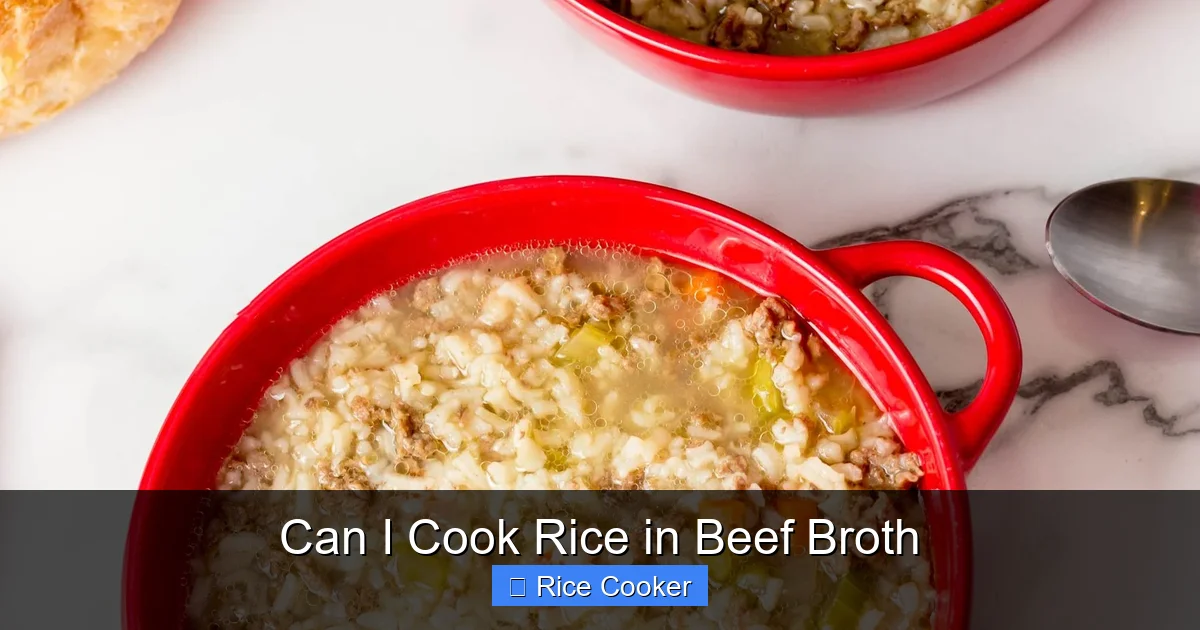
Visual guide about Can I Cook Rice in Beef Broth
Image source: ourwabisabilife.com
1. Enhanced Flavor Profile
Plain water imparts no taste. Beef broth, on the other hand, is packed with savory notes from slow-simmered bones, meat, and aromatics. When rice cooks in this liquid, it absorbs those flavors like a sponge. The result? Each grain carries subtle hints of onion, garlic, thyme, and even a touch of smokiness—depending on your broth.
Think of it as seasoning rice while it cooks. That means less work later when you plate it alongside grilled chicken or stir-fry. And unlike adding salt and spices afterward, which can sometimes make rice gummy or unevenly seasoned, broth delivers balanced flavor throughout.
2. Added Nutritional Value
Beef broth isn’t just tasty—it’s nutritious. Made by simmering bones, cartilage, and connective tissue, broth releases collagen, gelatin, and minerals like calcium, magnesium, and potassium into the liquid. These compounds support joint health, digestion, and hydration.
When rice soaks up this nutrient-rich liquid, you get more than just carbs—you get a slightly denser, more wholesome grain. This makes broth-cooked rice a smart choice for people watching sodium levels (if you use low-sodium broth) or looking to add extra protein and minerals to their diet.
3. Improved Moisture Retention
Rice cooked in broth tends to stay softer and more moist compared to water-based methods. This is especially true for long-grain varieties like jasmine or basmati. Because broth has more fat and oils than water, the rice absorbs it gently, preventing dryness and helping each grain remain separate yet tender.
Which Type of Rice Works Best?
Not all rice is created equal—and some types respond better to broth than others. Let’s break down the most popular options and how they behave when cooked in beef broth.
White Rice (Jasmine, Basmati, Long-Grain)
White rice is the easiest candidate for broth cooking. Its starch content allows it to absorb liquid quickly while remaining fluffy. Jasmine rice, in particular, becomes fragrant and sticky-perfect when cooked in aromatic broths. Basmati stays light and non-sticky, making it ideal for pilafs or biryanis.
Pro tip: Rinse your white rice before cooking to remove excess surface starch. This helps prevent clumping and ensures even absorption.
Brown Rice
Brown rice takes longer to cook due to its fiber-rich bran layer, but it still benefits greatly from broth. Because it retains more nutrients and has a nuttier flavor to begin with, beef broth complements it beautifully. Just remember to increase the liquid ratio slightly—typically 1½ cups broth per 1 cup rice—and extend cooking time by about 5–10 minutes.
Arborio and Short-Grain Rice
Arborio rice is famous for risotto—a dish where broth is added slowly for creaminess. But you can also cook it all at once in beef broth for a quicker version. Short-grain rice works similarly, becoming soft and clingy without being mushy.
Wild Rice and Other Varieties
Wild rice is technically a grass seed, not actual rice. It has a chewy texture and intense earthy flavor. While it’s traditionally cooked in water, adding beef broth deepens its taste and pairs wonderfully with mushrooms or game meats.
How to Cook Rice in Beef Broth Step-by-Step
Ready to try it yourself? Follow these easy steps to make perfectly flavored rice every time.
Gather Your Ingredients
- 1 cup uncooked rice
- 2 cups beef broth (low-sodium recommended)
- Optional: 1 tbsp butter or olive oil
- Optional: Pinch of salt, garlic cloves, bay leaf, or diced onion
Measure and Prep
Use a measuring cup to ensure accurate ratios. For most white rices, 1 cup rice to 2 cups liquid is standard. Brown rice needs a bit more—try 1.5 cups broth per 1 cup rice.
Combine Everything
In a saucepan or rice cooker insert, combine rice, broth, and any optional aromatics. Bring to a boil over medium-high heat (if using a pot), then reduce to low and cover tightly.
Cook Until Done
For white rice: 18–20 minutes. For brown rice: 40–45 minutes. If using a rice cooker, select the appropriate setting and let it do the work. Once done, let the rice rest for 5 minutes off the heat—this allows steam to redistribute moisture evenly.
Fluff and Serve
Use a fork to gently fluff the rice. Discard any solid aromatics (like bay leaves), then serve warm. Enjoy as a side, base for bowls, or mix-ins like roasted veggies or shredded chicken.
Tips for Perfect Broth-Cooked Rice
Even experienced cooks can run into issues with rice—especially when switching from water to broth. Here’s how to avoid common pitfalls.
Don’t Over-Salt the Broth
If your beef broth is already high in sodium, skip adding extra salt. Taste it before using—many store-bought broths are quite salty. Opt for unsalted or low-sodium versions if possible.
Keep the Lid On
Steam escapes during cooking, which affects texture. Always keep the lid sealed until the timer goes off. If using a rice cooker, make sure the sealing ring is intact.
Rest After Cooking
Resist the urge to open the pot immediately after the cycle ends. Letting rice sit for 5 minutes allows residual steam to finish cooking the grains evenly and prevents sogginess.
Adjust Liquid Ratios Carefully
Too much broth = mushy rice. Too little = dry grains. Start with standard ratios and adjust next time based on results. You can also drain excess liquid after cooking if needed.
Experiment with Aromatics
Add flavor without extra steps. Toss in a crushed garlic clove, a sprig of thyme, or a few pearl onions while cooking. They’ll infuse the rice subtly without requiring removal later.
Store Leftovers Properly
Cool cooked broth rice within two hours of cooking. Store in airtight containers in the fridge for up to 5 days or freeze for up to 3 months. Reheat with a splash of water or broth to restore moisture.
Delicious Recipes Using Beef Broth-Rice
Now that you know how to cook rice in beef broth, here are three tasty ways to use it.
Garlic Herb Rice Pilaf
Saute 1 minced shallot in 1 tbsp butter until soft. Add 1 cup rinsed basmati rice and stir for 1 minute. Pour in 2 cups low-sodium beef broth and a pinch of rosemary. Simmer covered for 18 minutes. Fluff and serve alongside lemon herb chicken.
One-Pot Beef and Rice Skillet
In a large skillet, brown 1 lb ground beef with diced onion and garlic. Drain fat, then add 1 cup long-grain rice and stir. Pour in 2 cups beef broth and bring to a boil. Reduce heat, cover, and cook 18 minutes. Stir in frozen peas during the last 5 minutes.
Cheesy Broccoli Rice Bake
Cook 1 cup white rice in 2 cups beef broth with a bay leaf. Remove leaf, stir in 2 cups steamed broccoli florets and ¾ cup shredded cheddar. Top with breadcrumbs and bake at 375°F for 15 minutes until golden.
Troubleshooting Common Issues
What if your rice turns out too wet, dry, salty, or undercooked? Don’t worry—these problems have solutions.
Rice Is Mushy
This usually means too much liquid or overcooking. Next time, reduce broth by ¼ cup and check doneness halfway through. Also, avoid lifting the lid frequently, which releases steam and extends cooking time.
Rice Is Dry or Crumbly
Insufficient liquid is the culprit. Add 1–2 tbsp more broth or water when reheating leftovers. Cover while microwaving to trap moisture.
Rice Is Too Salty
Start with unsalted broth. If already cooked, balance saltiness by mixing in plain yogurt, sour cream, or a squeeze of lemon juice.
Rice Sticks Together
Over-stirring or insufficient rinsing causes clumping. Always rinse rice before cooking and fluff gently with a fork at the end.
Broth Evaporates Too Quickly
Low heat is key. Keep the flame low after boiling starts. If using a rice cooker, ensure the inner pot isn’t warped, as this can cause poor sealing.
Frequently Asked Questions About Cooking Rice in Beef Broth
Can I substitute chicken broth instead?
Absolutely! Chicken broth works just as well and offers a milder flavor. The cooking method remains identical.
Is it okay to use canned beef broth?
Yes, but choose high-quality brands with minimal additives. Homemade broth yields the best results, though store-bought works great for everyday meals.
Will rice cook faster in broth than in water?
Not significantly. Broth has similar boiling properties to water, so cooking times remain nearly the same.
Can I cook rice in broth using a slow cooker?
Yes, but it requires adjustments. Use 1.5 times more broth than usual and cook on low for 6–7 hours, checking occasionally to prevent burning.
Does beef broth make rice healthier?
It adds trace minerals and protein, but nutritional gains depend on the broth quality. Low-sodium, homemade broth is the healthiest option.
Can I freeze broth-cooked rice?
Yes! Cool completely, portion into containers, and freeze for up to 3 months. Thaw overnight in the fridge and reheat with a spoonful of broth.
Frequently Asked Questions
Can I substitute chicken broth instead?
Yes, chicken broth works just as well and offers a milder flavor. The cooking method remains identical.
Is it okay to use canned beef broth?
Yes, but choose high-quality brands with minimal additives. Homemade broth yields the best results, though store-bought works great for everyday meals.
Will rice cook faster in broth than in water?
Not significantly. Broth has similar boiling properties to water, so cooking times remain nearly the same.
Can I cook rice in broth using a slow cooker?
Yes, but it requires adjustments. Use 1.5 times more broth than usual and cook on low for 6–7 hours, checking occasionally to prevent burning.
Does beef broth make rice healthier?
It adds trace minerals and protein, but nutritional gains depend on the broth quality. Low-sodium, homemade broth is the healthiest option.
Can I freeze broth-cooked rice?
Yes! Cool completely, portion into containers, and freeze for up to 3 months. Thaw overnight in the fridge and reheat with a spoonful of broth.