
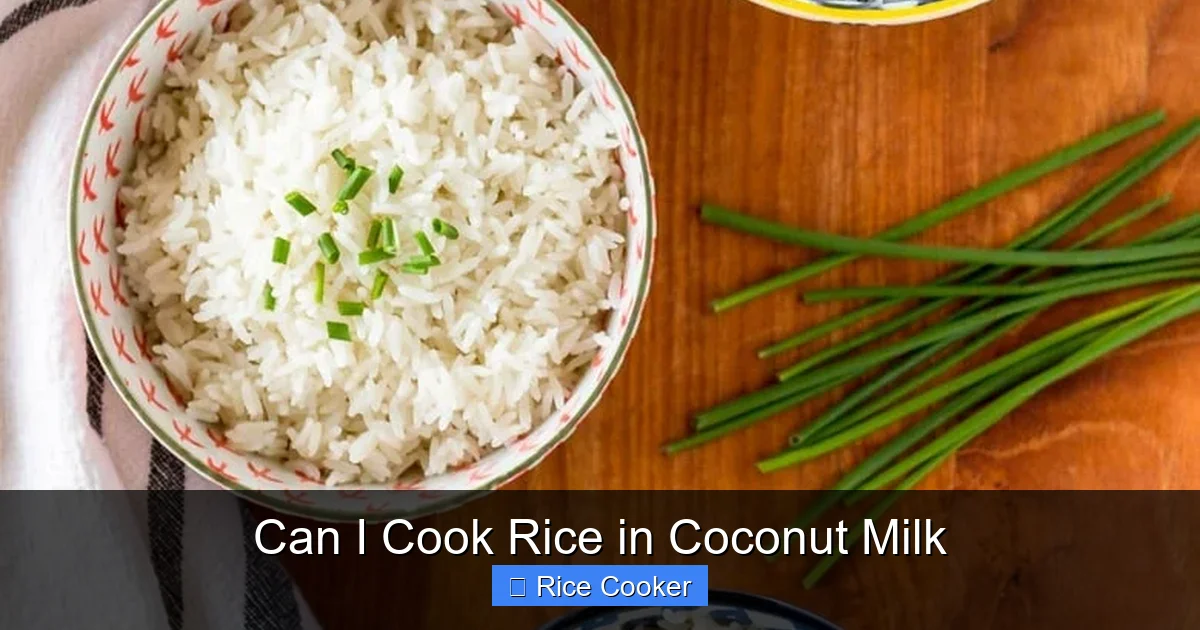
Yes, you can absolutely cook rice in coconut milk—it’s a delicious way to add richness and aroma to your meals. Whether you’re using a stovetop or a rice cooker, this method transforms plain white or jasmine rice into a fragrant, slightly sweet dish with a creamy texture. With just a few simple steps, you’ll have a comforting side that pairs perfectly with curries, grilled proteins, or tropical-inspired meals.
Key Takeaways
- You can cook rice in coconut milk using either a rice cooker or stovetop method. Both yield tender, aromatic results when done correctly.
- Coconut milk adds natural sweetness and creaminess without needing dairy or heavy cream.
- Use full-fat coconut milk for the best flavor and texture, especially if you want a richer dish.
- Adjust the ratio of coconut milk to water depending on how soft or moist you like your rice.
- Seasoning with salt, sugar, or spices enhances the coconut flavor, making it more balanced and delicious.
- Resting the cooked rice helps absorb excess liquid and improves texture.
- This dish works well with jasmine, basmati, or short-grain rice varieties.
Quick Answers to Common Questions
Can I use light coconut milk instead of full-fat?
Yes, but full-fat coconut milk gives richer flavor and creamier texture. Light coconut milk works in a pinch, especially if you’re watching calories.
Do I need to rinse the rice before cooking?
Yes! Rinsing removes excess starch and prevents the rice from becoming gummy. Rinse until the water runs clear.
How long does coconut milk rice last in the fridge?
It keeps well for up to 4 days in an airtight container. Reheat gently with a splash of water or coconut milk.
Can I make this dish ahead of time?
Absolutely. Cooked coconut rice stores beautifully and often tastes better after sitting overnight, allowing flavors to meld.
Is coconut milk rice suitable for gluten-free diets?
Yes, as long as your rice and any additives (like seasonings) are certified gluten-free. Naturally gluten-free.
📑 Table of Contents
- Can I Cook Rice in Coconut Milk? Absolutely—and It’s Delicious!
- Why Cook Rice in Coconut Milk?
- Choosing the Right Ingredients
- How to Cook Rice in Coconut Milk Using a Rice Cooker
- Cooking Coconut Milk Rice on the Stovetop
- Flavor Variations and Creative Twists
- Common Mistakes and How to Fix Them
- Serving Suggestions and Pairings
- Storage and Reheating Tips
- Conclusion: A Simple Upgrade Worth Trying
Can I Cook Rice in Coconut Milk? Absolutely—and It’s Delicious!
Have you ever wondered if you can cook rice in coconut milk? The answer is a resounding yes—and not only can you do it, but you can also turn a simple bowl of white rice into something truly special. Cooking rice in coconut milk is a time-honored technique used in many Southeast Asian cuisines, particularly Thai and Filipino dishes. Instead of plain water, you use coconut milk as the cooking liquid, which infuses the grains with rich, nutty, and subtly sweet flavors. The result? A creamy, aromatic, and incredibly satisfying side dish that pairs beautifully with curries, grilled meats, or even eaten on its own with a drizzle of honey or a sprinkle of toasted coconut flakes.
Whether you’re using a traditional rice cooker or opting for a stovetop method, cooking rice in coconut milk is easier than you might think. With just a few ingredients and basic kitchen tools, you can create a dish that feels luxurious without much effort. Plus, it’s a fantastic way to elevate everyday meals and impress guests with minimal fuss. In this guide, we’ll walk you through everything you need to know—from choosing the right type of rice and coconut milk to mastering the perfect ratio and technique. So grab your rice cooker, open a can of coconut milk, and let’s get started!
Why Cook Rice in Coconut Milk?
So why go through the trouble of using coconut milk instead of water? The benefits are both sensory and practical. First, coconut milk imparts a unique flavor profile—creamy, slightly sweet, and deeply aromatic—that transforms plain rice into something memorable. It’s especially wonderful when paired with savory dishes like red curry, green papaya salad, or grilled fish, as it balances spicy, salty, or sour flavors beautifully.
Visual guide about Can I Cook Rice in Coconut Milk
Image source: theonlinecook.com
The Flavor and Texture Benefits
When rice is cooked in coconut milk, each grain absorbs the fat and aroma, becoming softer and more cohesive. Unlike water-cooked rice, which can sometimes feel dry or separate, coconut milk rice tends to be moist, fluffy, and slightly sticky—perfect for scooping up sauces or stuffing into wraps.
A Healthier Alternative?
While coconut milk does contain saturated fats, it also offers medium-chain triglycerides (MCTs), which are metabolized differently than other fats and may support energy and metabolism. That said, moderation is key—especially if you’re watching your fat intake. For a lighter version, you can use reduced-fat coconut milk or substitute half coconut milk with water.
Aromatic and Visual Appeal
Coconut milk rice has a beautiful golden hue that makes any meal look more inviting. Its rich color and enticing fragrance make it ideal for serving at potlucks, family dinners, or festive occasions. Add a pinch of turmeric for extra color, or top with fresh herbs like cilantro or lime zest for a vibrant finish.
Choosing the Right Ingredients
To make the perfect coconut milk rice, start with quality ingredients. Not all coconut milks are created equal, and selecting the right one will make a big difference in taste and consistency.

Visual guide about Can I Cook Rice in Coconut Milk
Image source: m.media-amazon.com
Types of Coconut Milk
- Full-Fat Coconut Milk: Thick, creamy, and packed with flavor. Ideal for cooking rice. Look for cans labeled “coconut cream” at the top when shaken—this indicates higher fat content.
- Light Coconut Milk: Thinner and lower in fat. Can work in a pinch but may result in less creamy rice.
- Squeeze Bottles: Convenient for measuring but often contain stabilizers and less pure coconut.
Best Rice Varieties
Not all rice types behave the same way in coconut milk. Here are the most popular choices:
- Jasmine Rice: Fragrant, slightly sticky, and holds up well to coconut milk. Perfect for Thai-style dishes.
- Basmati Rice: Long-grain, aromatic, and light. Cooks up fluffy and pairs well with Indian or Middle Eastern flavors.
- Glutinous (Sticky) Rice: Traditionally used in Southeast Asia for desserts and savory dishes. Soaks up coconut milk beautifully.
- Short-Grain Rice: Creamy and clingy, great for sushi or Japanese-style coconut rice.
Optional Add-Ins for Flavor
While plain coconut milk rice is delicious, you can enhance it with:
- 1–2 tablespoons of sugar or palm sugar (for balance)
- A pinch of salt (to cut sweetness)
- 1–2 pandan leaves (for a floral note—wrap tightly and remove before serving)
- A cinnamon stick or cardamom pods (for warmth)
How to Cook Rice in Coconut Milk Using a Rice Cooker
If you have a rice cooker, this is the easiest method. Most modern rice cookers come with a “porridge” or “congee” setting, which is perfect for coconut milk rice. Here’s a step-by-step guide:
Ingredients You’ll Need
- 1 cup long-grain rice (jasmine recommended)
- 1 can (400ml) full-fat coconut milk
- 1 cup water
- 1/2 teaspoon salt
- Optional: 1 tablespoon sugar, 1 pandan leaf, or 1 cinnamon stick
Step-by-Step Instructions
- Rinse the Rice: Rinse 1 cup of rice under cold water until the water runs clear. This removes excess starch and prevents gumminess.
- Add Ingredients: Place rinsed rice in the inner pot of the rice cooker. Pour in the coconut milk, water, salt, and any optional flavorings.
- Mix Gently: Stir once to combine, then press the rice cooker lid shut.
- Cook: Select the standard “white rice” cycle unless your cooker has a “sweet” or “porridge” setting. If using the porridge setting, it may take longer but yields creamier results.
- Let It Rest: Once done, let the rice sit for 10 minutes with the lid closed. This allows the grains to absorb any remaining liquid and fluff up.
- Fluff and Serve: Use a fork to gently fluff the rice. Remove any pandan leaves or spices. Serve warm.
Pro Tips for Perfect Rice Cooker Coconut Milk Rice
- Ratio Matters: Start with a 1:1 ratio of rice to coconut milk plus water (e.g., 1 cup rice : 1 cup coconut milk + 1 cup water). Adjust next time based on preference.
- Don’t Overfill: Leave space at the top of the rice cooker to prevent overflow.
- Experiment with Ratios: For firmer rice, reduce water. For creamier rice, increase coconut milk.
- Check Consistency: If the rice is too wet, spread it out on a baking sheet and bake at 350°F (175°C) for 10 minutes to dry it slightly.
Cooking Coconut Milk Rice on the Stovetop
No rice cooker? No problem. The stovetop method gives you full control over the cooking process and works just as well—especially if you enjoy simmering and stirring.
Ingredients
- 1 cup rice
- 1 cup full-fat coconut milk
- 1 cup water
- 1/2 tsp salt
- Optional: 1 tbsp sugar, 1 pandan leaf, or 1/2 tsp vanilla extract
Instructions
- Combine Ingredients: In a medium saucepan, mix rice, coconut milk, water, salt, and any aromatics.
- Bring to a Boil: Heat over medium-high heat until boiling. Stir occasionally to prevent sticking.
- Simmer: Reduce heat to low. Cover and simmer gently for 18–22 minutes, or until rice is tender and liquid is absorbed.
- Rest: Turn off heat, cover, and let rest for 10 minutes.
- Fluff and Serve: Stir gently with a fork before serving.
Stovetop Tricks
- Use a Lid:** A tight-fitting lid ensures steam stays inside, helping the rice cook evenly.
- Watch Closely:** Coconut milk can scorch easily. Stir every 5–7 minutes during the first 10 minutes.
- Add Water Gradually:** If the rice looks too dry after 20 minutes, add a splash of warm water and continue cooking.
Flavor Variations and Creative Twists
Once you master the basics, the possibilities are endless. Here are some inspired variations to try:
Coconut Milk Brown Rice
Browning rice before adding liquids adds nuttiness. Simmer 1 cup brown rice in 2 cups coconut milk and 1 cup water for 45–50 minutes, checking frequently.
Sweet Coconut Rice Pudding
Reduce liquid to 1.5 cups, add 2 tbsp sugar and a pinch of nutmeg. Simmer until thickened. Top with toasted coconut and berries.
Spiced Coconut Rice
Add 1/2 tsp turmeric, 1/4 tsp black pepper, and 1 star anise to the cooking liquid for a warm, golden dish perfect with roasted vegetables.
Lemon-Coconut Rice
After cooking, stir in the zest of 1 lemon and a squeeze of lime juice for a bright, citrusy twist.
Vegan “Cheese” Topping
Grate plant-based cheese over hot rice and broil for 2 minutes for a melty, savory finish.
Common Mistakes and How to Fix Them
Even experienced cooks can run into issues. Here’s how to troubleshoot common problems:
Rice Too Dry
Cause: Not enough liquid. Fix: Add warm water 1 tbsp at a time, simmering until desired consistency.
Rice Too Wet
Cause: Excess liquid or overcooking. Fix: Spread rice on a baking sheet and bake at 350°F for 10 minutes to evaporate moisture.
Rice Stuck to Pot
Cause: No oil or butter in the pot. Fix: Always grease the pan lightly before adding rice.
Too Much Coconut Flavor
Cause: Too much coconut milk or no balance. Fix: Add a pinch of salt or sugar to counter sweetness.
Grains Are Mushy
Cause: Overcooking or old rice. Fix: Use fresh rice and monitor closely. Stir gently to avoid breaking grains.
Serving Suggestions and Pairings
Coconut milk rice is incredibly versatile. Here are some delicious ways to serve it:
- With Curry: Serve alongside red curry, green curry, or massaman beef.
- As a Side Dish: Pair with grilled chicken, shrimp skewers, or roasted pork belly.
- In Sushi Rolls: Use short-grain rice cooked in coconut milk for a tropical sushi twist.
- Dessert Style: Top with mango slices, toasted coconut, and a drizzle of condensed milk.
- Breakfast Option: Serve warm with banana slices, cinnamon, and a dollop of almond butter.
Storage and Reheating Tips
Leftovers? Don’t toss them! Coconut milk rice actually tastes better the next day as flavors deepen.
- Refrigerate: Store in an airtight container for up to 4 days.
- Freeze: Freeze in portions for up to 2 months. Thaw overnight in the fridge.
- Reheat: Microwave with a splash of water or coconut milk to restore moisture. Alternatively, steam briefly in a covered pot.
Conclusion: A Simple Upgrade Worth Trying
Cooking rice in coconut milk is one of those simple kitchen tricks that makes a world of difference. It’s quick, affordable, and transforms a basic staple into a dish worthy of special occasions. Whether you’re using a rice cooker or the stovetop, the process is straightforward, and the results are consistently impressive. From creamy jasmine rice to spiced brown rice, the options are limitless, and the flavors are rich, comforting, and deeply satisfying.
So the next time you’re planning dinner, skip the plain rice and give coconut milk rice a try. Your taste buds will thank you. And who knows? You might just discover your new favorite way to eat rice.
Frequently Asked Questions
What type of rice is best for coconut milk?
Jasmine, basmati, and short-grain rice work best. Jasmine rice is especially fragrant and sticky, making it ideal for coconut milk dishes.
Can I use canned coconut milk or fresh?
Canned full-fat coconut milk is easiest and most consistent. Fresh coconut milk can be used but requires grating and straining, which takes more time.
How much coconut milk should I use per cup of rice?
Start with 1 cup of coconut milk per 1 cup of rice, plus 1 cup water. Adjust to taste—some prefer it creamier, others firmer.
Can I add spices or herbs while cooking?
Yes! Pandan leaves, cinnamon sticks, cardamom, or vanilla extract add lovely aromas. Remove solids before serving.
Is coconut milk rice high in calories?
Yes, due to the fat in coconut milk. One cup cooked has about 200–250 calories. Enjoy in moderation, especially if managing weight.
Can I make this dish vegan?
Yes! Coconut milk rice is naturally vegan. Just ensure your rice and any toppings (like honey) are plant-based.