
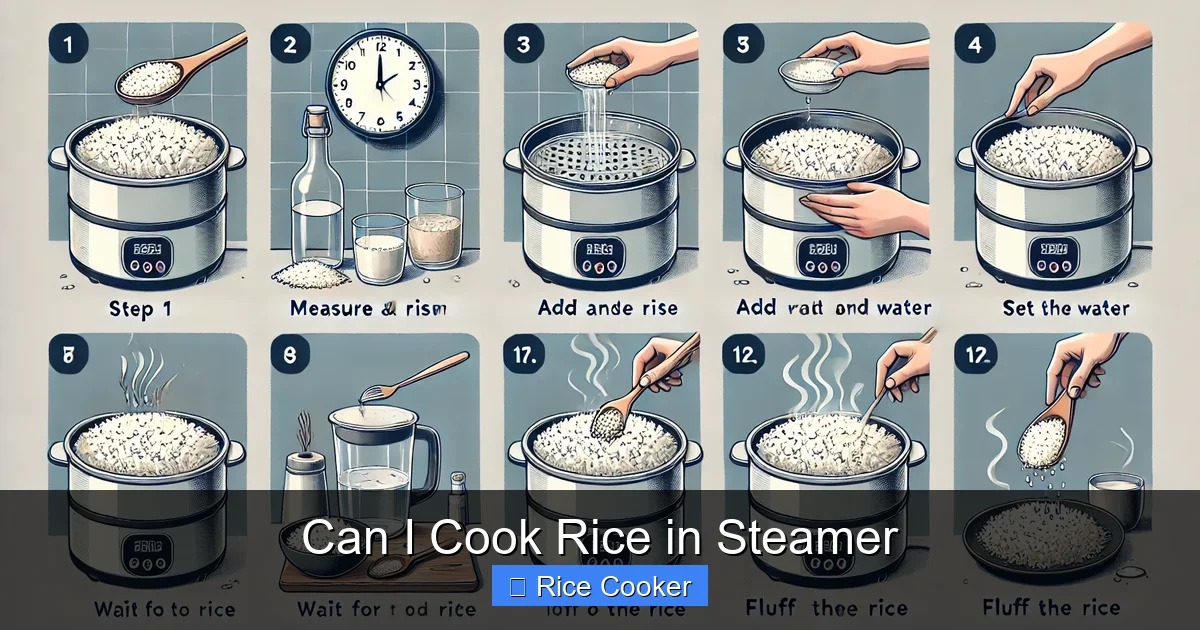
Can I cook rice in a steamer? Absolutely! Steaming is a simple, healthy way to cook rice that preserves nutrients and yields fluffy, non-sticky results. Whether you’re using a traditional bamboo steamer or an electric rice cooker with steaming functions, you can achieve delicious, restaurant-quality rice at home.
Key Takeaways
- Yes, you can cook rice in a steamer: Steaming rice is not only possible but often preferred for its gentle cooking method that retains moisture and flavor.
- Types of steamers work: From bamboo to electric models, various steamers can handle rice—just make sure they reach proper temperatures.
- Water level matters: Use the right amount of water—too little causes dryness; too much leads to mushy rice.
- Steaming time varies by grain: White rice typically takes 15–20 minutes; brown rice may need 30–40 minutes due to denser texture.
- Rice cookers with steam function are convenient: These appliances simplify the process with preset timers and consistent heat control.
- Steamed rice is healthier: No added fats or oils needed, making it ideal for low-fat diets and weight management.
- Cleanup is easy: Most steamer parts are dishwasher-safe, and there’s minimal residue compared to boiling.
[FEATURED_IMAGE_PLACEHOLDER]
# Can I Cook Rice in Steamer?
Have you ever wondered, “Can I cook rice in a steamer?” If so, you’re not alone. With so many cooking methods out there—boiling, frying, grilling—it’s natural to question whether steaming is up to the task when it comes to something as fundamental as preparing rice. The short answer? Yes, absolutely! In fact, steaming rice might just become your new favorite method.
Unlike boiling, which submerges rice in hot water, steaming uses moist heat from below, allowing the grains to absorb water gradually while staying intact. This results in fluffier, more aromatic rice without the risk of overcooking or sticking. Whether you’re using a classic bamboo steamer over a pot or a modern electric rice cooker with steaming capabilities, the process is straightforward and yields excellent results every time.
In this comprehensive guide, we’ll walk you through everything you need to know about cooking rice in a steamer—from choosing the right equipment to mastering timing and technique. You’ll also learn why steaming might be a better option than boiling for certain types of rice, how to avoid common mistakes, and even get creative with flavored steamed rice dishes. So grab your steamer and let’s dive in!
## Why Choose Steaming Over Boiling?
Many people default to boiling rice because it’s familiar and foolproof. But steaming offers several advantages that make it worth considering—especially if you’re aiming for perfect texture and nutrition retention.
### Health Benefits
One of the biggest perks of steaming rice is that it requires no added oil or fat. Unlike frying or sautéing, steaming keeps the dish light and clean. This makes it ideal for individuals watching their calorie intake or managing heart health. Additionally, steaming helps preserve water-soluble vitamins like B-complex, which can leach into boiling water.
### Texture Control
When boiled, rice can easily turn mushy or clump together if overcooked. Steaming gives you more control—grains stay separate and fluffy, especially important when serving alongside stir-fries, curries, or grilled meats. The gentle heat prevents the starches from breaking down excessively, resulting in a lighter mouthfeel.
### Flavor Preservation
Because steaming doesn’t involve direct contact with water, flavors remain concentrated within each grain. This is particularly noticeable with fragrant varieties like jasmine or basmati, whose subtle aromas shine brightest when cooked gently.
### Energy Efficiency
Steamers often use less energy than stovetop pots with lids, especially electric models designed specifically for steaming. Plus, once the water reaches a boil, the temperature remains steady without constant adjustments—saving both time and effort.
## Types of Steamers That Work for Rice
Not all steamers are created equal—and some are far better suited for cooking rice than others. Let’s explore the most effective options:
### Bamboo Steamers
Traditionally used in Asian households, bamboo steamers offer excellent breathability and natural antimicrobial properties. They’re lightweight, affordable, and perfect for steaming small batches (like one or two cups of rice). Just place them inside a pot with simmering water and cover tightly.
Tip: Line the bottom with cheesecloth or parchment paper to prevent rice from falling through the holes during cooking.
### Metal Steamer Inserts
These stainless steel or aluminum inserts fit snugly into standard stockpots. They distribute heat evenly and are great for larger quantities. Look for ones with tight-fitting lids and multiple tiers if you plan to cook multiple foods simultaneously (e.g., rice + dumplings).
### Electric Rice Cookers with Steaming Functions
Modern rice cookers often include dedicated steaming trays or compartments. These devices automate much of the process: add water, select the “steam” setting, and let the machine do the rest. Many come with sensors that detect doneness and shut off automatically.
Pro Tip: Always check your model’s manual—some require extra water in the base unit even when using the steaming tray.
### Microwave-Safe Steamer Bowls
For quick weekday meals, microwave-safe containers with vented lids can double as mini steamers. Simply add a tablespoon of water, cover loosely, and cook on high for 8–12 minutes, depending on quantity.
## How to Cook Rice in a Steamer: Step-by-Step Guide
Ready to try it yourself? Follow these simple steps for foolproof steamed rice:
### Step 1: Rinse Your Rice
Rinsing removes excess starch and any debris. Place your rice in a fine-mesh strainer and rinse under cold running water until the water runs clear. For white rice, 2–3 rinses usually suffice; brown rice may need slightly more due to its bran layer.
### Step 2: Measure Water Carefully
The water-to-rice ratio depends on the type of grain:
| Rice Type | Ratio (water:rice) | Notes |
|—————|——————–|——————————–|
| White Rice | 1:1.2 – 1:1.5 | Adjust based on desired softness |
| Brown Rice | 1:1.75 – 2 | Longer cook time required |
| Basmati/Jasmine| 1:1.5 | Aromatic grains prefer less water |
Use a measuring cup or kitchen scale for accuracy. Too little water = hard, chalky rice. Too much = soggy mess.
### Step 3: Add Rice and Water to Steamer Basket
Transfer rinsed rice to the steamer basket. Pour measured water into the base pot (not directly into the basket unless your setup allows it). Ensure the water level doesn’t touch the bottom of the basket—this prevents rice from absorbing unwanted flavors or burning.
### Step 4: Bring Water to a Boil
Place the steamer basket inside the pot, cover with a tight lid, and bring water to a rolling boil over medium-high heat.
### Step 5: Reduce Heat and Steam
Once boiling, reduce heat to maintain a steady simmer. Cooking times vary:
– White short-grain rice: 15–20 minutes
– Brown rice: 30–40 minutes
– Jasmine/Basmati: 18–22 minutes
Avoid lifting the lid frequently—each peek releases steam and extends cooking time unnecessarily.
### Step 6: Rest Before Fluffing
After turning off the heat, let the rice sit covered for 5–10 minutes. This allows residual steam to finish hydrating the grains evenly. Then gently fluff with a fork before serving.
## Troubleshooting Common Issues
Even experienced cooks run into hiccups now and then. Here’s how to fix the most frequent problems:
### Mushy or Sticky Rice
Cause: Overcrowding the steamer or using too much water.
Fix: Use fresh rice (stale grains absorb more liquid), measure water precisely, and ensure good airflow between baskets.
### Undercooked or Hard Core
Cause: Insufficient steaming time or low water levels.
Fix: Extend cooking time by 3–5 minutes next time, and always start with full water in the base pot.
### Burnt Base Pot
Cause: Running out of water or using too low heat initially.
Fix: Keep an eye on water levels, and preheat the pot before adding water to reduce evaporation.
### Rice Falling Through Holes
Cause: Using uncooked rice in a coarse mesh steamer.
Fix: Line the basket with muslin cloth or parchment paper as mentioned earlier.
## Creative Ways to Flavor Steamed Rice
Plain steamed rice is delicious on its own—but why stop there? Infusing flavors during steaming elevates even humble grains into gourmet sides.
### Herbed Steamed Rice
Add fresh herbs like parsley, cilantro, or thyme to the water before boiling. Alternatively, toss chopped greens into the steamer basket along with the rice for infused aroma.
### Coconut Milk Rice
Replace half the water with coconut milk for a creamy, tropical twist. Great with Thai or Indian dishes.
### Lemon Zest & Garlic Rice
Squeeze lemon juice into the water and add a clove of crushed garlic. Serve with fish or roasted vegetables.
### Saffron Rice
Soak a pinch of saffron threads in warm water for 10 minutes, then add to the cooking liquid. Garnish with toasted almonds and dried cranberries.
## Comparing Steamed vs. Boiled Rice
Let’s put both methods head-to-head:
| Feature | Steamed Rice | Boiled Rice |
|———————–|————————|————————|
| Texture | Fluffy, separate grains| Can be mushy or sticky |
| Nutrition Retention | Higher vitamin content | Some vitamins lost in water |
| Fat Content | Zero added fat | May require butter/oil |
| Cleanup Effort | Minimal residue | More starchy film on pot |
| Cooking Time | Similar | Slightly faster |
While boiled rice works well for soups or risottos where liquid absorption isn’t critical, steamed rice stands out for everyday side dishes.
## Frequently Asked Questions
Can I use any type of rice in a steamer?
Yes! Most common rice varieties—white, brown, jasmine, basmati, sushi—can be steamed successfully. Just adjust water ratios and times based on grain size and hull thickness.
Do I need special equipment?
No. Any steamer that reaches near-boiling temperatures will work. Even a microwave-safe bowl with a lid can serve as a makeshift steamer.
Is steamed rice healthier than fried rice?
Absolutely. Steamed rice contains no added fats or oils, making it significantly lower in calories and saturated fat. It’s also easier to digest for sensitive stomachs.
Why does my steamed rice taste bland?
This usually happens when flavors aren’t infused into the cooking liquid. Try adding bay leaves, ginger slices, or a splash of soy sauce to the water for depth.
Can I steam rice ahead and reheat it?
Yes, but store it properly: cool quickly, refrigerate in airtight containers, and reheat with a splash of water to restore moisture. Avoid microwaving without covering to prevent drying out.
Does steaming affect rice allergies?
Steaming doesn’t introduce new allergens, but cross-contamination is possible if shared utensils or surfaces weren’t cleaned thoroughly. Always wash hands and tools before handling allergen-sensitive foods.
## Final Thoughts
So, can I cook rice in a steamer? The answer is a resounding yes—and once you master the basics, you’ll likely find yourself reaching for your steamer more often than your pot. It’s a cleaner, healthier, and surprisingly versatile method that delivers consistent results with minimal fuss.
Whether you’re preparing a simple dinner for two or feeding a crowd, steaming rice ensures every grain is tender, fragrant, and perfectly textured. And the best part? No standing over a bubbling pot—just set it and forget it (almost)!
Give it a try tonight. Your taste buds—and your waistline—will thank you.
This is a comprehensive guide about can i cook rice in steamer.
Key Takeaways
- Understanding can i cook rice in steamer: Provides essential knowledge
Frequently Asked Questions
What is can i cook rice in steamer?
can i cook rice in steamer is an important topic with many practical applications.