
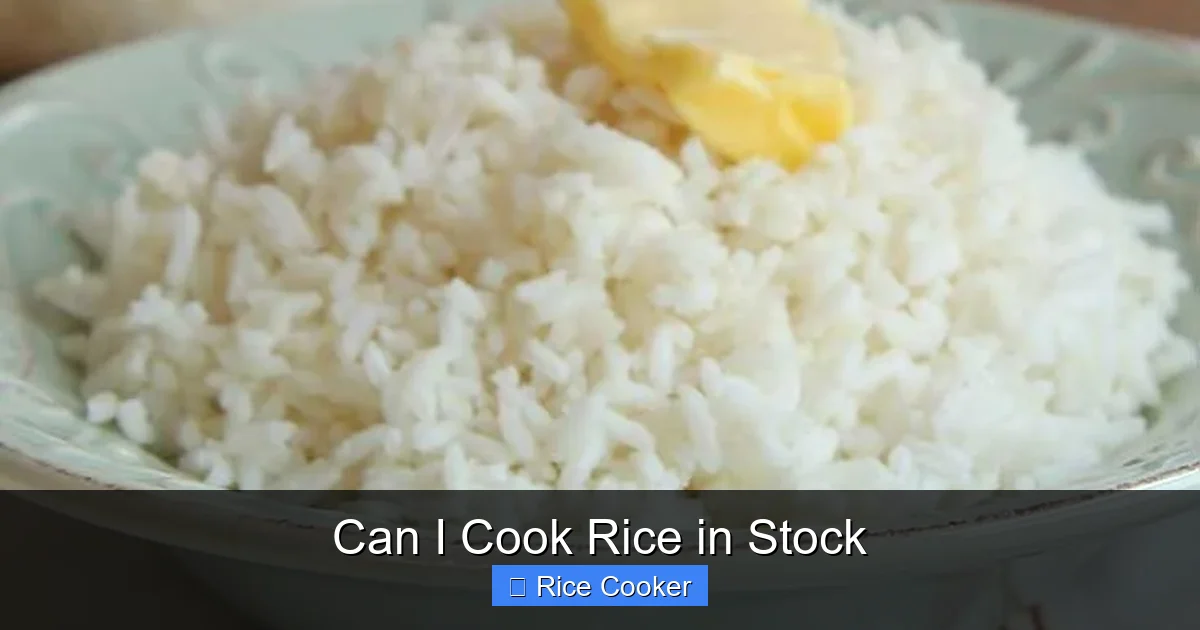
Can I cook rice in stock? Absolutely! Using broth instead of water adds incredible depth and flavor to your rice. Whether you’re making a savory pilaf or a fragrant risotto, swapping stock for water is a simple upgrade that makes all the difference. It’s especially great for one-pot meals and comfort food.
Have you ever wondered if you can cook rice in stock? The short answer is yes, and it’s a game-changer. Instead of plain water, using broth or stock as the cooking liquid transforms ordinary rice into something deeply flavorful and comforting. Whether you’re whipping up a side dish, building a hearty main course, or experimenting with global cuisines like paella or biryani, swapping out water for stock adds richness, aroma, and complexity that simply can’t be matched.
But why stop at yes? Let’s dive deeper into everything you need to know about cooking rice in stock—how it works, what kinds of stock to use, how to avoid common pitfalls, and creative ways to elevate your meals. By the end of this article, you’ll be ready to ditch plain water for good and embrace the delicious possibilities of cooking rice in stock.
Key Takeaways
- Flavor Boost: Cooking rice in stock instead of plain water infuses each grain with rich, savory notes from herbs, vegetables, and proteins.
- Versatility: You can use vegetable, chicken, beef, fish, or even bone broth—each brings a unique taste profile to your dish.
- Cooking Method Matters: Whether using a stovetop, rice cooker, or pressure cooker, adjusting liquid ratios ensures perfect texture and don’t forget to season well.
- Nutritional Benefits: Broth often contains collagen, minerals, and vitamins, adding nutritional value beyond just carbohydrates.
- Time-Saving Tip: Leftover stock? Freeze it into ice cube trays for quick additions to future rice dishes.
- Common Mistakes to Avoid: Don’t over-season early; balance salt and spices carefully since stock can be salty.
📑 Table of Contents
Why Cook Rice in Stock?
Cooking rice in stock isn’t just a trend—it’s a time-tested technique used in cultures around the world. From Spanish arroz caldoso (a rice soup made with chicken broth) to Indian biryanis simmered in spiced meat broth, chefs and home cooks alike swear by the results. But what exactly makes stock so special when it comes to cooking rice?
First, let’s talk about flavor. Water is neutral—it doesn’t add anything to your food except moisture. Stock, on the other hand, carries the essence of whatever it was made from: simmered bones, roasted vegetables, slow-cooked herbs, or aromatic spices. When you cook rice in this liquid, those flavors gently permeate each grain during the absorption process. The result? Every bite tastes more complex and satisfying than plain boiled rice.
Second, nutrition plays a role too. Homemade stocks—especially bone broths—are packed with collagen, amino acids, calcium, magnesium, and other trace minerals. While you won’t absorb all of these directly through the rice itself, using nutrient-rich stock contributes to a more wholesome meal overall. Plus, it reduces waste: instead of discarding leftover veggie scraps or bones, you turn them into flavorful base for your next pot of rice.
Finally, convenience matters. If you’re already making soup, stew, or roasted meats, why not save your cooking liquid? Strain it, cool it, and freeze portions for future rice dishes. That way, nothing goes to waste, and you always have a flavorful shortcut ready.
Types of Stock You Can Use for Cooking Rice
Not all stocks are created equal—and choosing the right one depends entirely on what kind of dish you’re preparing. Here’s a breakdown of popular options:
Chicken Stock
Made from simmered chicken bones, skin, and vegetables like carrots, celery, and onions, chicken stock offers a mild, slightly sweet flavor. It pairs beautifully with white rice, jasmine rice, or even brown rice. Perfect for risottos, fried rice, or Asian-inspired stir-fries.
Beef Stock
Rich and deeply savory, beef stock comes from bones and meat scraps cooked slowly with aromatics. Best suited for long-grain varieties like basmati or wild rice, it shines in pilafs, Mexican dishes like arroz rojo, or hearty grain bowls.
Vegetable Stock
A staple in vegetarian and vegan cooking, vegetable stock uses mushrooms, tomatoes, leeks, garlic, and herbs. Light yet flavorful, it works well with almost any rice type—especially when enhanced with soy sauce, miso, or smoked paprika.
Fish Stock
Derived from fish bones and shells, fish stock has a delicate briny quality. Ideal for Mediterranean or Japanese-style dishes like saffron-infused risotto or sushi rice cooked with dashi.
Bone Broth
Often considered a superfood, bone broth is simmered for hours (sometimes days) to extract collagen and minerals. Its gelatinous texture adds body to rice dishes, making it excellent for creamy risottos or nourishing grain bowls.
Store-Bought vs. Homemade
While store-bought stocks are convenient, they can contain added sodium, preservatives, or lack depth. Homemade stock allows full control over ingredients and seasoning. However, high-quality organic or artisanal brands (like Pacific Foods or Kettle & Fire) offer clean, tasty alternatives when homemade isn’t feasible.
How to Cook Rice in Stock Step-by-Step
Ready to try it yourself? Follow this foolproof method whether you’re using a stovetop, rice cooker, or instant pot.
Ingredients & Equipment
- Rice (white, brown, jasmine, basmati, etc.)
- Stock (warm or room temperature)
- Optional: butter, oil, salt, pepper, garlic, onions, herbs
- Pot with lid, rice cooker, or Instant Pot
Stovetop Method
1. Rinse your rice under cold water until the water runs clear to remove excess starch.
2. In a medium saucepan, heat 1 tablespoon of oil or butter over medium heat. Add diced onions, garlic, or other aromatics if desired.
3. Stir in rinsed rice and toast for 1–2 minutes until lightly golden (this builds flavor).
4. Pour in warm stock—use a 1:1 ratio for white rice, 1.5:1 for brown rice (check packaging guidelines).
5. Bring to a boil, then reduce heat to low, cover tightly, and simmer for 18–20 minutes (white rice) or 35–40 minutes (brown rice).
6. Remove from heat, let sit covered for 5–10 minutes, then fluff with a fork.
Rice Cooker Method
1. Measure rice and rinse thoroughly.
2. Add stock (same ratio as above) and any optional seasonings.
3. Select the appropriate setting (“White Rice” or “Brown Rice”), then press start.
4. Once done, keep the lid closed for 10 minutes to finish steaming.
Instant Pot / Pressure Cooker Method
1. Sauté rice with aromatics using the “Sauté” function.
2. Add warm stock and seal the lid.
3. Set to “Manual” or “Pressure Cook” for 4 minutes (white rice) or 12 minutes (brown rice).
4. Allow natural release for 10 minutes, then quick-release remaining pressure.
5. Open carefully, fluff, and serve.
Tips for Perfect Rice Cooked in Stock
Even with the right method, small adjustments make big differences. Here are pro tips to ensure fluffy, flavorful rice every time:
Use Warm Stock
Cold stock lowers the cooking temperature too quickly, potentially leading to mushy or unevenly cooked grains. Warm stock helps maintain consistent heat.
Don’t Overcrowd the Pan
Too much rice means poor heat distribution. Stick to a single layer and avoid stirring after adding stock—this prevents breaking grains.
Season Thoughtfully
Since many stocks are already salty, taste before adding extra salt. Enhance with black pepper, bay leaves, thyme, or citrus zest instead.
Toast the Rice First
Lightly browning rice in fat before adding liquid creates nutty undertones and improves texture. Skip this step only if you’re short on time.
Let It Rest
Always let rice sit covered after cooking. This allows steam to finish hydrating each grain evenly and makes fluffing easier.
Adjust Ratios Based on Texture Preference
For softer rice, increase liquid slightly. For firmer grains (like in sushi), reduce by 1–2 tablespoons.
Creative Ways to Use Stock-Cooked Rice
Once you master the basics, the culinary doors open wide. Here are inspiring ideas to take your stock-rice dishes to the next level:
One-Pot Meals
Combine cooked rice with sautéed mushrooms, spinach, sun-dried tomatoes, and a poached egg for a no-fuss breakfast bowl. Or mix with black beans, corn, and avocado for a Tex-Mex twist.
Global Flavors
Try Moroccan-spiced rice with saffron and almonds cooked in vegetable stock. Or make Greek lemon-oregano rice using chicken stock and fresh parsley.
Soups & Stews
Add cooked stock-rice directly into soups like minestrone or gumbo for heartiness without extra prep. It thickens gently and absorbs broth beautifully.
Fried Rice
Cool leftover rice, stir-fry with soy sauce, scrambled eggs, peas, and diced carrots—cooked in a bit of sesame oil. The residual moisture from the original stock keeps it tender.
Grain Bowls
Layer cooked rice over roasted sweet potatoes, kale, grilled chicken, and tahini dressing. Drizzle with extra stock while warm to enhance moisture.
Dessert Rice Pudding
Surprise yourself! Cook Arborio rice in coconut milk infused with cinnamon and cardamom. Swap water for almond milk or fruit juice stock for a sweet treat.
Troubleshooting Common Issues
Even experienced cooks run into hiccups. Here’s how to fix them:
Rice Stuck at Bottom of Pot
This usually happens when there’s insufficient liquid or the heat is too high. Always use enough stock, and consider adding a splash more if needed during cooking. Non-stick pots help prevent sticking.
Mushy or Gummy Texture
Overcooking causes this. Check rice 2–3 minutes before the timer ends. Also, avoid lifting the lid frequently—steam escapes and slows cooking.
Bitter or Strong Flavor
Too much salt or bitter herbs (like burnt onion skins) can ruin the dish. Taste midway and adjust. Always strain stock before using to remove solids that might impart harsh tastes.
Rice Too Dry
If rice feels dry after resting, it likely didn’t absorb enough liquid. Add 1–2 tablespoons of warm stock, cover, and steam for 3–5 more minutes.
Uneven Cooking
Old rice or improper rinsing can lead to some grains crunchy while others soft. Use fresh rice, rinse well, and ensure uniform size.
Frequently Asked Questions
Can I substitute water with vegetable juice when cooking rice?
Absolutely! Vegetable juice adds vibrant color and subtle sweetness. Just note that some juices (like tomato) may alter the final flavor significantly. Test small batches first.
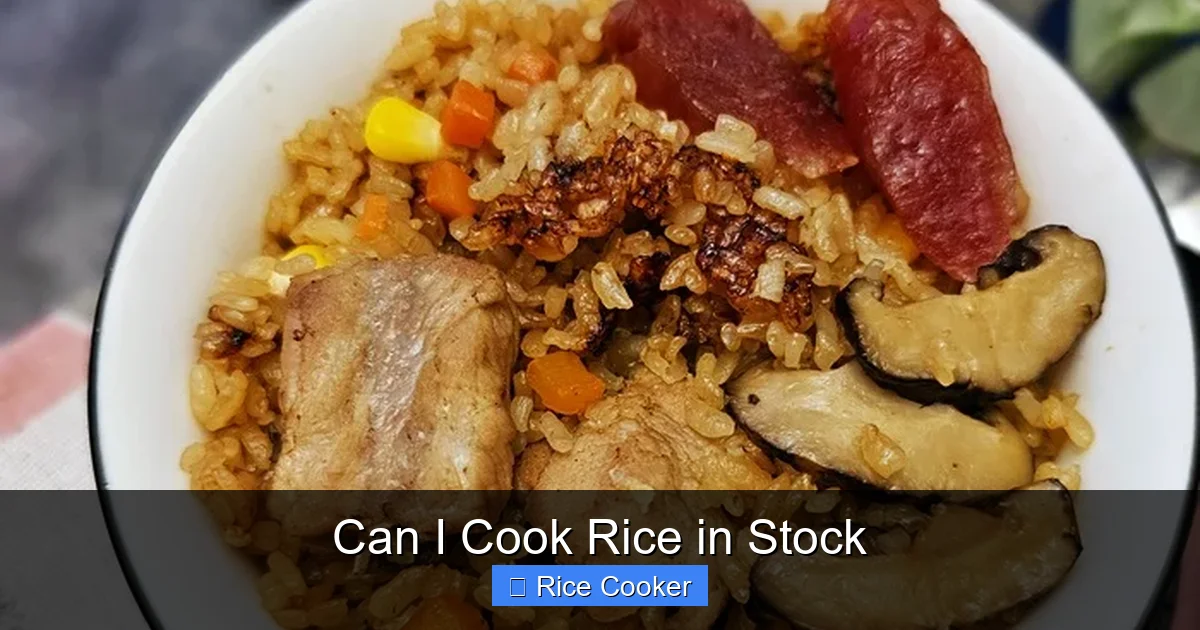
Visual guide about Can I Cook Rice in Stock
Image source: choiyen.com
Is it safe to reuse stock for multiple rice dishes?
Yes, but only once. Repeated boiling can degrade nutrients and concentrate impurities. Fresh stock yields the best results.
Does cooking rice in stock change its glycemic index?
No significant change occurs. However, pairing stock-rice with protein or fiber-rich sides can help stabilize blood sugar levels.
Can I freeze cooked rice made with stock?
Yes! Cool completely, portion into containers, and freeze for up to 3 months. Reheat with a splash of water or stock to restore moisture.
Will using stock make my rice too salty?
Possibly, depending on the stock. Always taste before salting. Unsalted stock is available at most grocery stores for better control.
What’s the difference between stock and broth when cooking rice?
Technically, stock comes from bones and is richer in collagen; broth is made from meat and vegetables. Both work wonderfully—use whichever you prefer!
Conclusion
So, can you cook rice in stock? Without a doubt—yes! And now that you know how, why, and when to do it, there’s no going back to plain water. Whether you’re looking to save time, reduce waste, boost nutrition, or simply make dinner more exciting, cooking rice in stock is a simple yet powerful upgrade.
From beginner-friendly one-pot meals to elegant global recipes, the versatility of this technique opens up endless possibilities. Experiment with different stocks, seasonings, and textures until you find your favorite combination. Remember: the key is balance—flavor without overpowering, moisture without sogginess.
Next time you reach for that pot of boiling water, pause. Grab your favorite stock instead. Your taste buds (and your guests) will thank you.
Frequently Asked Questions
Can I substitute water with vegetable juice when cooking rice?
Yes! Vegetable juice adds color and subtle sweetness. Use sparingly and test small batches first, as strong flavors like tomato or beet may dominate the dish.
Is it safe to reuse stock for multiple rice dishes?
It’s generally not recommended. Reusing stock increases the risk of bacterial growth and concentrates impurities. For best results, use fresh stock each time.
Does cooking rice in stock change its glycemic index?
No major change occurs. However, combining stock-cooked rice with lean protein or healthy fats can help regulate blood sugar response.
Can I freeze cooked rice made with stock?
Yes! Cool completely, portion into airtight containers, and freeze for up to 3 months. Reheat gently with a splash of water or broth to restore moisture.
Will using stock make my rice too salty?
Possibly. Many store-bought stocks are high in sodium. Opt for unsalted versions or dilute with more liquid and adjust seasoning to taste.
What’s the difference between stock and broth when cooking rice?
Stock is made from bones and simmered for hours, yielding a gelatinous, nutrient-rich liquid. Broth comes from meat and vegetables and is lighter. Both work excellently in rice dishes.