
Cooking rice pudding in a rice cooker is not only possible—it’s one of the easiest ways to achieve a creamy, rich dessert without constant stirring. The rice cooker does most of the work, saving you time and effort while delivering consistent, delicious results. With just a few simple steps, you can enjoy a warm, spiced treat that’s perfect for any occasion.
Key Takeaways
- Yes, it works: A rice cooker is fully capable of cooking rice pudding—its automated cycle mimics traditional slow-cooking methods.
- Minimal supervision needed: Once ingredients are added, the rice cooker handles boiling, simmering, and steaming on its own.
- Customizable flavors: Add cinnamon, vanilla, raisins, or nuts to tailor your rice pudding to your taste.
- Texture control: Adjust water-to-rice ratios to make your pudding thicker or creamier.
- No special settings required: Use the standard “Cook” or “Rice” mode—no need for advanced functions.
- Perfect for meal prep: Cook a batch ahead for breakfasts or snacks with reheating ease.
📑 Table of Contents
- Can I Cook Rice Pudding in a Rice Cooker? Absolutely!
- Why Choose a Rice Cooker for Rice Pudding?
- Basic Ingredients and Ratios for Rice Pudding
- Step-by-Step Guide: How to Make Rice Pudding in a Rice Cooker
- Troubleshooting Common Issues
- Variations and Creative Twists
- Tips for Perfect Results Every Time
- Conclusion
Can I Cook Rice Pudding in a Rice Cooker? Absolutely!
Have you ever craved a warm, creamy bowl of rice pudding but didn’t want to stand over the stove stirring it for an hour? If so, your rice cooker might be the unsung hero you didn’t know you needed. Yes—you read that right—you can cook rice pudding in a rice cooker. In fact, many home cooks swear by this method for its simplicity and consistency. The rice cooker’s ability to maintain steady heat and automate the cooking process makes it ideal for turning plain rice into a luscious dessert with minimal effort.
Rice pudding has long been a comfort food staple across cultures, from creamy Italian riso al latte to the spiced version popular in the Southern United States. Traditionally, it’s made by simmering rice in milk or cream with sugar, spices like cinnamon and nutmeg, and sometimes fruit or nuts. But why limit yourself to stovetop-only recipes when modern kitchen appliances like rice cookers can do the heavy lifting? With just a few adjustments to your usual method, you can transform your rice cooker into a dessert-making machine. Whether you’re new to rice pudding or a seasoned pro, this guide will walk you through everything you need to know—from ingredients to troubleshooting—so you can make foolproof rice pudding every time.
Why Choose a Rice Cooker for Rice Pudding?
If you’ve ever made rice pudding on the stove, you know how finicky it can be. Too much heat causes the milk to scorch or boil over; too little, and the rice remains undercooked while the mixture dries out. Stirring constantly is tedious, especially when you’re trying to multitask or relax after a long day. That’s where the rice cooker shines—it eliminates guesswork and frees up your time.
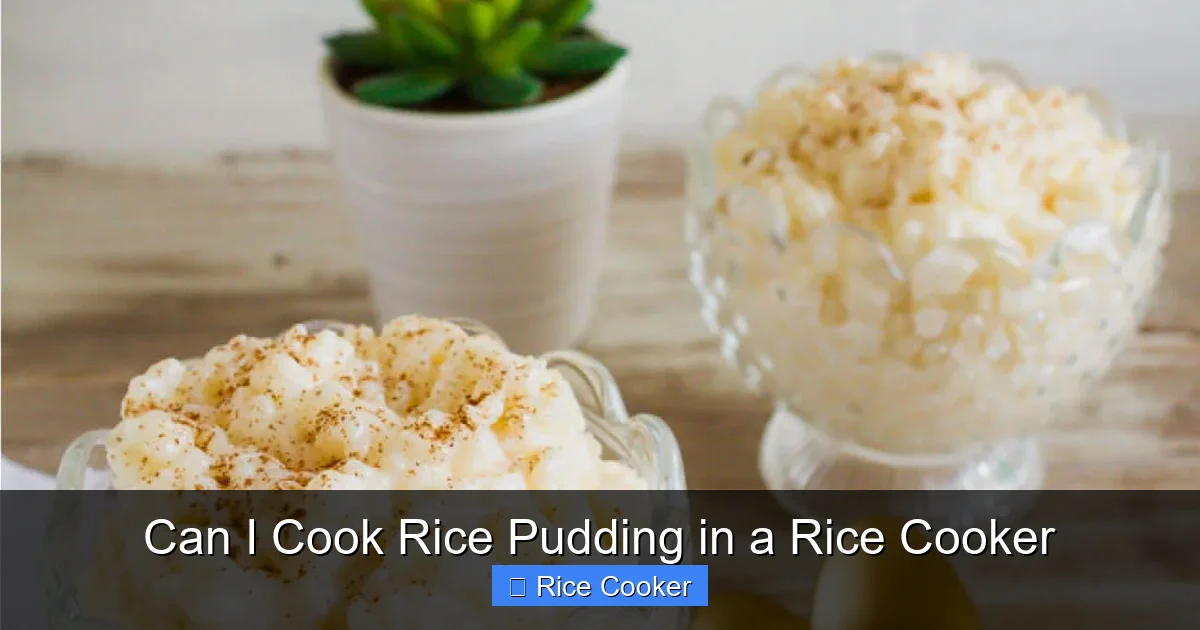
Visual guide about Can I Cook Rice Pudding in a Rice Cooker
Image source: thirtyhandmadedays.com
Consistent Heat Control
Unlike the stove, which requires manual adjustments to temperature, a rice cooker maintains a steady internal environment. Most models have a built-in thermostat that keeps the contents at just the right level—hot enough to cook the rice thoroughly but not so hot that it burns the bottom. This consistency is crucial for rice pudding, which relies on gradual thickening as the rice absorbs liquid and releases starch.
Hands-Off Convenience
Once you add your ingredients, you can set it and forget it. Modern rice cookers often come with delay timers, so you can prepare everything the night before and have warm pudding ready in the morning. Some even have a “Keep Warm” function that maintains the perfect serving temperature without drying out the dessert.
Energy Efficiency
Rice cookers use less energy than stovetops, making them a greener choice—especially if you’re cooking in small batches. Plus, they don’t require active monitoring, so you save on both electricity and mental energy.
Basic Ingredients and Ratios for Rice Pudding
Making rice pudding in a rice cooker starts with choosing the right ingredients and proportions. While recipes vary, the core components remain the same: rice, liquid (usually milk), sweetener, flavorings, and optional mix-ins like fruit or nuts. Getting the ratio right ensures the final texture is creamy and satisfying—not dry or soupy.
Recommended Rice Types
Short-grain rice works best for rice pudding because it’s starchy and tends to absorb liquid well, resulting in a softer, creamier texture. Arborio rice (common in risotto) is an excellent choice, as is sushi rice or even leftover cooked white rice. Avoid long-grain varieties like basmati or jasmine, which stay fluffy and separate rather than melting into a cohesive pudding.
Liquid Base: Milk vs. Cream
Traditionally, rice pudding uses whole milk, but feel free to mix in heavy cream for extra richness. For dairy-free options, try almond, oat, or coconut milk. Just note that plant-based milks may lack the fat content needed for a truly decadent texture, so you might need to add a bit more cream or butter.
Sugar and Sweeteners
Granulated sugar is standard, but brown sugar adds depth and moisture. You can also use honey or maple syrup for a natural sweetness, though these may caramelize faster during cooking. Keep in mind that sweeteners affect cooking time slightly—monitor the pudding toward the end if using alternatives.
Flavor Enhancers
Cinnamon is the classic spice, but nutmeg, cardamom, or even a splash of vanilla extract elevate the flavor profile. For a twist, try adding orange zest or a pinch of salt to balance the sweetness.
Mix-Ins
Raisins, dried cranberries, chopped apricots, or toasted nuts like almonds and walnuts add texture and surprise. Cook these in separately if you prefer them soft, or fold them in at the end for crunch.
Step-by-Step Guide: How to Make Rice Pudding in a Rice Cooker
Ready to get started? Follow these simple steps to make perfect rice pudding using your rice cooker. This method works for most standard models—whether you have a basic white rice cooker or one with multiple settings.
Step 1: Prepare Your Ingredients
Gather all your ingredients before starting. Measure out your rice, milk, sugar, and any flavorings. If using fresh fruit or nuts, chop them finely. Having everything ready ensures a smooth cooking process.
Step 2: Rinse the Rice (Optional)
While not always necessary, rinsing short-grain rice removes excess starch and prevents clumping. Place the rice in a fine-mesh strainer and rinse under cold water until the water runs clear. Drain well before adding to the cooker.
Step 3: Combine Ingredients in the Cooker
Add the rinsed (or unrinsed) rice, milk, sugar, and any spices to the inner pot of the rice cooker. Stir gently to combine. If you’re using vanilla extract or another liquid flavoring, add it now.
Step 4: Set the Cooking Mode
Most rice cookers have a “Cook” or “White Rice” setting. Select this mode—there’s no need for a special dessert function (though newer models may offer one). Close the lid and press start.
Step 5: Wait and Let It Do Its Thing
The cooking time varies depending on your rice cooker model and rice type, but expect anywhere from 30 to 50 minutes. The machine will automatically switch to “Keep Warm” once done. Resist the urge to open the lid frequently—this lets heat escape and can affect texture.
Step 6: Check and Adjust Texture
After the cycle ends, let the pudding sit for 5–10 minutes. Then check the consistency. If it’s too thick, stir in a splash of milk or water. If it’s too thin, return it to the cooker and let it warm for another 10–15 minutes on “Keep Warm”—the residual heat will continue thickening it slightly.
Step 7: Serve Immediately or Store
For best results, serve warm. Top with extra cinnamon, a dollop of whipped cream, or a sprinkle of nuts. Leftovers store well in the fridge for up to 5 days. Reheat gently in the microwave or on the stovetop, adding a little milk if needed.
Troubleshooting Common Issues
Even with the best intentions, things can go wrong. Don’t worry—most issues are easily fixable with a few adjustments. Here’s how to handle the most common problems when making rice pudding in a rice cooker.
Pudding Is Too Thick or Starchy
This usually happens if there’s too much rice or too little liquid. To fix it, stir in additional milk or cream gradually until you reach your desired consistency. You can also chill the pudding and rehydrate it with a bit of warm milk later.
Bottom Burns or Scorches
Some rice cookers have hot spots or insufficient water circulation. Try adding a tablespoon of butter or oil to the liquid base—this creates a barrier between the rice and the heating element. Also, avoid overfilling the pot beyond the recommended capacity.
Pudding Doesn’t Get Creamy Enough
Rice cookers don’t stir like stovetop pots, so the top layer can remain less creamy. To improve texture, mash the top gently with a fork before serving. Alternatively, blend half the pudding briefly (carefully!) to create a smoother layer.
Milk Boils Over
This is rare in rice cookers due to their enclosed design, but it can happen with very high liquid levels. Always leave at least an inch of space between the liquid and the lid. If it does boil over, turn off the cooker immediately and wipe away excess liquid to prevent damage.
Rice Sticks to the Bottom
Ensure your inner pot is clean and non-stick. If rice still sticks, try pre-soaking the grains in milk for 15–20 minutes before cooking. This helps them cook evenly and reduces adhesion.
Not Enough Flavor
If your pudding tastes bland, remember that rice cookers operate at lower temperatures than stovetops, so flavors develop more slowly. Increase spice quantities slightly or steep them in the milk before adding the rice. Vanilla extract should be added early, as heat can diminish its aroma.
Variations and Creative Twists
Once you’ve mastered the basics, don’t be afraid to experiment. Rice pudding is incredibly versatile—here are some delicious variations to try next time.
Chocolate Rice Pudding
Add 2–3 tablespoons of cocoa powder along with the sugar. For extra indulgence, fold in chocolate chips after the cooking cycle ends. Serve with a drizzle of melted chocolate.
Fruit-Infused Pudding
Cook diced apples or pears with a cinnamon stick in the milk before adding the rice. Remove the cinnamon stick before proceeding. The fruit will soften and blend into the pudding, creating layers of flavor.
Spiced Indian Kheer
Inspired by South Asian desserts, kheer uses cardamom, saffron, and condensed milk. Substitute regular milk with condensed milk and add a pinch of saffron strands soaked in warm milk. Garnish with chopped pistachios.
Browned Butter Rice Pudding
Melt butter in a pan until golden and nutty. Stir in the rice and toast it lightly before transferring to the cooker. This adds a deep, savory richness that balances the sweetness.
Vegan Rice Pudding
Use fortified oat milk or coconut milk instead of dairy. Add a tablespoon of cornstarch mixed with water to help thicken the pudding. Sweeten with maple syrup or agave.
Breakfast Rice Pudding
Top with fresh berries, a sprinkle of granola, and a dash of honey. Eat cold or reheated—it makes a great grab-and-go breakfast.
Tips for Perfect Results Every Time
Want your rice pudding to be consistently amazing? These expert tips will take your game to the next level.
- Use room-temperature milk: Cold milk can shock the system and extend cooking time. Let it sit out for 30 minutes before use.
- Don’t skip the sugar: Sugar not only sweetens but also helps the pudding set and develop browning during cooking.
- Stir once halfway through: Even though the cooker doesn’t stir, giving the mixture a gentle stir after 15–20 minutes helps distribute heat and prevent sticking.
- Let it rest: After cooking, allow the pudding to sit covered for 10 minutes. This allows the rice to finish absorbing liquid and improves texture.
- Clean your cooker promptly: Rice pudding can leave sticky residue. Clean the inner pot immediately with warm, soapy water—don’t let it sit overnight.
Conclusion
So, can you cook rice pudding in a rice cooker? Absolutely—and doing so opens up a world of convenience without sacrificing flavor or texture. Whether you’re a busy parent, a college student, or someone who simply loves easy desserts, the rice cooker offers a reliable, hands-off way to enjoy this timeless treat. With just a handful of ingredients and a few simple steps, you can whip up a creamy, comforting pudding that rivals any stove-made version.
What sets this method apart is its adaptability. From classic cinnamon and raisin to bold chocolate or exotic kheer, the possibilities are endless. And because the rice cooker handles the hard part—maintaining consistent heat—you get professional-quality results with zero stress. So next time you’re craving something warm and soothing, reach for your rice cooker. Your taste buds (and your schedule) will thank you.
Frequently Asked Questions
Can I use instant rice to make rice pudding in a rice cooker?
Yes, but short-grain rice works better for creaminess. Instant rice cooks faster and can become mushy if overcooked. Stick to arborio or sushi rice for best results.
How long does rice pudding take to cook in a rice cooker?
Most rice puddings take between 30 and 50 minutes on the “Cook” setting, depending on your model and rice type. Always refer to your cooker’s manual for specific timing.
Do I need to add water to rice pudding in a rice cooker?
Usually not—milk provides enough liquid. However, if your cooker tends to dry out, you can add up to ¼ cup of water or extra milk to adjust consistency.
Can I make rice pudding ahead of time?
Absolutely. Cook it the night before and store in the fridge for up to 5 days. Reheat gently in the microwave or on the stovetop, adding a splash of milk if needed.
Is it safe to leave rice pudding in the “Keep Warm” setting all night?
It’s generally safe for a few hours, but prolonged exposure to warm temperatures can promote bacterial growth. Best to consume within 24 hours and reheat thoroughly.
Can I freeze rice pudding made in a rice cooker?
Yes, but texture may change upon thawing—it can become grainy or separated. Freeze in airtight containers for up to 2 months. Thaw in the fridge and stir well before serving.