
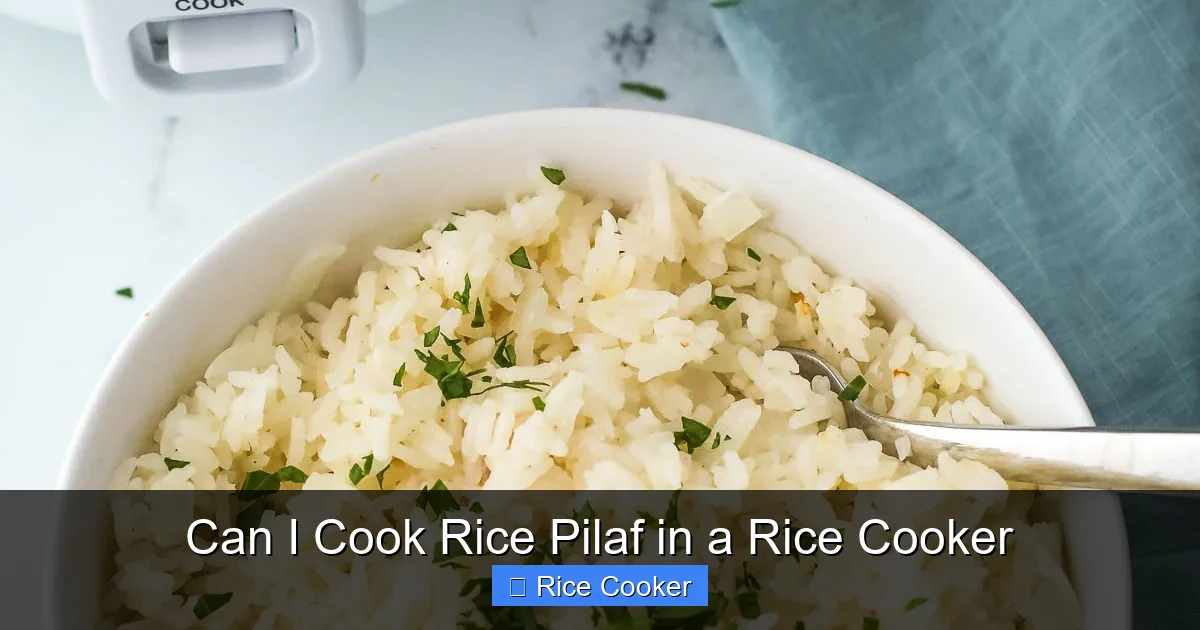
Can I cook rice pilaf in a rice cooker? Absolutely! With the right ingredients and technique, your rice cooker can do more than just plain white rice—it can create rich, aromatic pilaf that’s perfect for sides, main dishes, or grain bowls. In this guide, we’ll walk you through everything from choosing the right rice to seasoning like a pro, so you get restaurant-quality results at home. Whether you’re new to pilaf or just curious about your appliance’s full potential, this article has you covered.
Key Takeaways
- Yes, rice cookers can make rice pilaf: With a few adjustments, your rice cooker handles pilaf just as well as stovetop methods.
- Use long-grain rice for best results: Basmati, jasmine, or American long-grain work great for pilaf texture and aroma.
- Toast the rice first: Sautéing dry rice in butter or oil before adding liquid deepens flavor and adds nuttiness.
- Follow the 1:1.5 to 1:2 water-to-rice ratio: Adjust slightly depending on rice type and desired consistency.
- Add flavors gradually: Incorporate onions, garlic, broth, herbs, or spices during the cooking process for richer taste.
- Let it rest after cooking: Resting helps redistribute moisture and fluff up the grains without stirring.
- Clean your cooker properly: Always rinse the inner pot and wipe sensors to ensure consistent performance over time.
📑 Table of Contents
- Introduction: Why Rice Pilaf Belongs in Your Rice Cooker
- The Science Behind Perfect Rice Pilaf
- Choosing the Right Rice Cooker for Pilaf
- Step-by-Step Guide: How to Make Rice Pilaf in a Rice Cooker
- Tips for Customizing Your Rice Pilaf
- Common Mistakes to Avoid
- Cleaning and Maintaining Your Rice Cooker
- Conclusion: Your Rice Cooker Is More Than Meets the Eye
Introduction: Why Rice Pilaf Belongs in Your Rice Cooker
Rice isn’t just food—it’s comfort, culture, and creativity all wrapped in one bowl. And when it comes to elevating humble grains into something truly special, rice pilaf stands out. Unlike plain boiled rice, pilaf is sautéed in fat (usually butter or oil), then simmered in seasoned liquid—giving it layers of flavor, a golden color, and a satisfyingly fluffy yet distinct bite. Traditionally made on the stovetop with careful attention to timing and heat control, pilaf might seem too fussy for modern appliances… but what if we told you your rice cooker is more capable than you think?
Enter the rice cooker: a kitchen workhorse designed for simplicity and consistency. While many assume it only handles basic white or brown rice, today’s models—especially programmable and multi-function ones—can handle everything from quinoa to risotto to yes, delicious pilaf. The key lies not in overhauling your appliance, but in adapting your technique slightly.
So, can you cook rice pilaf in a rice cooker? The short answer is a confident yes. But to unlock that golden, fragrant goodness, you’ll need to understand how to tweak your usual method. From selecting the right rice to mastering the art of toasting without burning, we’re breaking down every step so you can turn your trusty rice cooker into a pilaf-making powerhouse.
Whether you’re preparing a holiday feast, meal prepping lunches, or simply craving something beyond plain rice, this guide will show you exactly how to do it. Let’s dive in!
The Science Behind Perfect Rice Pilaf
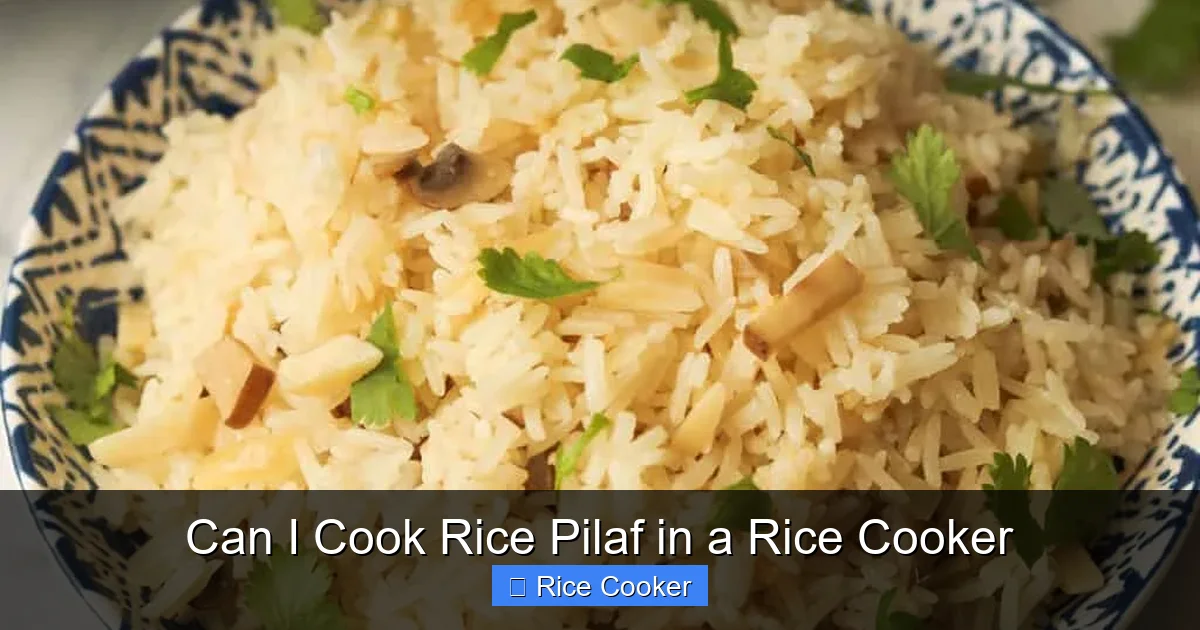
Visual guide about Can I Cook Rice Pilaf in a Rice Cooker
Image source: apeachyplate.com
Before jumping into recipes, it helps to understand why pilaf tastes so different—and how your rice cooker plays a role in that magic.
Unlike boiling rice where grains absorb water uniformly, pilaf relies on slow absorption with initial searing. When you toast dry rice in fat, the outer layer caramelizes slightly, creating tiny pockets that trap steam and flavor. This step is crucial because it prevents the rice from becoming mushy and gives each grain its signature chew and nutty aroma.
Your rice cooker mimics this process beautifully—if you follow a few smart steps. Most rice cookers have a “keep warm” function and precise temperature control, which means they can hold heat long enough for the rice to toast lightly before switching to simmer mode. However, not all cookers are created equal. Some older or simpler models may lack the sensitivity to detect when the water has been fully absorbed, leading to undercooked or overcooked batches.
That’s why choosing the right type of rice matters. Long-grain varieties like basmati or jasmine are ideal because they stay separate when cooked, hold their shape, and soak up flavors evenly. Short-grain or sticky rice, by contrast, tends to clump and becomes gluey—not what you want for pilaf.
Another secret? Flavor infusion starts early. Adding aromatics like diced onion, garlic, or even smoked paprika during the toasting phase ensures every bite carries that depth you love in traditional pilaf.
Why Not Just Use Any Rice?
You might wonder: “If my rice cooker makes great plain rice, why change the recipe?” Great question! Plain rice is simple and reliable, but pilaf offers complexity. It’s especially useful in dishes like chicken and rice casseroles, stuffed peppers, or Mediterranean bowls where you want the grain to stand out—not disappear into other ingredients.
Moreover, using a rice cooker for pilaf reduces cleanup. No constant stirring, no risk of scorching on the bottom of a heavy pan. Just toss everything in, press a button, and let science do the work.
Choosing the Right Rice Cooker for Pilaf
Not every rice cooker is suited for pilaf—but most modern ones are. Here’s how to tell if yours qualifies:
Look for These Features
- Fuzzy Logic Technology: Found in higher-end models (like Zojirushi or Cuckoo), this system adjusts heating based on real-time conditions—perfect for variable absorption rates during pilaf.
- Keep Warm Function: Essential for holding cooked pilaf without drying it out.
- Timer & Delay Start: Handy if you’re meal-prepping—just load it before bed and wake up to warm, ready-to-eat pilaf.
- Nonstick Inner Pot: Makes cleaning easy and ensures rice doesn’t stick during toasting.
Models That Excel at Pilaf
– Zojirushi NS-ZCC10: Top-rated for versatility, including pilaf settings.
– Cuckoo CRP-DP1059FB: Offers multiple menu options, including mixed grain and pilaf modes.
– Ninja Rice Cooker & Steamer: Affordable and surprisingly effective with its steam-fry function.
Even basic rice cookers can work—you just need to monitor closely and adjust ratios slightly. The goal is consistent moisture and gentle heat throughout.
Step-by-Step Guide: How to Make Rice Pilaf in a Rice Cooker
Ready to try it? Follow these foolproof steps for foolproof results:
Gather Your Ingredients
– 1 cup long-grain rice (basmati recommended)
– 2 cups liquid (water, broth, or a mix)
– 2 tbsp butter or olive oil
– 1 small onion, finely diced
– 2 cloves garlic, minced
– Salt and pepper to taste
– Optional: bay leaf, cumin, turmeric, or fresh herbs
Step 1: Prep the Rice
Rinse the rice under cold water until the water runs clear. This removes excess starch and prevents gumminess. Drain thoroughly.
Step 2: Toast in the Cooker
Add butter/oil to the inner pot. Turn on the rice cooker to “Warm” or low heat. Once hot, add the drained rice and stir constantly for 2–3 minutes until grains are lightly golden and fragrant. Then add onions and garlic; cook for another minute until soft.
Step 3: Add Liquid & Seasonings
Pour in your liquid (broth adds richness!), add salt, pepper, and any spices. Give it a quick stir, then close the lid and select “Cook” or “White Rice” mode.
Step 4: Let It Do Its Thing
The cooker will automatically switch to “Keep Warm” once done. Resist the urge to open the lid—steam builds pressure and affects texture.
Step 5: Fluff and Serve
After 10 minutes of resting, gently fluff with a fork. Discard any bay leaves, then serve warm.
Pro Tip: For extra richness, stir in a splash of lemon juice or parsley before serving.
Tips for Customizing Your Rice Pilaf
Pilaf is incredibly flexible. Here’s how to level it up:
Make It Vegetarian or Vegan
Skip the butter and use coconut oil or avocado oil instead. Swap chicken broth for vegetable stock. Add roasted carrots, peas, or mushrooms during the last 5 minutes of cooking.
Add Protein
Fold in cooked chickpeas, shredded rotisserie chicken, or crumbled feta cheese at the end. You can also cook sausage or bacon alongside the onions for smoky depth.
Go Global
Try Middle Eastern-style with cinnamon and almonds, Indian-inspired with curry leaves and mustard seeds, or Mexican with lime and cilantro.
Spice It Up
Smoked paprika, turmeric, or harissa paste can transform a basic pilaf into a bold side dish. Just remember: less is more when introducing new flavors.
Common Mistakes to Avoid
Even with the best tools, mistakes happen. Watch out for these pitfalls:
Using Too Much Liquid
Too much water = soggy rice. Stick to a 1:1.5 ratio for basmati; reduce slightly for jasmine.
Skipping the Toasting Step
This is non-negotiable for authentic pilaf flavor. Without it, your rice will taste flat.
Opening the Lid Too Early
Steam escapes, cooling the cooker and ruining the final texture. Wait until the cycle completes.
Not Rinsing the Rice
Unrinsed rice leads to clumping and uneven cooking.
Overcooking During Keep Warm
Limit keep-warm time to 30–60 minutes max to avoid drying.
Cleaning and Maintaining Your Rice Cooker
After making pilaf, clean your cooker promptly. Remove the inner pot and wash with warm soapy water—never submerge the base. Wipe the exterior and sensor area with a damp cloth. Regular maintenance ensures consistent performance and extends lifespan.
Store the inner pot separately if storing long-term to prevent rust or odor buildup.
Conclusion: Your Rice Cooker Is More Than Meets the Eye
So, can you cook rice pilaf in a rice cooker? Without a doubt. It might take a little practice and the right approach, but once you get the hang of it, you’ll be amazed at how versatile and efficient your appliance really is. No more standing over a hot stove, stirring constantly—just set it and forget it (almost).
From holiday dinners to busy weeknights, rice pilaf brings warmth, flavor, and elegance to any table. And now, thanks to this simple adaptation, you can enjoy it anytime with minimal effort.
Give it a try tonight. Start with our basic recipe, then experiment with your favorite herbs and spices. Before long, you’ll be calling yourself the “pilaf pro.” Happy cooking!
Frequently Asked Questions
Can any type of rice be used for pilaf in a rice cooker?
Long-grain rice like basmati or jasmine works best because they remain separate and absorbent. Short-grain or wild rice can be used but may require adjustments to water ratio and cooking time.
Do I need special settings on my rice cooker to make pilaf?
No special setting is required. Use the standard “Cook” or “White Rice” mode after toasting the rice in fat. The key is proper ingredient prep and timing.
How much liquid should I use per cup of rice?
Aim for 1.5 to 2 cups of liquid per 1 cup of rice. Adjust based on rice variety—basmati typically needs more liquid than jasmine due to longer grain length.
Can I add vegetables or meat directly in the rice cooker?
Yes! Add soft vegetables like peas or carrots during the last 5 minutes of cooking. For meats, cook them alongside onions before adding rice and liquid.
Will my rice cooker burn the pilaf if left unattended?
Modern rice cookers have safety features that prevent burning. However, always monitor during the initial toasting phase and avoid overcrowding the pot.
How do I store leftover rice pilaf?
Refrigerate in an airtight container for up to 5 days. Reheat gently in a microwave or skillet with a splash of water to restore moisture.