
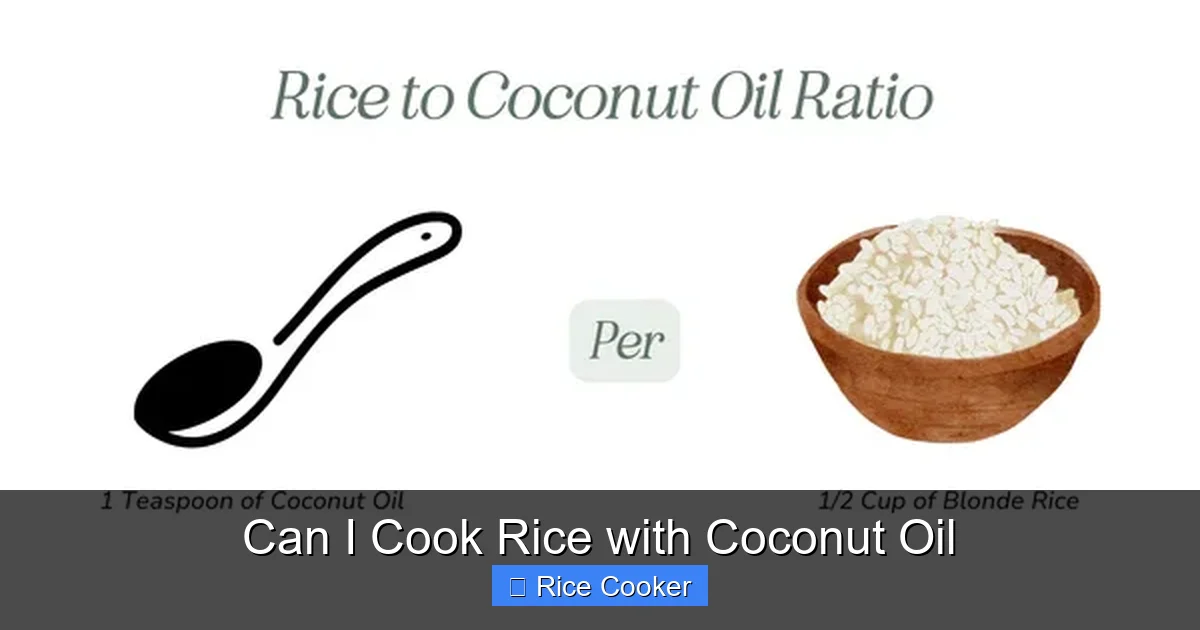
Can I cook rice with coconut oil? Absolutely! Using coconut oil when cooking rice not only enhances the flavor but also adds heart-healthy fats and a touch of sweetness. Whether you’re using a rice cooker or stovetop method, swapping out regular oil for coconut oil is easy, delicious, and nutritious. This simple swap transforms plain white or brown rice into a fragrant, golden dish that pairs beautifully with curries, stir-fries, and more.
Key Takeaways
- Coconut oil is safe and effective for cooking rice. It has a high smoke point and rich flavor that enhances the dish without overpowering it.
- It adds nutritional benefits. Coconut oil contains medium-chain triglycerides (MCTs) that may support metabolism and brain health.
- It helps achieve fluffier rice. The fat coats the grains, reducing stickiness and improving texture.
- Perfect for both white and brown rice. Works well with long-grain, basmati, jasmine, and even instant varieties.
- Easy to incorporate into any rice cooker model. Just replace butter or vegetable oil in your recipe.
- Adds a subtle tropical aroma. Ideal for dishes where you want a hint of coconut flavor without being too sweet.
📑 Table of Contents
- Can I Cook Rice with Coconut Oil? Yes, and Here’s Why You Should
- The Science Behind Cooking Rice with Coconut Oil
- How to Cook Rice with Coconut Oil: Step-by-Step Guide
- Benefits of Cooking Rice with Coconut Oil
- Common Concerns and Myths Debunked
- Tips for Perfect Coconut-Oil Rice Every Time
- Creative Ways to Use Coconut-Oil Rice
- Comparing Coconut Oil to Other Cooking Oils
- Final Thoughts: Is Coconut Oil Right for Your Rice?
Can I Cook Rice with Coconut Oil? Yes, and Here’s Why You Should
Have you ever wondered if you can cook rice with coconut oil? The short answer is: yes, you absolutely can! In fact, many home cooks swear by using coconut oil instead of traditional oils or butter when preparing rice. Not only does it add a delicate, slightly sweet aroma reminiscent of tropical coconuts, but it also brings a richness to the dish that elevates it beyond plain steamed grains.
Rice is one of the most versatile staple foods on the planet. Whether you’re making fluffy white rice to go with curry, sticky sushi rice, or hearty brown rice for a grain bowl, the cooking method and ingredients used can make a big difference. Traditionally, people use water and sometimes a splash of oil or butter to prevent sticking. But why not try coconut oil? It’s not just a trend — it’s a flavorful, nutritious upgrade that works beautifully in almost any rice recipe.
The Science Behind Cooking Rice with Coconut Oil
Why Use Oil When Cooking Rice?
Before diving into coconut oil specifically, let’s talk about why oil is often added to rice. While rice cooks perfectly fine in plain water, adding a small amount of fat helps:
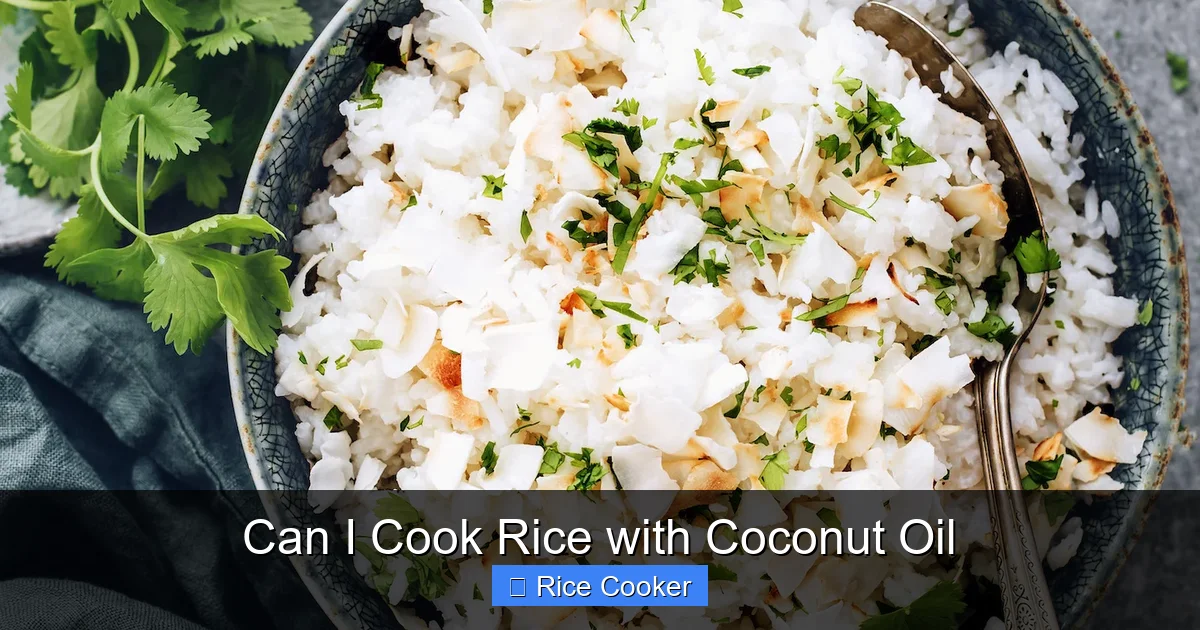
Visual guide about Can I Cook Rice with Coconut Oil
Image source: minimalistbaker.com
- Prevent the grains from clumping together
- Improve mouthfeel and texture
- Enhance flavor absorption
- Create a slight sheen on the surface
Traditionally, neutral oils like vegetable, canola, or sunflower oil are used because they don’t interfere with the rice’s natural taste. But coconut oil offers something different — a mild, nutty sweetness that complements a wide range of cuisines, especially Asian, Caribbean, and Indian dishes.
Is Coconut Oil Safe for High Heat?
One common concern is whether coconut oil can withstand the temperatures needed to cook rice. The good news? Yes, it can. Unrefined (virgin) coconut oil has a smoke point of around 350°F (177°C), which is sufficient for most rice-cooking methods — including boiling and steaming. Refined coconut oil, which has been processed to remove impurities, can handle even higher heat, up to 400°F (204°C).
This means you won’t risk burning the oil or creating harmful compounds during cooking. Plus, unlike some refined oils that lose their flavor at high heat, coconut oil actually enhances its aroma as it warms — giving your rice an inviting, fragrant scent from the very beginning.
How to Cook Rice with Coconut Oil: Step-by-Step Guide
Ingredients You’ll Need
- 1 cup rice (white or brown)
- 1¼ cups water (or broth for extra flavor)
- 1–2 teaspoons coconut oil (adjust based on rice type and personal preference)
- Salt (optional, to taste)
Method 1: Stovetop (Simmer Method)
- Rinse the rice under cold water until the water runs clear. This removes excess starch and prevents gunkiness.
- In a pot with a tight-fitting lid, melt the coconut oil over medium heat. Add the rinsed rice and stir gently for 1–2 minutes to coat the grains.
- Pour in the water (and salt, if using), then bring to a boil.
- Reduce heat to low, cover the pot, and simmer for 18–20 minutes for white rice or 40–45 minutes for brown rice.
- Turn off the heat and let the rice rest, covered, for 5–10 minutes before fluffing with a fork.
Method 2: Rice Cooker (Most Convenient)
- Add 1 cup of rinsed rice to the inner pot of your rice cooker.
- Melt 1 teaspoon of coconut oil directly in the pot (you can use a paper towel to spread it evenly).
- Add 1¼ cups of water and turn on the rice cooker.
- Once cooked, let it sit for 5 minutes before opening the lid. Fluff gently with a fork.
Pro Tip: If you’re using a non-stick rice cooker pot, be gentle when spreading the oil — no need to scrub it everywhere. A light coating is enough.
Method 3: Instant Pot or Pressure Cooker
- Set the inner pot to “Sauté” mode and melt 1 teaspoon of coconut oil.
- Add rinsed rice and toast for 1 minute, stirring constantly.
- Add 1¼ cups of water and close the lid. Set to manual/pressure cook for 3 minutes for white rice or 12 minutes for brown rice.
- Allow a natural release for 10 minutes, then quick-release any remaining pressure.
- Fluff and serve.
Benefits of Cooking Rice with Coconut Oil
1. Enhanced Flavor Profile
Coconut oil imparts a subtle, creamy sweetness that pairs wonderfully with savory dishes. Imagine serving coconut-oil-infused jasmine rice with a spicy Thai curry or grilled fish — the flavors complement each other beautifully. Unlike neutral oils, coconut oil adds depth without overwhelming the dish.
2. Improved Texture and Fluffiness
Because coconut oil coats the rice grains during cooking, it reduces starch release and keeps the grains separate. The result? Fluffier, less sticky rice that’s easier to serve and eat.
3. Nutritional Perks
Coconut oil contains medium-chain triglycerides (MCTs), which are metabolized differently than long-chain fats. Some studies suggest MCTs may support weight management, boost energy, and improve brain function. While the amount used in cooking rice is small, every little bit counts when you’re making healthier choices.
4. Natural Anti-Caking Agent
If you’ve ever had rice that stuck to the bottom of the pot, you know how frustrating it can be. Coconut oil acts as a natural barrier, preventing scorching and ensuring even heat distribution.
5. Versatility Across Cuisines
Whether you’re making biryani, paella, pilaf, or simple everyday rice, coconut oil fits right in. It’s especially popular in South Asian and Southeast Asian cooking, where coconut flavor is a staple.
Common Concerns and Myths Debunked
Myth: Coconut Oil Makes Rice Too Sweet
False. While coconut oil has a naturally sweet note, it doesn’t make rice sugary. Think of it more like a hint of vanilla in a recipe — noticeable but not dominant. If you’re sensitive to sweetness, start with half the recommended amount and adjust to taste.
Myth: It’s Unhealthy Due to Saturated Fat
While coconut oil is high in saturated fat, recent research shows not all saturated fats are equal. The type found in coconut oil (lauric acid) behaves more like a monounsaturated fat in the body. Moderate use in cooking is considered safe and even beneficial for most people.
Myth: Only Works with White Rice
Nope! Brown rice absorbs flavors differently but still benefits from coconut oil. In fact, some chefs prefer using it with brown rice because the nutty undertone enhances the grain’s inherent earthiness.
Concern: Too Much Oil Can Make Rice Greasy
This is true if you overdo it. Stick to 1–2 teaspoons per cup of rice. Excess oil will leave a film on top and alter the texture. Always measure carefully and save leftover oil for other recipes.
Tips for Perfect Coconut-Oil Rice Every Time
- Use Virgin Coconut Oil: It has a stronger flavor and aroma, which enhances the rice. Avoid hydrogenated versions.
- Don’t Skip Rinsing: Even though you’re using oil, rinsing removes excess starch and prevents mushiness.
- Let It Rest: Resist the urge to peek while steaming. Resting allows moisture to distribute evenly.
- Pair Wisely: Best with bold flavors like ginger, garlic, turmeric, or herbs such as cilantro and lime.
- Store Leftovers Properly: Keep cooled rice in an airtight container for up to 4 days. Reheat with a splash of water to restore softness.
Creative Ways to Use Coconut-Oil Rice
1. Coconut Basmati Pilaf
Sauté basmati rice in coconut oil with diced onions, garlic, and a pinch of saffron. Add chicken or vegetable broth instead of water for extra richness. Finish with toasted cashews and fresh parsley.
2. Spicy Coconut Jasmine Rice
After toasting jasmine rice in coconut oil, add water and a dash of fish sauce or soy sauce. Steam until tender, then fold in chopped scallions and a squeeze of lime.
3. Coconut Brown Rice Bowl Base
Use coconut oil when cooking brown rice for a nutrient-dense base. Top with roasted vegetables, black beans, avocado, and a tahini dressing.
4. Coconut Rice Pudding (Dessert Version)
Cook glutinous rice with coconut milk (not just oil) and a touch of sugar. Simmer until creamy and serve warm with cinnamon or fruit.
Comparing Coconut Oil to Other Cooking Oils
| Oil Type | Smoke Point | Flavor Impact | Best For |
|——————|————-|—————|——————————|
| Coconut Oil | 350–400°F | Mild, sweet | Rice, curries, baked goods |
| Olive Oil | 375–420°F | Fruity, strong| Pasta, salads, light dishes |
| Butter | 300–350°F | Rich, creamy | Sauces, risotto |
| Vegetable Oil | 400–450°F | Neutral | Frying, general cooking |
| Avocado Oil | 520°F+ | Mild, buttery | High-heat cooking |
As you can see, coconut oil sits nicely between butter (flavorful but lower heat tolerance) and neutral oils. Its balance makes it ideal for rice.
Final Thoughts: Is Coconut Oil Right for Your Rice?
If you’re looking to elevate your rice game with minimal effort, coconut oil is a fantastic choice. It’s accessible, affordable, and adds both flavor and function to your meals. Whether you’re cooking for one or feeding a family, this simple swap can transform an ordinary side dish into something special.
Remember, cooking rice with coconut oil isn’t about radical change — it’s about thoughtful enhancement. Start small, experiment with amounts, and enjoy the process. Soon, you’ll wonder how you ever cooked rice any other way.
So go ahead — grab that jar of coconut oil and give it a try. Your taste buds (and your rice cooker) will thank you.
Frequently Asked Questions
Can I use refined coconut oil instead of virgin?
Yes, refined coconut oil has a higher smoke point and a milder flavor, making it great for high-heat cooking like rice. However, it lacks the aromatic qualities of virgin coconut oil, so choose based on whether you want more flavor or better heat resistance.
Will coconut oil make my rice taste like coconut?
Not strongly. The flavor is subtle — more like a hint of vanilla or nuttiness than actual coconut. If you’re sensitive to taste, start with a smaller amount and adjust to your preference.
Is it okay to use coconut oil in a rice cooker?
Absolutely. Most rice cookers have non-stick pots that work well with coconut oil. Just make sure to spread it evenly and avoid overheating.
Can I cook brown rice with coconut oil?
Yes! Brown rice takes longer to cook but benefits from the added fat and flavor. Use the same method as white rice, but increase cooking time slightly.
How much coconut oil should I use per cup of rice?
Start with 1 teaspoon per cup of rice. For richer flavor, you can use up to 2 teaspoons, but avoid excess to prevent greasiness.
Does coconut oil help reduce rice sticking?
Yes. The oil creates a protective layer around each grain, reducing starch release and preventing clumping — especially helpful in pots without non-stick coatings.