
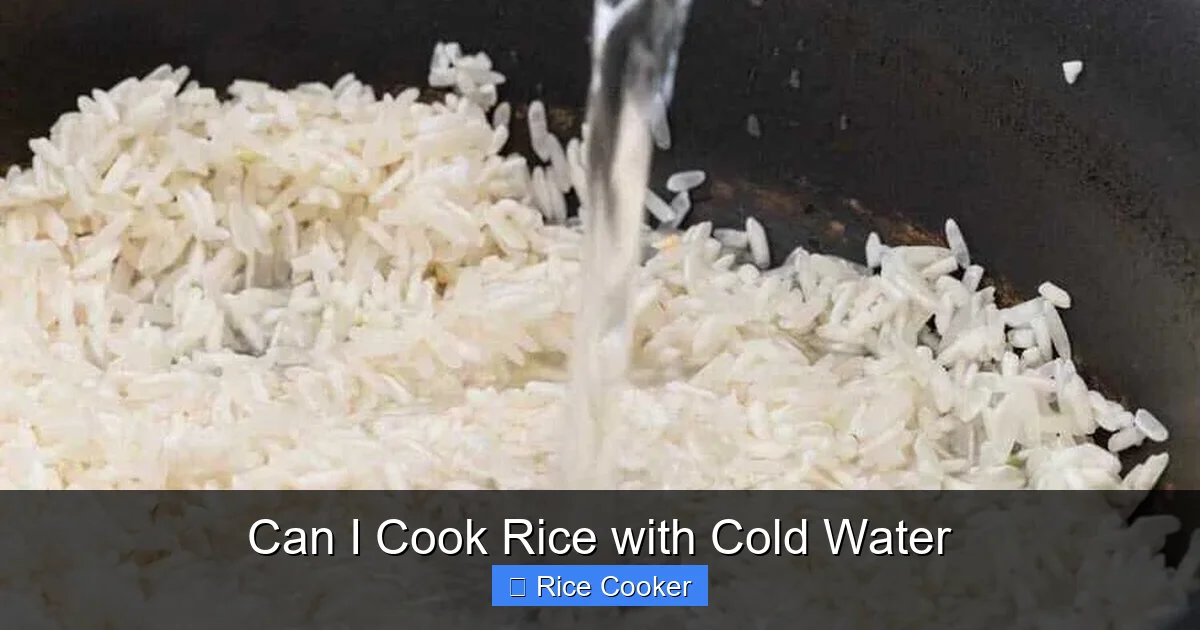
Can I cook rice with cold water? Absolutely—and it’s actually the standard method used by most rice cookers. Using cold water ensures even cooking and helps absorb excess moisture properly. Whether you’re making fluffy white rice, nutty brown rice, or sushi rice, starting with cold water is key to consistent, delicious results.
Key Takeaways
- Yes, cold water is ideal: Most rice cookers are designed to work best with cold water, which helps regulate heat absorption and prevent overcooking.
- Consistency matters: Cold water ensures uniform hydration across all grains, leading to evenly cooked rice every time.
- Safety first: Using cold water reduces the risk of splattering hot steam during heating and minimizes burn hazards.
- No need to pre-soak (usually): Unlike some grains like legumes, regular rice doesn’t require soaking before cooking with cold water.
- Adjust for altitude: At higher elevations, you may need slightly more water when using cold water due to lower boiling points.
- Experiment safely: While boiling water works, cold water gives better texture control for most rice types in electric rice cookers.
📑 Table of Contents
- Can I Cook Rice with Cold Water? The Simple Truth You Need to Know
- The Science Behind Cooking Rice with Cold Water
- Practical Steps: How to Cook Rice with Cold Water
- Types of Rice and Their Best Water Practices
- Common Mistakes and How to Avoid Them
- Special Considerations: Altitude, Salt, and Flavors
- Electric Rice Cookers vs. Stovetop Methods
- Storing and Reheating Leftover Cold-Water Cooked Rice
- Final Thoughts: Why Cold Water Wins Every Time
Can I Cook Rice with Cold Water? The Simple Truth You Need to Know
Have you ever stood over a pot of rice, wondering whether to use hot or cold water? You’re not alone. This age-old question pops up in kitchens around the world every day—especially among home cooks trying to master the art of perfect rice. And the short answer? Yes, you absolutely can (and should) cook rice with cold water.
In fact, using cold water is the traditional and recommended method for most rice varieties, especially in electric rice cookers. It might seem counterintuitive if you’re used to bringing everything to a boil first, but there’s solid science behind why cold water works so well. From even hydration to safer handling, cold water offers practical and culinary advantages that make it the go-to choice for home chefs.
This guide dives deep into everything you need to know about cooking rice with cold water—why it matters, how to do it right, and when you might want to adjust your approach. Whether you’re a beginner or a seasoned cook, understanding this simple technique will elevate your rice game from basic to brilliant.
The Science Behind Cooking Rice with Cold Water
Why Cold Water Is Better Than Boiling Water
Rice grains are made up mostly of starch, which absorbs water and swells as it heats up. When you add cold water to uncooked rice and begin heating, the process starts slowly and steadily. This gradual absorption allows each grain to hydrate evenly from the inside out. If you were to start with boiling water, the outer layer of the grain would harden too quickly, trapping steam inside and preventing proper internal cooking.
Visual guide about Can I Cook Rice with Cold Water
Image source: s.mxmcdn.net
Think of it like baking bread: you don’t throw frozen dough straight into a scorching oven. Similarly, rice needs gentle, consistent warmth to cook properly. Cold water provides that controlled environment, letting the starch molecules break down gradually and release their natural flavors without turning mushy or underdone.
How Rice Cookers Handle Cold Water
Most modern rice cookers are engineered specifically to handle cold water inputs. They monitor temperature changes precisely—starting at room temperature and rising slowly until they detect the right conditions for simmering and steaming. Some models even have sensors that detect when the water has been fully absorbed and automatically switch to “keep warm” mode.
This automation makes cold water ideal because it removes guesswork. You pour in rice + cold water, press a button, and walk away. The machine does the rest. In contrast, stovetop methods require constant attention to avoid burning or uneven cooking when using hot water.
Practical Steps: How to Cook Rice with Cold Water
Step 1: Rinse Your Rice (Optional but Recommended)
Before adding any water—cold or otherwise—it’s smart to rinse your rice under cool running water. This removes excess surface starch, which can make rice gummy if left unchecked. Just place rice in a fine-mesh strainer and swish it gently with your fingers until the water runs clear.
Note: Don’t skip this step if you’re making sushi rice, as rinsing helps achieve that signature sticky-but-not-gluey texture.
Step 2: Measure Water Accurately
The golden rule of rice cooking is the ratio. For most white rice, use 1 cup of rice to 1.5 cups of cold water. Brown rice needs more—about 1.75 cups per cup of rice—because its bran layer takes longer to soften. Always measure both rice and water using the same cup for consistency.
Pro tip: Add just enough cold water to cover the rice by about half an inch after stirring once or twice. Overfilling leads to soupy rice; underfilling causes dryness.
Step 3: Add Rice to Cooker and Start Heating
Place rinsed rice in your rice cooker bowl, add cold water, stir lightly, then close the lid and select the appropriate setting (e.g., “white rice,” “brown rice,” or “quick cook”). Wait patiently—do not lift the lid during the initial heating phase. Doing so releases precious steam and disrupts the cooking cycle.
Types of Rice and Their Best Water Practices
White Rice vs. Brown Rice
While both can be cooked with cold water, brown rice benefits even more from this method due to its denser structure. Its outer bran layer requires longer, gentler heat exposure—something cold water provides naturally. White rice, being softer, responds well too, though it cooks faster overall.
Sushi and Sticky Rices
For Japanese-style short-grain rice used in sushi or onigiri, cold water is essential. These varieties contain high levels of amylopectin, a sticky starch that bonds beautifully when hydrated slowly. Starting with cold water prevents clumping and ensures each grain remains distinct yet cohesive.
Wild and Parboiled Rices
Wild rice and parboiled types also thrive with cold water. Wild rice, in particular, can take up to 45 minutes to cook fully—longer than any other variety. Using cold water ensures steady progress without scorching the delicate kernels.
Common Mistakes and How to Avoid Them
Mistake #1: Not Measuring Water Properly
Eyeballing water leads to inconsistent results. Invest in measuring cups or even a digital scale for precision. Remember: too little water = tough rice; too much = mush.
Mistake #2: Skipping the Rinse
Even if you’re using cold water, skipping the rinse means leftover starch can cause clumping or stickiness. A quick rinse solves this easily.
Mistake #3: Opening the Lid Too Soon
Resist the urge to peek! Each time you open the lid, you lose heat and steam, extending cooking time and risking uneven doneness.
Special Considerations: Altitude, Salt, and Flavors
Cooking at High Elevations
At altitudes above 3,000 feet, water boils at a lower temperature, which can affect rice cooking times. To compensate, increase your water slightly—add an extra tablespoon per cup of rice—and consider reducing heat after boiling begins. Cold water still works best here, as it allows slower, more controlled absorption.
Adding Salt and Seasonings
You can salt your cold water just like boiling water—just dissolve the salt thoroughly before adding rice. Herbs, garlic, or bay leaves also infuse subtle flavor during the long, slow cook. Just remove them before serving if desired.
Electric Rice Cookers vs. Stovetop Methods
If you’re using an electric rice cooker, cold water is practically required—the device relies on precise temperature detection to know when to switch modes. With a stovetop, you have more flexibility, but cold water still gives superior results for most rice types.
However, if you prefer boiling water for speed, you can certainly do so—just stir occasionally and watch closely to avoid sticking. But again, cold water offers greater reliability and texture control.
Storing and Reheating Leftover Cold-Water Cooked Rice
Cold-water cooked rice stores beautifully! Let it cool completely, transfer to an airtight container, and refrigerate for up to 5 days. For reheating, add a splash of water and microwave in intervals, fluffing between bursts. Avoid microwaving dry rice directly, as it can become rubbery.
Final Thoughts: Why Cold Water Wins Every Time
So, can you cook rice with cold water? Without a doubt—yes. It’s safe, effective, and backed by both tradition and science. Whether you’re whipping up a weeknight dinner or preparing sushi for friends, starting with cold water ensures every grain is tender, separate, and full of flavor.
Next time you reach for your rice cooker, remember: cold water isn’t just okay—it’s the secret to restaurant-quality rice at home. Give it a try, and you’ll never look back.
Frequently Asked Questions
Is it better to use cold or hot water to cook rice?
Using cold water is generally better because it allows even hydration of the grains and prevents the outer layers from hardening too quickly. Hot water can cause uneven cooking and result in some grains being undercooked while others turn mushy.
Do I need to soak rice before cooking with cold water?
Not usually. Regular white or brown rice doesn’t require soaking when cooked with cold water. Soaking is more common for ancient grains or legumes, but it’s optional for typical rice varieties.
Can I add salt to cold water when cooking rice?
Absolutely. Dissolve your salt in the cold water before adding the rice. This evenly seasons the grains during cooking, giving you flavorful rice without needing to add salt later.
What happens if I use too much water with cold water?
Too much water leads to overly soft or soggy rice. Stick to recommended ratios—typically 1.5–1.75 cups of water per cup of rice depending on type—to maintain the right texture.
Does the type of rice affect whether I should use cold water?
No—all rice types benefit from cold water, but different varieties require adjusted water amounts and cooking times. For example, brown rice needs more water than white rice, but both start best with cold water.
Can I cook rice in boiling water instead of cold water?
Yes, but cold water usually yields more consistent results. Boiling water can speed things up but risks uneven cooking unless you stir constantly and monitor carefully.