
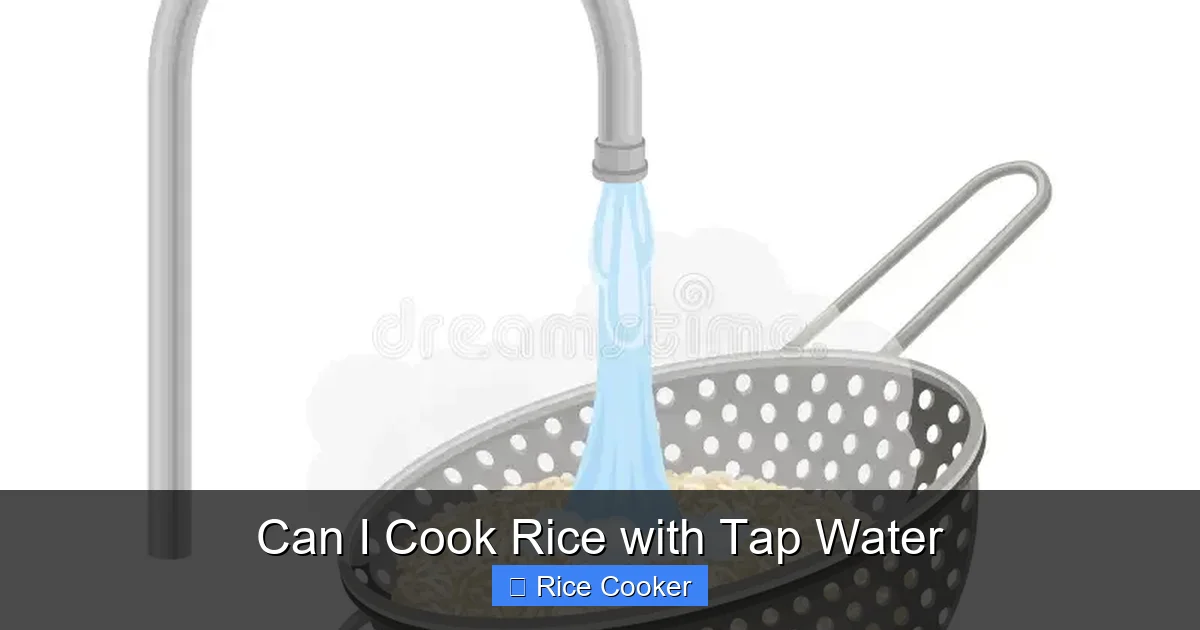
You absolutely can cook rice using tap water, and many people do so daily without issue. However, the taste, texture, and safety of your rice may depend on your local water quality. With a few simple tips—like checking for contaminants or using a filter—you can enjoy fluffy, safe, and delicious rice cooked with regular household water.
Key Takeaways
- Tap water is generally safe for cooking rice when it meets local municipal standards, but quality varies by region.
- Hard water can affect rice texture by making it stickier or altering its absorption rate during cooking.
- Using filtered water improves rice consistency and removes chlorine, heavy metals, or sediment that might impact flavor.
- Boiling tap water before use kills bacteria and reduces chlorine levels, enhancing rice safety and taste.
- Rice cookers often handle variable water quality better than stovetop methods due to precise temperature control.
- Local water reports are a valuable resource to understand what’s in your tap water and whether extra filtration is needed.
- Experimenting with water sources helps personalize rice results—some prefer filtered, others swear by spring water or boiled tap water.
📑 Table of Contents
- Can I Cook Rice with Tap Water? The Simple Answer and What It Really Means
- Understanding Tap Water: What You’re Actually Using
- Does Tap Water Affect Rice Texture and Flavor?
- Is Tap Water Safe for Cooking Rice?
- Best Practices for Cooking Rice with Tap Water
- Alternative Water Sources: When Tap Isn’t Enough
- Regional Insights: Tap Water and Rice Around the World
- Common Myths About Water and Rice
- Final Thoughts: Tap Water Is Fine—With Smart Choices
Can I Cook Rice with Tap Water? The Simple Answer and What It Really Means
Let’s get straight to the point: yes, you can absolutely cook rice with tap water. In fact, most people do. Whether you’re making a quick bowl of jasmine rice for dinner or steaming up a pot of brown rice for meal prep, chances are you’re reaching for that cold tap in your kitchen. But while the answer is straightforward, the why behind it—and how to make it work best—is where things get interesting.
The quality of your tap water plays a surprisingly big role in how your rice turns out. From texture and flavor to safety and consistency, every drop matters. And while some folks insist on using bottled spring water or boiling their tap water first, others have never given it a second thought. So, what’s the real story? Can you just grab any old tap water and expect perfect rice, or are there hidden pitfalls?
In this article, we’ll dive deep into everything you need to know about cooking rice with tap water. We’ll explore how different types of water affect your grains, what to watch out for in your local supply, and practical tips to ensure every pot of rice comes out fluffy, safe, and delicious. Whether you’re a rice newbie or a seasoned cook looking to optimize your method, this guide will help you make smarter choices—starting with your water source.
Understanding Tap Water: What You’re Actually Using
Before we talk rice, let’s talk water. Not all tap water is created equal. Depending on where you live, your tap water might come from surface sources like rivers and lakes, or underground aquifers. It may be treated with chlorine to kill bacteria, contain fluoride for dental health, or have added minerals that affect taste and texture. Some regions even deal with hard water (high in calcium and magnesium), which can leave deposits and alter how foods absorb moisture.
Visual guide about Can I Cook Rice with Tap Water
Image source: suchnaji.com
Common Additives and Their Effects
Municipal water treatment plants add chemicals like chlorine and fluoride to keep water safe. While these are regulated and generally harmless in low doses, they can influence cooking. Chlorine, for example, has a faint odor that some notice in boiled rice, especially if not fully evaporated. Over time, high chlorine levels might subtly affect flavor.
Hard water, found in areas like parts of the Midwest or New England, contains dissolved minerals. When used to cook rice, these minerals can interfere with starch gelatinization—the process that makes rice soft and absorbent. This sometimes leads to uneven cooking or a slightly chalky texture.
How to Know Your Water Quality
The best way to understand what’s in your tap water is to check your local water utility’s annual report. These public documents detail contaminant levels, treatment processes, and safety standards. You can usually find them online by searching “[Your City] water quality report.” If your area has high lead, arsenic, or other contaminants, consider using a certified water filter before cooking rice.
Does Tap Water Affect Rice Texture and Flavor?
This is one of the most common questions: does the type of water you use actually change how rice tastes or feels? The short answer is yes—but the extent depends on several factors, including water hardness, mineral content, and whether you’ve treated the water at all.
Texture Differences: Sticky vs. Fluffy
Soft or distilled water allows rice to absorb moisture evenly, promoting fluffy, separate grains. Hard water, with its high mineral content, can cause the outer layers of rice to become sticky as minerals interfere with starch separation. This is why some people notice their rice clinging together more when using tap water from a hard-water region.
Conversely, very soft water might result in undercooked or dry rice because it doesn’t provide enough structure for proper starch development. It’s a delicate balance.
Taste and Aroma
Chlorine in untreated tap water can leave a slight chemical aftertaste, especially in long-grain varieties like basmati or jasmine. Jasmine rice, in particular, is known for its floral aroma, and chlorine can mask or alter that characteristic scent. Boiling the water beforehand helps evaporate chlorine, restoring the rice’s natural fragrance.
Minerals in hard water might also contribute a metallic or earthy note to the final dish, though this is usually subtle unless you’re comparing side-by-side samples.
Practical Example: Comparing Tap vs. Filtered Water
Imagine making two identical batches of white rice—one using filtered water, the other using unfiltered tap water from a city with moderate hardness. After cooking, the filtered batch typically has fluffier grains, less stickiness, and a cleaner flavor. The tap water version might be acceptable, but you could detect a slight flatness or graininess, especially if the water had high mineral content.
Is Tap Water Safe for Cooking Rice?
Safety is a top concern for any food preparation. The good news? In most developed countries, tap water is rigorously tested and considered safe for drinking—and therefore safe for cooking rice. Municipal systems follow strict regulations to remove pathogens and harmful substances.
Potential Contaminants to Watch For
While rare, contaminants like lead, nitrates, or agricultural runoff can appear in some water supplies. Lead, for instance, may leach into water from old plumbing, particularly in older homes. Nitrates, often from fertilizer contamination, are especially dangerous for infants. If you suspect your water quality is poor, testing kits are available online or through local health departments.
When to Boil Tap Water Before Use
Boiling tap water for 1–2 minutes kills bacteria and viruses and significantly reduces chlorine levels. For most people, this step isn’t necessary, but it’s a simple precaution—especially if you’re cooking rice for babies or immunocompromised individuals. It also improves the smell and taste of the cooked rice.
Regional Variations in Water Safety
Water safety varies widely by location. In rural areas or places with aging infrastructure, contamination risks may be higher. Urban centers with modern treatment facilities tend to have safer tap water. Always consult local advisories if you experience discoloration, odor, or taste changes in your water.
Best Practices for Cooking Rice with Tap Water
Even if your tap water is safe, you don’t have to accept mediocrity. With a few smart adjustments, you can cook excellent rice using regular household water.
Step 1: Check Your Water Report
Start by reviewing your local water quality report. Look for data on hardness, pH levels, and presence of chlorine or fluoride. This helps you decide whether additional filtration or pretreatment is needed.
Step 2: Consider Filtering Your Water
A basic pitcher filter or faucet-mounted system can remove chlorine, lead, and sediment. For best results, use a filter rated for the specific contaminants in your area. Activated carbon filters are great for chlorine removal, while reverse osmosis systems handle a broader range of impurities.
Step 3: Boil Tap Water First (Optional but Recommended)
Bringing tap water to a boil for 1–2 minutes kills microbes and drives off chlorine. Let it cool slightly before adding rice. This small step can make a noticeable difference in aroma and cleanliness.
Step 4: Adjust Ratios If Needed
Some users find that hard water requires slightly less water than standard ratios suggest. For example, instead of 1.5 cups water per cup of rice, try 1.4 cups. Conversely, very soft water might need a tiny extra splash. Keep notes on what works best for your setup.
Step 5: Use a Rice Cooker for Consistency
Rice cookers are designed to manage water absorption precisely. They maintain steady temperatures and automatically switch to warming mode once cooking is complete. This reduces the risk of overcooking or burning, even with variable water quality. Many models also come with settings for different rice types, further improving results.
Alternative Water Sources: When Tap Isn’t Enough
If you’re serious about perfect rice, you might wonder if tap water is really the best option. Fortunately, several alternatives exist—each with pros and cons.
Bottled Spring Water
Many home cooks prefer bottled spring water for its purity and mineral balance. Brands like Fiji, Evian, or Icelandic Glacial are popular choices. However, cost adds up over time, and not all spring waters are created equal—some are just rebranded tap water with fancy labels.
Distilled or Deionized Water
These ultra-pure waters lack minerals, which can result in lighter, fluffier rice. But they may lack the subtle mineral structure that helps bind grains together, leading to overly dry or crumbly results. Use sparingly, if at all.
Filtered Tap Water
This is often the sweet spot. Filtered water retains beneficial minerals while removing impurities. It’s economical, eco-friendly, and delivers consistent results. Pair it with a good rice cooker, and you’ve got a reliable system for great rice every time.
Boiled Tap Water
As mentioned earlier, boiling tap water removes chlorine and improves taste. It’s free, easy, and effective. Just remember to let the water cool to around 180°F (82°C) before adding rice—too hot, and you risk damaging the grains.
Regional Insights: Tap Water and Rice Around the World
Rice is a global staple, and so are differences in water quality. Understanding regional practices can offer insights into how water affects rice culture.
Asia: Where Tap Water Is Often Preferred
In many Asian countries, especially Japan and South Korea, tap water is commonly used for cooking rice—even in high-end restaurants. Advanced filtration systems and consistent municipal standards support this practice. Japanese households often use rice cookers with built-in water purification or pre-soaking functions to enhance texture.
Europe: Mixed Approaches
In Europe, water quality varies widely. Northern European countries like Sweden and Denmark have soft, clean water ideal for rice. Southern Europe, however, deals with harder water, prompting some chefs to recommend filtered or bottled water for delicate grains.
North America: Growing Awareness
In the U.S. and Canada, awareness of water quality is increasing. Many urban dwellers now use home filtration systems, and specialty rice brands sometimes specify water preferences. Still, most people cook rice with tap water without issue.
Common Myths About Water and Rice
Let’s clear up a few misconceptions that circulate online.
Myth 1: “Only distilled water makes good rice.”
False. While distilled water produces light, fluffy rice, it lacks minerals that help grains adhere properly. Most experts agree that moderately mineralized water works best.
Myth 2: “Bottled water is always superior.”
Not necessarily. Many bottled waters are simply filtered tap water. Without knowing the source, you can’t assume quality. Plus, plastic bottles introduce environmental concerns.
Myth 3: “Boiling tap water ruins nutrients.”
Unlikely. Tap water is already treated; boiling just sanitizes it. Nutrients in rice aren’t significantly affected by water treatment.
Myth 4: “All rice cookers require filtered water.”
Nope. Most rice cookers work fine with tap water. Some advanced models even have water sensors that adjust cooking based on input quality.
Final Thoughts: Tap Water Is Fine—With Smart Choices
So, can you cook rice with tap water? Absolutely. For millions of people around the world, it’s the default choice—and often the best one. The key isn’t ditching tap water entirely, but being informed about what’s in it and taking simple steps to improve your results.
Whether you boil your water, invest in a filter, or just pay attention to how your rice behaves, small changes lead to big improvements. And remember: rice cookers are your ally here. They take much of the guesswork out of cooking, even with less-than-perfect water.
At the end of the day, great rice starts with good habits—not expensive ingredients. By understanding your water, respecting its properties, and adjusting your method accordingly, you’ll be well on your way to consistently delicious meals.
Frequently Asked Questions
Can I use tap water to cook rice if I have hard water?
Yes, but hard water may make rice stickier or affect texture. Consider filtering it or reducing water volume slightly. Boiling the water first can also help.
Should I boil tap water before cooking rice?
It’s optional but recommended. Boiling removes chlorine and kills bacteria, improving taste and safety. Let it cool to about 180°F before adding rice.
Does tap water make rice taste bad?
Not necessarily. However, high chlorine or mineral content can subtly alter flavor. Filtered or boiled tap water usually resolves this.
Is bottled water better than tap water for cooking rice?
Sometimes. Bottled spring water can offer cleaner taste, but many are just filtered tap water. Check the label and compare to your local water quality.
Can I use distilled water to cook rice?
Yes, but it may produce drier, less cohesive rice due to lack of minerals. Use it only if you prefer very light, fluffy grains.
Are rice cookers sensitive to water quality?
Most are not. Rice cookers regulate temperature and timing well, but using filtered or boiled tap water can still improve consistency and flavor.