
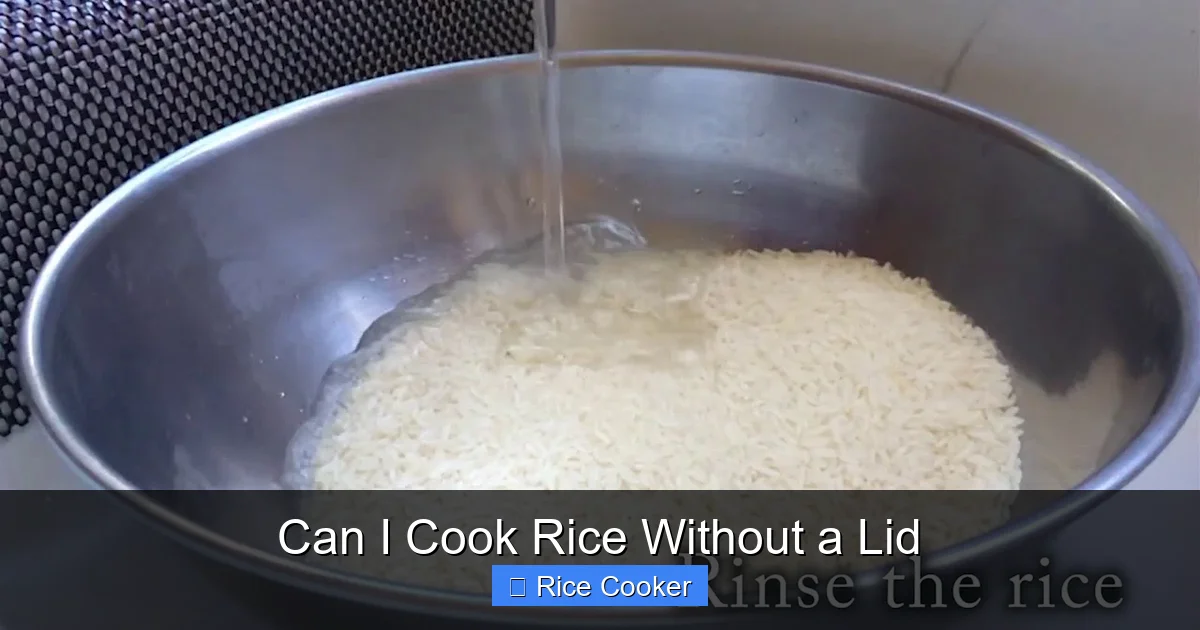
Can I cook rice without a lid? Absolutely! While using a lid helps trap steam and speed up cooking, there are several effective ways to cook rice without one. Whether you’re using a pot on the stove or a slow cooker, you can still achieve tender, evenly cooked grains with the right technique.
Key Takeaways
- You can cook rice without a lid using stovetop, oven, or slow cooker methods that rely on proper heat control and timing.
- Uncovered cooking works best for certain types of rice, such as basmati or jasmine, which benefit from dry-heat techniques like baking.
- Proper water-to-rice ratio is essential—even without a lid, too little water leads to dry rice, while too much makes it mushy.
- Stirring occasionally prevents sticking and ensures even cooking when no lid is used.
- Alternative lids work in a pinch—use a tight-fitting plate, foil, or parchment paper if you don’t have a lid.
- Patience pays off; uncovered methods often take longer but result in more flavorful, separate grains.
📑 Table of Contents
Can I Cook Rice Without a Lid?
If you’ve ever opened your kitchen cupboard and realized you’ve run out of a lid for your pot—or simply forgotten it—you might be wondering: Can I cook rice without a lid? The short answer is yes, absolutely. But before you toss your rice into boiling water and hope for the best, let’s dive into how to do it properly. Cooking rice without a lid isn’t just possible—it’s a skill every home cook should know. Whether you’re in a hurry, forgot your lid, or just prefer the hands-on approach, this guide will show you how to make perfectly fluffy, non-sticky rice using everyday kitchen tools.
Rice is one of the most versatile and essential ingredients in cuisines around the world. From biryanis to risotto, stir-fries to rice bowls, knowing how to cook rice well is a fundamental culinary skill. Most recipes call for a lid to trap steam and create a moist, enclosed environment that cooks the rice evenly. But life happens—sometimes the lid is missing, broken, or you’re using a pot without one. That doesn’t mean your meal has to suffer. With a few simple adjustments, you can still produce delicious, tender rice without relying on a traditional lid.
Why Do People Use Lids When Cooking Rice?
Before we explore how to cook rice without a lid, it’s helpful to understand why lids are commonly used in the first place. The primary purpose of a lid is to create a sealed environment that traps steam. Steam is crucial because it transfers heat evenly to the rice grains, helping them absorb moisture and cook uniformly. When rice is boiled uncovered, some of the steam escapes, which can lead to uneven cooking—some grains may stay hard while others become mushy.
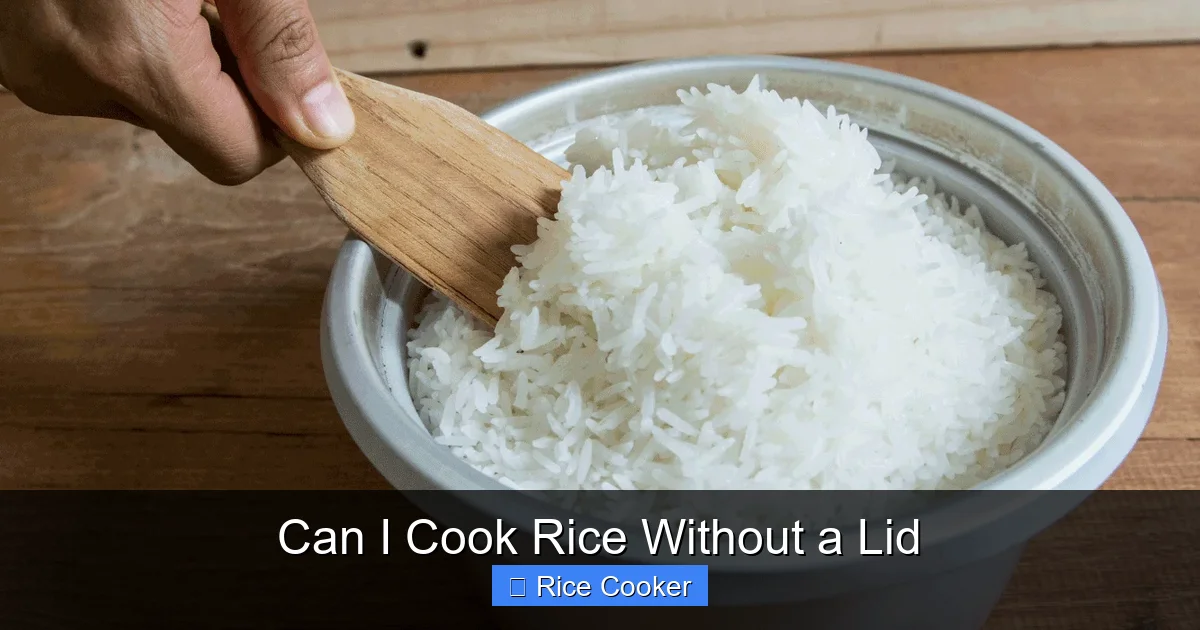
Visual guide about Can I Cook Rice Without a Lid
Image source: expertreviewsbestricecooker.com
Additionally, a lid helps maintain consistent heat and reduces evaporation, ensuring the rice cooks at a steady pace. This is especially important for long-grain white rice, which needs precise moisture levels to achieve that ideal fluffy texture. However, while lids improve efficiency and consistency, they aren’t strictly necessary. Many traditional rice-cooking methods—like those used in Indian and Middle Eastern kitchens—often involve uncovered cooking over open flames. These techniques rely on timing, temperature control, and occasional stirring instead of steam retention.
Methods to Cook Rice Without a Lid
There are several reliable ways to cook rice without a lid, each suited to different types of rice and kitchen setups. Let’s walk through the most effective methods so you can choose the best one for your situation.
1. Stovetop Method (Uncovered Boiling)
The classic stovetop method is the most common way to cook rice, and it can easily be done without a lid. Here’s how:
- Measure the rice and water: For most long-grain white rice, use a 1:2 ratio—one cup of rice to two cups of water. Adjust slightly for brown rice (1:2.5) or jasmine rice (1:1.75).
- Bring water to a boil: In a medium-sized pot, bring the water to a rolling boil over high heat.
- Add rice and reduce heat: Gently stir in the rinsed rice, then immediately reduce the heat to low or medium-low.
- Cook uncovered: Let the rice simmer without a lid. Stir occasionally to prevent sticking and ensure even cooking.
- Check for doneness: After about 15–18 minutes (depending on the type), check if the rice is tender and the water has been absorbed. If not, add a splash more water and continue cooking for another 2–3 minutes.
- Rest and fluff: Turn off the heat, let it sit for 5 minutes, then fluff with a fork.
This method works well for most white rice varieties and gives you full control over the process. Just remember to keep an eye on the rice—without a lid, it can dry out faster than covered rice.
2. Oven-Baked Rice
Baking rice is a great alternative when you don’t have a lid and want to avoid constant stirring. This method is perfect for dishes like baked rice puddings or when you’re making a large batch.
- Preheat the oven: Set your oven to 375°F (190°C).
- Combine rice and water: In an oven-safe dish or Dutch oven, mix 1 cup of rice with 2 cups of water (adjust as needed).
- Bake uncovered: Place the dish in the oven and bake for 45–50 minutes, depending on the rice type.
- Let it rest: Once done, remove from the oven and let it sit for 10 minutes before fluffing.
Oven-baked rice tends to come out fluffier and less sticky because the dry heat allows for even moisture distribution. It’s also hands-off once it’s in the oven, making it ideal for multitasking.
3. Slow Cooker or Crockpot Method
If you have a slow cooker, you can cook rice without a lid using the “cook on high” setting. This method is excellent for busy days when you want a set-it-and-forget-it option.
- Add rice and water: Combine 1 cup of rice with 2 cups of water in the slow cooker.
- Cook on high: Cover the slow cooker with its original lid (which seals tightly), then set it to high for 30–40 minutes.
- Check consistency: The rice should be tender and fully cooked. If not, cook for another 10 minutes.
While the slow cooker does have a lid, it’s designed to retain moisture—so technically, you’re still cooking with a sealed environment. But if your slow cooker’s lid is cracked or missing, you can cover the top loosely with a towel or foil to mimic the effect. Just be sure to monitor it closely to avoid drying out.
4. Rice Cooker Without a Lid (Not Recommended)
This one requires clarification: traditional rice cookers require a lid to function properly. They rely on a pressure sensor and temperature control mechanism that detects when the lid is closed. If the lid isn’t on, the rice cooker won’t activate or will shut off immediately.
However, some modern electric cookers have safety features that allow operation without a lid in certain modes—but this is rare and not standard. So if your rice cooker says it needs a lid, don’t try to bypass it. Instead, use one of the above methods.
Tips for Cooking Rice Without a Lid
Even without a lid, you can still achieve restaurant-quality rice with a few smart tricks. Here are some pro tips to help you succeed:
- Use a wide, shallow pot: A wider pot allows better airflow and prevents rice from sticking together. Avoid deep, narrow pots that trap steam and promote clumping.
- Don’t rinse after cooking: Rinsing rice after it’s cooked removes starch, which can make it gummy. Rinse only before cooking to remove excess surface starch.
- Use a timer: Since you’re watching the rice closely, a timer helps prevent overcooking. Set it for 15 minutes and check every 3–4 minutes near the end.
- Fluff gently: Over-fluffing can break the grains. Use a gentle sawing motion with a fork to separate the rice without mashing it.
- Keep the heat low after boiling: Once the water comes to a boil, reduce the heat to low to maintain a gentle simmer. High heat can cause scorching.
- Try a double-boiler technique: If you have a steamer insert, place the rice in a heatproof bowl above simmering water. Cover with a lid or foil. This mimics the steam-trapping effect without direct contact with boiling water.
What Type of Rice Works Best Without a Lid?
Not all rice types respond equally to uncovered cooking. Some varieties are more forgiving, while others require precision. Here’s a breakdown:
Long-Grain White Rice (Jasmine, Basmati)
These are the easiest to cook without a lid. Their elongated shape and low starch content mean they stay separate and fluffy even with minimal moisture. Jasmine rice, in particular, thrives in dry-heat environments and develops a delicate aroma when baked.
Brown Rice
Brown rice takes longer to cook and retains more nutrients, but it’s also stickier due to its bran layer. To cook brown rice without a lid, increase the water ratio slightly (1:2.5) and cook slowly, stirring occasionally. It may need up to 45 minutes.
Short-Grain Rice (Sushi Rice, Glutinous Rice)
These are high in starch and tend to clump when cooked uncovered. For best results, use the double-boiler method or bake in the oven with a bit more liquid. Stirring frequently is key to preventing a gluey mess.
Instant Rice and Microwave Rice
These are pre-cooked and rehydrated, so they’re less affected by cooking conditions. However, they still perform best with a sealed container or microwave-safe lid to trap steam. Without a lid, they may dry out or become tough.
Common Mistakes to Avoid
Even experienced cooks make mistakes when cooking rice without a lid. Here are the most frequent errors and how to fix them:
- Using too little water: This is the #1 cause of undercooked rice. Always measure carefully and adjust based on rice type.
- Boiling too vigorously: Vigorous boiling can cause rice to stick to the bottom. Keep the heat low once the water boils.
- Not rinsing the rice: Unrinsed rice can leave behind a powdery residue. Rinse under cold water until the water runs clear.
- Over-stirring: Stirring too much breaks down the grains and releases excess starch, leading to gummy rice. Stir only 2–3 times during cooking.
- Skipping the resting period: Letting rice rest after cooking helps redistribute moisture and fluff up the grains. Don’t skip this step.
Creative Uses for Rice Cooked Without a Lid
Cooking rice without a lid opens up creative possibilities beyond plain steamed rice. Try these ideas to elevate your meals:
- Rice Pilaf: Sauté onions and garlic in oil, add rice, toast it slightly, then add water and simmer uncovered. This adds depth of flavor.
- Saffron Rice: Add saffron threads to the water before cooking. The dry heat enhances the floral aroma.
- Baked Rice Casserole: Mix cooked rice with vegetables, cheese, or broth, then bake until golden. Perfect for leftovers.
- Rice Porridge (Congee): Cook rice with extra water (1:6 ratio) on low heat for 1 hour. Stir occasionally. Ideal for breakfast or sick days.
Conclusion
So, can you cook rice without a lid? Yes—and with practice, you’ll find it becomes second nature. Whether you’re using the stovetop, oven, or slow cooker, the key is understanding how moisture, heat, and timing interact. While a lid makes things easier, it’s not a requirement. By mastering uncovered cooking methods, you gain flexibility in the kitchen and reduce dependency on specific tools.
Remember: patience, measurement, and attention are your best allies. Don’t be afraid to experiment with different rice types and techniques. And if you ever find yourself without a lid, just follow the steps we’ve outlined—your rice will turn out just fine. In fact, some traditional recipes thrive without one, delivering rich flavors and perfect textures.
Next time you’re making dinner and realize your pot has no lid, don’t panic. Grab a spoon, set a timer, and get cooking. You might just discover a new favorite method—one that brings you closer to the authentic taste of perfectly cooked rice.
Frequently Asked Questions
Can I use a plate instead of a lid when cooking rice?
Yes, a tightly fitting plate or piece of parchment paper can work as a substitute for a lid. Place it directly on top of the pot to trap steam and speed up cooking. Just make sure it’s heat-resistant and covers the pot completely.
Does cooking rice without a lid make it drier?
Possibly, but not necessarily. Without a lid, some steam escapes, which can lead to slightly drier rice if not monitored. However, with proper water ratios and heat control, you can still achieve moist, tender grains.
How long does it take to cook rice without a lid?
It typically takes 15–20 minutes for white rice and up to 45 minutes for brown rice, depending on the method. Stirring occasionally helps ensure even cooking.
Can I cook rice in a microwave without a lid?
Yes, but you’ll need a microwave-safe container with a secure lid or a microwave-safe plate covering it. Without any cover, the rice may splatter and dry out.
Is it safe to leave rice cooking uncovered on the stove?
Yes, as long as you’re present to monitor it. Leaving it unattended increases the risk of burning or drying out, especially on high heat.
Will rice cook without a lid if I cover it with foil?
Absolutely. Tightly sealing the pot with aluminum foil can mimic the effect of a lid by trapping steam. Just ensure the foil touches the sides of the pot to seal it well.