
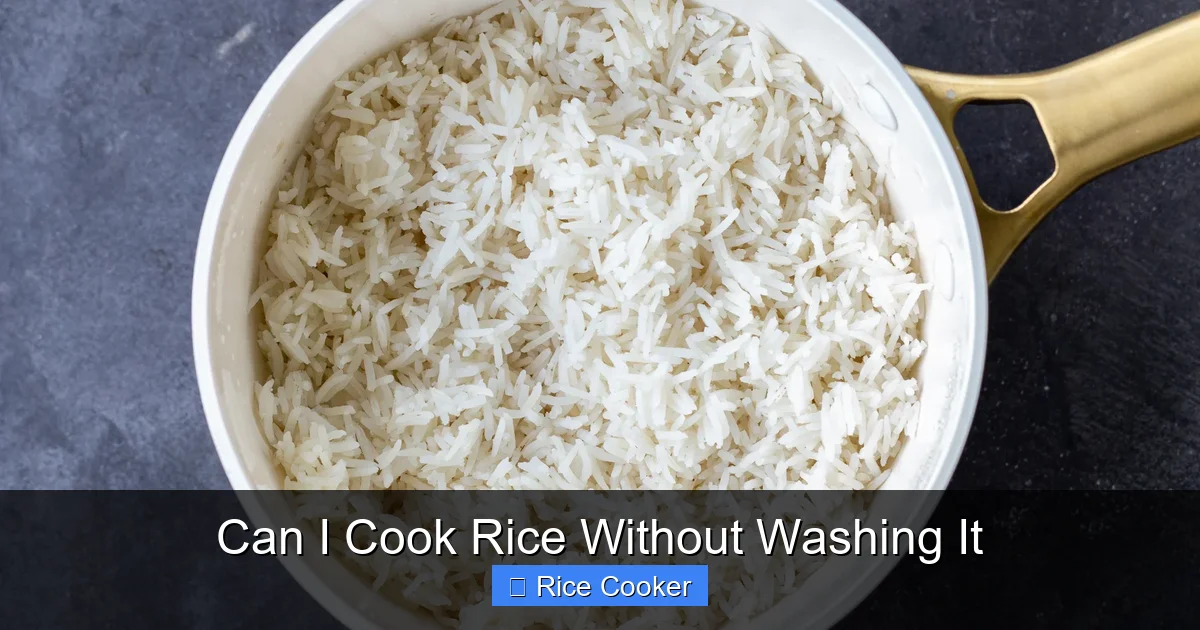
Yes, you can cook rice without washing it—but there are trade-offs. Washing removes excess starch, which affects texture and stickiness. If you’re in a hurry or prefer stickier rice, skipping the rinse might work, but for fluffy results, washing is key.
Key Takeaways
- Washing removes excess starch: This prevents rice from becoming overly sticky or clumpy during cooking.
- Different rice types react differently: Sticky rice (like sushi rice) benefits less from washing than long-grain varieties.
- Time-saving advantage: Skipping washing saves 2–3 minutes per batch, useful when preparing meals quickly.
- Aesthetic impact matters: Unwashed rice may leave cloudy water, affecting presentation if serving guests.
- Health considerations vary: Some people wash to reduce arsenic levels; others skip it due to nutrient loss concerns.
- Cooking method influences need: Pressure cookers and rice cookers often handle starch better than stovetop methods.
- Personal preference plays a role: Texture and taste preferences ultimately determine whether washing is worth the effort.
📑 Table of Contents
- Can I Cook Rice Without Washing It?
- The Science Behind Rice Washing
- Pros and Cons of Cooking Rice Without Washing
- When It’s Safe (and Smart) to Skip Washing
- When You Should Definitely Wash Your Rice
- How to Wash Rice Properly (If You Choose To)
- Best Practices for Cooking Unwashed Rice
- Common Mistakes People Make With Unwashed Rice
- Health Considerations: Does Washing Remove Nutrients?
- Regional Traditions and Cultural Perspectives
- Frequently Asked Questions
- Final Thoughts: To Wash or Not to Wash?
Can I Cook Rice Without Washing It?
You’ve just opened a bag of rice—fresh, golden, and ready to transform into a comforting bowl of grains. But then you pause: should you wash it first? The age-old question haunts kitchens worldwide. Is it truly necessary, or can you skip this step without consequences? Let’s cut through the confusion.
In short: yes, you can cook rice without washing it. But before you toss the colander aside, let’s explore what happens when you skip this common kitchen ritual. From texture changes to potential health implications, understanding the science behind rinsing will help you make a smarter choice—whether you’re aiming for fluffy jasmine or sticky sushi rice.
This guide dives deep into everything you need to know about cooking rice without washing it. We’ll cover different rice types, cooking methods, health considerations, and even share pro tips so your next pot of rice turns out perfectly—no matter your approach.
The Science Behind Rice Washing
Before deciding whether to skip the rinse, it helps to understand why we do it in the first place. Rice isn’t always clean when it reaches your pantry. During milling and storage, tiny particles like bran dust, husk fragments, and even small insects can find their way into the grain. Washing removes these impurities—and more importantly, excess surface starch.
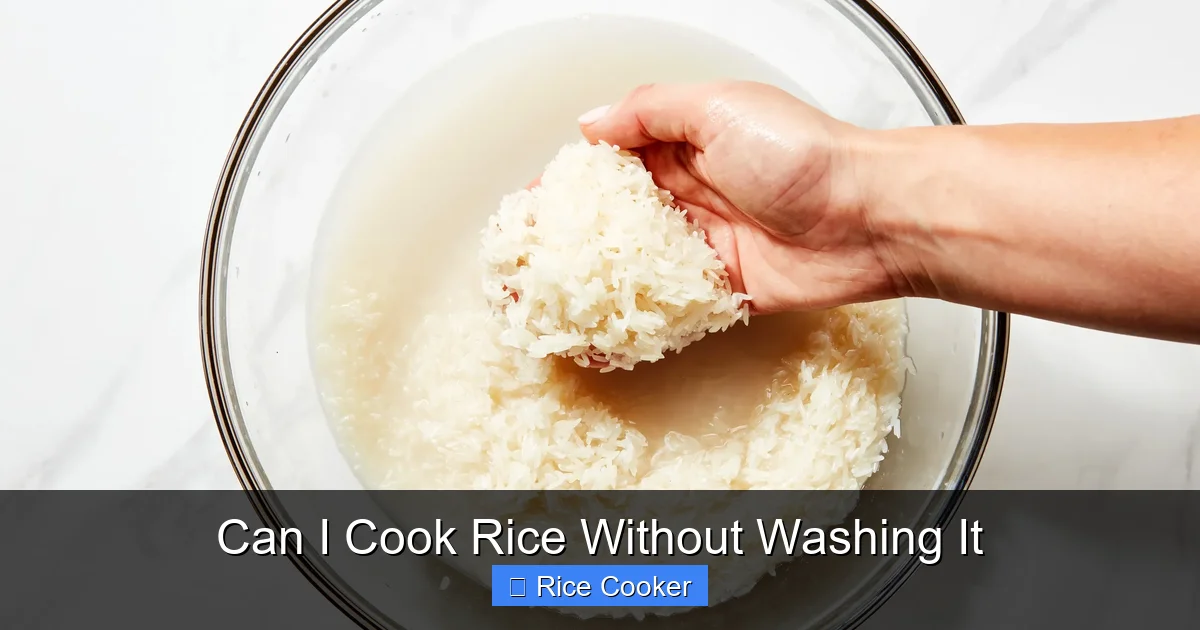
Visual guide about Can I Cook Rice Without Washing It
Image source: citizenside.com
What Is Excess Starch?
Rice contains amylose and amylopectin, two types of starch that dictate how the grains behave during cooking. When uncooked rice sits or gets handled, some of this starch leaches into the surrounding water. During boiling or steaming, this starch dissolves further, creating a gluey layer around each grain.
That’s why unwashed rice often ends up clumping together or sticking to the pot. Think of it like adding too much flour to batter—everything becomes dense and unappealing. By contrast, rinsing washes away that excess starch, allowing individual grains to separate and absorb water evenly.
How Much Starch Matters Depends on Rice Type
Not all rice is created equal when it comes to starch content. Long-grain white rice (like basmati or jasmine) has higher amylose levels, meaning it naturally resists sticking. Short-grain or sushi rice, however, packs more amylopectin—the sticky cousin of starch—making it ideal for rolls and risotto without rinsing.
Brown rice behaves differently too. Since it retains its bran layer, it tends to be cloudier and slightly grittier unless rinsed well. So while you *can* cook rice without washing it, the outcome depends heavily on variety and intended use.
Pros and Cons of Cooking Rice Without Washing
Every kitchen decision comes with trade-offs. Let’s weigh the advantages and disadvantages of skipping the rinse.
Advantages of Not Washing Rice
- Saves time: One less step means faster prep—perfect for busy weeknights when dinner waits for no one.
- Better for certain dishes: Sticky rice recipes (like tamales or congee) rely on retained starch for binding or creaminess.
- Less water waste: If you’re eco-conscious, skipping the rinse reduces water usage slightly.
- Gentler on nutrients (debated): While some claim vitamins B and E dissolve in water, others argue modern milling processes remove most of these early anyway.
Disadvantages of Not Washing Rice
- Cloudy cooking water: Unrinsed rice leaves murky water, which may concern guests or look unappetizing in photos.
- Risk of grittiness: Brown or wild rice without rinsing can feel sandy in your mouth.
- Stickier results: Overcooked or under-rinsed rice often ends up mushy or clumped.
- Potential contaminants: Dust, debris, or mold spores aren’t always visible but could affect safety—especially with older stocks.
When It’s Safe (and Smart) to Skip Washing
So when exactly can you confidently bypass the sink? Here are scenarios where not washing rice makes sense—and still yields good results.
For Sticky or Glutinous Rice Varieties
If you’re making sushi, mochi, or Korean tteokbokki, keeping that starch intact is essential. These dishes depend on cohesive, chewy textures that only form when starch molecules interact during cooking. Rinsing would defeat the purpose!
Using a High-Quality Rice Cooker
Modern electric rice cookers are engineered to manage starch distribution automatically. Their precise temperature control and steam regulation minimize clumping even with less washed rice. In fact, many Japanese-style rice cookers come with settings specifically for sushi rice—no rinse required.
Making Congee or Porridge
Congee relies on broken or soaked rice simmered slowly into a creamy consistency. Extra starch enhances thickness and smoothness. A quick stir after cooking ensures no lumps remain—even without prior rinsing.
Emergency Meals or Quick Prep
Sometimes life throws you a curveball—a power outage, last-minute guest, or simply no time. In those moments, pre-washed instant rice or quick-cooking varieties (like minute rice) can save the day. Just follow package instructions; no soaking or rinsing needed.
When You Should Definitely Wash Your Rice
Despite the convenience of skipping the rinse, certain situations demand attention to detail. Ignoring washing here could ruin your dish—or worse, compromise food safety.
Working With Long-Grain White Rice
Basmati, jasmine, American long-grain—these stars shine brightest when rinsed. Their slender shape and low amylopectin content mean they cook dry and separate beautifully only if freed from excess starch. Try cooking them unwashed, and you risk gummy, clumped results.
Preparing Brown or Wild Rice
These hearty grains hold onto more fiber and natural oils, which can turn rancid if not cleaned properly. Plus, their texture benefits from removing surface debris. Always give brown rice at least two rounds of gentle rinsing until water runs clear.
Serving Guests or Special Occasions
Nobody wants to serve murky water or gritty grains at a dinner party. Clear, separated rice looks polished and tastes better—especially when paired with rich sauces or delicate proteins. Presentation matters, folks.
Concerned About Arsenic Levels
While rare, some rice varieties (particularly imported or organic) may contain trace arsenic, especially in waterlogged soils. Rinsing can reduce inorganic arsenic by up to 50%, according to USDA studies. If this worries you, washing adds an extra layer of protection.
How to Wash Rice Properly (If You Choose To)
If you decide washing is worth the effort, doing it right makes all the difference. Done poorly, it wastes water and time—done well, it elevates your rice game.
Step-by-Step Rinsing Guide
- Measure your rice: Use a measuring cup or scale for accuracy. Most people use 1 cup uncooked = 2 cups cooked.
- Place rice in a fine-mesh strainer or bowl: A colander works, but finer mesh catches smaller particles.
- Add cold water: Swirl gently with your fingers—don’t scrub aggressively, which crushes the grains.
- Repeat until water runs clear: For white rice, one rinse usually suffices. Brown rice may need 2–3.
- Dry briefly (optional): Pat gently with a towel if using a rice cooker with a heating plate (some recommend dry rice for best results).
Water Temperature Tips
Cold water preserves flavor compounds better than hot, which can dull aromatic rice like basmati. However, if you’re short on time, warm water is fine—just don’t use boiling, as it activates enzymes that soften grains prematurely.
Alternative Methods
No colander? No problem. Use a large mixing bowl and your hands. Fill halfway, swirl, drain, repeat. Some chefs even use a coffee filter lined with cheesecloth for ultra-fine filtration—overkill, but effective.
Best Practices for Cooking Unwashed Rice
Even if you choose not to wash, proper cooking technique ensures success. Follow these guidelines to avoid common pitfalls.
Adjust Water Ratios Slightly
Unwashed rice holds more moisture initially, so you might reduce water by 1–2 tablespoons per cup. Too much liquid leads to soggy rice; too little causes dryness. Start low and adjust next time based on results.
Use Consistent Heat
Stovetop cooks should maintain steady simmering—not rolling boil—to prevent scorching. Cover tightly and resist opening the lid frequently, which lets steam escape and disrupts cooking rhythm.
Leverage Steam Cooking
Pressure cookers and rice cookers excel at managing starch dispersion. They maintain ideal temperatures and humidity, reducing the need for aggressive rinsing. Experiment with models featuring fuzzy logic technology—they adapt to rice type automatically.
Let It Rest After Cooking
Regardless of rinsing habits, letting rice sit covered for 5–10 minutes allows residual steam to finish hydrating grains evenly. Fluff gently with a fork before serving. This step alone improves texture significantly.
Common Mistakes People Make With Unwashed Rice
Skipping washing doesn’t guarantee disaster—but several errors compound the issue. Avoid these blunders to keep your rice delicious.
Overfilling the Pot
More rice = more starch = more clumping. Stick to pot size recommendations. If using a rice cooker, fill only up to the max line unless the manual specifies otherwise.
Not Stirring Mid-Cook (Stovetop Only)
If cooking on the stove, a quick stir halfway through prevents bottom sticking. Use a wooden spoon or spatula gently—metal scratches nonstick surfaces.
Using Cold Water Directly Into Hot Pan
This causes uneven heat shock, leading to mushy centers and burnt edges. Always add cold water first, then bring to boil.
Neglecting Salt Addition Timing
Adding salt too late dilutes seasoning. Dissolve it in water before pouring over rice. Same goes for butter or oil—mix in early for even distribution.
Health Considerations: Does Washing Remove Nutrients?
This debate has raged for years: does rinsing destroy valuable nutrients? The answer isn’t black-and-white.
Nutrient Loss Is Minimal—But Present
Vitamins B1, B3, and folate dissolve slightly in water. However, rice isn’t a primary source of these vitamins anyway. Modern fortified versions offset minor losses. The bigger concern is arsenic, not nutrition.
Arsenic Reduction Through Rinsing
According to the FDA and USDA, rinsing rice under running water for 30 seconds can reduce inorganic arsenic by about half. For families with young children or pregnant women, this simple step offers meaningful protection.
Organic vs. Conventional Rice
Organic rice sometimes shows higher arsenic levels due to farming practices. If buying organic, consider washing regardless of personal preference. Non-organic rice varies widely—check origin if concerned.
Regional Traditions and Cultural Perspectives
Globally, attitudes toward rice washing reflect culinary priorities. Understanding these customs enriches your appreciation—and choices.
Japan: Precision Over Perfection
In Japan, rice is treated like art. Sushi chefs soak and rinse multiple times, changing water until clear. Every grain must be distinct yet cohesive—a balance achieved through ritualized cleaning.
India: Efficiency Meets Taste
Indian households often skip rinsing for everyday meals but wash thoroughly for festive dishes like biryani or pulao. Basmati’s aroma demands purity, so double-rinsing is standard.
Latin America: Simplicity Rules
Mexican and Brazilian cooks frequently use pre-washed or instant rice for speed. Sticky textures aren’t desired, so skipping the rinse aligns with local preferences.
China: Balance Is Key
Chinese cuisine values both texture and tradition. Many home cooks rinse once for jasmine rice but leave glutinous rice untouched—showing how context shapes practice.
Frequently Asked Questions
Is it okay to eat rice that hasn’t been washed?
Yes, it’s generally safe to consume unwashed rice, especially if stored properly and cooked thoroughly. Modern processing removes most harmful contaminants. However, washing reduces visible debris and lowers arsenic exposure slightly.
Does washing rice make it less sticky?
Absolutely. Washing removes surface starch that causes clumping during cooking. White long-grain rice becomes fluffier and drier after rinsing, while sticky varieties retain their signature chewiness.
Can I wash rice too much?
Yes, especially with aromatic rice like basmati. Excessive rinsing can strip away essential oils responsible for fragrance. Two gentle swirls usually suffice—beyond that, you’re just wasting water.
Should I wash brown rice every time?
Definitely. Brown rice’s bran layer traps dirt and oxidizes easily. Always rinse until water runs clear to ensure cleanliness and smooth texture. It may take 2–3 cycles compared to white rice.
Does brand matter when washing rice?
Premium brands often mill rice more carefully, reducing need for heavy rinsing. Budget options might harbor more dust or chaff. When in doubt, err on the side of caution and rinse lightly.
Can I reuse the water I used to wash rice?
Only if cooking starch-heavy dishes like congee or risotto. Otherwise, discard it—it contains dissolved starches and impurities. Reusing risks flavor imbalance and bacterial growth if left standing.
Final Thoughts: To Wash or Not to Wash?
The decision to cook rice without washing it hinges on context, not dogma. There’s no universal rule—only informed choices based on rice type, recipe, time constraints, and personal taste.
If you prioritize speed, enjoy sticky textures, or use specialized appliances, skipping the rinse makes perfect sense. But if you crave fluffiness, serve guests, or worry about contaminants, a quick rinse pays dividends.
Remember: rice cooking is both science and intuition. Experiment small batches first. Keep notes on ratios, timing, and outcomes. Soon enough, you’ll know exactly what works for your kitchen.
And hey—if you occasionally forget to wash? Nobody’s judging. Even master chefs tweak techniques daily. What matters most is enjoying a satisfying, nourishing meal made with care.
Frequently Asked Questions
What is can i cook rice without washing it?
can i cook rice without washing it is an important topic with many practical applications.