
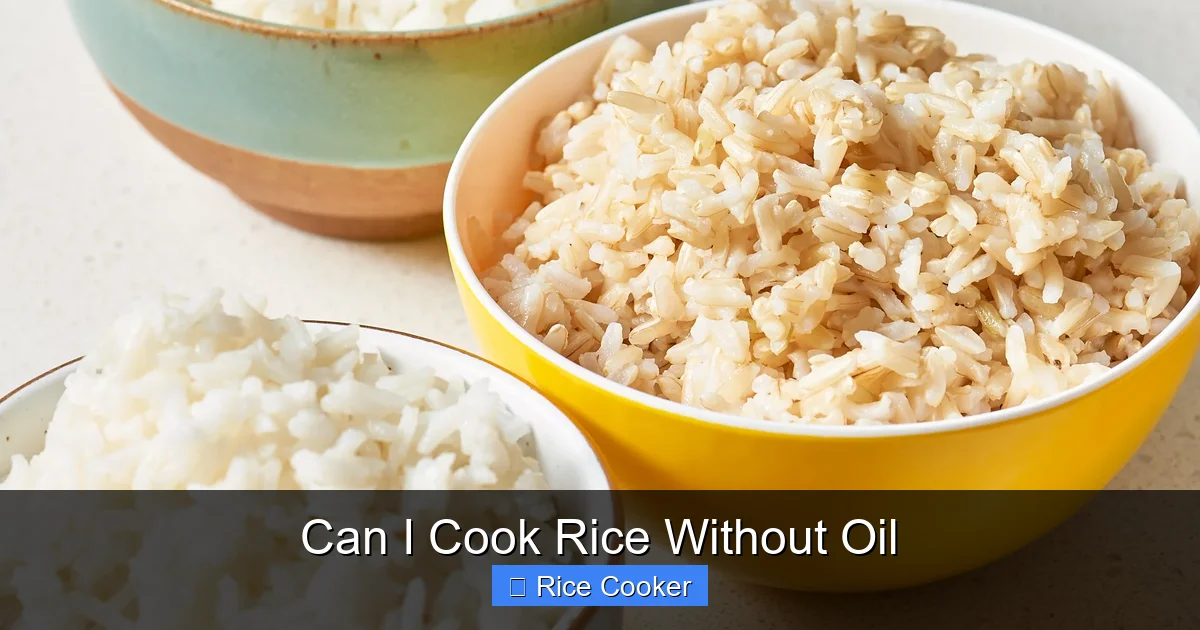
You absolutely can cook rice without oil, and it’s easier than you think. Whether you’re using a rice cooker, stovetop, or even an Instant Pot, cooking rice with just water delivers fluffy, tender grains without added fat. In fact, skipping oil can help keep your meals lighter, healthier, and perfect for low-fat diets—without sacrificing taste or texture.
Have you ever wondered if you can cook rice without oil? If you’re watching your fat intake, cutting back on cooking oils for health reasons, or simply trying to simplify your kitchen routine, the answer is a resounding yes. You absolutely can cook rice without oil—and not only can you do it, but you might find that your rice turns out fluffier, cleaner, and even tastier when done this way. With the right technique, any type of rice—white, brown, jasmine, basmati—can be cooked perfectly using just water and a little patience.
In this comprehensive guide, we’ll walk you through everything you need to know about cooking rice without oil, from the science behind why it works to practical tips for achieving restaurant-quality results at home. Whether you’re using a traditional rice cooker, a pot on the stove, or even an Instant Pot, you’ll learn how to make light, tender, and aromatic rice every time—no oil required.
Key Takeaways
- Oil is not required: Rice cooks perfectly using only water, especially in modern rice cookers with precise temperature control.
- Health benefits: Cooking without oil reduces saturated fat intake, making it ideal for heart-healthy and low-calorie diets.
- Better digestion: Un-oiled rice is easier on the stomach, particularly beneficial for those with sensitive digestive systems.
- Flavor absorption: Without oil, rice absorbs more of the flavors from broths, herbs, and sauces used during cooking.
- Cost-effective: Eliminating oil saves money and simplifies cleanup while maintaining delicious results.
- Versatile methods: From stovetop boiling to steaming with a lid, multiple techniques support oil-free rice preparation.
- Suitable for all rice types: White, brown, jasmine, basmati, and wild rice all work well without added fat.
📑 Table of Contents
The Truth About Oil in Rice Cooking
For decades, recipes have called for a tablespoon or two of oil when cooking rice. But is that really necessary? Let’s break down the role of oil in rice cooking and whether it actually makes a difference.
Historically, oil was often used in rice cooking to prevent sticking, add richness, and enhance flavor. In traditional Asian cooking, for example, a small amount of oil or sesame oil might be added to the pot before rice to create a non-stick surface and infuse subtle aroma. However, modern rice cookers—especially electric models with advanced sensors—are designed to prevent sticking without oil, thanks to their precise temperature control and steam release mechanisms.
Moreover, cooking rice with oil isn’t just about taste—it also adds unnecessary calories and saturated fat. For people managing their weight, heart health, or cholesterol levels, eliminating oil from rice cooking is a simple yet effective step toward a lighter diet. And here’s the surprising part: many professional chefs and home cooks alike now prefer cooking rice without oil because it allows the natural starch and moisture of the grain to shine through.
Does Oil Really Make a Difference?
Let’s compare rice cooked with oil versus rice cooked without:
| Method | Stickiness | Flavor Profile | Texture | Calories per 1 cup |
|——–|———–|—————-|———|———————|
| With oil | Slightly less sticky | Richer, nuttier | Creamier | ~200 |
| Without oil | Slightly more prone to clumping | Cleaner, more neutral | Fluffy, separate grains | ~180 |
As you can see, the difference in texture is minimal with proper technique, and the calorie savings are real. The flavor impact depends on the type of oil used—sesame oil adds a distinct nuttiness, while vegetable or olive oil imparts a milder taste. But if you’re aiming for a clean, versatile base for stir-fries, curries, or grain bowls, un-oiled rice is often preferred.
Why People Still Use Oil (And Why They Shouldn’t)
Some cooks stick to the old habit because they believe oil prevents burning or sticking. But modern rice cookers have anti-stick inner pots made of ceramic, titanium, or non-reactive materials. These coatings are highly effective at preventing rice from clinging, even without oil.
Another reason people add oil is psychological—they associate oil with “rich” or “delicious” food. But rice doesn’t need richness to be satisfying. In fact, when you remove the oil, you allow other ingredients—like garlic, ginger, onions, or broth—to flavor the rice more deeply. Think of rice as a canvas: without oil, it absorbs more of the surrounding flavors.
How to Cook Rice Without Oil: Step-by-Step Methods
Now that we’ve established that oil isn’t essential, let’s dive into the best ways to cook rice without it. Each method has its own advantages, so choose the one that fits your kitchen setup and lifestyle.
Method 1: Using a Rice Cooker (Easiest and Most Reliable)
If you own a rice cooker—and honestly, who doesn’t these days?—you’re already set up for success. Modern rice cookers are engineered to cook rice perfectly using only water. Here’s how:
1. **Rinse the rice:** Place 1 cup of rice (any type) in a fine-mesh strainer and rinse under cold water until the water runs clear. This removes excess starch and prevents gunkiness.
2. **Add water:** Pour the rinsed rice into the inner pot of the rice cooker. Add water according to the ratio on the packaging—typically 1:1.5 (rice to water) for white rice and 1:2 for brown rice.
3. **Start cooking:** Close the lid and press the “Cook” button. The rice cooker will heat the water, bring it to a boil, then reduce to a simmer and maintain the right temperature until the water evaporates.
4. **Let it rest:** Once the cycle ends, let the rice sit for 10 minutes with the lid closed. This allows the steam to finish cooking the grains evenly and makes them fluffier.
Pro tip: For extra flavor, replace some of the water with low-sodium broth or add a splash of soy sauce or lemon juice before cooking.
Method 2: Stovetop with a Lid (Classic Technique)
If you don’t have a rice cooker, the stovetop method works beautifully—as long as you use a tight-fitting lid and low heat. Follow these steps:
1. **Combine rice and water** in a heavy-bottomed pot (like stainless steel or enamel).
2. **Bring to a boil**, then immediately reduce heat to the lowest setting.
3. **Cover tightly** with a lid and let it simmer for 15–20 minutes (white rice) or 40–45 minutes (brown rice).
4. **Turn off the heat** and let it sit, covered, for another 10 minutes.
The key here is low, steady heat. High heat causes the bottom layer to burn while the top remains undercooked. A heavy pot distributes heat evenly, and the tight lid traps steam, which cooks the rice gently.
Method 3: Steaming Over Boiling Water (No Heat Required After Boiling)
This method is ideal for busy mornings or when you want to multitask. It uses the residual heat of boiling water to finish cooking the rice.
1. **Boil water** in a pot with a steaming insert or colander.
2. **Place rinsed rice** in the steamer basket over the boiling water.
3. **Cover tightly** and steam for 20–25 minutes (white rice) or 35–40 minutes (brown rice).
4. **Remove and rest** for 10 minutes before fluffing.
This method keeps your kitchen cool and avoids any risk of burning, since the rice never directly touches the flame.
Method 4: Using an Instant Pot or Pressure Cooker
Instant Pots are fantastic for hands-off rice cooking. They use high pressure to speed up the process while keeping the rice moist and tender.
1. **Add rice and water** to the Instant Pot (1:1.25 ratio for white rice, 1:1.5 for brown).
2. **Close the lid**, set the valve to sealing, and select “Manual” or “Pressure Cook” for 3 minutes (white) or 6 minutes (brown).
3. **Allow natural release** for 10 minutes, then quick-release any remaining pressure.
4. **Fluff and serve.**
The result? Fluffy, evenly cooked rice in under 20 minutes—no oil needed.
Benefits of Cooking Rice Without Oil
Beyond being simpler and healthier, cooking rice without oil offers several advantages that go beyond the plate.
Lower Calorie Intake
One of the most obvious benefits is reduced calories. A tablespoon of oil contains about 120 calories and 14 grams of fat. By skipping it, you save those calories without compromising satisfaction. For someone eating rice daily, that adds up quickly—over 1,000 calories saved per week.
Improved Heart Health
Saturated fats found in many cooking oils can raise LDL (“bad”) cholesterol levels. By eliminating oil from rice cooking, you contribute to a heart-healthier diet, especially when combined with whole grains like brown rice.
Cleaner Digestive System
Heavy, oily foods can slow digestion and cause discomfort for some people. Un-oiled rice is lighter and easier to digest, making it a great choice after a rich meal or for those with sensitive stomachs.
Enhanced Flavor Absorption
Without oil blocking the surface of the grains, rice becomes more receptive to external flavors. This means your rice will taste better when mixed with curry, vegetables, or sauces.
Reduced Risk of Burning
While oil might seem to prevent sticking, it can actually increase the risk of burning if too much is used or if the heat is too high. Water-based cooking, especially with a rice cooker, offers more consistent results.
Easier Cleanup
Less oil means fewer greasy residues on pots and pans. Plus, rinsing rice before cooking helps prevent gummy clumps and makes cleanup a breeze.
Common Mistakes When Cooking Rice Without Oil
Even with the right tools and methods, mistakes happen. Here are the most common errors and how to avoid them.
Mistake 1: Not Rinsing the Rice
Many people skip rinsing, thinking it’s unnecessary. But rinsing removes excess starch, which can lead to sticky, gummy rice. Always rinse until the water runs clear.
Mistake 2: Using Too Much Water
Too much water results in mushy rice. Stick to the recommended ratios and avoid peeking under the lid during cooking—this releases steam and disrupts the process.
Mistake 3: Skipping the Resting Period
After cooking, letting rice sit for 10 minutes allows steam to distribute evenly and makes it fluffier. Don’t rush this step!
Mistake 4: Using Low-Quality Rice
Cheap, low-grade rice often contains fillers and broken grains that don’t cook evenly. Invest in good-quality rice for the best results.
Mistake 5: Stirring While Cooking
Stirring breaks apart the grains and leads to uneven texture. Only stir once, after cooking, when fluffing.
Tips for Perfect Oil-Free Rice Every Time
Want to take your rice game to the next level? Try these expert tips.
Use a Timer
Set a timer for the exact cooking time. Rice cookers usually have preset timers, but stovetop cooking benefits from precision.
Try Different Ratios for Texture
For firmer rice, use slightly less water. For softer rice, add a bit more. Experiment to find your preference.
Add Aromatics
Instead of oil, try adding a bay leaf, a piece of kaffir lime, or a sprig of thyme to the cooking water for subtle flavor.
Cook in Batches
If you’re cooking for a crowd, cook in batches to ensure each serving is fresh and hot.
Store Leftovers Properly
Let cooled rice air-dry before refrigerating. Store in an airtight container for up to 3 days.
Can You Cook All Types of Rice Without Oil?
Absolutely. Here’s how different rice varieties fare without oil:
White Rice
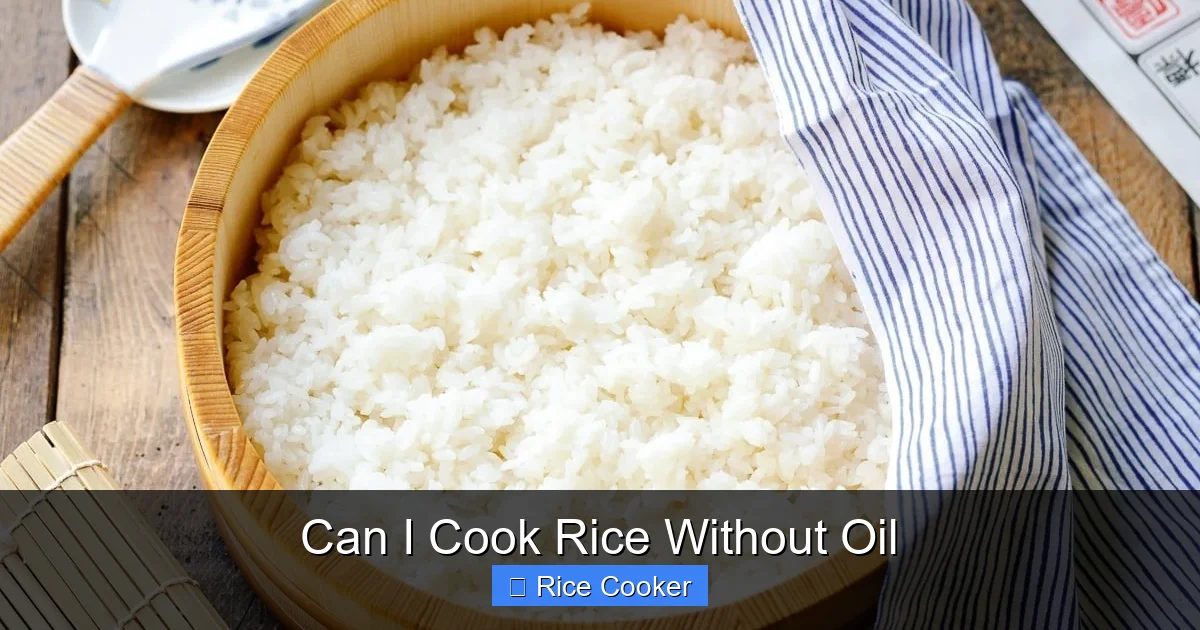
The easiest to cook without oil. Short- and medium-grain white rice (like jasmine or sushi rice) becomes soft and slightly sticky, perfect for sushi or risotto.
Brown Rice
Takes longer due to its bran layer, but still works beautifully. Soak it overnight to speed up cooking.
Basmati Rice
Long-grain and fragrant, basmati rice separates nicely without oil. Rinse thoroughly to avoid clumping.
Wild Rice
A mix of grains, wild rice benefits from longer soaking and simmering. Add it toward the end of cooking if using a rice cooker.
Glutinous Rice
Also known as sticky rice, this variety needs careful water control. Steam it gently for best results.
Parboiled Rice
Already partially processed, parboiled rice holds its shape well and doesn’t require oil.
Frequently Asked Questions
Is it healthier to cook rice without oil?
Yes, cooking rice without oil reduces saturated fat and calorie intake, making it a better option for heart health and weight management. It also allows rice to absorb more of the flavors from other ingredients.
Visual guide about Can I Cook Rice Without Oil
Image source: recipes.net
Will rice stick without oil?
In most cases, no—especially if you use a quality rice cooker with a non-stick inner pot. Rinsing the rice and using the correct water ratio also prevent sticking.
Can I add flavor to rice without oil?
Absolutely. Use broth instead of water, add herbs, spices, or a splash of vinegar. You can even sauté aromatics like garlic or ginger separately and mix them in after cooking.
How do I prevent rice from becoming mushy?
Don’t overfill the pot, avoid stirring during cooking, and use the right water-to-rice ratio. Letting rice rest after cooking also helps firm up the texture.
Can I cook rice in a microwave without oil?
Yes. Place rinsed rice and water in a microwave-safe dish, cover with a lid or plastic wrap, and cook on high for 10–15 minutes, checking halfway. Let it rest before fluffing.
Does cooking rice without oil affect cooking time?
No—cooking time depends on the rice type and method, not the presence of oil. Water-based cooking may even be more consistent since it relies on steam and heat transfer rather than fat conduction.
Frequently Asked Questions
Is it healthier to cook rice without oil?
Yes, cooking rice without oil reduces saturated fat and calorie intake, making it a better option for heart health and weight management. It also allows rice to absorb more of the flavors from other ingredients.
Will rice stick without oil?
In most cases, no—especially if you use a quality rice cooker with a non-stick inner pot. Rinsing the rice and using the correct water ratio also prevent sticking.
Can I add flavor to rice without oil?
Absolutely. Use broth instead of water, add herbs, spices, or a splash of vinegar. You can even sauté aromatics like garlic or ginger separately and mix them in after cooking.
How do I prevent rice from becoming mushy?
Don’t overfill the pot, avoid stirring during cooking, and use the right water-to-rice ratio. Letting rice rest after cooking also helps firm up the texture.
Can I cook rice in a microwave without oil?
Yes. Place rinsed rice and water in a microwave-safe dish, cover with a lid or plastic wrap, and cook on high for 10–15 minutes, checking halfway. Let it rest before fluffing.
Does cooking rice without oil affect cooking time?
No—cooking time depends on the rice type and method, not the presence of oil. Water-based cooking may even be more consistent since it relies on steam and heat transfer rather than fat conduction.