
Can I feed chickens cooked rice? Absolutely — chickens can safely enjoy cooked rice as part of a balanced diet, but there are important guidelines to follow. Cooked rice is nutritious and easy for chickens to digest when fed in moderation. Always avoid uncooked rice and limit portions to prevent digestive upset or obesity. With proper preparation and serving size, rice can be a healthy treat that supports your flock’s overall health and energy levels.
Key Takeaways
- Safety First: Only feed chickens fully cooked, cooled rice. Uncooked rice expands in the digestive tract and can cause blockages.
- Nutritional Benefits: Cooked rice provides carbohydrates, fiber, and some B vitamins that support energy and digestion in chickens.
- Moderation Matters: Rice should be a small part of the diet—no more than 10% of daily feed intake to avoid nutritional imbalances.
- Proper Preparation: Serve plain, unseasoned rice without salt, oil, garlic, or spices, which can harm chickens.
- Mix It Up: Combine rice with vegetables, grains, or protein sources like insects or mealworms for a well-rounded meal.
- Watch for Allergies: While rare, monitor your chickens after introducing rice to ensure no adverse reactions occur.
Quick Answers to Common Questions
Can chickens eat uncooked rice?
No, uncooked rice is dangerous for chickens. It expands in their digestive tract and can cause blockages or impaction, leading to serious health issues or death.
How often can I feed my chickens cooked rice?
Feed cooked rice once or twice a week in small portions. Limit it to no more than 10% of their total diet to maintain nutritional balance.
Should I add anything to the rice for my chickens?
Never add salt, oil, spices, or seasonings. Plain, cooled rice is safest. You can mix it with vegetables or protein for added nutrition.
Can baby chicks eat cooked rice?
Yes, but only after they’ve learned to peck and swallow solid food, usually around 2–3 weeks old. Start with very soft, finely broken pieces.
Is rice water safe for chickens?
Rice water is okay in tiny amounts, but it’s not a substitute for fresh water. Chickens need constant access to clean drinking water regardless.
📑 Table of Contents
- Introduction: Can Chickens Eat Cooked Rice? A Friendly Guide
- Why Chickens Love Cooked Rice
- Is Cooked Rice Good for Chickens? Nutritional Benefits Explained
- How to Safely Feed Chickens Cooked Rice
- Risks of Feeding Chickens Cooked Rice
- Alternatives to Cooked Rice for Chickens
- Conclusion: Cooked Rice Is Safe and Enjoyable — But Moderation Is Key
Introduction: Can Chickens Eat Cooked Rice? A Friendly Guide
Have you ever looked at your backyard chickens pecking happily around the yard and thought, “They seem so content.” You might wonder what they’re eating — and whether you can share some of your meals with them. One common question from chicken keepers is: Can I feed chickens cooked rice? The answer is yes — but with some important caveats.
Chickens are omnivores, meaning they enjoy both plant-based and animal-based foods. They love foraging for seeds, insects, worms, and even bits of leftovers from our kitchens. Cooked rice fits into this category perfectly. It’s soft, easy to digest, and full of energy — especially when compared to their usual scratch grains. But before you start tossing rice bowls to your hens, let’s explore what makes rice good (or bad) for chickens, how to serve it safely, and why balance is key.
This article will walk you through everything you need to know about feeding your chickens cooked rice. From nutritional value to preparation tips, we’ll cover the facts so you can make informed choices for your flock. Whether you’re a beginner or a seasoned homesteader, understanding what your chickens eat helps keep them healthy, happy, and productive. Let’s get started!
Why Chickens Love Cooked Rice
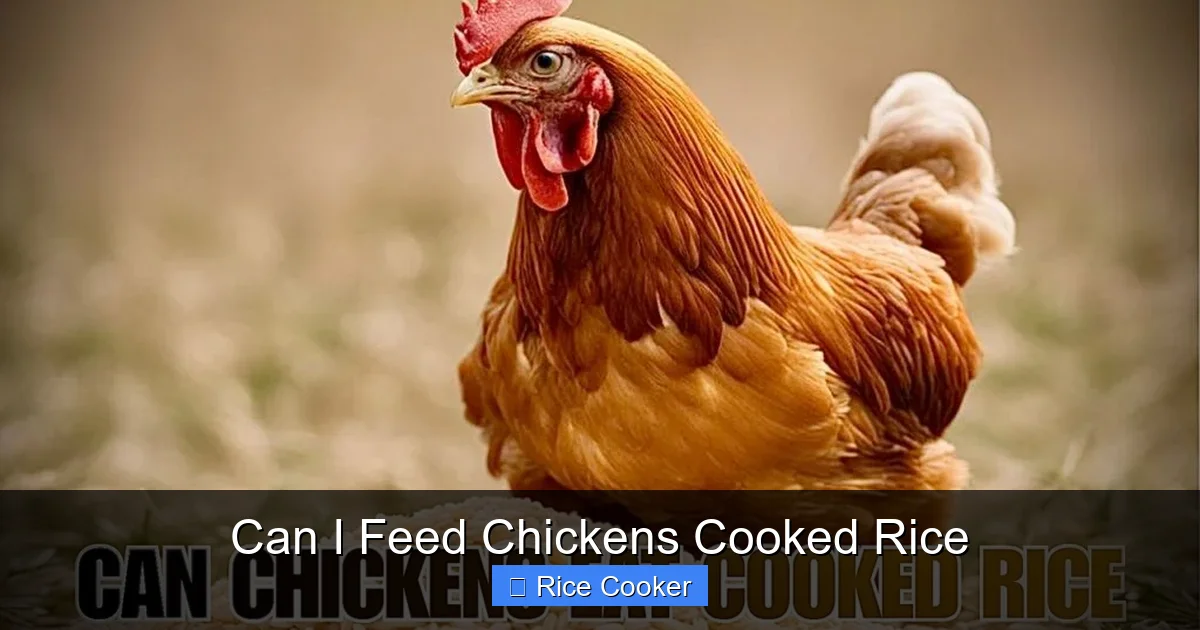
Visual guide about Can I Feed Chickens Cooked Rice
Image source: theorganicwayfarm.com
Chickens naturally seek out energy-rich foods, especially during molting season or cold weather when they need extra calories. Cooked rice fits right into this preference. It’s soft, warm when freshly cooked, and has a pleasant texture that appeals to chickens of all ages — from chicks to older layers.
Unlike hard grains like corn or millet, cooked rice doesn’t require much effort to peck apart. This makes it ideal for baby chicks who are still learning how to forage. Even adult birds find it satisfying to eat. Plus, because rice is mostly starch, it gives a quick burst of energy. That’s why farmers often use rice as an emergency feed or a treat during stressful times like transport or coop cleaning.
But don’t mistake “popular” for “perfect.” Just because chickens enjoy rice doesn’t mean it should dominate their diet. Think of it like a dessert — delicious in small amounts, but not a main course. In fact, overfeeding rice can lead to health problems. So while it’s great to spoil your flock occasionally, always keep rice as a supplement rather than a staple.
The Digestive Needs of Chickens
Understanding how chickens process food helps explain why cooked rice works so well. Chickens have a short digestive tract compared to ruminants like cows, which means they need easily digestible foods. Their crop — a stretchy pouch near the throat — stores food temporarily before passing it into the gizzard, where strong muscles crush it with help from grit (small stones they swallow).
Cooked rice breaks down quickly in the crop and gizzard. It doesn’t require much mechanical breakdown, making it gentle on their system. Uncooked rice, on the other hand, swells up when it absorbs moisture and can form a hard mass in the crop, leading to impaction — a dangerous condition where the bird can’t pass food and may starve.
That’s why only fully cooked rice is safe. It’s also best served cooled slightly, not hot, to avoid burns. You wouldn’t want to eat piping-hot rice yourself, so why feed it to chickens?
Is Cooked Rice Good for Chickens? Nutritional Benefits Explained
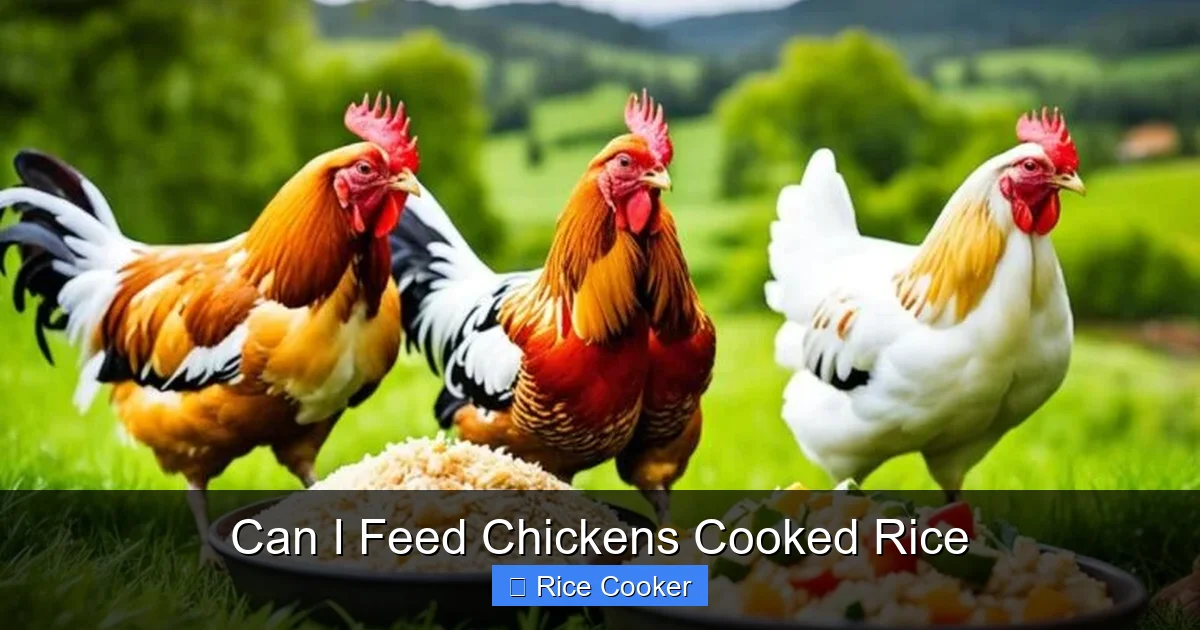
Visual guide about Can I Feed Chickens Cooked Rice
Image source: bestfarmanimals.com
So, beyond being tasty and easy to eat, what does cooked rice actually offer your chickens? Let’s break down its nutritional profile and see how it fits into a balanced diet.
Rice is primarily a source of carbohydrates. One cup of cooked white rice contains about 45 grams of carbs, providing quick energy. Brown rice offers more fiber and nutrients, including magnesium, selenium, and B vitamins. For chickens, these micronutrients support metabolism, feather growth, and egg production.
Fiber is another benefit, especially with brown rice. It aids digestion and helps regulate gut health. Chickens with sensitive crops may appreciate the gentle bulk. However, too much fiber without enough protein can slow digestion and reduce nutrient absorption.
Protein content in rice is low — around 2–3 grams per cup — which isn’t enough to meet a chicken’s daily needs. That’s why rice should never replace protein-rich foods like insects, mealworms, or commercial layer pellets. Instead, use it as filler or energy booster.
Vitamins and minerals in rice are modest but helpful. Thiamine (B1), riboflavin (B2), and niacin (B3) support nerve function and energy conversion. Iron and phosphorus contribute to bone strength and blood health. Still, relying solely on rice would leave your flock deficient in critical nutrients like calcium (needed for eggshells) and lysine (an essential amino acid).
In short: cooked rice is good for chickens — but only as part of a varied diet. It’s like giving your chicken a snack, not a full meal.
Brown vs. White Rice: Which Is Better?
When choosing rice for your chickens, you’ll likely encounter two options: white and brown. Both are safe, but they differ in nutrition.
Brown rice retains its bran and germ layers, making it richer in fiber, antioxidants, and minerals like manganese and magnesium. It takes longer to cook and costs a bit more, but it’s closer to the whole grain it was made from. Chickens tend to prefer white rice because it’s softer and sweeter, but brown rice is healthier in the long run.
White rice has been polished to remove the outer layers, leaving mostly starch. It cooks faster and digests quickly, which is fine for occasional feeding. But if you give rice regularly, opt for brown rice to boost fiber intake and support gut health.
Either way, avoid instant or flavored rice products. These often contain added salt, sugar, or preservatives that are harmful to chickens.
How to Safely Feed Chickens Cooked Rice
Now that we’ve covered the “why,” let’s talk about the “how.” Feeding chickens cooked rice isn’t rocket science, but following a few simple steps ensures safety and enjoyment.
First, always cook rice using plain water. No butter, no salt, no garlic, no herbs — nothing that could upset their stomachs. Chickens don’t need flavor enhancements, and many human seasonings are toxic to them (like onions and caffeine).
Use fresh, clean rice. Avoid expired or moldy grains, as mold can produce mycotoxins that harm liver function. Store leftover rice in an airtight container in the fridge for up to three days. Reheat gently before serving if needed.
Portion control is crucial. A handful of rice per bird once or twice a week is plenty. Overfeeding leads to obesity, fatty liver disease, and poor egg quality. Remember, chickens should get 70–80% of their diet from formulated feed, with treats making up the rest.
Serve rice in a shallow dish or scattered on the ground. Some chickens prefer to pick it up individually; others like to scratch at it together. Either way, it encourages natural foraging behavior. If feeding indoors, place the rice on a tray lined with paper to catch crumbs and prevent waste.
Finally, observe your birds after introducing rice. Watch for signs of discomfort like bloating, lethargy, or reduced appetite. While rare, individual sensitivities can occur. If anything seems off, stop feeding rice and consult a poultry vet.
Practical Tips for Chicken Owners
– **Start Small:** Introduce rice gradually to avoid sudden changes in diet.
– **Combine Wisely:** Mix rice with chopped greens, cracked corn, or dried fruit for variety.
– **Avoid Leftover Takeout:** Restaurant rice often comes with grease or sauces that are unhealthy.
– **Use Rice Water Sparingly:** The liquid left after cooking rice is okay in tiny amounts, but don’t rely on it as a drink — chickens need fresh water anyway.
– **Rotate Foods:** Don’t feed rice every day. Alternate with other treats like peas, oats, or scrambled eggs.
With these tips, feeding cooked rice becomes a fun, stress-free experience for both you and your chickens.
Risks of Feeding Chickens Cooked Rice
While cooked rice is generally safe, it’s not without risks — especially when misused. Awareness of potential downsides helps you avoid common mistakes.
One major concern is overfeeding. Rice is high in calories but low in protein and essential fats. Regularly feeding large portions can lead to weight gain and fatty liver syndrome, where fat builds up in the liver, reducing egg production and shortening lifespan.
Another issue is nutritional imbalance. If rice replaces other parts of the diet, chickens may miss out on vital nutrients. For example, skipping protein sources means weaker immune systems and slower growth. Similarly, lacking calcium-rich foods like crushed oyster shells can cause soft-shelled or thin-shelled eggs.
Improper storage also poses a risk. Rice left out at room temperature can develop bacteria or mold. Always refrigerate leftovers and discard any that smell off or look discolored.
Lastly, feeding uncooked rice is extremely dangerous. As mentioned earlier, uncooked rice absorbs water in the crop and swells, potentially blocking the digestive tract. This can cause pain, dehydration, and even death within hours. Never feed raw rice to chickens.
To stay safe, stick to cooked, cooled rice in small quantities, and always pair it with a balanced diet.
Signs Your Chicken May Be Having Trouble with Rice
Even when prepared correctly, some chickens may react poorly to rice. Watch for these warning signs:
– **Distended Crop:** The neck area looks swollen, and the bird seems uncomfortable.
– **Regurgitation:** Food coming back up suggests digestion issues.
– **Lethargy or Weakness:** The chicken sits more than usual and lacks energy.
– **Loss of Appetite:** Refusing other foods or water.
– **Feathers Puffed Up:** A sign of illness or stress.
If you notice any of these, remove rice immediately and provide fresh water. If symptoms persist, contact a veterinarian experienced in poultry care.
Alternatives to Cooked Rice for Chickens
You might wonder: if rice is okay, are there better options? Absolutely. While rice is a decent treat, many alternatives offer superior nutrition and variety.
Oats are a top choice. They’re rich in fiber, protein, and B vitamins, and chickens love pecking through them. Rolled or steel-cut oats work well — just soak them overnight to soften. Barley, millet, quinoa, and buckwheat are also excellent whole grains that support digestive and immune health.
Vegetables add vitamins and minerals. Offer chopped carrots, squash, spinach, or kale in moderation. These are lower in calories than rice but packed with antioxidants. Just avoid iceberg lettuce, which offers little nutritional value and can cause diarrhea due to high water content.
Fruits like apples, berries, or melons make sweet, hydrating snacks. Remove seeds (especially apple cores, which contain cyanide) and cut into bite-sized pieces.
Animal-based proteins include mealworms, black soldier fly larvae, boiled eggs, or even small pieces of fish. These boost protein intake, crucial for muscle development and egg production.
Commercial treats designed for chickens exist too — look for wholesome, minimally processed options without artificial additives.
The key is diversity. Rotate different foods weekly to keep your flock interested and ensure they get all necessary nutrients.
A Sample Weekly Treat Schedule
Here’s a simple plan to mix things up:
– **Monday:** Scrambled egg (cooled)
– **Tuesday:** Chopped carrots and peas
– **Wednesday:** Cooked brown rice
– **Thursday:** Mealworms
– **Friday:** Apple slices
– **Saturday:** Oats soaked overnight
– **Sunday:** Leftover veggie scraps
This routine prevents boredom and supports overall health.
Conclusion: Cooked Rice Is Safe and Enjoyable — But Moderation Is Key
To wrap things up: yes, you can feed chickens cooked rice, and it’s a perfectly acceptable treat when done right. It’s nutritious, easy to digest, and beloved by most flocks. Just remember to cook it plain, cool it down, and serve it sparingly — no more than 10% of their total diet.
Rice alone won’t sustain your chickens. They need a balanced mix of proteins, grains, vegetables, and supplements to thrive. Use rice as a fun addition, not a replacement for proper feed.
By following safe practices and watching for signs of trouble, you can confidently include cooked rice in your chicken-keeping routine. After all, happy chickens lay more eggs and live longer lives. And isn’t that what we’re all working toward?
So go ahead — share that bowl of rice with your feathered friends. Just don’t forget the grit, the vitamins, and plenty of fresh water. Happy feeding!
Frequently Asked Questions
Is cooked rice safe for chickens to eat?
Yes, fully cooked and cooled rice is safe and nutritious for chickens. It provides carbohydrates and some B vitamins but should only be given in moderation as part of a balanced diet.
What happens if chickens eat too much rice?
Overeating rice can lead to weight gain, obesity, and fatty liver disease due to its high calorie content and lack of essential nutrients like protein and calcium.
Can I feed my chickens leftover restaurant rice?
No, avoid restaurant rice because it often contains added oils, salt, or sauces that are harmful to chickens. Stick to plain, home-cooked rice instead.
Do chickens like cooked rice?
Most chickens enjoy cooked rice because it’s soft, easy to eat, and provides energy. It’s a popular treat among backyard flocks.
Should I mix rice with other foods for my chickens?
Yes, combining rice with vegetables, grains, or protein sources like mealworms creates a more balanced and interesting meal for your chickens.
How do I store leftover cooked rice for chickens?
Store leftover rice in an airtight container in the refrigerator for up to three days. Reheat gently before serving and discard any spoiled or moldy portions.