
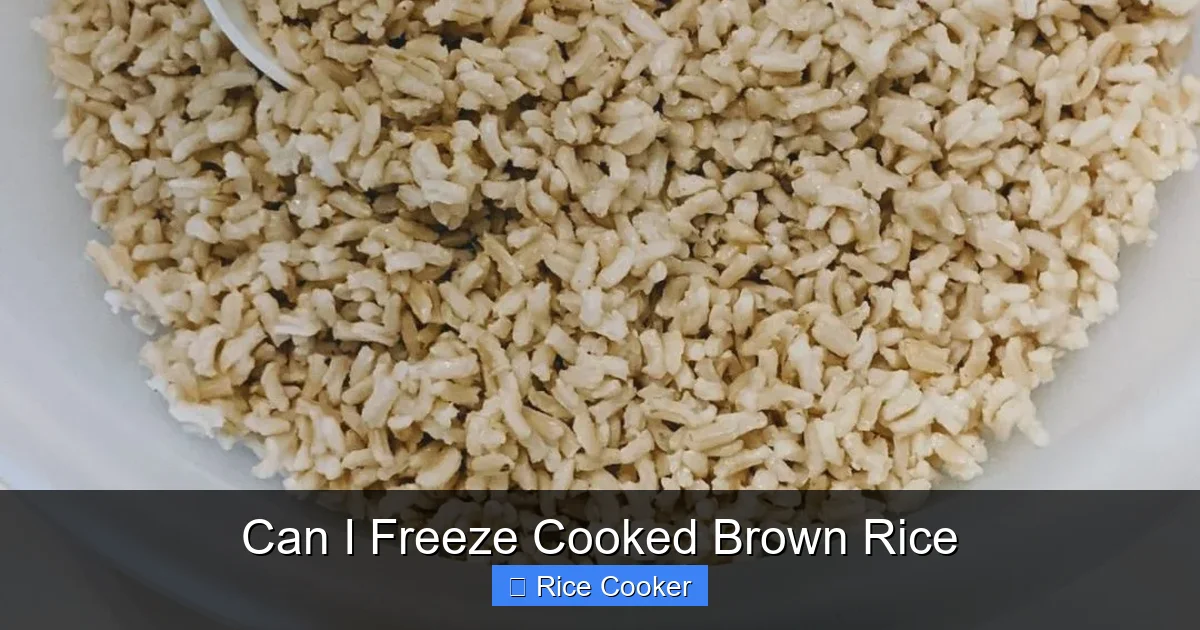
Can I freeze cooked brown rice? Absolutely! Freezing cooked brown rice is not only possible but highly recommended for meal prep and reducing waste. With the right steps, your rice will stay fresh, flavorful, and ready to use in just minutes when thawed properly.
Key Takeaways
- Freezing extends shelf life: Cooked brown rice can last up to 6 months in the freezer, far longer than at room temperature.
- Proper storage prevents freezer burn: Use airtight containers or heavy-duty freezer bags to maintain quality.
- Cooling before freezing is essential: Always cool rice quickly to avoid bacterial growth and uneven freezing.
- Reheating preserves texture: Steam or microwave with a splash of water to restore moisture without turning mushy.
- Label and date your containers: This helps track freshness and ensures you use the oldest batches first.
- Portion control saves time: Freeze in meal-sized portions for quick access during busy days.
- Freezer-safe containers are key: Glass or BPA-free plastic containers work best for long-term storage.
Key Takeaways
- Understanding can i freeze cooked brown rice: Provides essential knowledge
Quick Answers to Common Questions
Can I freeze cooked brown rice immediately after cooking?
No, you should let it cool to room temperature first. Placing hot rice in the freezer raises the appliance’s temperature and creates condensation, which can lead to freezer burn and bacterial growth.
Does freezing ruin the texture of brown rice?
Not if done correctly. While texture may change slightly over time, proper thawing and reheating restore most of its original consistency. Avoid high-heat methods to preserve quality.
How do I reheat frozen brown rice without making it mushy?
Add a splash of water or broth, cover it, and reheat gently—either on the stove or in short microwave bursts. Stirring during reheating helps distribute moisture evenly.
Is frozen brown rice safe to eat after 6 months?
It may still be safe indefinitely if kept at 0°F or below, but quality declines after 6 months. Check for off smells, sliminess, or discoloration before using.
Can I freeze brown rice with added ingredients like vegetables or seasonings?
Yes, but mix them in before freezing. Otherwise, they may separate or become soggy. Ensure all components are cooled and portioned together.
📑 Table of Contents
- Can I Freeze Cooked Brown Rice? A Complete Guide to Safe, Long-Lasting Meals
- Why Freeze Cooked Brown Rice?
- How Long Can You Keep Cooked Brown Rice in the Freezer?
- Step-by-Step: How to Freeze Cooked Brown Rice Safely
- Best Containers and Packaging for Freezing Brown Rice
- Thawing and Reheating Cooked Brown Rice Without Losing Texture
- Common Mistakes People Make When Freezing Brown Rice
- Creative Ways to Use Frozen Cooked Brown Rice
- Health Considerations When Freezing Brown Rice
- Environmental Benefits of Freezing Leftovers
- Final Thoughts: Yes, You Should Freeze Cooked Brown Rice
Can I Freeze Cooked Brown Rice? A Complete Guide to Safe, Long-Lasting Meals
You’ve just finished cooking a big batch of brown rice—perfect for stir-fries, grain bowls, or even a simple side dish. But now you’re left wondering: “Can I freeze cooked brown rice?” The short answer is yes—and doing so can save you hours of prep time, reduce food waste, and keep your meals deliciously fresh. Whether you’re meal prepping for the week or simply have leftovers, freezing cooked brown rice is one of the most practical kitchen hacks you can adopt.
Unlike white rice, which loses flavor and texture quickly after cooking, brown rice actually improves slightly when stored properly—especially in the freezer. Its higher fiber content and nutty flavor profile hold up well over time. In this comprehensive guide, we’ll walk you through everything you need to know about freezing cooked brown rice: from preparation and storage to safe thawing and reheating techniques. You’ll also learn expert tips to keep your rice from becoming soggy or developing off-flavors. By the end, you’ll be confident in your ability to freeze, store, and serve perfect brown rice every single time.
Why Freeze Cooked Brown Rice?
Freezing cooked brown rice isn’t just about convenience—it’s a smart strategy for maintaining nutrition, saving money, and minimizing waste. Here’s why it makes sense:
Visual guide about Can I Freeze Cooked Brown Rice
Image source: themillerskitchen.com
Nutrient Retention Over Time
Brown rice is packed with fiber, antioxidants, and essential minerals like magnesium and manganese. While some nutrients do degrade over time, freezing helps slow down oxidation and enzymatic breakdown. When stored correctly, frozen brown rice retains most of its nutritional value even after several months. Studies show that properly frozen grains can maintain up to 90% of their original vitamins and minerals compared to fresh-cooked versions.
Meal Prep Efficiency
Imagine having perfectly portioned, ready-to-use brown rice waiting in your freezer. No more last-minute boiling or rushing to cook grains before dinner. Just grab a portion, thaw, and go! This is especially helpful for busy professionals, parents, or anyone who wants healthy meals on hand without daily effort.
Reduced Food Waste
In America alone, nearly 40% of food goes uneaten—much of it due to spoilage or forgotten leftovers. Freezing cooked brown rice ensures you don’t toss out half-finished servings. A single pot of rice can easily stretch across two weeks if managed wisely.
Cost-Effective Cooking
Buying rice in bulk (like 5-pound bags) often comes at a discount. Cooking it all at once and freezing portions means you’re getting the same deal per serving as someone who buys small amounts regularly—without sacrificing freshness.
How Long Can You Keep Cooked Brown Rice in the Freezer?
The freezer transforms cooked brown rice into a pantry staple that lasts much longer than you might expect. Under ideal conditions, properly stored cooked brown rice remains safe and retains excellent quality for up to six months. After that point, while it may still be technically edible, the texture and flavor could begin to decline.
Visual guide about Can I Freeze Cooked Brown Rice
Image source: themillerskitchen.com
Quality vs. Safety Timeline
It’s important to distinguish between safety and quality. The U.S. Department of Agriculture (USDA) states that cooked rice—including brown rice—can safely remain in the freezer indefinitely as long as the freezer maintains a consistent 0°F (-18°C) or below. However, for optimal taste and texture, experts recommend using frozen brown rice within six months. Beyond that, you might notice slight changes such as increased brittleness or a stale aroma.
Signs Your Frozen Rice Is Still Good
Before tossing out leftover frozen rice, check these indicators:
- No unusual odors: If it smells rancid, fermented, or sour, discard it immediately.
- Texture is acceptable: It should be firm but not rock-hard. Avoid any slimy patches or discoloration.
- Moisture level: There may be ice crystals, which is normal. These can be removed during thawing.
If your rice passes these checks, it’s likely still usable—just give it extra care during reheating.
Step-by-Step: How to Freeze Cooked Brown Rice Safely
Freezing cooked brown rice sounds simple, but skipping a few critical steps can lead to clumpy rice, freezer burn, or even foodborne illness. Follow this foolproof process for best results.
Step 1: Cool the Rice Rapidly
Never put hot rice directly into the freezer. Doing so raises the internal temperature of your appliance, causing other foods to warm up and potentially spoil. Instead, spread the rice in a thin layer on a baking sheet or shallow tray. This increases surface area for faster cooling and prevents condensation buildup later.
Let it sit at room temperature for 30–60 minutes, stirring occasionally, until it reaches no warmer than 70°F (21°C). This step reduces the risk of bacterial growth (like Bacillus cereus, which can survive regular refrigeration) and ensures even freezing.
Step 2: Portion Into Containers
Divide the cooled rice into meal-sized portions—about 1 cup each works well for most recipes. Using portion sizes prevents you from defrosting more than you’ll use, which avoids repeated thawing/freezing cycles that degrade quality.
Choose freezer-safe containers: glass jars with tight lids, silicone ice cube trays (great for tiny portions), or heavy-duty zip-top freezer bags. Leave about ½ inch of headspace in rigid containers to allow expansion during freezing.
Step 3: Seal Tightly and Label
For maximum protection against freezer burn, squeeze out as much air as possible from freezer bags before sealing. Alternatively, fill rigid containers completely and seal tightly. Wipe the rim clean before closing to prevent sticking.
Use a permanent marker to label each container with the date. This simple habit helps you rotate stock and avoid using older batches first—a core principle of FIFO (First In, First Out).
Step 4: Freeze Flat (If Using Bags)
To save space and prevent bags from sticking together, lay flat-sided freezer bags on a plate or baking sheet while freezing. Once solid, stand them upright or stack them neatly. This also makes it easier to find what you need without digging through a jumble.
Best Containers and Packaging for Freezing Brown Rice
The container you choose plays a huge role in preserving your rice’s quality. Not all plastics are created equal, and some materials can leach chemicals when frozen—or worse, absorb odors and flavors from other foods.
Top Choices Compared
| Container Type | Pros | Cons | Best For |
|---|---|---|---|
| Glass Jars (with lids) | Durable, reusable, won’t absorb odors | Heavy, can break if dropped | Long-term storage (3+ months) |
| Silicone Ice Cube Trays | Flexible, easy to pop out, BPA-free | Limited capacity per cube | Small batches, sauces, or baby food |
| Heavy-Duty Freezer Bags | Space-saving, flexible, affordable | Prone to punctures, may retain odors | Short-term storage (under 3 months) |
| BPA-Free Plastic Containers | Lightweight, leak-proof | May degrade over time in freezer | Occasional use, moderate storage |
What to Avoid
- Regular sandwich bags: Too flimsy; prone to tearing and leaking.
- Metal containers: Can react with acidic foods and alter taste.
- Containers without lids: Allow air exchange, leading to freezer burn.
Thawing and Reheating Cooked Brown Rice Without Losing Texture
This is where many people run into trouble: frozen brown rice often ends up either dry and crumbly or soggy and unappetizing. The secret lies in gentle thawing and moisture restoration.
Safe Thawing Methods
Never thaw rice at room temperature—this creates a breeding ground for bacteria. Instead, choose one of these safe options:
- Refrigerator method (best): Transfer frozen rice to the fridge 12–24 hours before use. This slow, even thawing preserves texture and safety.
- Cold water bath: Seal the container in a waterproof bag, submerge in cold tap water, and change water every 30 minutes until thawed (usually takes 1–2 hours).
- Microwave with steam: Skip full thawing—many people reheat frozen rice straight from the freezer using the microwave’s “defrost” setting followed by heating.
Reheating Tips for Perfect Results
Even after thawing, frozen brown rice tends to lose moisture. Here’s how to bring it back:
- Add moisture first: Place rice in a microwave-safe bowl with 1–2 tablespoons of water or broth. Cover loosely with a damp paper towel or vented lid.
- Heat in intervals: Microwave on medium power (50%) for 1–2 minutes at a time, stirring between cycles. This prevents overcooking.
- Steam on stove: Put rice in a saucepan with a splash of water over low heat, covered, for 5–7 minutes—gentle steam revives texture beautifully.
- Avoid high heat: Boiling or high-power microwaving turns rice into glue-like mush.
Flavor Boosting Ideas
Frozen rice can sometimes taste bland. Try these tricks to elevate it:
- Drizzle with olive oil or sprinkle with sea salt before reheating.
- Add herbs like parsley, cilantro, or chives after warming.
- Toss with lemon juice, garlic powder, or smoked paprika for depth.
- Mix into soups or stews during final cooking stages—this rehydrates while adding flavor.
Common Mistakes People Make When Freezing Brown Rice
Despite being a straightforward process, several habits can sabotage your efforts. Being aware of these pitfalls helps you avoid them entirely.
Mistake #1: Skipping the Cooling Step
Placing hot rice straight into the freezer doesn’t just waste energy—it compromises food safety. Hot food raises the freezer’s temperature temporarily, affecting other items. More importantly, rapid cooling prevents bacterial spores (like those from Bacillus cereus) from multiplying in the “danger zone” (40°F–140°F / 4°C–60°C).
Mistake #2: Overfilling Containers
Rice expands as it freezes slightly. Filling containers to the brim causes cracking and leaks. Always leave ¼–½ inch of space at the top.
Mistake #3: Not Labeling
Without labels, you’ll eventually forget which batch is oldest. This leads to using rice past its prime or double-thawing portions unnecessarily.
Mistake #4: Repeated Thawing and Refreezing
Each cycle damages cell structure, making rice grainier and less palatable. Plan ahead so you only thaw what you’ll use.
Mistake #5: Using Damaged Packaging
Punctured bags or cracked jars compromise insulation. Inspect packaging before storing and replace anything compromised.
Creative Ways to Use Frozen Cooked Brown Rice
Once you master freezing, the possibilities expand! Frozen brown rice becomes a versatile base for countless dishes—no extra cooking required.
Breakfast Ideas
- Fried rice scramble: Sauté with scrambled eggs, veggies, and soy sauce.
- Grain bowls: Top with avocado, beans, salsa, and a fried egg.
- Oatmeal-style porridge: Simmer with milk, cinnamon, and fruit for a savory twist.
Lunch & Dinner Options
- Buddha bowls: Pair with roasted vegetables, tahini dressing, and chickpeas.
- Stuffed peppers or bellies: Mix with ground meat, cheese, and spices, then bake.
- Sushi rolls: Warm rice slightly, shape with nori and fillings—works surprisingly well!
- Soups & curries: Add directly to simmering liquids; it absorbs flavors beautifully.
Sides & Snacks
- Rice cakes: Toast with butter and jam or hummus.
- Energy balls: Blend with dates, nuts, and cocoa for no-bake snacks.
- Stuffing: Combine with celery, onions, and broth for holiday dishes.
Health Considerations When Freezing Brown Rice
Brown rice offers significant health benefits—but only if handled correctly. Improper storage can negate these advantages or even pose risks.
Nutritional Impact of Freezing
Freezing doesn’t destroy nutrients; in fact, it slows oxidation better than refrigeration. Brown rice contains phytic acid, which can inhibit mineral absorption—but this compound also acts as an antioxidant. Freezing preserves both properties effectively.
Allergen & Cross-Contamination Risks
If you have celiac disease or gluten sensitivity, ensure your rice wasn’t cross-contaminated during processing or storage. Always verify labels for “gluten-free” certification. Similarly, keep gluten-free rice separate from wheat-based products in your kitchen.
Hydration Levels Matter
Overly dry frozen rice can be unsafe if not reheated thoroughly. Always ensure it reaches an internal temperature of 165°F (74°C) during reheating to kill any potential pathogens.
Environmental Benefits of Freezing Leftovers
Beyond personal convenience, freezing cooked brown rice supports sustainability. Reducing food waste means fewer resources used in production, transportation, and disposal. Plus, buying rice in bulk (then portioning/freezing) lowers packaging waste compared to purchasing small packages repeatedly.
Final Thoughts: Yes, You Should Freeze Cooked Brown Rice
So, can I freeze cooked brown rice? The evidence—and our kitchen experience—is clear: yes, absolutely. With proper technique, you get extended shelf life, reduced waste, and instant meal readiness whenever you need it. It’s a win-win for your wallet, your schedule, and the planet.
Remember the golden rules: cool quickly, portion wisely, seal tightly, and reheat gently. Treat your frozen rice with care, and it’ll reward you with fluffy, flavorful results every time. Next time you cook a big batch, don’t hesitate—freeze some away. Your future self will thank you.
Frequently Asked Questions
Can I freeze cooked brown rice for a long time?
Yes, cooked brown rice can safely be frozen for up to 6 months while retaining good quality. Beyond that, it may still be edible but could lose flavor and texture.
Should I drain excess water before freezing brown rice?
No draining is needed—brown rice already has the right moisture content after cooking. Extra liquid will evaporate during freezing and thawing.
How do I prevent freezer burn on frozen brown rice?
Use airtight containers or heavy-duty freezer bags, remove as much air as possible, and avoid prolonged exposure to cold, dry freezer air.
Can I refreeze brown rice after thawing?
Only if you didn’t thaw it at room temperature. If thawed in the fridge or cold water, you can refreeze it safely—but repeat cycles reduce quality.
Does freezing affect the nutritional value of brown rice?
Freezing helps preserve nutrients better than refrigeration. Most vitamins and minerals remain intact if stored properly and consumed within recommended timeframes.
What’s the best way to reheat frozen brown rice in a rice cooker?
Add 1–2 tablespoons of water to the rice, place the insert in the rice cooker, and select the “warm” or “steam” function. Cover and heat for 5–10 minutes until warmed through.