
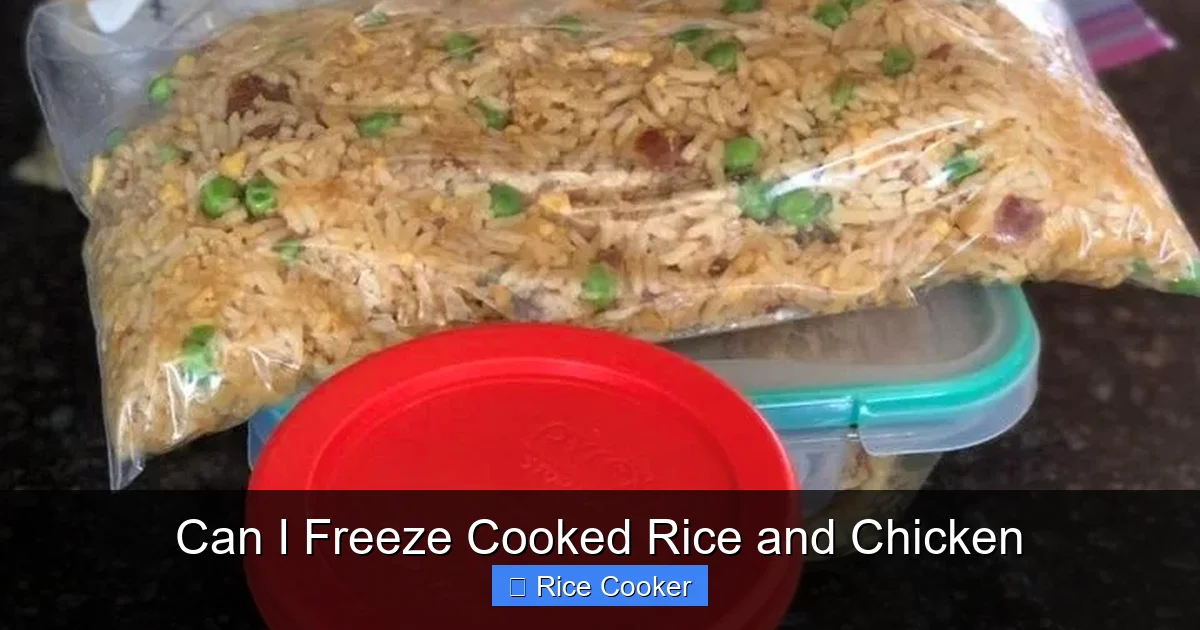
Freezing cooked rice and chicken is not only safe—it’s a smart way to reduce food waste and save time. When stored properly in airtight containers or freezer bags, these staples can last up to three months while keeping their flavor and texture. Reheating frozen rice and chicken is easy with the right methods, so you’ll never have to eat cold leftovers again. If you’re interested in using specialty rices like Arborio for your meals, you can learn how to cook them in a rice cooker.
Have you ever found yourself staring at a pot of leftover chicken and rice, wondering if it’s okay to freeze it? Or maybe you’ve thrown away perfectly good meals because you weren’t sure how long they’d last? If so, you’re not alone. Many home cooks struggle with food waste and meal planning, especially when it comes to storing cooked grains and proteins like rice and chicken. But here’s the good news: yes, you absolutely can freeze cooked rice and chicken safely and effectively. With the right techniques, you can preserve flavor, texture, and nutrition for weeks—even months—after cooking. This guide will walk you through everything you need to know: from why freezing works so well for these foods, to step-by-step instructions on how to do it right. Whether you’re meal prepping for the week or just trying to cut down on kitchen cleanup, mastering the art of freezing cooked rice and chicken is a game-changer. You might also wonder about keeping rice warm in a rice cooker; see our guide on leaving the rice cooker on warm.
Cooking in bulk has become increasingly popular among busy families, fitness enthusiasts, and anyone looking to simplify their weekly routine. However, the real challenge often lies in what to do with all that extra food. Freezing is one of the most efficient ways to extend shelf life without sacrificing quality. Cooked rice and chicken are particularly well-suited for freezing because they’re versatile, nutrient-dense, and freeze-thaw cycles don’t ruin them as easily as some other foods might. Unlike raw meat or delicate vegetables, cooked chicken holds up beautifully in the freezer, and rice actually improves in texture when properly frozen and reheated. In this article, we’ll explore best practices, common mistakes to avoid, creative ideas for using frozen rice and chicken, and even tips for pairing them into delicious new meals. By the end, you’ll feel confident every time you reach into your freezer for a quick dinner. If you often wonder about leaving rice in the cooker after cooking, check out our article on whether you can leave rice in the rice cooker.
Key Takeaways
- Yes, you can freeze cooked rice and chicken: Both are excellent candidates for freezing when prepared correctly.
- Proper storage is essential: Use airtight containers or vacuum-sealed bags to prevent freezer burn and moisture loss.
- Label and date your containers: This helps you track freshness and avoid confusion when pulling items from the freezer.
- Thawing matters: Always thaw in the refrigerator, not at room temperature, to maintain food safety.
- Reheat with care: Use low heat and add a splash of water to revive dry textures after thawing.
- Freeze portions wisely: Divide large batches into meal-sized servings for easier reheating later.
- Quality drops over time: Best eaten within 2–3 months for optimal taste and texture.
📑 Table of Contents
- Why Freeze Cooked Rice and Chicken?
- How Long Can You Keep Cooked Rice and Chicken in the Freezer?
- Step-by-Step Guide: How to Freeze Cooked Rice and Chicken
- Best Practices for Thawing and Reheating
- Meal Ideas Using Frozen Rice and Chicken
- Common Mistakes to Avoid When Freezing Cooked Rice and Chicken
- Storage Equipment You’ll Need
- Final Thoughts: Make Freezing a Habit
Why Freeze Cooked Rice and Chicken?
Before diving into storage methods, it’s helpful to understand why freezing cooked rice and chicken makes sense. First off, both ingredients are rich in carbohydrates and protein—two macronutrients that keep you full and energized. Cooking them ahead of time means you always have a solid foundation for quick meals. Second, freezing significantly extends shelf life. While cooked rice typically lasts 4–7 days in the fridge, freezing pushes that timeline to up to 3 months. The same goes for cooked chicken, which can be safely kept in the freezer for up to 4 months according to USDA guidelines.
Another major benefit is reduced food waste. According to the USDA, Americans throw away nearly 30–40% of the food supply each year, much of which could be preserved with proper freezing techniques. By portioning out excess rice and chicken and sealing them tightly, you’re giving those meals a second life. Plus, having pre-cooked proteins and starches on hand saves precious time during hectic weeknights. Imagine pulling out a container of seasoned chicken and fluffy rice from the freezer, reheating it gently, and serving a nutritious dinner in under ten minutes. That’s convenience with purpose.
The Science Behind Freezing Cooked Foods
When you freeze cooked rice and chicken, you’re essentially halting the growth of bacteria and slowing down chemical reactions that cause spoilage. Water expands when frozen, which is why ice crystals form inside cells. For plant-based foods like rice, this process can slightly alter texture—but with proper handling, the difference is minimal. Proteins in chicken also stabilize during freezing, helping retain moisture and tenderness.
However, rapid freezing is key. Large blocks of food take longer to freeze, increasing the chance of uneven temperatures and freezer burn. That’s why dividing your portions into smaller containers or bags ensures quicker, more uniform freezing. Also, because cooked foods already contain moisture, there’s less risk of dehydration compared to raw items. Just remember: once thawed, the food should be consumed promptly—never refrozen unless cooked thoroughly first.
How Long Can You Keep Cooked Rice and Chicken in the Freezer?

Visual guide about Can I Freeze Cooked Rice and Chicken
Image source: canyourefreeze.com
One of the most frequently asked questions about freezing cooked rice and chicken is: how long can I keep them before they go bad? The answer depends on storage conditions and original preparation methods. Generally speaking:
– **Cooked rice**: Up to 3 months (best quality)
– **Cooked chicken**: Up to 4 months (USDA recommendation)
– **Combined rice and chicken dishes** (like fried rice or chicken casseroles): Up to 3 months
These timelines assume proper packaging and consistent freezer temperature (0°F or -18°C). Beyond these periods, while the food may still be technically safe to eat, flavor and texture degrade noticeably. Ice crystals grow larger over time, leading to a soggy or mushy consistency in rice and dry, chewy chicken.
It’s also worth noting that freezer burn isn’t harmful, but it does affect taste and appearance. It occurs when air reaches the surface of food, causing dehydration and oxidation. Proper wrapping prevents this by creating an airtight barrier. Always inspect frozen items before use—if there are dark spots or a frosty layer, trim those areas before reheating.
Signs Your Frozen Rice or Chicken Has Gone Bad
Even though frozen foods last longer than refrigerated ones, it’s important to know when something has spoiled. Here are red flags to watch for:
– **Unpleasant odor**: Rancid smells indicate bacterial growth or fat oxidation.
– **Texture changes**: Excessively dry, rubbery, or slimy surfaces suggest poor storage or prolonged freezing.
– **Discoloration**: Grayish or black patches may mean freezer burn or contamination.
– **Ice buildup inside packaging**: This usually happens if the seal was broken repeatedly or the item wasn’t sealed properly initially.
If any of these signs appear, discard the food immediately—even if it looks mostly intact. Safety always comes first.
Step-by-Step Guide: How to Freeze Cooked Rice and Chicken
Freezing cooked rice and chicken doesn’t require special equipment or advanced skills—just a few simple steps to ensure success. Follow this beginner-friendly process for best results.
Step 1: Cool Down Promptly
After cooking, let your rice and chicken cool for no more than two hours before transferring to the freezer. Rapid cooling reduces the risk of bacterial growth, especially in the “danger zone” between 40°F and 140°F. Spread rice on a baking sheet to speed up airflow, or divide chicken into shallow layers in a container.
Step 2: Portion Into Meal-Sized Batches
Avoid freezing everything in one giant container. Instead, divide into individual or family-sized portions. This makes reheating easier and minimizes waste. For example, if you made a big batch of lemon herb chicken with jasmine rice, separate it into four servings instead of one massive block.
Use containers that hold about 1–1.5 cups of rice and 3–4 ounces of chicken per person. Overfilling makes thawing difficult and increases the chance of uneven heating later.
Step 3: Wrap Tightly to Prevent Air Exposure
Choose one of these options:
– **Plastic wrap** followed by foil or freezer paper
– **Freezer-safe ziplock bags**
– **Vacuum-sealed pouches**
– **Hard plastic containers with lids**
Press out as much air as possible from bags before sealing. Squeezing out air slows oxidation and freezer burn. For liquids like broth-based sauces mixed with rice, leave a little headspace since expansion during freezing can crack rigid containers.
Step 4: Label and Date Everything
Use a permanent marker or label maker to write the contents and date on each container. Include basic details like “Chicken & Brown Rice – Oct 15” so you can quickly identify what’s inside without opening multiple packages. This habit alone can save you from throwing away forgotten leftovers.
Step 5: Freeze Flat for Space Efficiency
Place bags flat on shelves rather than stacking them upright. Flattening maximizes space in your freezer and allows faster thawing. If using containers, arrange them in single rows if possible. This also prevents accidental crushing when accessing other items.
Best Practices for Thawing and Reheating
Once your frozen rice and chicken are ready to enjoy, proper thawing and reheating make all the difference between a great meal and a disappointing one. Never thaw at room temperature—this encourages bacterial growth. Instead, follow these safe and effective methods:
Thawing Methods
– **Refrigerator thawing (recommended)**: Transfer containers to the fridge 12–24 hours before eating. This slow method maintains texture and safety.
– **Cold water bath**: For quicker results, seal the package in a leak-proof bag and submerge in cold water. Change water every 30 minutes; thaw usually takes 1–2 hours.
– **Microwave defrost (use cautiously)**: Only suitable for immediate reheating afterward. Rotate pieces occasionally to ensure even thawing.
Reheating Tips for Rice
Cooked rice can become dry or clumpy after freezing. To restore fluffiness:
– Steam it: Place rice in a covered microwave-safe dish with 1–2 tablespoons of water. Heat on high for 1–2 minutes, stir, then repeat if needed.
– Use a pan: Add rice to a nonstick skillet with a splash of broth or water. Cover and cook over medium heat, stirring frequently, until heated through.
– Avoid overcooking: Rice absorbs liquid slowly, so low-and-slow is better than blasting it with high heat.
Reheating Tips for Chicken
Chicken loses moisture during freezing, so gentle reheating preserves juiciness:
– Simmer in broth: Add cubed chicken to warm vegetable or chicken broth in a saucepan. Heat gently until steaming.
– Microwave with sauce: Place chicken in a bowl with a tablespoon of gravy, yogurt, or mayo. Cover and microwave in 30-second intervals.
– Oven-bake: Spread chicken on a baking sheet, cover loosely with foil, and bake at 325°F (165°C) until internal temperature reaches 165°F.
Meal Ideas Using Frozen Rice and Chicken
The beauty of freezing cooked rice and chicken is versatility. Once thawed, you can transform basic ingredients into exciting new dishes without starting from scratch. Here are five creative ideas to inspire your next meal:
1. Chicken Fried Rice
Combine thawed rice and chicken with scrambled eggs, peas, carrots, soy sauce, and sesame oil. Stir-fry over medium-high heat until fragrant. Garnish with green onions and crushed peanuts for crunch.
2. Grain Bowls
Layer rice and chicken over roasted vegetables like broccoli, bell peppers, and sweet potatoes. Drizzle with tahini dressing or sriracha mayo for bold flavors.
3. Stuffed Bell Peppers
Mix rice, chicken, diced tomatoes, corn, and herbs. Stuff into hollowed bell peppers and bake at 375°F for 25–30 minutes until peppers soften.
4. Chicken and Rice Soup
Simmer rice, shredded chicken, onions, celery, and garlic in low-sodium broth. Season with thyme and bay leaf. Finish with a swirl of heavy cream for richness.
5. Breakfast Hash
Sauté thawed rice and chicken with black beans, corn, and spices like cumin and chili powder. Top with fried egg and avocado slices for a hearty morning meal.
These recipes show how freezing simplifies mealtime while expanding culinary possibilities. Experiment with seasonings, sauces, and sides to match your taste preferences.
Common Mistakes to Avoid When Freezing Cooked Rice and Chicken
Even experienced home cooks sometimes slip up when freezing meals. Being aware of common pitfalls helps you avoid wasted food and disappointment. Here are the top errors and how to fix them:
Mistake #1: Not Cooling Before Freezing
Leaving hot food in the freezer creates temperature fluctuations and promotes ice crystal formation. Always cool completely before sealing. A quick trick: spread rice on a rimmed baking sheet and place chicken in a colander over ice water.
Mistake #2: Using Regular Plastic Bags Without Sealing
Standard grocery bags often tear or don’t reseal tightly. Invest in thick, freezer-grade ziplocks or reusable silicone bags designed for long-term storage.
Mistake #3: Overfilling Containers
Rigid containers expand when frozen. Leave ½-inch headspace to accommodate volume changes. Flexible bags handle expansion better than glass or hard plastic.
Mistake #4: Skipping Labels
Without dates, you might forget what’s inside. Use waterproof labels and write clearly. Consider color-coding by type (e.g., blue for rice, red for chicken).
Mistake #5: Refreezing Thawed Food
Never refreeze rice or chicken that’s been fully thawed unless it’s cooked again. Raw or partially cooked thawed food risks cross-contamination and spoilage.
By sidestepping these mistakes, you’ll maximize the benefits of freezing while keeping your meals safe and delicious.
Storage Equipment You’ll Need
To freeze cooked rice and chicken efficiently, gather these essentials beforehand:
– **Freezer-safe containers** (glass or BPA-free plastic)
– **Heavy-duty ziplock bags** (quart or gallon size)
– **Aluminum foil or wax paper**
– **Permanent marker or label maker**
– **Vacuum sealer (optional but helpful)**
– **Rimmed baking sheets** (for quick cooling)
Having everything ready cuts down on guesswork and ensures smooth execution. Keep supplies in a designated drawer near your freezer for easy access.
Final Thoughts: Make Freezing a Habit
Freezing cooked rice and chicken isn’t just about saving time—it’s about creating a sustainable, stress-free approach to eating. By embracing this simple practice, you reduce waste, stretch your grocery budget, and build a reliable pantry of nutritious staples. Whether you’re preparing holiday leftovers, cooking for a crowd, or simply making extra during a busy day, knowing how to freeze and reuse rice and chicken empowers you to eat well without the guilt.
Remember, there’s no perfect system—just what works for your lifestyle. Start small: freeze one batch this weekend and see how it feels. Soon, you’ll find yourself reaching for the freezer more often, enjoying fresher meals, and spending less time worrying about what to cook next. With a little planning and these tried-and-true tips, freezing cooked rice and chicken becomes second nature. Your future self will thank you!
Frequently Asked Questions
Can I freeze cooked white rice and chicken together?
Yes, you can freeze cooked white rice and chicken together as long as they’re cooled, portioned, and sealed properly. This is ideal for dishes like fried rice or casseroles. Just ensure the mixture isn’t too wet or dry, and label the container clearly.
How do I prevent my frozen rice from becoming mushy?
To keep rice fluffy after freezing, avoid overcooking it initially. Cool it quickly, freeze in thin layers, and thaw in the refrigerator. Reheat with a splash of water or broth to restore moisture. Steaming works better than microwaving for texture preservation.
Is it safe to eat frozen chicken that’s been in the freezer for 5 months?
While frozen chicken is safe beyond 4 months, quality declines. Check for freezer burn, off odors, or slimy texture before cooking. If everything looks and smells normal, it’s likely still edible—but expect minor differences in taste and juiciness.
Can I freeze rice and chicken in a slow cooker?
No, slow cookers aren’t designed for freezing. Instead, transfer cooked rice and chicken to airtight containers or bags, then place them in the freezer. Slow cooker liners aren’t freezer-safe and may leak or warp.
Do I need to add salt or seasoning before freezing?
Not necessarily. Freshness is highest when freezing plain cooked rice and chicken, then adding fresh seasonings upon reheating. Extra salt or strong herbs can become overly concentrated after freezing and thawing. Taste-test after reheating and adjust as needed.
What’s the best way to reheat frozen rice and chicken in a microwave?
Place food in a microwave-safe dish, add 1–2 tablespoons of water or broth, cover with a damp paper towel, and heat in 30-second intervals. Stir between cycles to distribute heat evenly. Let sit for 1–2 minutes after heating to finish warming through.