
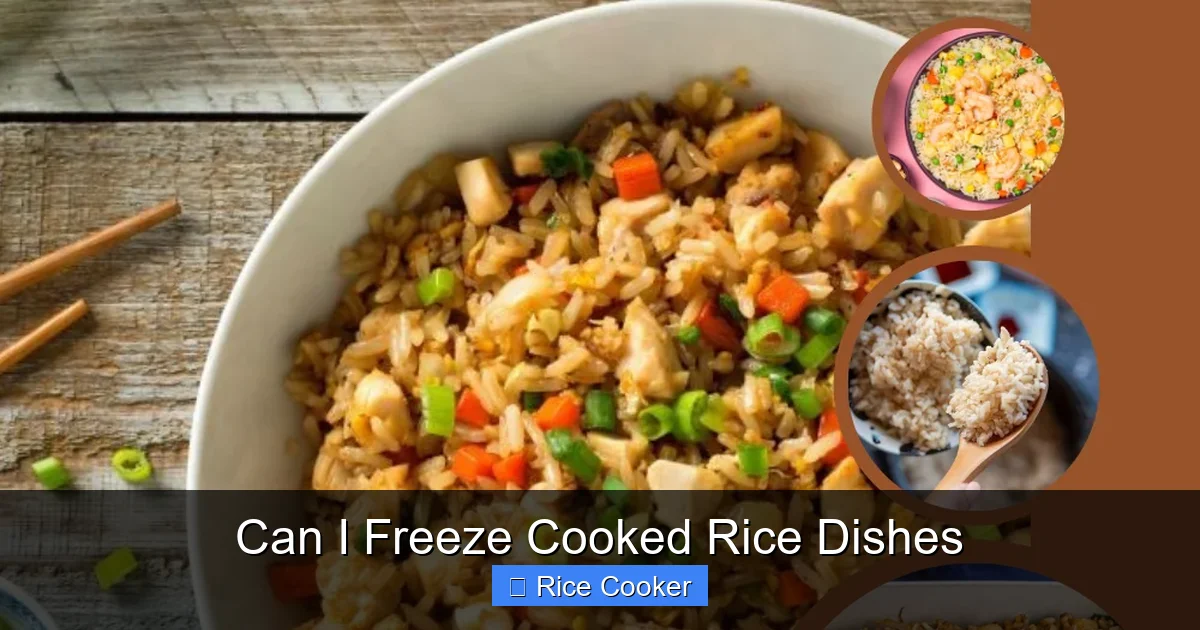
Can I freeze cooked rice dishes? Absolutely! Freezing cooked rice is a smart way to save time, reduce food waste, and keep meals fresh for weeks. With the right techniques, your rice dishes will taste just as delicious when you reheat them. Whether it’s fried rice, risotto, or biryani, proper freezing preserves texture and flavor so you’re always ready for quick meals.
Key Takeaways
- Freezing cooked rice extends shelf life: Properly stored, rice dishes can last 1–3 months in the freezer without losing quality.
- Texture matters most: Rice absorbs water differently when frozen, so avoid overcooking or adding too much liquid before freezing.
- Portion control helps: Freeze in small, single-serving portions for easy reheating and minimal waste.
- Cooling before freezing is key: Let rice cool completely to prevent ice crystals and bacterial growth.
- Use airtight containers or freezer bags: These protect against freezer burn and help maintain freshness.
- Reheat thoroughly: Always steam or microwave rice until hot throughout—never eat rice cold from the freezer.
- Best dishes to freeze: Fried rice, pilafs, casseroles, and curries freeze well; delicate sauces may separate.
📑 Table of Contents
- Can I Freeze Cooked Rice Dishes? Yes—and Here’s How to Do It Right
- The Science Behind Freezing Rice
- Which Cooked Rice Dishes Freeze Best?
- Step-by-Step Guide: How to Freeze Cooked Rice Dishes
- How Long Can You Keep Frozen Cooked Rice?
- How to Reheat Frozen Rice Dishes
- Meal Prep Made Simple: Freezing Rice for Busy Weeks
- Common Concerns and Myths About Freezing Rice
- Bonus Tips for Perfect Frozen Rice Dishes
- Conclusion: Freeze Smart, Eat Delicious
Can I Freeze Cooked Rice Dishes? Yes—and Here’s How to Do It Right
Have you ever made a big batch of fried rice, risotto, or biryani only to find yourself eating the same thing for dinner all week? You’re not alone. Cooking large quantities is a great way to save time, but what happens when you have leftovers—especially if you’re not a fan of reheated food?
Enter the freezer: your secret weapon for preserving flavor, texture, and convenience. But here’s the real question: can I freeze cooked rice dishes? The short answer is yes—but not all rice dishes freeze equally well. Some hold up beautifully, while others can become mushy or lose their character.
In this complete guide, we’ll walk you through everything you need to know about freezing cooked rice dishes. From choosing the best recipes to storing and reheating like a pro, you’ll learn how to make every batch count—even when it’s frozen for days (or weeks) later.
Whether you’re using a rice cooker, stovetop, or instant pot, these tips apply to all methods of cooking rice. So grab your container, and let’s dive into the world of freezer-friendly rice!
The Science Behind Freezing Rice
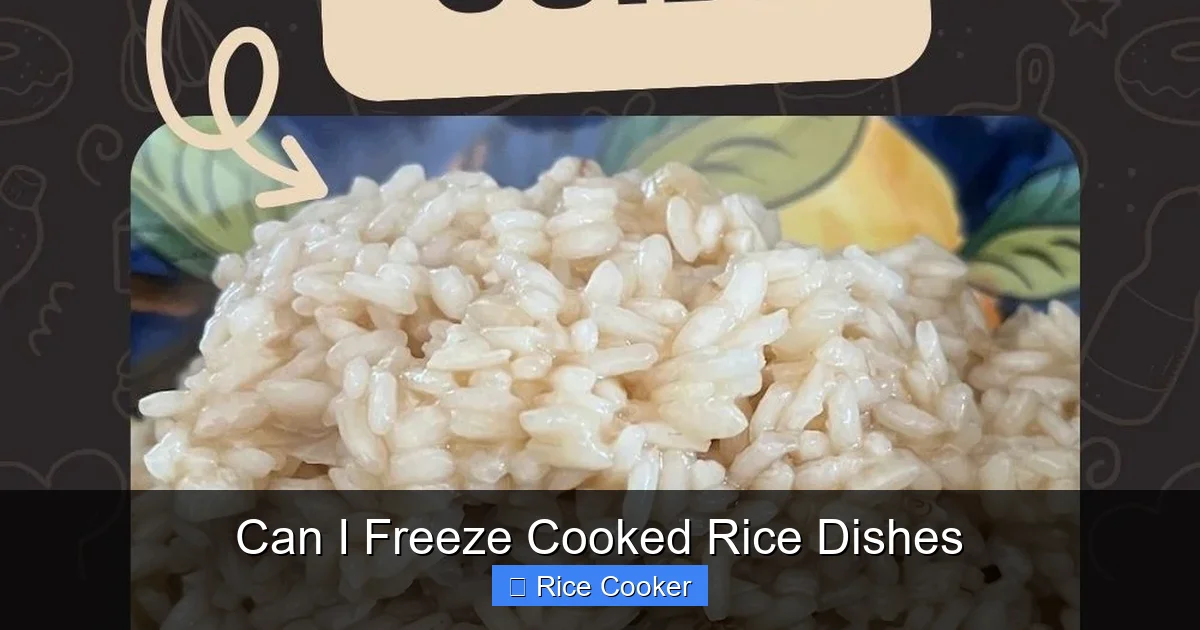
Visual guide about Can I Freeze Cooked Rice Dishes
Image source: bagelsandlasagna.com
Before we get into the “how-to,” let’s talk about the “why.” Understanding what happens to rice when it freezes helps explain why some dishes work better than others.
When rice is cooked, its starch molecules absorb water and swell. This gives it that fluffy, tender texture we love. But when you freeze it, water inside the grains expands as it turns to ice. This can cause tiny cracks in the starch structure—leading to a softer, sometimes gummy texture upon thawing.
That’s why overcooked rice freezes poorly. It already has excess moisture, and freezing pushes it over the edge into mush territory.
On the flip side, properly cooked rice—with just the right amount of moisture—freezes well because the structure remains intact. The key is balance: enough moisture to cook the rice, but not so much that it becomes soggy or prone to ice crystal formation.
Also, remember that rice dishes with heavy creams, mayonnaise, or raw eggs (like some salads or sauces) don’t freeze well. Dairy separates, and egg proteins can turn rubbery. Stick to rice-based dishes without these ingredients for the best results.
Which Cooked Rice Dishes Freeze Best?
Not all rice dishes are created equal when it comes to freezing. Here are the winners—and some dishes to avoid:
Best Rice Dishes to Freeze
- Fried rice: A classic freezer staple! The dry, slightly sticky texture holds up well, especially if cooled before freezing.
- Rice pilaf: With vegetables, herbs, and sometimes meat, pilaf freezes beautifully and reheats evenly.
- Biryani and pulao: These layered rice dishes freeze well because they’re tightly packed and often include spices that enhance flavor during reheating.
- Risotto: Surprisingly, risotto freezes well—especially plain versions. Just be careful not to add cream until reheating.
- Rice casseroles: Think rice bake, jambalaya, or Mexican rice casseroles. These are perfect for batch cooking and freezing.
Dishes to Avoid Freezing
- Rice salads with mayo: Mayo breaks down when frozen and can become oily when thawed.
- Creamy rice dishes with raw milk or yogurt: These separate and lose texture.
- Raw or undercooked rice: Never freeze uncooked rice—it won’t cook properly after thawing.
- Delicate sauces (like hollandaise): These don’t survive freezing well.
If you’re unsure about a recipe, test a small portion first. Freeze and reheat it, then compare the texture and flavor. If it’s good, go ahead with the full batch.
Step-by-Step Guide: How to Freeze Cooked Rice Dishes
Freezing rice dishes isn’t complicated, but doing it the right way makes all the difference. Follow these steps for foolproof results:
1. Cool the Rice Completely
This is non-negotiable. Never put hot rice directly into the freezer. Doing so creates condensation inside the container, which leads to ice crystals and potential bacterial growth (like *Bacillus cereus*, a common rice-related concern).
Instead, spread the rice out on a baking sheet or shallow pan to cool quickly. Stir occasionally to speed things up. Once it reaches room temperature, transfer it to an airtight container.
2. Portion for Convenience
Think about how you’ll use the rice later. Freeze in individual servings or family-sized portions. Use freezer-safe containers or heavy-duty plastic freezer bags. Label each with the dish name and date—this saves time and prevents confusion.
Pro tip: Leave ½-inch headspace in containers. Rice expands as it freezes, and you don’t want it bursting.
3. Choose the Right Containers
For liquids or saucier rice dishes (like risotto), use rigid containers. For drier dishes (like fried rice), freezer bags work well. Squeeze out extra air before sealing to prevent freezer burn.
Avoid glass containers unless they’re specifically labeled for freezer use—they can crack when exposed to sudden temperature changes.
4. Freeze Flat (If Using Bags)
If you’re using freezer bags, lay them flat to save space and ensure even freezing. This also makes stacking easier and prevents crushing.
5. Store at 0°F (-18°C) or Below
Keep your freezer at the recommended temperature. Most home freezers stay around 0°F, so you’re good to go. Avoid opening the door frequently to maintain consistent cold temperatures.
How Long Can You Keep Frozen Cooked Rice?
Most cooked rice dishes can be safely frozen for up to 3 months. After that, quality starts to decline—texture, flavor, and nutritional value may suffer.
Here’s a quick reference:
- Fried rice: 2–3 months
- Pilaf and biryani: 2–3 months
- Risotto: 1–2 months (best eaten sooner for creaminess)
- Vegetable and meat rice dishes: 2–3 months
Always check for signs of freezer burn: dry, discolored patches or off smells. If it looks or smells off, toss it.
How to Reheat Frozen Rice Dishes
The best part? Thawed rice tastes almost as good as fresh. But reheating matters. Cold or partially heated rice can harbor bacteria, so always heat it thoroughly.
Microwave Method (Quick & Easy)
Place the frozen rice in a microwave-safe dish. Cover with a damp paper towel to retain moisture. Microwave on high in 1-minute intervals, stirring between each, until steaming hot (165°F internal temperature).
Stovetop Method (Best for Even Heating)
Add a splash of water or broth to the rice. Heat over medium-low, stirring frequently, until warmed through. This works especially well for risotto or dishes with sauce.
Oven Method (For Large Batches)
Preheat oven to 350°F (175°C). Spread rice in a baking dish, cover tightly with foil, and bake for 15–20 minutes, stirring halfway. Add a little liquid if needed.
Avoid These Mistakes
- Overheating: High heat can make rice dry or crunchy.
- No moisture: Always add a bit of liquid when reheating.
- Skipping stirring: Uneven heating leads to cold spots.
Meal Prep Made Simple: Freezing Rice for Busy Weeks
One of the biggest benefits of freezing rice dishes is meal prep. Imagine having dinner ready in minutes—no cooking required.
Here’s how to build a rice-based meal plan:
Sunday Prep Routine
- Cook a double batch of basmati or jasmine rice.
- Make a big pot of fried rice with leftover veggies and protein.
- Prepare a vegetable pilaf with herbs and toasted nuts.
- Divide into containers and freeze.
During the week, pull one container out, thaw overnight in the fridge, and reheat. Done in 10 minutes!
Tips for Meal Planning
- Rotate stock: Use older batches first to prevent freezer clutter.
- Pair with fresh sides: Add salads, roasted veggies, or grilled chicken to round out the meal.
- Batch-cook proteins: Grill chicken, scramble eggs, or boil beans to mix into rice dishes later.
Common Concerns and Myths About Freezing Rice
You’ve probably heard some myths about freezing rice. Let’s clear them up:
Myth: Freezing ruins all rice dishes
False. While some dishes (like creamy rice salads) don’t freeze well, many popular rice dishes—fried rice, pilaf, biryani—are excellent candidates. It’s about technique and recipe choice.
Myth: Rice gets slimy when frozen
Only if it’s overcooked or stored improperly. Cooling it quickly and using airtight containers prevents this.
Myth: You can’t refreeze thawed rice
You can refreeze rice if it was properly thawed and reheated to 165°F. But for best quality, eat it within 3–4 days of thawing.
Myth: All rice cookers make freezer-friendly rice
Yes—rice cookers produce consistently cooked rice, which freezes better than unevenly cooked stovetop rice. Use your rice cooker for batch cooking!
Bonus Tips for Perfect Frozen Rice Dishes
Want to take your freezing game to the next level? Try these pro tips:
- Add acid before freezing: A splash of lemon juice or vinegar can brighten flavors after thawing.
- Toast nuts or seeds: Add them after reheating to keep them crunchy.
- Use parchment paper: Line containers to prevent sticking when removing rice.
- Label clearly: Include not just the date, but the dish name and ingredients (e.g., “Chicken Biryani – Nov 5”).
- Thaw in the fridge:**: Slow thawing preserves texture better than microwaving straight from frozen.
Conclusion: Freeze Smart, Eat Delicious
So, can you freeze cooked rice dishes? Absolutely. With the right techniques, you can enjoy flavorful, restaurant-quality rice meals all week long—without the hassle of daily cooking.
From fried rice to risotto, pilaf to biryani, many rice dishes freeze beautifully when handled correctly. The key is cooling fast, portioning wisely, and reheating thoroughly.
Whether you’re meal prepping for busy weekdays or simply want to reduce food waste, freezing rice dishes is a game-changer. And the best part? You don’t need fancy equipment—just a good rice cooker, airtight containers, and a little planning.
Next time you cook rice, think beyond the fridge. Consider the freezer. Your future self will thank you with a hot, delicious meal—right when you need it.
Frequently Asked Questions
Can I freeze cooked rice from a rice cooker?
Yes, rice cooked in a rice cooker freezes very well. The even cooking helps preserve texture. Just cool it completely before transferring to airtight containers or freezer bags.
How long does frozen rice last in the freezer?
Frozen cooked rice dishes can safely last 1–3 months. For best quality, aim to use within 2–3 months. Always check for freezer burn or off odors before reheating.
Can I freeze rice salad?
Most rice salads with mayonnaise or creamy dressings don’t freeze well. Mayo separates and becomes oily. Stick to dry rice salads with fresh ingredients and no dairy or eggs for freezing.
Should I add water when reheating frozen rice?
Yes, always add a splash of water or broth when reheating. This restores moisture lost during freezing and helps achieve a soft, fluffy texture.
Is it safe to eat frozen and reheated rice?
Yes, as long as it’s reheated to 165°F (74°C) throughout. Bacteria like *Bacillus cereus* can survive in rice, so thorough reheating is essential. Never eat rice cold or partially heated.
Can I freeze risotto?
Yes, plain risotto freezes well—especially without cream added. Freeze it plain, then stir in cream and cheese after reheating for the best texture and flavor.