
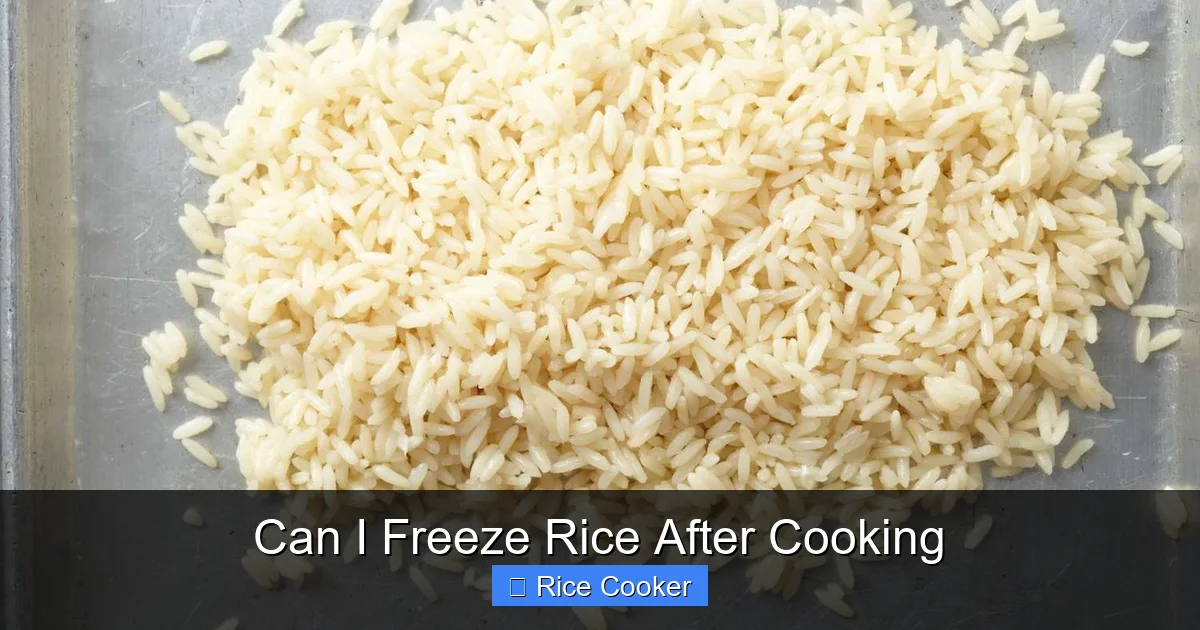
Can I freeze rice after cooking? Absolutely! Freezing cooked rice is a smart way to save time, reduce food waste, and keep meals ready for busy days. With the right steps, your rice stays fresh, safe, and delicious for up to 3 months. Whether you’re making a big batch or leftovers, freezing helps preserve flavor and texture. In this article, we’ll walk you through everything from cooling to storage tips, so your rice stays perfect every time.
Have you ever made too much rice for dinner and wondered if you could save it for another meal? Or maybe you just want to meal prep for the week and don’t want to eat cold rice every day? If so, you’ve probably asked yourself: Can I freeze rice after cooking? The short answer is yes—you absolutely can freeze cooked rice, and doing it right means your rice will stay fresh, safe, and delicious. In this complete guide, we’ll cover everything from why freezing works to step-by-step instructions, common mistakes to avoid, and even creative ways to use frozen rice.
Rice is one of the most versatile and commonly consumed grains worldwide. From fluffy white rice to nutty brown rice, it pairs well with almost any dish. But its popularity also means people often cook more than they need. That’s where freezing comes in—it’s a simple, time-saving technique that helps reduce food waste and ensures you always have a quick base for stir-fries, salads, soups, or fried rice.
Whether you’re using a rice cooker or stovetop method, the principles of freezing cooked rice remain the same. We’ll walk you through the entire process, including storage tips, reheating methods, and answers to frequently asked questions. By the end, you’ll feel confident every time you cook a big batch of rice—because knowing can I freeze rice after cooking opens up a world of convenience.
Key Takeaways
- Yes, you can freeze rice after cooking. It’s safe and effective when done properly, extending shelf life up to 3 months.
- Cooling before freezing prevents condensation. Never freeze hot rice directly; let it cool at room temperature first.
- Use airtight containers or freezer bags. This keeps rice from drying out or absorbing odors from other foods.
- Label and date your portions. Helps track freshness and prevents freezer burn or confusion later.
- Reheat thoroughly for safety. Always microwave or steam until steaming hot throughout.
- Freeze in small portions for convenience. Makes it easier to thaw only what you need.
- Rice freezes best when cooked with minimal liquid. Avoid overly saucy dishes for optimal results.
Quick Answers to Common Questions
Can I freeze rice immediately after cooking?
No, you should let rice cool completely before freezing. Placing hot rice in the freezer can raise the appliance’s temperature and cause condensation, leading to spoilage.
How do I prevent frozen rice from getting soggy?
Cool rice on a baking sheet first, then store it in airtight containers or bags with minimal air. Avoid adding extra liquid, and reheat with a splash of water to refresh texture.
Is it safe to eat frozen rice after 6 months?
While not toxic, rice stored beyond 3 months may develop freezer burn, off-flavors, or texture issues. When in doubt, smell and inspect before cooking.
Can I freeze rice with sauce?
It’s possible, but sauces containing dairy, eggs, or raw meat are risky. Plain rice with light sauces freezes better. Thaw and reheat thoroughly to ensure safety.
Does freezing destroy nutrients in rice?
Some nutrients may decrease slightly over time, but the overall nutritional profile remains largely intact. Freezing is still healthier than letting rice spoil.
📑 Table of Contents
- Why Freeze Cooked Rice?
- How Long Can You Keep Cooked Rice in the Freezer?
- Step-by-Step Guide: How to Freeze Cooked Rice Properly
- Best Containers and Packaging for Frozen Rice
- Common Mistakes People Make When Freezing Rice
- Reheating Frozen Cooked Rice Safely
- Types of Rice That Freeze Well
- Creative Ways to Use Frozen Rice
- Final Tips for Success
Why Freeze Cooked Rice?
Freezing cooked rice isn’t just about saving leftovers—it’s about practicality and sustainability. Think about it: rice cooks quickly, absorbs flavors beautifully, and is incredibly filling. Yet, many people discard uneaten portions because they assume it will go bad overnight. That’s not true if handled correctly.
One major benefit of freezing rice is reducing food waste. According to the USDA, millions of pounds of rice are wasted each year due to improper storage. By freezing, you extend the shelf life significantly—up to three months in the freezer. That means fewer trips to the grocery store and less money spent on spoiled ingredients.
Another advantage is convenience. Imagine waking up on a busy Monday morning and realizing you have no breakfast ideas. With a bag of frozen rice thawed and ready, you can whip up fried rice, rice bowls, or even rice pudding in minutes. It’s especially helpful for families, meal preppers, or anyone who likes having backup grains on hand.
Additionally, freezing preserves the nutritional value of rice. While some vitamins may degrade over time, the core nutrients like carbohydrates, fiber (in brown rice), and small amounts of protein remain intact. Just remember to store it properly to maintain quality.
How Long Can You Keep Cooked Rice in the Freezer?
Visual guide about Can I Freeze Rice After Cooking
Image source: eatingonadime.com
The golden rule for frozen rice is quality over quantity. Most experts agree that cooked rice can be safely stored in the freezer for up to 3 months. Beyond that, while it won’t necessarily make you sick, the texture and flavor may start to decline. You might notice dry spots, ice crystals, or a slightly stale taste.
It’s important to note that these guidelines apply to plain, cooked rice without added fats, heavy sauces, or perishable mix-ins like raw meat or dairy. Dishes like creamy risotto or rice pilaf with cheese are better enjoyed fresh or refrigerated, as the dairy and fats can separate upon reheating.
For best results, consume frozen rice within the recommended timeframe. Use a labeled container so you know exactly when it was stored. If you’re unsure how long it’s been sitting, trust your senses—if it smells off or looks unusually dry, it’s safer to discard it.
Step-by-Step Guide: How to Freeze Cooked Rice Properly
Visual guide about Can I Freeze Rice After Cooking
Image source: crunchycreamysweet.com
Freezing rice sounds easy, but skipping a few key steps can lead to clumpy, soggy, or unsafe results. Follow this foolproof method to ensure your rice stays fresh and usable:
1. Let the Rice Cool Completely
Never put hot rice directly into the freezer. Doing so raises the internal temperature of your appliance, potentially affecting other foods. Plus, rapid cooling causes condensation, which leads to moisture buildup and spoilage. Instead, spread the rice out on a baking sheet or shallow tray and let it cool at room temperature for 30–60 minutes. Stir occasionally to speed up cooling and prevent crusting.
2. Portion Into Small Batches
Divide the cooled rice into manageable portions—about 1–2 cups per serving size. This makes thawing faster and reduces the risk of repeated freeze-thaw cycles, which degrade quality. Use portioned containers or freezer-safe bags for easy identification.
3. Remove as Much Air as Possible
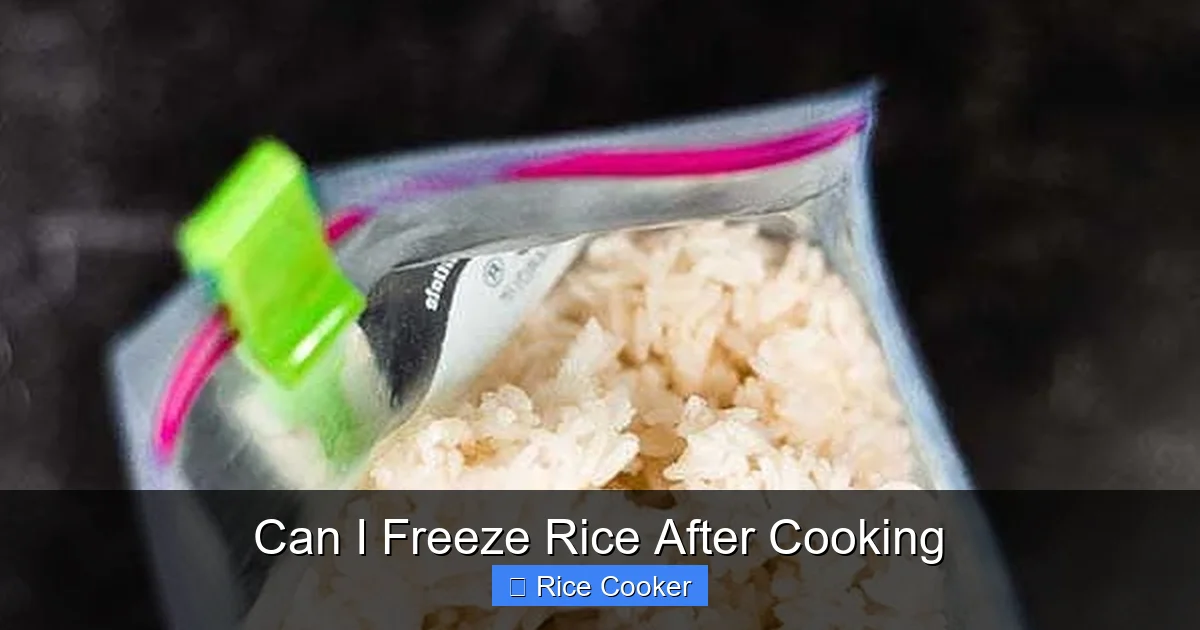
If using plastic bags, squeeze out excess air before sealing. Alternatively, opt for rigid freezer containers with tight-fitting lids. Less air means less exposure to freezer burn and odor absorption.
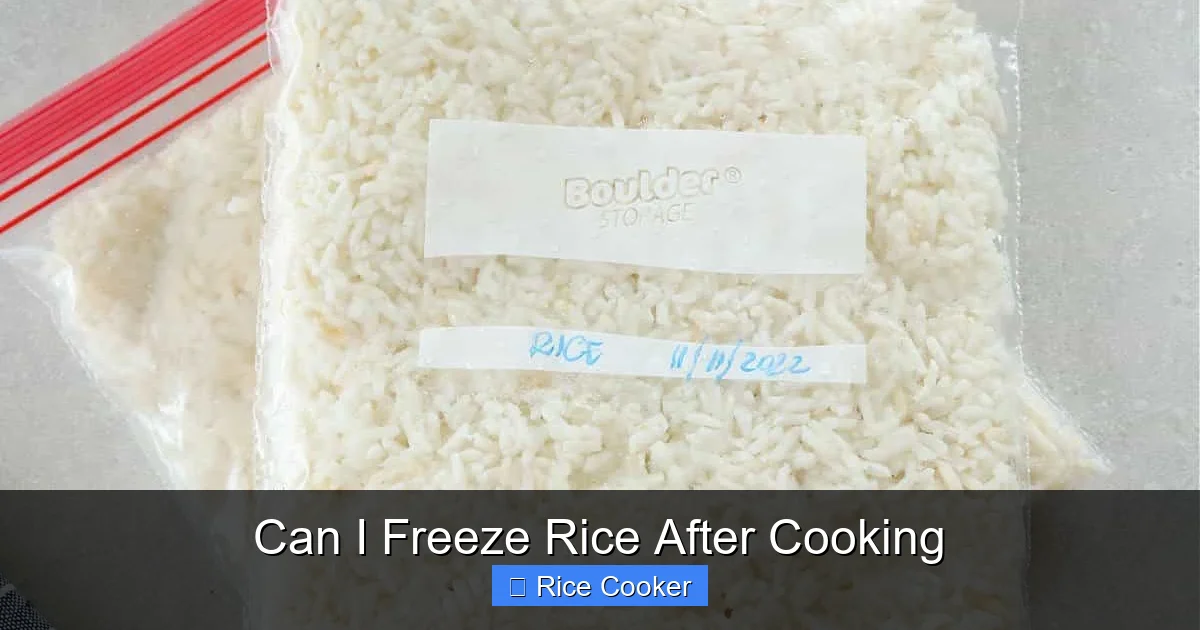
4. Label and Date Everything
Write the contents and date on a masking tape or use a permanent marker. This simple habit saves you from guessing how long it’s been stored and helps rotate stock efficiently.
5. Place in the Freezer Immediately
Once sealed, pop the rice into the freezer. For best texture, try to freeze it within 2 hours of cooking.
6. Thaw Safely When Ready to Use
When you’re ready to eat, thaw rice in the refrigerator overnight or run the sealed bag under cool water. Never thaw at room temperature, as bacteria multiply rapidly between 40°F and 140°F (the “danger zone”).
By following these steps, you’ll preserve the integrity of your rice and enjoy it just as deliciously as the day it was cooked.
Best Containers and Packaging for Frozen Rice
Choosing the right container is crucial for maintaining rice quality during freezing. Not all packaging is created equal, and selecting the wrong type can result in freezer burn, contamination, or difficulty opening later.
Airtight Plastic Containers
These are ideal for frequent users. Look for BPA-free, rigid containers with secure lids. They stack well and protect against odors. However, they take up more space than flexible options.
Freezer-Safe Ziplock Bags
A budget-friendly and space-efficient choice. Lay bags flat to save room in the freezer. Remember to remove all air before sealing—this reduces ice crystal formation and prevents drying.
Silicone Freezer Bags
More durable than plastic ziplocks, silicone bags are reusable and easier to clean. They conform to shape, saving valuable freezer real estate.
Avoid Paper Plates or Cardboard Trays
These aren’t suitable for freezing due to poor insulation and potential chemical leaching. Stick to food-grade materials designed for low-temperature storage.
Always check manufacturer instructions for compatibility. Some plastics may warp or melt in extreme cold. When in doubt, invest in quality freezer containers—they last longer and pay for themselves over time.
Common Mistakes People Make When Freezing Rice
Even experienced cooks sometimes overlook details that affect rice quality. Here are the top mistakes to avoid:
- Skipping the cooling phase: Freezing hot rice traps moisture inside, creating a breeding ground for bacteria and causing mushy texture later.
- Packing rice too tightly: Overfilling containers limits air circulation and increases the chance of uneven freezing.
- Using non-freezer-safe containers: Regular glass or ceramic dishes can crack in the freezer due to thermal shock.
- Not labeling: Without dates, you risk eating rice past its prime or wasting perfectly good portions.
- Thawing improperly: Leaving rice at room temperature allows harmful bacteria to grow rapidly.
- Refreezing thawed rice: Once thawed, rice should be cooked immediately—never refreeze unless it’s been fully cooked again.
Avoiding these pitfalls ensures your rice remains safe, tasty, and ready whenever you need it.
Reheating Frozen Cooked Rice Safely
You’ve frozen rice perfectly—now what? Reheating requires care to kill any potential bacteria and restore pleasant texture. Here’s how to do it safely:
Microwave Method (Most Common)
Place thawed rice in a microwave-safe bowl. Add a splash of water or broth to prevent drying. Cover with a damp paper towel to retain moisture. Heat in 30-second intervals, stirring between each, until steaming hot throughout. Aim for an internal temperature of 165°F (74°C).
Stovetop Reheating
Heat a skillet over medium-low heat. Add a little oil or butter, then warm the rice in small batches. Stir frequently to prevent sticking. Add liquid if needed. This method gives a slightly crispier edge—perfect for fried rice.
Oven or Steamer
For larger quantities, reheat in a covered baking dish in a preheated oven at 350°F (175°C) for 10–15 minutes. Alternatively, steam over boiling water for 5–8 minutes.
Regardless of method, always check that the center reaches full heat. Leftovers should never be served lukewarm.
Types of Rice That Freeze Well
Not all rice varieties respond equally to freezing. Generally, short-grain and medium-grain rices—like jasmine, sushi, or Arborio—hold their texture better than long-grain types. Brown rice, with its higher fat content, can become rancid faster, so it’s best used within 2 months of freezing.
Avoid freezing rice already mixed with delicate ingredients like raw shrimp, sour cream, or fresh herbs. These components lose quality quickly when frozen and thawed repeatedly.
Plain boiled rice, steamed rice, and basic cooked grains freeze best. Once you add oils, creams, or complex sauces, the structure breaks down.
Creative Ways to Use Frozen Rice
Frozen rice isn’t just for reheating straight from the freezer. Get creative and turn it into exciting meals:
- Fried Rice: Sauté frozen rice with soy sauce, vegetables, and scrambled eggs for a quick Asian-inspired dish.
- Rice Bowls: Layer thawed rice with roasted veggies, grilled chicken, and tahini dressing.
- Sushi Rolls: Use cooled rice to make homemade sushi—just thaw enough for one roll at a time.
- Risotto: Break up frozen rice and simmer with broth for a creamy, comforting meal.
- Baked Goods: Substitute part of the flour in pancakes or muffins with cooked rice for extra chewiness.
The possibilities are endless once you master freezing cooked rice.
Final Tips for Success
To wrap things up, keep these pro tips in mind:
– Always cool rice before freezing.
– Store in small, airtight portions.
– Rotate stock by using older batches first.
– Reheat thoroughly every time.
– Enjoy within 3 months for best quality.
With these practices, you’ll never look at leftover rice the same way again.
Frequently Asked Questions
How long does cooked rice last in the freezer?
Cooked rice can be safely stored in the freezer for up to 3 months. After that, quality declines due to texture changes and potential nutrient loss.
Should I rinse rice before freezing?
No, rinsing removes starch that helps rice cook properly. Rinse only before cooking—not after. Extra starch improves texture when reheated.
Can I freeze rice from a rice cooker?
Absolutely! Whether you use an electric rice cooker or stovetop method, follow the same cooling and storage steps. Rice cookers make consistent batches ideal for freezing.
What’s the best way to thaw frozen rice?
Thaw overnight in the refrigerator or submerge sealed bags in cold water. Never thaw at room temperature, as this promotes bacterial growth.
Will frozen rice taste different after reheating?
Properly frozen and reheated rice should taste nearly identical to fresh. Poor storage or improper reheating can lead to dryness or blandness.
Can I freeze rice with vegetables?
Yes, but choose sturdy veggies like peas, carrots, or broccoli. Blanch them briefly before mixing with rice to preserve color and texture. Avoid leafy greens or mushrooms.