
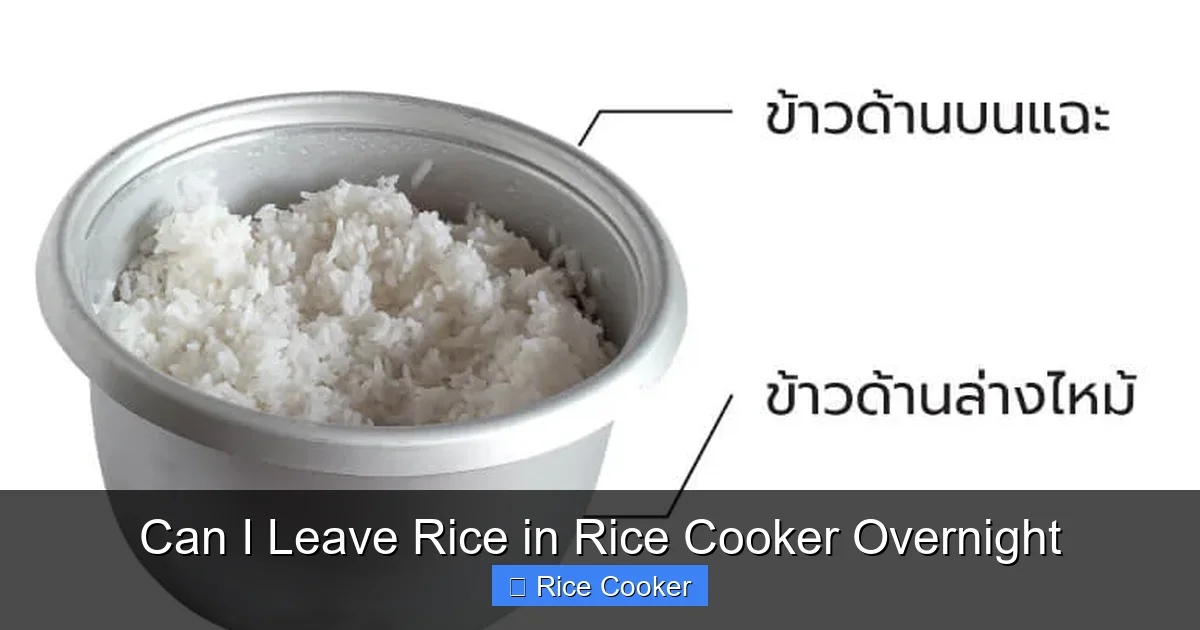
Can you leave rice in a rice cooker overnight? The short answer is generally no, especially if the rice has been sitting at room temperature for more than two hours. Rice left in a rice cooker without proper cooling can become a breeding ground for bacteria like Bacillus cereus, which causes food poisoning. While some modern rice cookers have keep-warm functions, relying on them for extended periods isn’t recommended for long-term storage. Always transfer leftover rice to an airtight container and refrigerate within two hours of cooking to stay safe and preserve freshness.
Key Takeaways
- Food Safety First: Leaving rice in a rice cooker overnight increases the risk of bacterial growth, particularly from Bacillus cereus, which can cause nausea, vomiting, and diarrhea.
- Keep-Warm Function Limitations: Most rice cookers’ “keep warm” settings only last up to 10–12 hours; beyond that, temperatures enter the danger zone (40°F–140°F), where bacteria thrive.
- Proper Cooling Is Key: Cooked rice should be cooled quickly—ideally within two hours—and transferred to a shallow container to speed up chilling before refrigeration.
- Refrigeration Is Safer: Store leftover rice in airtight containers in the fridge for up to 4 days or freeze for up to 6 months to maintain quality and safety.
- Reheating Matters: Always reheat rice to an internal temperature of 165°F (74°C) to kill any potential bacteria.
- Rice Type Affects Storage: White rice cooks faster and cools quicker than brown rice, but both require the same safety precautions when storing leftovers.
- Signs of Spoiled Rice: If your rice smells sour, feels sticky, or has mold, discard it immediately—don’t risk foodborne illness.
Have you ever finished a meal, cleaned your rice cooker, and realized there was still some rice left over? You might be tempted to just press “cancel” and go to bed—after all, the rice cooker keeps things warm, right? But here’s the thing: leaving rice in rice cooker overnight might feel convenient, but it could be putting your health at risk. The question “can I leave rice in rice cooker overnight?” isn’t just about comfort—it’s about food safety.
In this guide, we’ll walk through everything you need to know about storing rice after cooking. From understanding how bacteria grow in cooked grains to exploring safe alternatives for keeping rice warm, we’ve got you covered. Whether you’re meal-prepping for the week or just trying to avoid waste, knowing the right way to handle leftover rice makes all the difference.
So let’s dive in and clear up the confusion once and for all.
Key Takeaways
- Understanding can i leave rice in rice cooker overnight: Provides essential knowledge
Quick Answers to Common Questions
Can I leave rice in my rice cooker overnight?
No, not safely. Leaving rice in a rice cooker overnight allows it to enter the food safety “danger zone” (40°F–140°F), where harmful bacteria like Bacillus cereus can multiply rapidly and cause food poisoning.
How long can rice stay in a rice cooker’s keep-warm mode?
Most rice cookers’ keep-warm function works for up to 10–12 hours, but after that, temperatures drop into the danger zone. It’s best not to rely on this setting for extended storage.
Is it okay to leave rice in the cooker after it switches off automatically?
Only briefly. If the rice is already cool and hasn’t been sitting for more than two hours, it’s generally safe—but still not ideal for overnight storage.
Does freezing kill bacteria in rice?
Freezing stops bacterial growth but doesn’t eliminate existing spores. However, frozen rice remains safe to eat as long as it’s stored properly and reheated thoroughly.
How should I reheat leftover rice safely?
Reheat rice until it reaches an internal temperature of 165°F (74°C). Use a microwave, stove, or oven, ensuring it’s steaming hot throughout—never leave cold spots.
📑 Table of Contents
- Why You Shouldn’t Leave Rice in the Rice Cooker Overnight
- Understanding the Danger Zone
- Safety Tips for Storing Leftover Rice
- What About Brown Rice vs. White Rice?
- Are There Safe Alternatives to Leaving Rice in the Cooker?
- Common Myths About Rice Storage Debunked
- Practical Examples: Real-Life Scenarios
- Conclusion: Prioritize Safety Over Convenience
Why You Shouldn’t Leave Rice in the Rice Cooker Overnight
When you cook rice, it’s typically done under high heat until the water evaporates and the starch gelatinizes, creating fluffy, tender grains. Once cooked, however, rice becomes vulnerable to contamination—especially by spores from Bacillus cereus. These bacteria are naturally present in soil and can cling to rice kernels. When rice cools slowly or sits in the “danger zone” (between 40°F and 140°F), those spores can activate, multiply, and produce toxins that cause food poisoning.
Most rice cookers come with a “keep warm” function designed to maintain rice at a safe serving temperature (around 190°F to 200°F). Sounds perfect, right? Unfortunately, this feature wasn’t built for long-term storage. After about 10 to 12 hours, the internal temperature often drops below 140°F, entering the danger zone. That means if you leave rice in the cooker overnight—say, for 8 to 10 hours—you’re potentially letting harmful bacteria grow unchecked.
Additionally, prolonged exposure to moisture and warmth encourages mold growth and affects texture. Your perfectly fluffy rice might turn gummy or develop off-putting odors by morning.
Understanding the Danger Zone
Visual guide about Can I Leave Rice in Rice Cooker Overnight
Image source: stretchrecipes.com
The USDA defines the “danger zone” as temperatures between 40°F and 140°F. This is where bacteria multiply most rapidly. For example, Bacillus cereus can double every 20 minutes in ideal conditions. Even if you don’t see or smell anything wrong, consuming contaminated rice can lead to symptoms like stomach cramps, diarrhea, and vomiting within 1 to 6 hours.
Rice cookers aren’t designed with rapid cooling systems. Unlike commercial blast chillers used in restaurants, home appliances rely on passive heat retention. So even if your rice starts at 200°F, ambient room temperature will gradually pull it down into unsafe ranges over time.
If you’ve ever woken up to cold, soggy rice that tastes slightly off—even after reheating—that’s likely why.
Safety Tips for Storing Leftover Rice
Visual guide about Can I Leave Rice in Rice Cooker Overnight
Image source: ricearray.org
Instead of relying on your rice cooker to do the job overnight, follow these best practices:
Cool Quickly, Store Safely
Spread cooked rice in a wide, shallow dish to accelerate cooling. Stir occasionally to release trapped steam and distribute heat evenly. Aim to get the temperature below 40°F within two hours.
Use Airtight Containers
Transfer cooled rice into clean, airtight containers. Glass or BPA-free plastic works well. Avoid leaving rice uncovered, as this invites contamination from dust, insects, or airborne microbes.
Label and Date Everything
Write the date on the container so you know how long it’s been stored. Freshly cooked rice lasts about 4 days in the fridge; frozen rice can last up to 6 months.
Reheat Thoroughly
Never reheat rice just once—always bring it to a rolling boil or microwave until steaming hot throughout. Use a food thermometer to confirm it reaches 165°F (74°C).
By following these steps, you protect yourself from foodborne illness while preserving flavor and texture.
What About Brown Rice vs. White Rice?
Both types require the same storage precautions, but their cooking methods differ slightly. Brown rice takes longer to cook due to its bran layer, but once done, it behaves similarly to white rice when cooling and storing. The key factor remains time and temperature—not grain type.
That said, brown rice tends to hold moisture better and may stay fresher longer when properly stored. Still, never assume it’s immune to spoilage. Always refrigerate within two hours.
Are There Safe Alternatives to Leaving Rice in the Cooker?
Yes! Here are smarter ways to manage leftovers:
Use the Keep-Warm Setting Briefly
If you plan to eat the rice within the next few hours, using the keep-warm function is fine. Just don’t leave it on overnight.
Meal Prep Smartly
Cook extra rice on Sunday night and divide it into individual portions. Refrigerate or freeze immediately for easy weekday meals.
Invest in a Food Warmer
For large gatherings or family dinners, consider a portable food warmer or chafing dish. These keep food hot without encouraging bacterial growth.
Make Rice Pudding or Fried Rice
Turn leftover rice into something new! Cold rice works great in desserts like rice pudding or savory dishes like fried rice—just reheat thoroughly first.
Common Myths About Rice Storage Debunked
Let’s clear up some misconceptions people often believe:
Myth #1: “Bacteria Can’t Grow in Cooked Rice Because It’s Dry”
False. While rice is dry after cooking, residual moisture inside each grain—plus warmth—creates ideal conditions for bacterial growth.
Myth #2: “Freezing Kills Bacteria”
Partially true. Freezing halts bacterial activity but doesn’t kill existing spores. However, freezing prevents further growth and preserves rice safely.
Myth #3: “All Rice Cookers Are the Same”
Not quite. Some high-end models offer advanced features like rapid cooling or extended keep-warm cycles, but most standard ones aren’t built for overnight storage.
Myth #4: “Leftover Rice Is Always Safe After 24 Hours”
Never assume safety. When in doubt, throw it out.
Practical Examples: Real-Life Scenarios
Imagine this: You made a big batch of jasmine rice for dinner, served half, and forgot about the rest. You turned off the rice cooker around 9 p.m., went to sleep, and woke up at 7 a.m. Nine hours later—rice still in the cooker.
Even if the cooker’s indicator light is still on, the internal temperature likely dropped below 140°F. That’s nine hours in the danger zone. Now imagine thousands of bacterial colonies multiplying silently while you slept.
On the other hand, suppose you cooked rice earlier in the day, let it cool on the counter for 90 minutes (still too long!), then put it in the fridge. You’re still at risk because slow cooling extended the time spent in the danger zone.
The golden rule? Never let rice sit between 40°F and 140°F for more than two hours total.
Conclusion: Prioritize Safety Over Convenience
So, back to the original question: Can I leave rice in rice cooker overnight? The honest answer is no—not safely. While modern appliances offer convenience, they shouldn’t compromise your health. Bacteria don’t care about your schedule; they thrive regardless.
Instead of risking food poisoning, adopt simple habits: cool rice quickly, store it properly, and reheat thoroughly. These small steps save you time, money, and discomfort in the long run.
Whether you’re feeding a family or prepping solo meals, treating rice like any other perishable food ensures everyone stays healthy and satisfied. And who knows? With a little planning, you might even enjoy better-tasting leftovers next time.
Frequently Asked Questions
Is it safe to leave rice in the rice cooker overnight?
No, it’s not recommended. After 2–3 hours, rice left in the cooker enters the danger zone where bacteria multiply. Overnight exposure increases food poisoning risk.
Can Bacillus cereus grow in cooked rice?
Yes. Bacillus cereus spores survive cooking and can grow in warm, moist environments like leftover rice, producing toxins that cause illness.
How long can cooked rice sit at room temperature?
Never more than 2 hours. After that, bacteria begin growing rapidly, especially in temperatures between 40°F and 140°F.
Should I wash rice before storing leftovers?
No. Washing raw rice removes excess starch and can lead to mushy results. Only wash uncooked rice unless specified in your recipe.
Can I eat rice that’s been in the cooker for 8 hours?
Possibly, but only if you reheat it thoroughly to 165°F. However, since 8 hours likely puts it in the danger zone, it’s safer to discard it to prevent illness.
Does the type of rice affect storage time?
Not significantly. Both white and brown rice require the same safety rules. Brown rice may stay fresher slightly longer due to natural oils, but both must be refrigerated promptly.