
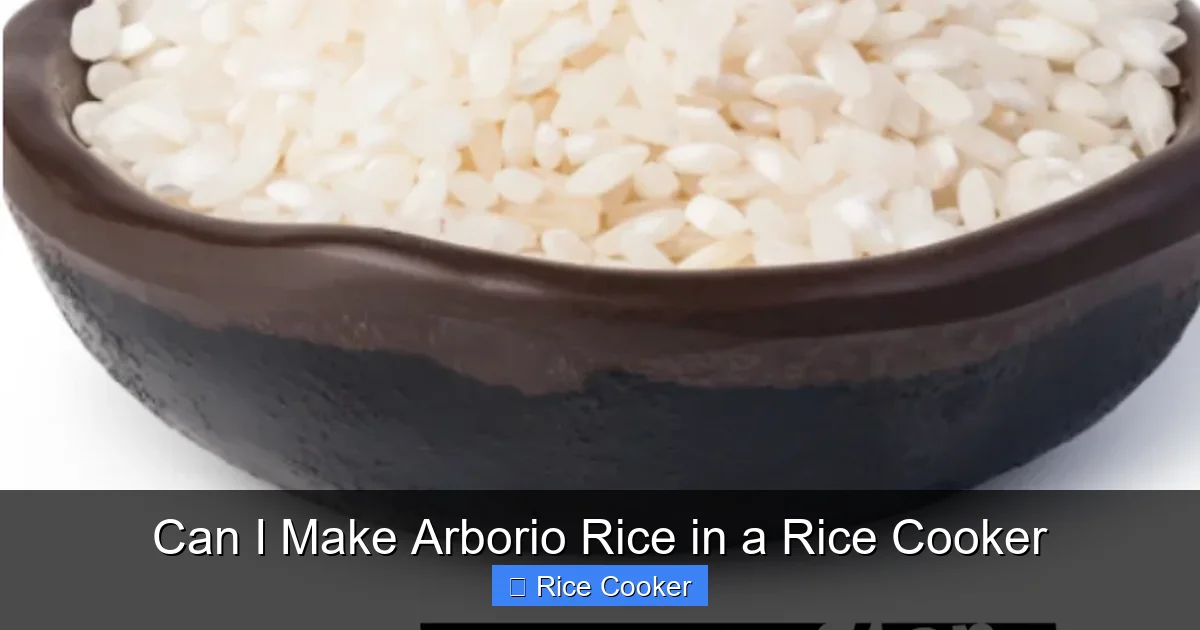
Arborio rice is not only compatible with rice cookers but often yields even creamier results when cooked properly. Unlike traditional stovetop risotto, a rice cooker simplifies the process by maintaining consistent heat and eliminating constant stirring. With the right technique, you can achieve restaurant-quality risotto at home without watching the pot.
Key Takeaways
- Rice cooker compatibility: Most modern rice cookers handle Arborio rice perfectly, especially models with a “risotto” or “brown rice” setting.
- Water ratio matters: Use a higher liquid-to-rice ratio (about 3:1) compared to regular white rice to ensure tenderness and creaminess.
- Stirring is minimal: Unlike stovetop risotto, you only need to stir once or twice—let the rice cooker do the work.
- Soaking helps: Briefly soaking Arborio rice before cooking reduces cooking time and improves texture.
- Seasoning timing: Add salt, broth, or wine during the final stage for best flavor integration.
- Cooking time varies: Expect 18–25 minutes total, depending on your model and settings.
- Resting is essential: Let the rice sit for 5 minutes after cooking to absorb remaining moisture evenly.
📑 Table of Contents
- Can I Make Arborio Rice in a Rice Cooker? Absolutely!
- Understanding Arborio Rice and Why It’s Special
- Choosing the Right Rice Cooker for Arborio Rice
- Step-by-Step Guide: Making Perfect Arborio Rice in Your Rice Cooker
- Flavor Enhancements and Recipe Variations
- Why Rice Cookers Beat Traditional Methods for Arborio
- Tips for First-Timers and Advanced Users
- Health and Nutrition Considerations
Can I Make Arborio Rice in a Rice Cooker? Absolutely!
If you’re a fan of creamy, luxurious risotto but find the constant stirring and vigilant attention required on the stovetop too much of a hassle, you’re in luck. Yes—you can absolutely make Arborio rice in a rice cooker. In fact, using a rice cooker might just be one of the best ways to prepare this famously finicky grain at home. Whether you’re making mushroom risotto, saffron-infused versions, or even vegetarian twists with peas and asparagus, the rice cooker handles the heavy lifting while keeping your kitchen mess minimal. You might also enjoy learning how to make a cake in a rice cooker for a sweet twist.
Understanding Arborio Rice and Why It’s Special
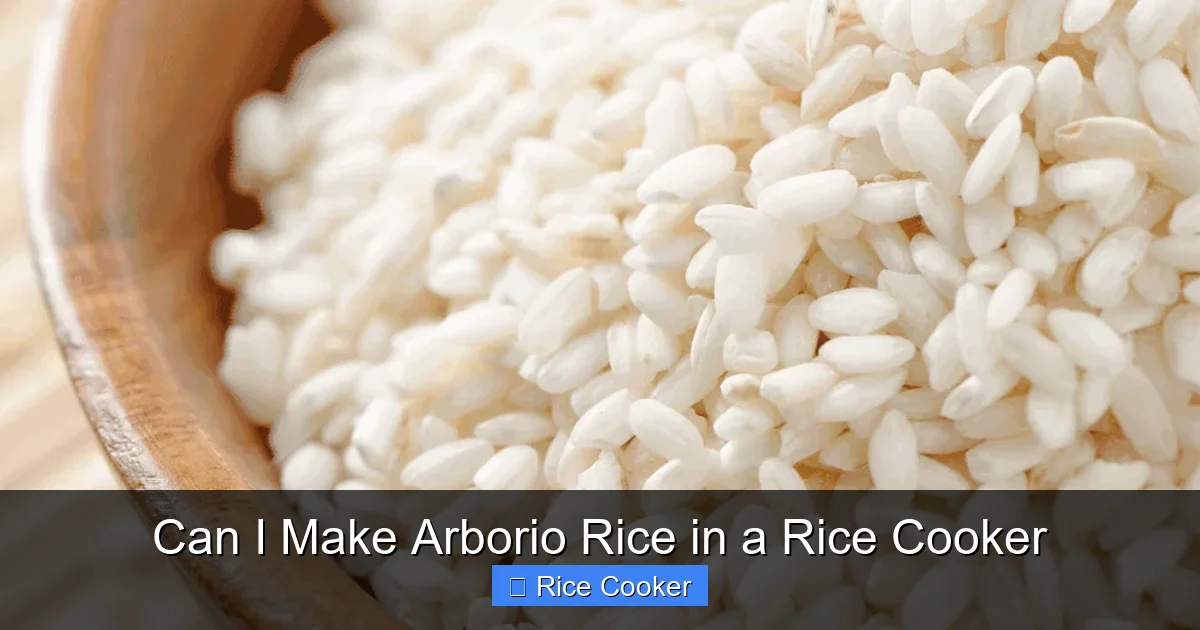
Visual guide about Can I Make Arborio Rice in a Rice Cooker
Image source: expertreviewsbestricecooker.com
Before diving into the “how,” it’s important to understand why Arborio rice behaves the way it does—and why those traits make it ideal for risotto.
The Anatomy of Creamy Texture
Arborio rice belongs to the short-grain variety native to Italy’s Piedmont region. Its high starch content—specifically amylopectin—is what gives risotto its signature creamy mouthfeel. When heated in liquid, these starches gelatinize and release slowly, creating a rich, velvety consistency rather than separating into distinct grains like long-grain rice would.
This trait makes Arborio perfect for dishes where texture matters more than fluffiness. However, it also means it needs careful handling: too little liquid leads to dryness; too much dilutes flavor. That’s where precision comes in.
Common Misconceptions About Cooking Arborio
Many people assume Arborio rice must be stirred constantly because of old recipes or outdated techniques. While traditional stovetop risotto demands attention every few minutes, today’s appliances—especially rice cookers—have evolved beyond simple boiling cycles. Advanced models feature fuzzy logic sensors that adjust temperature throughout the cooking process, ensuring even absorption and preventing scorching.
Another myth is that you can’t use water alone. While authentic risotto starts with butter and onions (the soffritto), many successful rice cooker versions rely on broth instead of water for deeper flavor. You’ll learn both methods below.
Choosing the Right Rice Cooker for Arborio Rice
Not all rice cookers are created equal—especially when it comes to handling sticky, starch-heavy grains like Arborio.
Types of Rice Cookers That Work Best
– Fuzzy Logic Models: These smart cookers analyze weight, volume, and ambient conditions to customize cooking cycles. Look for brands like Zojirushi, Panasonic, or Instant Pot, which offer dedicated risotto settings.
– Multi-Cooker Functions: Devices with pressure cooking or slow-cooking modes can also produce excellent results, though they may require manual adjustments.
– Basic Electric Pots: Even simpler models can work if you follow the right ratios and timing.
Avoid ultra-fast or “one-pot” cookers designed for instant gratification—they often lack the nuanced heat control needed for Arborio.
Features to Prioritize
When shopping, look for:
– A non-stick inner pot (makes cleanup easier)
– Multiple preset programs (including “risotto,” “brown rice,” or “porridge”)
– Keep-warm function (keeps food from getting soggy post-cooking)
– Timer capability (so you can prep ingredients ahead)
Remember: even a basic rice cooker will outperform a rushed stovetop attempt if used correctly. For safety tips, see whether you can leave the rice cooker on warm.
Step-by-Step Guide: Making Perfect Arborio Rice in Your Rice Cooker
Ready to transform your kitchen into a risotto haven? Here’s exactly how to do it—no chef’s hat required.
Ingredients You’ll Need
– 1 cup Arborio rice
– 3 cups warm chicken, vegetable, or mushroom broth (or water + 1 tsp olive oil)
– Optional: 1 tbsp butter, 1 small onion (finely diced), salt, pepper, white wine
Preparation Phase
1. **Rinse the Rice:** Place Arborio rice in a fine-mesh strainer and rinse under cold water until the water runs clear. This removes excess surface starch and prevents clumping.
2. **Optional Soak:** For even creamier results, soak rinsed rice in warm broth for 15–30 minutes. This jumpstarts hydration and shortens active cooking time.
3. **Sauté Base (Optional):** If adding onions or mushrooms, sauté them in a bit of butter in the rice cooker pot before adding rice. Some models allow this directly—check your manual.
The Cooking Process
1. Add rice to the inner pot.
2. Pour in warm broth (not cold—this affects cooking time).
3. Stir gently to combine.
4. Close lid and select “Risotto” mode if available. Otherwise, use “White Rice” or “Manual” set to 20 minutes.
5. Once cooking completes, let sit for 5 minutes with the lid closed. This resting period allows residual steam to finish softening any stubborn grains.
Troubleshooting Common Issues
– Too wet? Drain excess liquid carefully using a colander—don’t press down!
– Rough texture? Undercooked? Return to “Warm” for 5–10 more minutes.
– Soggy bottom layer? Scrape gently—some cookers create hotspots. Mix thoroughly before serving.
Flavor Enhancements and Recipe Variations
Plain Arborio rice tastes great, but risotto shines when layered with bold flavors.
Classic Saffron Risotto
Infuse 2 cups broth with ¼ tsp saffron threads steeped in 2 tbsp hot water for 10 minutes. Replace plain broth with saffron-infused liquid. Finish with Parmesan cheese and chopped parsley.
Mushroom & Thyme Version
Sauté ½ lb sliced cremini mushrooms in butter until golden. Add to rice cooker along with diced shallots. Season with fresh thyme, salt, and black pepper. Serve topped with toasted pine nuts.
Vegan Friendly Option
Use vegetable broth, omit butter, and replace with coconut oil or olive oil. Top with nutritional yeast instead of cheese for umami depth.
Pro tip: Always deglaze the pan (or sautéed base in your cooker) with a splash of white wine after sautéing—it adds acidity and complexity.
Why Rice Cookers Beat Traditional Methods for Arborio
You might wonder: if risotto has been made the old-fashioned way for centuries, why switch?
Consistency Over Convenience
On the stovetop, inconsistent flame control often leads to unevenly cooked rice—some grains soft, others hard. Rice cookers maintain steady temperatures throughout, resulting in uniform tenderness.
Labor-Saving Magic
Forget standing at the counter for 30–40 minutes, stirring every few minutes. Set it, walk away, and return to perfect results. Ideal for busy weeknights or entertaining guests.
Less Mess, Fewer Stains
No scorched bits stuck to the bottom of heavy pots. Most rice cooker liners are non-stick and dishwasher-safe—cleanup is a breeze.
That said, purists may argue that stovetop risotto offers superior control during the last stages. But for everyday meals, rice cookers deliver reliable excellence.
Tips for First-Timers and Advanced Users
Whether you’re new to risotto or a seasoned home cook, here are insider secrets to elevate your game.
Master the Liquid Ratio
While most white rice uses a 1:2 ratio (rice to liquid), Arborio typically needs 1:3. Experiment slightly—some prefer 1:2.5 for firmer results.
Temperature Matters
Always start with warm broth. Cold liquid drops the cooker’s internal temperature, extending cooking time and risking mushiness.
Don’t Rush the Resting Phase
Resist the urge to open the lid mid-rest. Steam helps finish cooking gently. Opening early releases heat and causes condensation, leading to uneven texture.
Customize Your Timing
Most rice cookers take 20–25 minutes total. If yours finishes early, don’t panic—just keep the lid closed and let it steam undisturbed.
Upgrade Your Grains
Try Carnaroli or Vialone Nano rice—they’re pricier but yield even creamier textures due to higher starch content. Both work excellently in rice cookers.
Clean Immediately
Starchy residue hardens quickly. Rinse the inner pot while still warm to avoid scrubbing later. If you’re curious about storing rice, learn if you can leave rice in the rice cooker overnight.
Health and Nutrition Considerations
Arborio rice is mostly carbohydrates, but its nutritional profile supports balanced meals when paired thoughtfully.
Glycemic Index Awareness
Like other refined grains, Arborio has a moderate glycemic index (~69). Pair it with protein (chicken, beans) and fiber-rich veggies to stabilize blood sugar.
Gluten-Free Status
Pure Arborio rice is naturally gluten-free, making it safe for celiac diets—but always check labels if processed in facilities that handle wheat.
Calorie-Conscious Cooking
Using broth instead of water boosts flavor without significantly increasing calories. Avoid heavy cream additions if watching intake.
Antioxidant Boosts
Adding vegetables like spinch, tomatoes, or bell peppers increases vitamin C and lycopene content—turning your risotto into a nutrient-dense meal.
Frequently Asked Questions
Is Arborio rice the same as risotto rice?
Yes—Arborio is the most popular type of risotto rice, prized for its high starch content and ability to create a creamy texture when cooked slowly in liquid.
Can I substitute other risotto varieties in my rice cooker?
Absolutely! Carnaroli and Vialone Nano rice work well too. They may require slightly less liquid or shorter cooking times, so monitor closely.
Do I really need to soak Arborio rice?
Soaking isn’t mandatory but helps speed up cooking and ensures more uniform tenderness. If short on time, skip it—just add a minute or two to cooking time.
What if my rice cooker doesn’t have a risotto setting?
Use the “White Rice” or “Manual” setting and follow the 1:3 liquid ratio. Just remember to let it rest fully after cooking.
How do I prevent my risotto from being too dry?
Ensure you’re using enough liquid (at least 3 parts broth per 1 part rice) and avoid opening the lid during cooking. If needed, add warm broth gradually while mixing.
Can I reheat Arborio rice leftovers?
Yes, but texture changes. Reheat gently in a saucepan with a splash of broth or water, stirring frequently. Avoid microwaving unless covered tightly to retain moisture.