

Yes, you can absolutely make beans in a rice cooker—it’s one of the easiest and most hands-off ways to prepare legumes. With just a few simple steps and the right ratio of water to beans, your rice cooker does all the work. Whether you’re cooking dried beans from scratch or using canned ones for a faster option, this method is perfect for busy weeknights or meal prep.
Key Takeaways
- Rice cookers are excellent for making beans: They provide consistent heat and automatic shutoff, ensuring beans cook evenly without burning or drying out.
- You can use both dried and canned beans: While dried beans require soaking and longer cooking times, canned beans are a quick, no-soak alternative.
- Proper bean-to-water ratio is crucial: A general rule is 1:3 (one part dried beans to three parts water), but adjustments may be needed based on bean type.
- Soaking dried beans saves time and improves texture: Overnight soaking reduces cooking time and helps beans cook more uniformly.
- Canned beans need minimal prep: Rinse and drain them before adding to the rice cooker to remove excess sodium and oil.
- Seasoning enhances flavor: Add garlic, onion, bay leaves, or herbs during cooking for delicious, aromatic beans.
- Storage and reheating are simple: Cooked beans store well in the fridge for up to five days or freeze for up to three months.
Quick Answers to Common Questions
Can I make beans in a rice cooker?
Yes, absolutely! A rice cooker is one of the easiest and most effective ways to cook beans. It provides consistent heat and automatic shutoff, ensuring tender, evenly cooked beans with minimal effort.
How long do beans take to cook in a rice cooker?
Most dried beans take between 60 and 90 minutes. Black beans usually finish in 60–75 minutes, while larger beans like kidney may need up to 90 minutes. Always check for doneness by mashing a bean—it should be soft but not mushy.
Should I soak beans before cooking them in a rice cooker?
Soaking is recommended, especially for dried beans. Overnight soaking improves texture and reduces cooking time. If you’re short on time, try the quick-soak method: boil beans for 2 minutes, then let them sit for an hour.
Can I use canned beans in a rice cooker?
Yes! Rinse canned beans to remove excess sodium and preservatives before adding them to the rice cooker. They typically only need 15–30 minutes to heat through and absorb nearby flavors.
What’s the best water-to-bean ratio for cooking beans in a rice cooker?
A good starting point is 1 part dried beans to 3 parts water. Adjust slightly based on your rice cooker model and personal preference—too little water leads to dry beans, too much makes them soggy.
📑 Table of Contents
- Can I Make Beans in a Rice Cooker? The Ultimate Guide to Effortless Legume Cooking
- The Science Behind Cooking Beans in a Rice Cooker
- How to Make Beans in a Rice Cooker: Step-by-Step Guide
- Common Mistakes and How to Fix Them
- Delicious Ways to Use Your Cooked Beans
- Comparing Rice Cooker vs. Traditional Methods
- Frequently Asked Questions
- Final Thoughts: Why Your Rice Cooker Deserves More Credit
Can I Make Beans in a Rice Cooker? The Ultimate Guide to Effortless Legume Cooking
If you’ve ever stood over a simmering pot of beans on the stove, stirring constantly and watching the water evaporate, you know how tedious traditional bean cooking can be. But what if we told you that your rice cooker—the humble kitchen appliance you probably use daily—can actually do the job just as well, if not better?
Making beans in a rice cooker isn’t just possible; it’s one of the most convenient methods available today. Whether you’re preparing black beans for tacos, chickpeas for hummus, or pinto beans for chili, your rice cooker can handle it with minimal effort. No constant monitoring, no risk of scorching, and no guesswork about doneness. It’s the lazy cook’s dream come true—and still delivers restaurant-quality results.
In this comprehensive guide, we’ll walk you through everything you need to know about making beans in a rice cooker. From choosing the right beans to mastering cooking times and seasoning techniques, you’ll learn how to turn your rice cooker into a legume-loving powerhouse. Plus, we’ll share pro tips, troubleshooting advice, and even some recipe ideas to get you started. Let’s dive in!
The Science Behind Cooking Beans in a Rice Cooker
Before we jump into recipes, let’s talk about why this method works so well. Rice cookers operate using precise temperature control—typically maintaining a steady 212°F (100°C) once boiling begins. This gentle, consistent heat is ideal for breaking down the complex sugars and starches in dried beans, transforming them from hard, undercooked lumps into tender, creamy morsels.
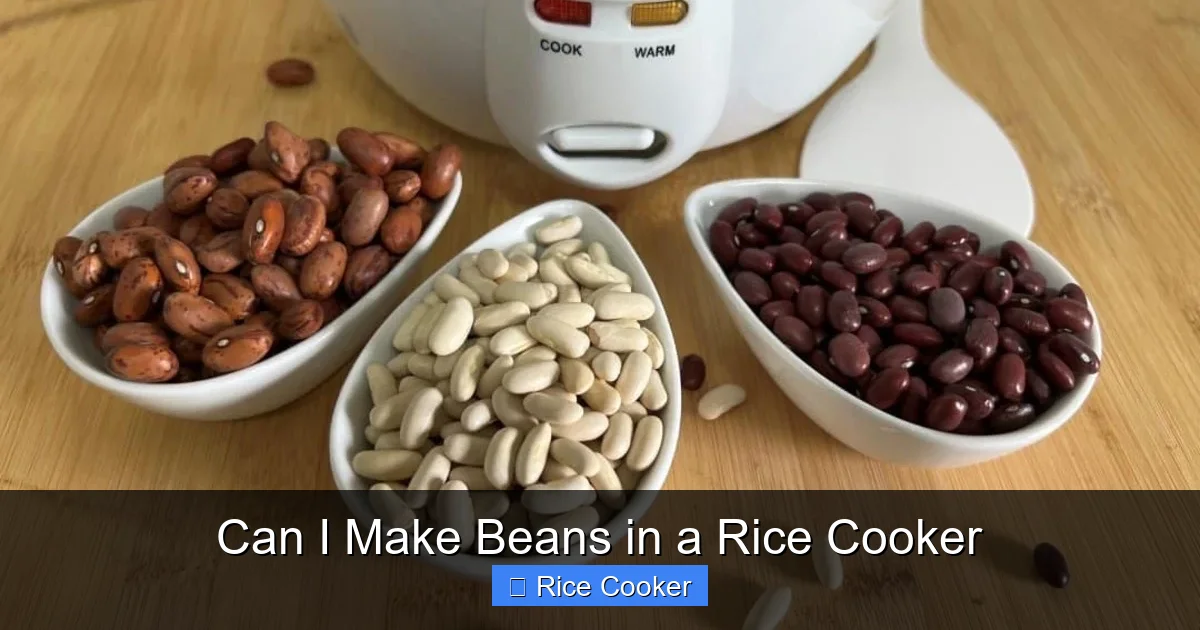
Visual guide about Can I Make Beans in a Rice Cooker
Image source: storables.com
Why Rice Cookers Beat the Stovetop
Unlike stovetops, where heat fluctuates and requires constant attention, rice cookers automatically switch to “warm” mode once the desired temperature is reached. This prevents overcooking and keeps beans moist. Additionally, the sealed lid traps steam, creating a humid environment that helps soften even the toughest bean varieties.
Types of Beans That Work Best
Not all beans behave the same in a rice cooker, but most common varieties adapt beautifully. Here are some top performers:
- Black beans: Great for burritos, salads, and soups. Cook for 60–75 minutes.
- Pinto beans: Perfect for Mexican dishes. Try 70–80 minutes.
- Kidney beans: Ideal for chili. Soak overnight and cook 75–90 minutes.
- Lentils and chickpeas: Faster options—lentils cook in 45–60 minutes, chickpeas in 60–75.
Dried beans generally perform better than canned, but we’ll cover both options below.
How to Make Beans in a Rice Cooker: Step-by-Step Guide
Ready to try it yourself? Follow these simple steps, whether you’re using dried or canned beans.

Visual guide about Can I Make Beans in a Rice Cooker
Image source: iheartvegetables.com
Option 1: Cooking Dried Beans from Scratch
- Sort and rinse: Spread your dried beans on a clean surface and pick out any debris, stones, or shriveled beans.
- Soak (optional but recommended): For faster cooking and improved digestibility, soak beans overnight in cold water (or use the quick-soak method: boil for 2 minutes, then let sit for an hour).
- Add water: Use a 1:3 ratio—for example, 1 cup dried beans to 3 cups water. Too little water risks dry beans; too much makes them mushy.
- Season lightly: Add a bay leaf, garlic clove, or onion slice for flavor. Avoid salt until near the end—it can toughen beans.
- Cook: Close the lid and press the “Cook” button. Most rice cookers will take 60–90 minutes depending on size and bean type.
- Check doneness: Beans should be soft but still hold their shape. If not done, add a splash of water and cook for 10–15 more minutes.
- Drain and salt: Once cooked, drain excess liquid and season with salt, pepper, or your favorite spices.
Option 2: Using Canned Beans (Quick & Easy)
If you’re short on time, canned beans are a fantastic shortcut. Just remember to rinse them thoroughly to remove excess sodium and any added preservatives.
- Rinse and drain: Place beans in a colander and rinse under cold water for at least 30 seconds.
- Add to rice cooker: Transfer beans to the inner pot. You don’t need to add water unless you’re making a sauce or soup.
- Simmer gently: Add 1/2 to 1 cup of broth or water. Close the lid and set the rice cooker to “Cook.” Most canned beans only need 15–30 minutes to heat through and absorb flavors.
- Flavor boost: Toss in diced onions, smoked paprika, cumin, or fresh cilantro during the last 10 minutes.
Pro Tips for Perfect Beans Every Time
- Don’t skip soaking: Even if you’re short on time, a quick soak improves texture and cuts cooking time.
- Use filtered water: Tap water can sometimes leave a metallic taste, especially in dark beans like black or kidney.
- Test for doneness: Mash a bean between your fingers—if it breaks apart easily, it’s ready.
- Save cooking liquid: Strained bean broth makes a nutritious base for soups or risotto.
- Avoid acidic ingredients early: Tomatoes, vinegar, or citrus can prevent beans from softening properly.
Common Mistakes and How to Fix Them
Even with the best intentions, things can go wrong when cooking beans. Here’s how to avoid common pitfalls.
Mistake 1: Underwatering or Overwatering
The problem: Beans either turn to paste or remain hard and chewy.
The fix: Stick to the 1:3 ratio, but feel free to adjust based on experience. If beans seem too firm after the recommended time, add a tablespoon of water and cook another 10 minutes.
Mistake 2: Adding Salt Too Early
The problem: Salt draws moisture out of beans, making them tough.
The fix: Wait until the final 5–10 minutes of cooking to add salt. Alternatively, dissolve salt in the cooking liquid first.
Mistake 3: Not Soaking Dried Beans
The problem: Long cooking times and inconsistent textures.
The fix: Always soak dried beans overnight. If you forgot, use the quick-soak method or increase cooking time by 20–30%.
Mistake 4: Opening the Lid During Cooking
The problem: Losing heat and extending cooking time unnecessarily.
The fix: Resist the urge to peek! Only open the lid when checking doneness toward the end.
Delicious Ways to Use Your Cooked Beans
Once your beans are perfectly cooked, the possibilities are endless. Here are some tasty ideas:
Breakfast: Black Bean Breakfast Burrito
Scramble eggs with sautéed onions and peppers, then fill a tortilla with warm black beans, cheese, and salsa. Roll up and enjoy!
Lunch: Mediterranean Chickpea Salad
Toss chickpeas with cucumber, cherry tomatoes, red onion, feta, and olive oil. Top with lemon juice and fresh parsley.
Dinner: Hearty Lentil Soup
Sauté carrots, celery, and garlic in the rice cooker (after rinsing beans), add lentils, vegetable broth, and a pinch of thyme. Cook for 45 minutes and blend half for creaminess.
Snack: Spicy Pinto Bean Dip
Mash cooked pinto beans with lime juice, cumin, chili powder, and a bit of oil. Serve with chips or veggies.
Meal Prep: Batch-Cook Beans for the Week
Cook a large batch on Sunday, divide into portions, and freeze. Reheat in the microwave or on the stove for quick meals all week long.
Comparing Rice Cooker vs. Traditional Methods
Let’s break down how rice cooker bean cooking stacks up against other popular methods.
| Method | Time | Effort | Texture Control | Energy Use |
|---|---|---|---|---|
| Stovetop | 60–120 mins | High (constant stirring) | Medium | High |
| Slow Cooker | 4–8 hours | Low | Good | Low |
| Pressure Cooker | 25–45 mins | Medium | Excellent | Medium |
| Rice Cooker | 60–90 mins | Very Low | Good | Low |
As you can see, the rice cooker strikes a great balance between convenience and control. It’s not as fast as a pressure cooker, but it requires far less attention than the stovetop and uses less energy than the slow cooker for most people.
Frequently Asked Questions
Do I need to soak beans before cooking them in a rice cooker?
Soaking is optional but highly recommended for dried beans. It reduces cooking time, improves texture, and makes beans easier to digest. For a quick soak, boil beans for 2 minutes, then let them sit for 1 hour before draining.
Can I cook different types of beans together in one batch?
It’s best to cook beans separately if they have very different cooking times. For example, lentils cook faster than black beans. If you must combine them, choose varieties with similar cook times.
What if my rice cooker doesn’t have a timer or delay function?
No problem! Just start the cooker at the right time. For example, if you want beans ready for dinner at 6 PM, begin cooking around 4:30–5 PM depending on the bean type.
Can I freeze cooked beans made in a rice cooker?
Absolutely! Let cooled beans cool completely, portion them into freezer-safe containers or bags, and label with the date. They’ll keep for up to 3 months. Thaw overnight in the fridge before reheating.
Why are my beans still hard after cooking for the full time?
This usually means they weren’t soaked enough or the water ratio was off. Try soaking longer next time or adding a splash of water and cooking 10–15 more minutes. Also, check that your rice cooker maintains proper heat.
Can I make bean-based dishes like chili or stew directly in the rice cooker?
Yes! After cooking beans, simply add diced tomatoes, onions, spices, and broth. Switch to “Cook” mode and simmer for 20–30 minutes. Some advanced models even have a “Soup” setting.
Final Thoughts: Why Your Rice Cooker Deserves More Credit
We often think of rice cookers as glorified pots that only make rice—but they’re so much more versatile. Making beans in a rice cooker isn’t just a clever trick; it’s a game-changer for anyone looking to eat healthier, save time, and reduce kitchen stress.
With just a few simple steps, you can transform plain dried beans into flavorful, protein-packed staples for countless meals. Whether you’re feeding a family, meal prepping for the week, or just craving a hearty bowl of black beans and rice, your rice cooker has got you covered.
So next time you reach for canned beans out of convenience, consider giving dried beans a try—your future self will thank you. And when you’re done, remember: the same appliance that cooked your beans can also whip up fluffy oats, steamed vegetables, or even cake batter. The humble rice cooker truly is the unsung hero of the modern kitchen.
Frequently Asked Questions
Do I need a special kind of rice cooker to make beans?
No, any standard electric rice cooker works perfectly for cooking beans. You don’t need a multi-cooker or advanced settings. Just ensure the inner pot is clean and fits your quantity of beans and water.
Can I add spices or seasonings while cooking beans in a rice cooker?
Yes! Add aromatics like garlic, onion, bay leaves, or cumin during the first half of cooking. Avoid adding salt too early, as it can toughen beans. Save salt and fresh herbs for the last few minutes.
Will beans cook faster if I use a smaller amount of water?
Using less water speeds up evaporation but increases the risk of dryness or uneven cooking. Stick to the 1:3 ratio unless you’re making a thick bean puree or dip, where you might reduce water slightly.
How do I prevent beans from becoming mushy in a rice cooker?
Overcooking is the main culprit. Check doneness midway through, and avoid letting the cooker stay on “Warm” mode for too long after beans are done. Also, don’t stir during cooking—let the machine do its job.
Can I cook beans and rice together in the same rice cooker?
Yes, this is a classic combination! Cook rice first (about 20–25 minutes), then add soaked beans and extra water. Continue cooking until beans are tender. Drain excess liquid before serving.
Are there health benefits to cooking beans in a rice cooker?
Cooking beans gently preserves nutrients better than boiling for long periods. Since rice cookers use minimal water and low heat, they help retain fiber, protein, and minerals, making them a healthy, efficient cooking method.