
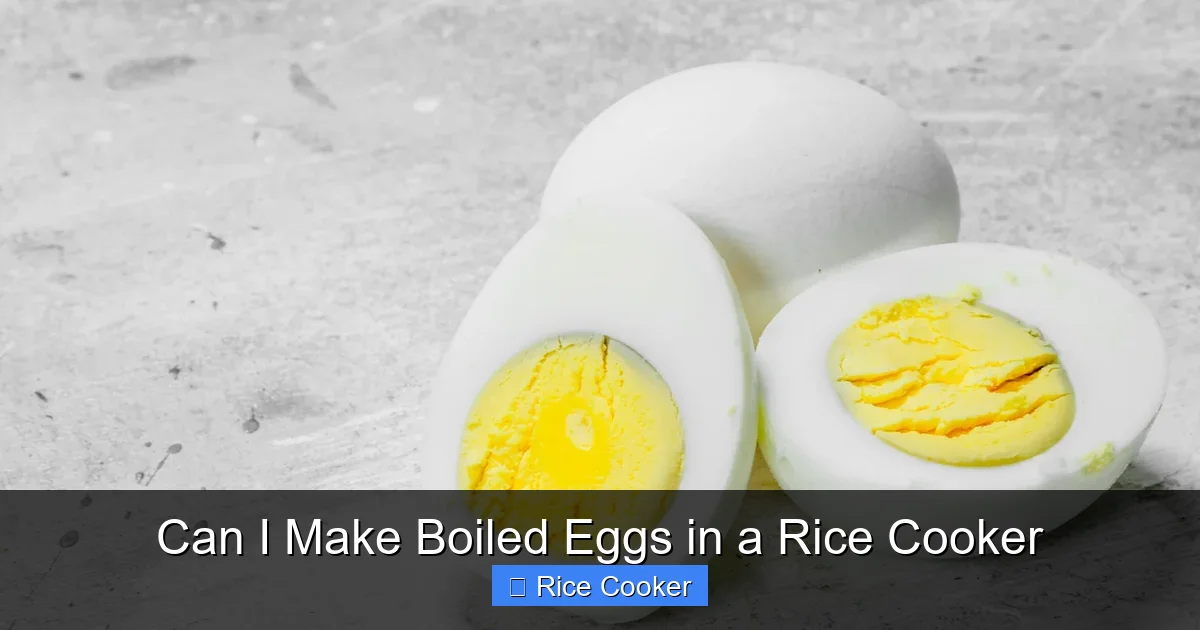
You absolutely can make boiled eggs in a rice cooker — and it’s easier than you think. This clever kitchen trick uses your rice cooker’s steam function to cook eggs perfectly every time, without boiling water on the stove. Whether you want soft, medium, or hard-boiled eggs, the process is quick, consistent, and requires minimal cleanup. Plus, it’s ideal for meal prep, camping, or when your stove is busy. With just a few simple steps, you’ll have tender yolks and firm whites ready to eat or store. It’s a game-changer for busy mornings and healthy snacks.
Key Takeaways
- Yes, it works: A rice cooker can cook eggs using steam, producing soft, medium, or hard-boiled eggs with consistent results.
- No extra water needed: Unlike traditional boiling, the rice cooker creates its own steam, so you don’t need to add water to the pot.
- Easy setup: Just place eggs in a heat-safe dish, add a little water, cover, and let the rice cooker do the work.
- Perfect timing: Soft-boiled eggs take about 6–8 minutes; medium 8–10; hard-boiled 10–12 minutes after steam release begins.
- Great for meal prep: Cook a batch at once for breakfast burritos, salads, or snack-ready protein.
- Saves energy: Uses less electricity than boiling water on the stove and frees up your burner.
- Tip for peeling: Chill eggs in ice water after cooking to make peeling easier and cleaner.
📑 Table of Contents
- Can I Make Boiled Eggs in a Rice Cooker?
- Why Use a Rice Cooker for Boiling Eggs?
- What Kind of Rice Cooker Do You Need?
- Step-by-Step Guide: How to Make Boiled Eggs in a Rice Cooker
- Tips for Perfect Rice Cooker Boiled Eggs
- Troubleshooting Common Issues
- Beyond Basic Boiled Eggs: Creative Uses
- Frequently Asked Questions About Making Boiled Eggs in a Rice Cooker
- Conclusion
Can I Make Boiled Eggs in a Rice Cooker?
If you’re looking for a quick, efficient way to cook eggs without using your stove, the answer is a resounding yes — you can make boiled eggs in a rice cooker. This kitchen hack has become increasingly popular among home cooks who want consistency, convenience, and minimal cleanup. Whether you’re prepping for a busy week, hosting brunch, or simply craving a classic soft-boiled egg over toast, your rice cooker can be your new best friend in the kitchen.
The idea might sound surprising at first — how does a machine designed to cook grains also cook eggs? But the secret lies in the magic of steam. Most modern rice cookers come with a steaming basket or tray, and when you activate the “Steam” or “Keep Warm” function, they generate enough moist heat to cook food evenly. Eggs, being delicate proteins, respond beautifully to gentle, indirect heat — and the rice cooker delivers just that.
In this guide, we’ll walk you through everything you need to know: how to prepare your eggs, choose the right rice cooker features, adjust cooking times for different styles, and even troubleshoot common issues. By the end, you’ll feel confident turning your rice cooker into an egg-cooking powerhouse.
Why Use a Rice Cooker for Boiling Eggs?
Cooking eggs in a rice cooker isn’t just a novelty — it offers real practical benefits that make it worth considering. Let’s break down why this method stands out compared to traditional boiling or microwave techniques.
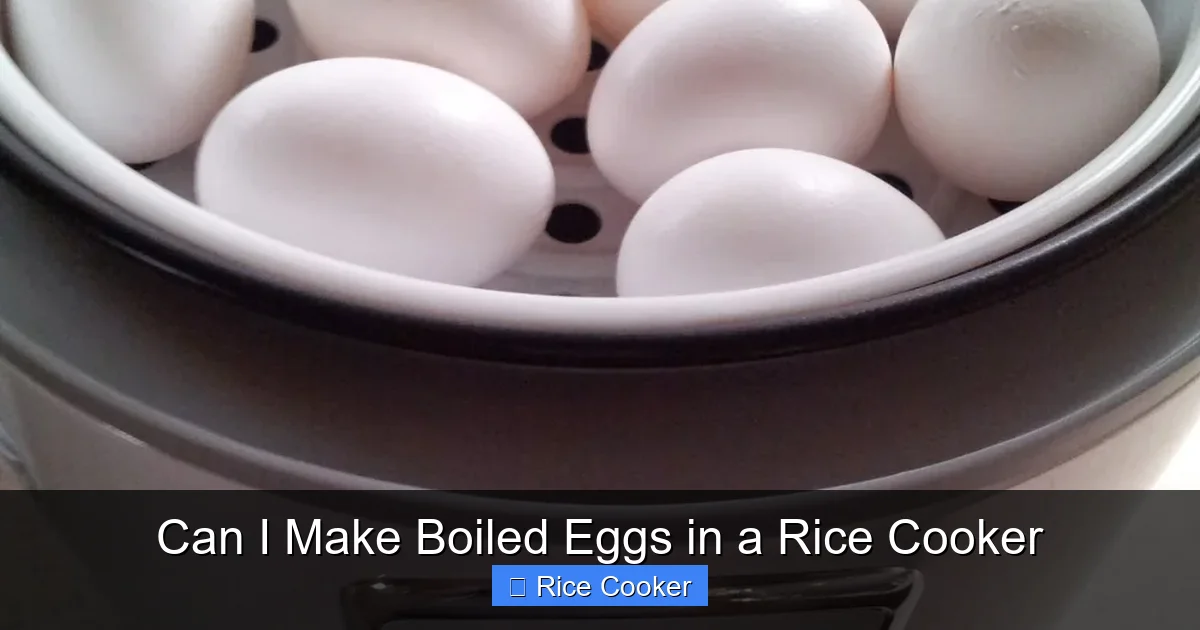
Visual guide about Can I Make Boiled Eggs in a Rice Cooker
Image source: i.pinimg.com
Convenience and Multitasking
One of the biggest advantages is convenience. While your rice cooker is cooking eggs, you can use your stove for other tasks — like frying bacon or simmering soup — without worrying about overflowing pots or babysitting the stove. The automated nature means you can set it and forget it, especially useful during busy mornings or meal prep days.
Consistent Results Every Time
Unlike stovetop boiling, where heat fluctuates and timing can be tricky, rice cookers maintain a steady temperature. This consistency helps prevent overcooked yolks (which turn green and chalky) or undercooked whites. You get reliably tender or firm eggs depending on your preference.
Energy Efficiency
Rice cookers consume significantly less energy than boiling large amounts of water on the stove. For someone making eggs daily, this adds up to noticeable savings on utility bills. Plus, the compact size means no wasted counter space or hot burners.
Safe and Mess-Free
Boiling eggs on the stove often leads to splatters, cracked shells, or burnt bottoms if left unattended. In contrast, the enclosed environment of a rice cooker keeps things tidy. Even if an egg cracks during cooking, the mess stays contained within the inner pot or steamer basket.
Versatility Beyond Grains
Many people only think of rice cookers as tools for cooking rice, but they’re surprisingly versatile. From steaming vegetables to proofing dough, these appliances are multi-functional. Adding eggs to the menu expands their usefulness without requiring additional gadgets.
What Kind of Rice Cooker Do You Need?
Not all rice cookers are created equal when it comes to cooking eggs. To get reliable results, you’ll want one with certain features. Here’s what to look for:
Steam Function
A dedicated steam setting is essential. Some models automatically switch to steam mode when you press “Start,” while others require manual selection. Without this feature, you won’t generate enough moisture to cook the eggs properly.
Steaming Basket or Tray
Your rice cooker should include a removable steaming rack or tray that fits snugly inside the cooking chamber. This allows hot air and steam to circulate around the eggs without submerging them in water — which could dilute flavor or cause uneven cooking.
Non-Stick Interior
A non-stick surface makes cleanup easier and reduces the risk of eggs sticking to the pot, especially if they crack slightly during heating. It also ensures that any residue comes off quickly with warm soapy water.
Lid with Proper Seal
The lid must fit tightly to trap steam effectively. Gaps can lead to heat loss and longer cooking times. If your model has a vent or pressure-release valve, make sure it’s closed during egg cooking to maximize internal temperature.
Capacity and Size
Most standard rice cookers (1–4 cups) are perfectly sized for 4–6 eggs. Larger models may be overkill unless you’re cooking dozens regularly. Consider how many eggs you typically need per session when choosing a model.
Popular brands like Zojirushi, Panasonic, Tiger, and Instant Pot offer reliable options with these features. Many newer smart rice cookers even connect to apps for recipe suggestions — including egg recipes!
Step-by-Step Guide: How to Make Boiled Eggs in a Rice Cooker
Ready to try it? Follow these simple instructions to cook perfect boiled eggs using your rice cooker.
Step 1: Prepare Your Eggs
Start with fresh eggs at room temperature. Cold eggs are more likely to crack when dropped into hot water, but since we’re not submerging them, this isn’t as critical. However, bringing them closer to room temp helps ensure even cooking.
Gently place 4–6 eggs in a heat-resistant bowl or small saucepan that fits comfortably inside your rice cooker’s steaming basket. Avoid stacking too many — leave space for steam to flow.
Step 2: Add Water (Optional)
While not always necessary, adding 1 tablespoon of water to the bowl helps create initial steam and prevents the eggs from drying out. Too much water, though, can lower the internal temperature and extend cooking time.
Step 3: Place in Steamer Basket
Put the bowl with eggs into the steaming tray. Make sure the tray sits securely and doesn’t wobble. If your model doesn’t have a basket, you can improvise with a heat-safe glass dish or even a small oven-safe mug.
Step 4: Close Lid and Start Steam Mode
Snap the lid shut, ensuring it seals properly. Select the “Steam” function (usually labeled as such or found under “Manual” settings). Some models will automatically begin heating; others may take a minute to reach full steam.
Step 5: Set Timer Based on Desired Doneness
This is where timing matters most. Here’s a quick reference table:
- Soft-boiled: 6–8 minutes after steam starts
- Medium-boiled: 8–10 minutes
- Hard-boiled: 10–12 minutes
Use a timer to track accurately. Overcooking leads to rubbery whites and greenish yolks due to sulfur-iron reactions.
Step 6: Cool Immediately After Cooking
Once done, carefully remove the steaming tray (use oven mitts — it’ll be hot!). Transfer eggs to a bowl of ice water for at least 5 minutes. This stops the cooking process and makes peeling much easier.
Step 7: Peel and Enjoy
Tap gently and roll between your palms to crack the shell. Start peeling from the rounded end (where the air pocket is) for best results. Rinse under cool water if sticky bits remain.
Tips for Perfect Rice Cooker Boiled Eggs
Even with the right technique, small details can make a big difference. Try these pro tips to elevate your egg game:
- Use older eggs for easier peeling: Eggs stored for 7–10 days peel more cleanly than very fresh ones. The air pocket inside shrinks, loosening the membrane.
- Don’t overcrowd the steamer: Leave at least an inch of space around each egg for optimal steam circulation.
- Check your seal: If eggs aren’t cooking fast enough, inspect the lid gasket. A worn-out seal can reduce efficiency.
- Experiment with seasonings: Add a pinch of salt, pepper, or herbs to the water in the bowl for subtle flavoring — though absorption is minimal.
- Store cooked eggs safely: Refrigerate within two hours of cooking. They last up to 7 days in the fridge and are great for salads or sandwiches.
Troubleshooting Common Issues
Sometimes things don’t go exactly as planned. Here’s how to fix common problems:
Eggs Are Undercooked
If the whites are still runny or the yolks liquid, increase cooking time by 1–2 minutes next time. Also, verify that your rice cooker reached full steam before starting the timer.
Shells Won’t Peel Easily
This usually means the eggs were overcooked or too fresh. Try chilling immediately after cooking and use eggs that are 7–10 days old. Rubbing with vinegar before peeling can also help.
Cracks During Cooking
Cracking is rare in this method since there’s no sudden temperature change, but it can happen if eggs are jagged or the bowl is moved roughly. Handle gently and avoid slamming lids.
Rice Cooker Doesn’t Produce Enough Steam
Some budget models lack powerful heating elements. In this case, preheat the inner pot with a splash of water for 1–2 minutes before adding eggs. This jumpstarts steam production.
Yolks Turn Green
Overcooked eggs develop a gray-green ring around the yolk due to iron reacting with sulfur. Keep yolks softer by reducing cooking time slightly.
Beyond Basic Boiled Eggs: Creative Uses
Once you master the basics, your rice cooker opens up a world of possibilities. Try these fun variations:
Mediterranean Hard-Boiled Eggs
Peal hard-boiled eggs and hollow them out. Mix in diced cucumber, tomato, olives, feta cheese, and olive oil. Stuff back into shells and chill for 30 minutes. Serve as appetizers or light lunches.
Spicy Deviled Eggs
After boiling, cut eggs in half. Mash yolks with mustard, a dash of cayenne, salt, and a squeeze of lemon. Pipe or spoon into whites. Top with paprika for color.
Egg Salad Cups
Hard-boil several eggs, chop, and mix with Greek yogurt, Dijon mustard, chives, and salt. Spoon into halved cherry tomatoes or avocado halves for portable snacks.
Breakfast Burrito Fillers
Peel and slice soft-boiled eggs. Layer with scrambled tofu, black beans, salsa, and cheese in warmed tortillas. Wrap and reheat before serving.
Vegan “Egg” Substitutes
While not actual eggs, silken tofu blended with nutritional yeast and turmeric can mimic scrambled egg texture when steamed briefly in the rice cooker. Great for plant-based diets!
Frequently Asked Questions About Making Boiled Eggs in a Rice Cooker
Can I make soft-boiled eggs in a rice cooker?
Yes! Soft-boiled eggs take about 6–8 minutes in steam mode. They have runny yolks and slightly set whites — perfect for dipping toast or ramen noodles.
Do I need to add water to the rice cooker when making eggs?
No additional water is required in the main pot since steam is generated internally. However, adding 1 tablespoon of water to the egg container helps kickstart the process.
How long do rice cooker boiled eggs last in the fridge?
Properly cooled and refrigerated eggs stay fresh for up to 7 days. Always check for off odors or sliminess before eating.
Can I cook more than 6 eggs at once?
It depends on your model’s size and steamer tray capacity. Stick to 4–6 eggs for best results. Larger batches may cook unevenly.
Will my rice cooker smell like cooked eggs afterward?
Some residual scent may remain, especially if you’ve cooked strongly flavored foods previously. Run a cycle with vinegar-water solution occasionally to clean odor-trapping areas.
Is it safe to leave the rice cooker unattended while cooking eggs?
Absolutely — that’s the beauty of automation. As long as the appliance is functioning correctly and plugged in safely, you can step away without worry.
Conclusion
Cooking boiled eggs in a rice cooker is not only possible — it’s one of the most practical, efficient, and foolproof methods available. Whether you’re a breakfast regular, a meal-prep enthusiast, or just tired of babysitting the stove, this technique delivers consistent, delicious results with minimal effort.
From understanding which rice cooker features matter most to mastering timing and peeling tricks, you now have all the tools to succeed. And with endless recipe ideas beyond plain boiled eggs, your rice cooker just became far more valuable than a simple grain-cooker.
So go ahead — grab those eggs, fire up your appliance, and enjoy perfectly cooked protein whenever the mood strikes. Your future self (and taste buds) will thank you.
Frequently Asked Questions
Can I make soft-boiled eggs in a rice cooker?
Yes! Soft-boiled eggs take about 6–8 minutes in steam mode. They have runny yolks and slightly set whites — perfect for dipping toast or ramen noodles.
Do I need to add water to the rice cooker when making eggs?
No additional water is required in the main pot since steam is generated internally. However, adding 1 tablespoon of water to the egg container helps kickstart the process.
How long do rice cooker boiled eggs last in the fridge?
Properly cooled and refrigerated eggs stay fresh for up to 7 days. Always check for off odors or sliminess before eating.
Can I cook more than 6 eggs at once?
It depends on your model’s size and steamer tray capacity. Stick to 4–6 eggs for best results. Larger batches may cook unevenly.
Will my rice cooker smell like cooked eggs afterward?
Some residual scent may remain, especially if you’ve cooked strongly flavored foods previously. Run a cycle with vinegar-water solution occasionally to clean odor-trapping areas.
Is it safe to leave the rice cooker unattended while cooking eggs?
Absolutely — that’s the beauty of automation. As long as the appliance is functioning correctly and plugged in safely, you can step away without worry.