
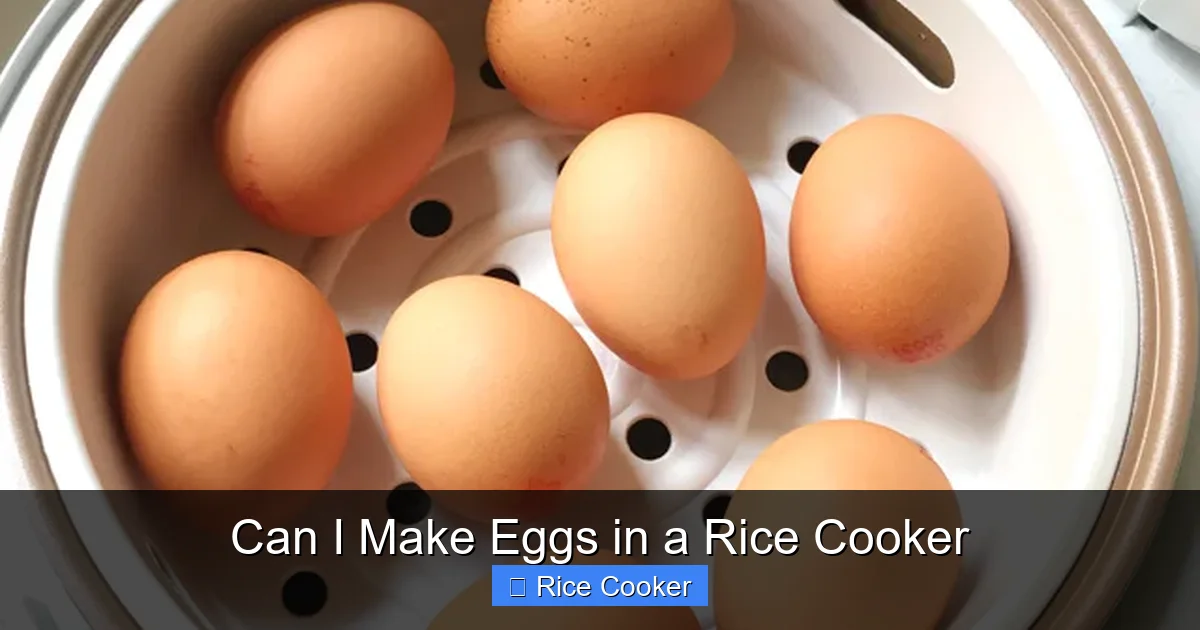
Can I make eggs in a rice cooker? Absolutely! With just a few simple steps, your rice cooker becomes a versatile tool for cooking eggs—no stovetop required. Whether you’re craving fluffy scrambled eggs or perfectly steamed soft-boiled eggs, this method is quick, convenient, and uses minimal cleanup. It’s perfect for busy mornings or when you want to try something new in the kitchen.
Making eggs in a rice cooker might sound like a quirky kitchen experiment, but it’s actually one of the most practical and underused hacks out there. If you’ve ever wondered, “Can I make eggs in a rice cooker?” the answer is a resounding yes—and not just any kind of egg. From fluffy scrambled eggs to firm hard-boiled eggs, your rice cooker can handle it all with minimal effort. This method is especially helpful on cold mornings when you’d rather not stand over a hot stove, or when you’re hosting guests and need to whip up multiple servings quickly. Plus, it saves on both time and energy.
The beauty of using a rice cooker lies in its simplicity. These appliances are designed to automate cooking processes, maintaining consistent temperatures and moisture levels—perfect conditions for eggs. Whether you’re using a basic 6-cup model or a high-tech smart rice cooker, the principles remain the same. In this guide, we’ll walk you through everything you need to know: how to set it up, what types of eggs you can make, safety tips, and even creative recipes to get you started. So grab your favorite rice cooker and let’s crack into some egg-cellent possibilities!
Key Takeaways
- Yes, eggs can be cooked in a rice cooker: You can make scrambled eggs, hard-boiled eggs, soft-boiled eggs, and even egg custard using your rice cooker.
- It’s energy-efficient: Rice cookers use less electricity than ovens or stovetops, making them an eco-friendly option for cooking eggs.
- Minimal cleanup: Cooking eggs in a rice cooker means fewer pots and pans to wash compared to traditional methods.
- Customizable results: Adjust water levels, cooking time, and ingredients to control texture and doneness.
- Great for meal prep: Use the rice cooker to make large batches of eggs for breakfast burritos, salads, or snacks.
- Suitable for various rice cooker models: Most standard rice cookers work, though some advanced models offer steam baskets for better results.
- Safety first: Always follow manufacturer guidelines and ensure the rice cooker lid is securely closed during cooking.
📑 Table of Contents
Cooking Eggs in a Rice Cooker: How It Works
At first glance, turning your rice cooker into an egg-making machine might seem like a stretch. After all, rice cookers aren’t marketed for eggs, and their primary function is, well—cooking rice. But here’s the secret: eggs cook best in a stable, moist environment with gentle, sustained heat—exactly what a rice cooker provides.
When you add water and an egg (or eggs) to the inner pot, the heat from the bottom gradually warms the water, creating a slow-cooking effect. Unlike boiling eggs where the temperature spikes and can cause cracking, the rice cooker maintains a steady warmth that helps prevent overcooking and ensures even results. This makes it ideal for delicate preparations like scrambled eggs or custard, where precision matters.
Most rice cookers come with a keep-warm function after cooking completes. While this won’t continue cooking eggs further (which could dry them out), it does help maintain serving temperature until you’re ready to eat. Some modern models even have dedicated steamer baskets that allow you to elevate eggs above the water line, reducing risk and improving texture. Either way, the process is hands-off and foolproof once you know the basics.
Types of Rice Cookers That Work Best
Not all rice cookers are created equal when it comes to making eggs. While older or simpler models will work fine, newer ones offer extra features that enhance your experience:
- Basic Rice Cookers: Simple, affordable, and reliable. Great for hard-boiled or soft-boiled eggs using the direct-contact method.
- Multi-Cooker Models: These combine a rice cooker with pressure cooking and steaming functions. Ideal if you also want to make soups or steam vegetables alongside eggs.
- Rice Cookers with Steamer Baskets: The most convenient option. Elevates food above the water so eggs don’t sit directly in liquid, preventing mushiness.
- Smart/Connected Rice Cookers: Allow remote control via apps and often include preset modes for eggs or custards. Overkill for beginners but great for tech lovers.
If you’re just starting out, don’t worry about upgrading. Even a $20 basic model can produce delicious results. Just remember to clean it thoroughly afterward—eggs can leave stubborn residues if not rinsed properly.
Step-by-Step Guide to Making Eggs in a Rice Cooker
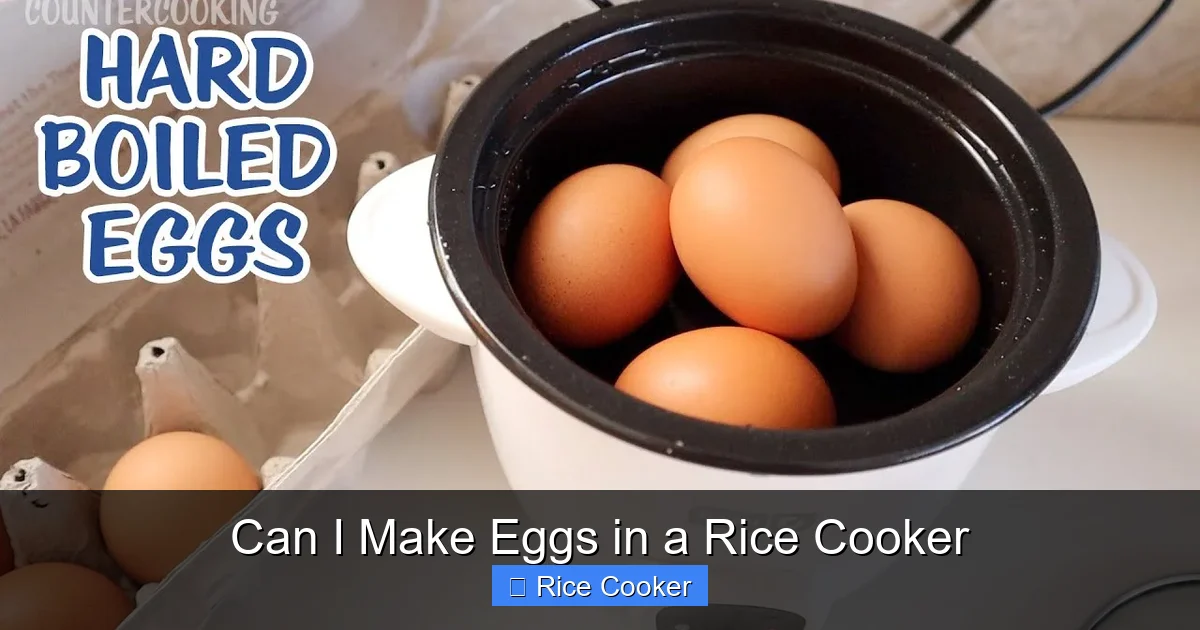
Visual guide about Can I Make Eggs in a Rice Cooker
Image source: i.ytimg.com
Ready to give it a try? Follow these easy steps to make perfect eggs every time. We’ll cover three popular methods: hard-boiled, soft-boiled, and scrambled eggs—each with slight variations depending on your desired outcome.
Hard-Boiled Eggs
Hard-boiled eggs are a pantry staple—great for snacks, salads, or quick meals. Making them in a rice cooker takes just minutes and yields consistent results.
What You Need:
- Fresh eggs (as many as your pot fits)
- Water (enough to cover eggs by 1 inch)
- Optional: vinegar (to reduce cracking)
Instructions:
- Place eggs gently into the inner pot of your rice cooker.
- Add enough cold water to cover the eggs completely—about 1–2 inches above them.
- If desired, add 1 tablespoon of white vinegar to the water; this helps seal any cracks and makes peeling easier.
- Close the lid securely and press the “Cook” button. Let the rice cooker run through one full cycle (usually 20–30 minutes).
- Once done, carefully drain the hot water and transfer eggs to a bowl of ice water for at least 5 minutes to stop the cooking process.
- Peel and enjoy!
Tip: For extra-firm yolks (like for deviled eggs), increase cooking time by 5–10 minutes. Avoid letting the rice cooker enter keep-warm mode, as prolonged exposure can overcook the whites.
Soft-Boiled Eggs
Soft-boiled eggs have runny yolks and tender whites—ideal for dipping toast or enjoying solo. They cook faster than hard-boiled versions and require slightly different handling.
What You Need:
- Fresh eggs
- Water
- Ice bath (for chilling)
Instructions:
- Submerge eggs in the rice cooker pot with enough water to cover them by ½ inch.
- Cook on the standard cycle (about 15–18 minutes). Check after 14 minutes by gently shaking the pot—if the yolk jiggles slightly, they’re ready.
- Drain immediately and plunge into ice water for 2–3 minutes.
- Crack the top of each egg, peel gently, and serve with salt, pepper, or soy sauce.
Note: Soft-boiled eggs rely on residual heat to finish cooking after draining. Don’t let them sit too long without cooling or they may become rubbery.
Scrambled Eggs
Who knew scrambled eggs could be made in a rice cooker? It’s surprisingly effective and produces creamy, fluffy results—especially if you use the right technique.
What You Need:
- Eggs (2–4 per batch)
- Milk or cream (optional, for fluffiness)
- Salt and pepper
- Butter or oil
- Small heat-resistant bowl or ramekin
Instructions:
- Beat eggs with milk, salt, and pepper in a small bowl. Pour into the rice cooker pot.
- Drizzle butter or oil around the edges of the pot.
- Add ½ cup of water to the bottom of the pot.
- Cover and cook on the standard cycle. Stir halfway through if your model allows it.
- After cooking, let rest for 2–3 minutes. The residual heat will finish setting the eggs.
- Fluff with a fork and serve immediately.
Pro Tip: For ultra-smooth scrambled eggs, strain the beaten egg mixture before cooking to remove any chalazae (those tough white strands).
Creative Recipes Using Eggs in a Rice Cooker
Beyond the basics, your rice cooker opens doors to delicious egg-based dishes that go beyond plain boiled or scrambled varieties. Here are three creative ideas to expand your breakfast repertoire:
Egg Custard (Silky Soufflé-Style)
This rich, creamy dessert-like dish is perfect for brunch or as a light dinner. It’s similar to crème anglaise but cooked gently in a rice cooker.
Ingredients:
- 4 eggs
- 1 cup heavy cream
- ¼ cup sugar
- 1 tsp vanilla extract
- Pinch of salt
Method:
- Whisk eggs, cream, sugar, vanilla, and salt until smooth.
- Pour into the rice cooker pot (no need for extra water—the steam from the heating element does the job).
- Cook on low heat or standard cycle for 25–30 minutes, stirring occasionally.
- Check for doneness by inserting a toothpick—it should come out clean.
- Serve warm with fresh fruit or a sprinkle of cinnamon.
Japanese Tamagoyaki (Layered Omelet)
While traditional tamagoyaki requires a special pan, you can approximate it using a rice cooker with a bit of patience.
Ingredients:
- 4 eggs
- 1 tbsp sugar
- 1 tsp dashi stock (or water)
- Pinch of salt
Method:
- Beat eggs with sugar, dashi, and salt.
- Pour into the rice cooker pot with ¼ cup water.
- Cook on standard cycle. When bubbling starts, use chopsticks to fold the egg inward repeatedly.
- Repeat folding every 1–2 minutes until fully set.
- Shape into a log and slice before serving with rice.
Breakfast Burrito Fillers
Prep a batch of scrambled eggs ahead of time for easy breakfast burritos all week.
Method:
- Follow the scrambled egg recipe above, doubling the ingredients if needed.
- Add cooked veggies (bell peppers, onions, spinach) and shredded cheese during the last minute of cooking.
- Transfer to a baking sheet, cool completely, then wrap individually in foil.
- Reheat in the microwave or oven when ready to assemble.
These recipes show how versatile your rice cooker can be—turning ordinary eggs into gourmet-style creations with zero added stress.
Tips for Perfect Results Every Time
Even with the right method, a few tweaks can elevate your egg game. Here are expert tips to ensure success:
- Use fresh eggs: Older eggs can be harder to peel and may split more easily. Freshness also affects texture—fresh eggs scramble better.
- Don’t overcrowd the pot: Too many eggs at once can lower the water temperature and lead to uneven cooking.
- Let the rice cooker preheat: Turn it on 5–10 minutes before adding eggs for optimal heat distribution.
- Experiment with timing: Keep a log of how long each batch takes. Results vary by brand and model.
- Clean promptly: Egg proteins stick easily. Rinse the pot while still warm, and avoid soaking overnight unless necessary.
- Try silicone liners: Non-stick inserts make cleanup easier and reduce sticking—especially useful for custards or saucy egg dishes.
Also, consider investing in a thermometer if you frequently make delicate items like custard. Monitoring internal temperature prevents overcooking and ensures food safety.
Safety Considerations When Cooking Eggs
While rice cookers are generally safe, cooking eggs introduces unique risks—primarily related to salmonella and improper handling.
Food Safety Tips:
- Always use pasteurized eggs when making raw or undercooked egg dishes like custard or mousse.
- Refrigerate leftovers within 2 hours of cooking. Bacteria grow rapidly in the “danger zone” between 40°F and 140°F.
- Avoid cross-contamination: Use separate utensils and bowls for raw eggs and cooked foods.
- Never open the lid during cooking unless absolutely necessary. Steam release can disrupt temperature balance.
- Check expiration dates and discard cracked or foul-smelling eggs immediately.
Remember: Just because eggs are cooked doesn’t mean they’re automatically safe. Always handle eggs responsibly, whether on the stovetop or in the rice cooker.
Cleaning and Maintenance
One of the biggest perks of cooking eggs in a rice cooker is how easy it is to clean. Still, proper maintenance extends the life of your appliance and prevents lingering odors.
Post-Use Steps:
- Let the pot cool completely before washing.
- Rinse with warm water immediately after use to loosen residue.
- For stuck-on bits, soak in warm soapy water for 10–15 minutes.
- Use a soft sponge—abrasive scrubbers can damage non-stick coatings.
- Dry thoroughly before reassembling.
Avoid putting the inner pot in the dishwasher unless it’s labeled dishwasher-safe. Harsh detergents and high heat can degrade the coating over time.
If you notice a persistent egg smell, boil a pot of water with lemon slices or baking soda for 10 minutes to neutralize it.
Frequently Asked Questions
Can I make fried eggs in a rice cooker?
While not traditional, you can mimic fried eggs by using a small amount of oil in the pot and cracking eggs directly into the heated liquid. However, results may vary since the rice cooker isn’t designed for high-heat frying. A steamer basket with parchment paper works best for controlled cooking.
How do I prevent eggs from sticking to the rice cooker pot?
Use a non-stick rice cooker insert or lightly grease the bottom with butter or oil. Adding a splash of water or cream also helps create a barrier between the egg and the surface. Avoid metal utensils that can scratch the coating.
Can I cook multiple eggs at once?
Yes, but space them evenly in the pot and avoid stacking. Too many eggs together can result in uneven cooking. For best results, cook no more than 6–8 eggs in a standard 6-cup rice cooker.
Do I need to add water for hard-boiled eggs?
Absolutely. Water conducts heat efficiently and prevents eggs from drying out. Cover them completely with cold water—about 1 inch above the eggs—to ensure even cooking throughout.
Is it safe to leave eggs in the rice cooker after cooking?
Only if you plan to serve them soon. Leaving eggs in the keep-warm mode for extended periods (over 2 hours) increases bacterial growth. Remove them promptly and refrigerate leftovers within 2 hours.
Can I make quiche in a rice cooker?
Technically yes, but it’s tricky due to the shape and size constraints. A shallow pie dish may fit, but heat distribution might be uneven. For best results, use a multi-cooker with a steam tray or opt for smaller individual custard cups instead.