

Yes, you absolutely can make flavored rice in a rice cooker, and it’s easier than you think. With the right ingredients and technique, your rice cooker transforms plain grains into savory, aromatic dishes that rival restaurant meals. Whether you’re using broth, spices, or fresh herbs, this simple kitchen tool opens up endless flavor possibilities—no chef’s hat required.
Key Takeaways
- Rice cookers are versatile: Beyond boiling rice, they can infuse flavors through liquids like broth, wine, or coconut milk.
- Flavor starts with liquid: Replace water with chicken, vegetable, or mushroom broth to add depth and richness.
- Spices and aromatics matter: Add bay leaves, garlic, ginger, or turmeric during cooking for bold, layered tastes.
- Herbs and citrus brighten: Toss in fresh cilantro, lemon zest, or lime juice after cooking for a fresh finish.
- Grains vary by recipe: Basmati, jasmine, arborio, and brown rice each respond differently to flavoring methods.
- Steaming bags and inserts help: Use mesh bags or bamboo steamers to infuse delicate flavors without muddying the rice.
- Cleanup is simple: Most rice cooker pots are non-stick and dishwasher-safe, making flavored rice easy to prepare and clean.
📑 Table of Contents
- Can I Make Flavored Rice in a Rice Cooker?
- The Magic of Liquid Substitution
- Spices That Sing in the Rice Cooker
- Herbs, Citrus, and Finishing Touches
- Specialty Grains and Their Flavor Profiles
- Advanced Techniques for Bold Flavors
- Common Mistakes and How to Avoid Them
- Simple Recipes to Get You Started
- Cleaning and Maintenance Tips
- Conclusion: Your Rice Cooker Is More Than Just a Cooker
Can I Make Flavored Rice in a Rice Cooker?
Have you ever stared at a pot of plain white rice, wondering how to turn it into something truly special? You’re not alone. Many home cooks dream of serving restaurant-quality dishes without leaving their kitchens. The good news? Your rice cooker—yes, that humble countertop appliance you use for fluffy basmati or sticky sushi rice—can do so much more than just cook grains. With a few clever tricks and flavorful additions, you can transform basic rice into vibrant, aromatic meals that delight the senses and impress guests.
Making flavored rice in a rice cooker isn’t about complex techniques or expensive equipment. It’s about understanding how heat and liquid interact with rice, and using that knowledge to layer taste from the very beginning. Whether you’re craving golden turmeric-infused rice, fragrant coconut jasmine, or smoky chipotle-spiced bowls, your rice cooker is ready to deliver. In this guide, we’ll walk you through everything you need to know—from choosing the right rice type to mastering flavor combinations that elevate every bite.
The Magic of Liquid Substitution
At the heart of most flavored rice recipes is one simple idea: swap water for flavorful liquid. Instead of using plain water as your cooking base, try using chicken, vegetable, or beef broth. The result? Rice that’s richer, more aromatic, and deeply satisfying. Broth adds umami, saltiness, and subtle complexity that water simply can’t match.
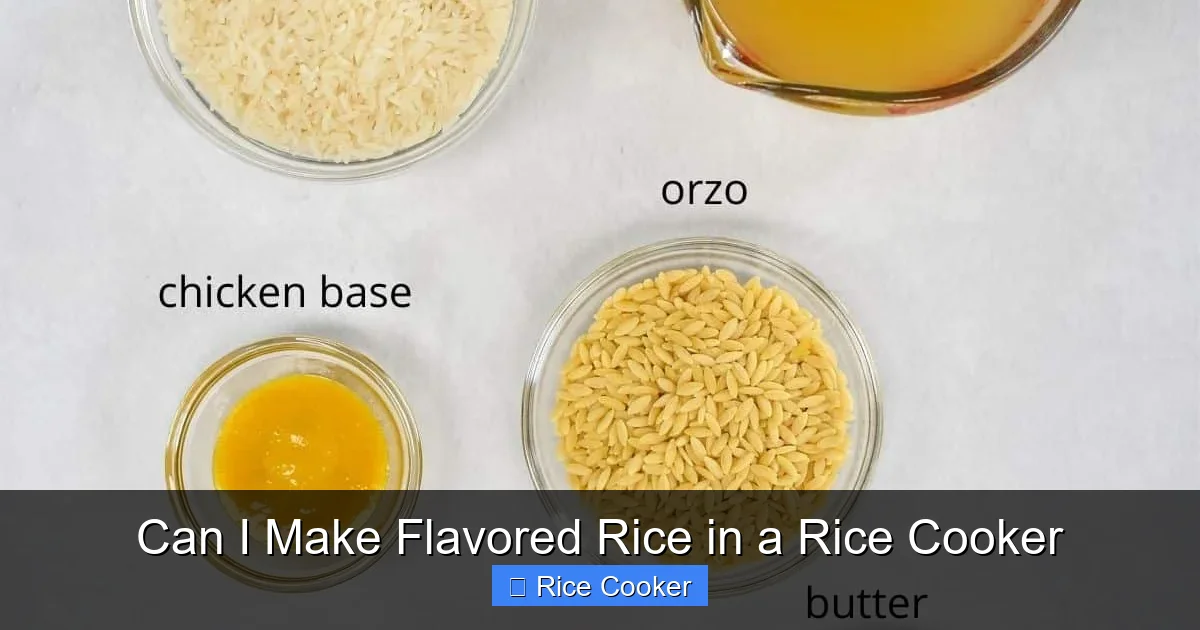
Visual guide about Can I Make Flavored Rice in a Rice Cooker
Image source: cook2eatwell.com
Why Broth Beats Water
Water is neutral—it doesn’t contribute much flavor on its own. But when you cook rice in broth, those savory notes soak directly into the grains as they steam. This infusion happens gradually during the absorption cycle, ensuring even distribution of taste throughout the bowl. For example, cooking jasmine rice in chicken broth gives you a fragrant, slightly savory side dish perfect alongside roasted chicken or stir-fries.
Getting the Ratio Right
A common question is: “Do I still use the same amount of liquid?” Yes—but with one key adjustment. Most rice cookers follow a 1:1 ratio (one cup rice to one cup liquid), so if you’re using broth instead of water, keep the volume the same. Just remember that broth may contain salt, so taste before seasoning at the end. Over-salting is easier to fix in rice than under-seasoning, but starting balanced helps.
Experimenting with Broth Types
Don’t limit yourself to store-bought broth. Homemade bone broth adds collagen and depth, while vegetable broth brings earthy sweetness. For Asian-inspired dishes, try dashi (Japanese fish stock) or tamari-based broth for a gluten-free soy twist. Even miso paste diluted in warm water makes an excellent base for miso-glazed rice bowls.
Spices That Sing in the Rice Cooker
If liquid sets the stage, spices carry the melody. The rice cooker’s sealed environment allows aromatic compounds to bloom fully—especially when combined with heat and moisture. Whole spices like cumin, cardamom, or cinnamon release their oils slowly, creating layers of flavor that unfold with each bite.
Classic Spice Blends
- Tajín & Lime Rice: Mix Tajín seasoning (chili-lime blend) with cooked rice for a tangy kick. Great with grilled fish or tacos.
- Turmeric & Ginger: Sauté ginger and turmeric in oil, then add to rice with broth. Creates golden, anti-inflammatory power rice.
- Garam Masala Jasmine: Toast garam masala lightly in ghee, then combine with jasmine rice and coconut milk for Indian-inspired comfort.
How to Add Spices Without Burning
To protect delicate spices from scorching, always sauté them first in a small amount of oil or butter. Then transfer the spice mixture to your rice cooker pot before adding rice and liquid. This gentle heating unlocks their fragrance without burning. For whole spices like star anise or cloves, you can also place them directly in the pot—they’ll steep into the rice naturally.
Herbs, Citrus, and Finishing Touches
The secret to vibrant, restaurant-worthy rice often lies in the finishing touches. While the bulk of flavor develops during cooking, fresh elements added afterward make all the difference. Think bright lemon zest, chopped parsley, or a drizzle of olive oil.
When to Add Fresh Herbs
Never add raw herbs to the cooker—they’ll turn bitter. Instead, wait until the rice is done, fluff it gently, then fold in cilantro, basil, or chives. A squeeze of fresh lime or lemon juice over warm rice cuts through richness and wakes up muted flavors. For Mediterranean dishes, top with sun-dried tomatoes and feta; for Thai-style, add roasted peanuts and mint.
Citrus Zest for Brightness
Lemon, orange, or grapefruit zest adds floral, tangy notes that complement spiced or creamy rice beautifully. Grate finely over cooked rice just before serving. Avoid using too much—zest is potent! One teaspoon per cup of rice is plenty.
Specialty Grains and Their Flavor Profiles
Not all rice behaves the same when flavored. Different varieties absorb liquid and respond uniquely to spices and liquids. Understanding these differences helps you choose the best grain for your dish.
Basmati & Jasmine: Fragrance Kings
Long-grain basmati and jasmine rice are prized for their natural aroma. When cooked in coconut milk or broth, they become fragrant powerhouses. Try jasmine rice with lemongrass and kaffir lime leaves for a Thai curry rice base. Basmati shines with saffron strands soaked in warm milk, creating Persian-style polow.
Arborio: Creamy Potential
Risotto lovers, rejoice! Arborio rice absorbs liquid slowly, creating a creamy texture ideal for risotto-style dishes. Cook it in white wine and vegetable broth with Parmesan and thyme for a quick, elevated side. Stir occasionally during the last 5 minutes for extra creaminess—or let the rice cooker handle it with intermittent stirring.
Brown Rice: Nutty and Hearty
Whole grain brown rice needs more liquid and longer cook times, but rewards you with nutty depth. Pair with mushrooms, garlic, and rosemary for a rustic pilaf. Soak the rice overnight to reduce cooking time and improve texture.
Sushi Rice: Sweet and Sticky
For sushi rice with a twist, cook in rice vinegar, sugar, and salt mixture. Add pickled ginger or sesame seeds for extra flair. Perfect as a base for poke bowls or fusion rolls.
Advanced Techniques for Bold Flavors
Once you’ve mastered basics, explore advanced methods to take your rice game to the next level. These techniques use accessories or clever timing to deepen flavor profiles.
Using Steaming Bags
Mesh or cloth steaming bags allow you to infuse delicate flavors—like vanilla beans, dried chilies, or citrus peels—without letting them sink into the rice. Simply fill the bag with aromatics, secure it, and place it in the rice cooker alongside the grains. Remove before serving.
Bamboo Steamers for Layered Cooking
Many rice cookers come with removable steam trays. Use these to cook vegetables, dumplings, or even eggs atop your rice. This multi-level cooking method saves time and builds flavor through steam exchange.
Miso Paste Infusion
Dissolve white or red miso paste in warm broth before mixing with rice. The result is a savory, fermented depth reminiscent of Japanese donburi bowls. Best paired with soft-cooked egg or green onions.
Wine-Infused Risotto
Pour a splash of dry white wine into the rice cooker along with broth. As the alcohol evaporates during cooking, it leaves behind fruity, complex undertones. Works especially well with Arborio or Carnaroli rice.
Common Mistakes and How to Avoid Them
Even experienced cooks stumble when making flavored rice. Here are the most frequent pitfalls—and how to dodge them.
Overcooking or Underseasoning
Too much salt early on makes rice tough and unbalanced. Taste frequently toward the end of cooking. If rice feels bland, add a pinch of salt, a splash of broth, or a squeeze of citrus at the end.
Skipping the Rinse Step
Starchy surface proteins affect texture and flavor absorption. Always rinse long-grain rice under cold water until the water runs clear. This removes excess starch, preventing clumping and allowing better flavor penetration.
Ignoring Rice Type Compatibility
Not every grain pairs well with every liquid. For instance, sushi rice prefers sweet vinegary liquids, while brown rice handles hearty broths better. Match your grain to your flavor profile.
Neglecting to Fluff
Gently fluffing rice with a fork after cooking ensures even distribution of flavors and prevents compacted clumps. It also aerates the grains, making them light and fluffy.
Simple Recipes to Get You Started
Ready to put theory into practice? Try these easy, delicious recipes that showcase your rice cooker’s full potential.
1. Garlic Herb Brown Rice
Ingredients: 1 cup brown rice, 1.5 cups vegetable broth, 2 cloves minced garlic, 1 tsp olive oil, ¼ cup chopped parsley, salt to taste.
Method: Sauté garlic in oil, add rice and broth. Cook according to instructions. Top with parsley before serving.
2. Coconut Curry Jasmine Rice
Ingredients: 1 cup jasmine rice, 1 cup coconut milk, ½ cup vegetable broth, 1 tbsp curry powder, 1-inch piece ginger (grated).
Method: Combine all ingredients in rice cooker. Cook until done. Rest 5 minutes before fluffing.
3. Chipotle Black Bean Rice
Ingredients: 1 cup white rice, 1 cup chicken broth, ½ cup canned black beans (rinsed), 1 chipotle pepper in adobo (chopped), 1 tsp cumin.
Method: Add all ingredients to cooker. Cook normally. Garnish with avocado and cilantro.
Cleaning and Maintenance Tips
After making flavored rice, cleaning your rice cooker is simple—but important. Leftover spices, herbs, or oils can leave residue if not handled properly.
- Unplug and cool: Always let the unit cool completely before cleaning.
- Remove inner pot: Wash with warm, soapy water. Avoid abrasive scrubbers on non-stick surfaces.
- Clean lid and steam vent: Wipe with damp cloth. Some models have removable lids—check manufacturer guidelines.
- Descaling if needed: If mineral buildup occurs (common with hard water), soak the pot in vinegar solution once a month.
Conclusion: Your Rice Cooker Is More Than Just a Cooker
Making flavored rice in a rice cooker is not only possible—it’s one of the easiest ways to elevate your everyday meals. With creativity and a few smart techniques, you can turn a simple side dish into a flavor-packed centerpiece. From aromatic spices and rich broths to fresh herbs and zesty finishes, the possibilities are endless. And the best part? No standing over a hot stove, no constant stirring, just set it and forget it convenience with big flavor payoff.
So next time you reach for plain water, pause. Swap it for broth, toss in some garlic, or sprinkle in turmeric. Watch how quickly ordinary rice becomes extraordinary. Your taste buds—and dinner guests—will thank you.
Frequently Asked Questions
Can I use any type of rice in a rice cooker for flavored rice?
Yes, most rice types work well in a rice cooker. Long-grain varieties like basmati and jasmine absorb flavors beautifully, while short-grain and arborio rice create creamy textures. Adjust liquid ratios slightly based on grain type for best results.
Do I need special ingredients to flavor rice in a rice cooker?
No special ingredients are required. Basic pantry items like broth, spices, garlic, ginger, and herbs are enough. Optional extras like coconut milk, wine, or miso paste enhance flavor but aren’t necessary for success.
How do I prevent my flavored rice from becoming mushy?
Use the correct water-to-rice ratio for your grain type. Don’t stir during cooking unless specified. Let rice rest 5–10 minutes after cooking, then fluff gently with a fork. Avoid overfilling the cooker beyond capacity.
Can I add frozen vegetables or meat to flavored rice?
Yes, but add them during the last 10–15 minutes of cooking. Frozen veggies may dilute flavor, so balance with extra seasoning. For meats, sear first and add with broth for juicy, tender results.
Is it safe to leave flavored rice in the rice cooker after cooking?
It’s okay to keep rice warm for up to 1 hour on the “keep warm” setting. Beyond that, bacteria can grow. Transfer leftover rice to an airtight container and refrigerate within 2 hours.
Can I make fried rice in a rice cooker?
Traditional fried rice requires high-heat wok tossing, which a rice cooker can’t replicate. However, you can cook seasoned rice and briefly reheat with oil and eggs using the sauté function—though it won’t be exactly like wok hei.