
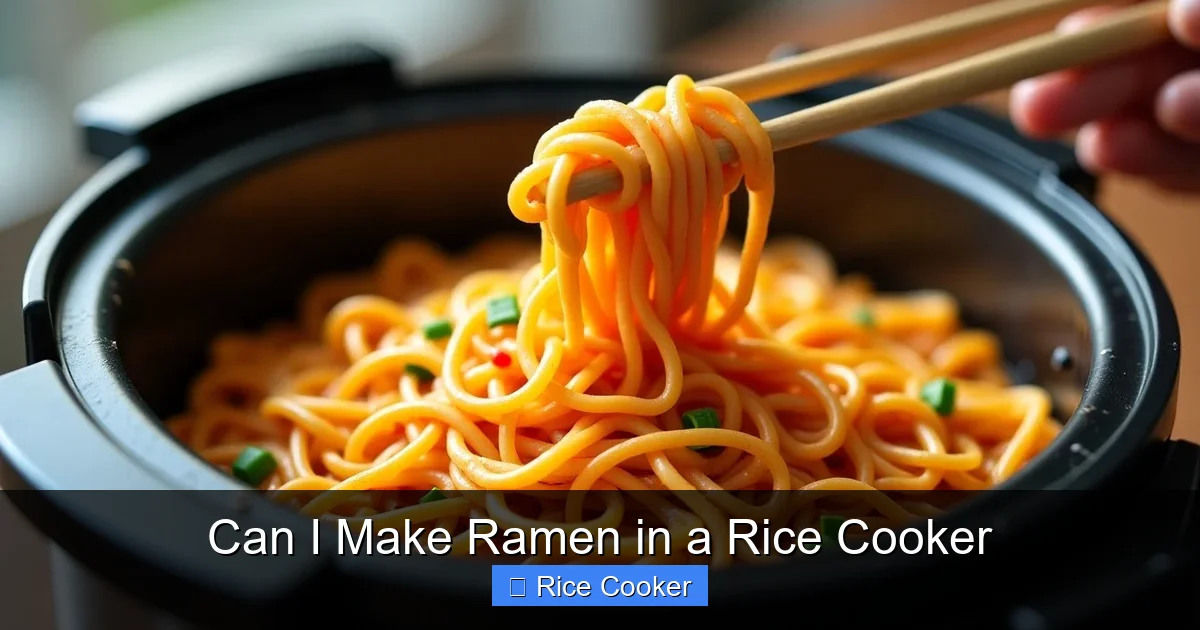
Yes, you can absolutely make ramen in a rice cooker, and it’s easier than you think! This simple kitchen hack uses your rice cooker to boil water, cook noodles, and even infuse rich broth—all in one pot. Whether you’re craving a quick weeknight meal or want to impress guests with minimal effort, making ramen in a rice cooker is fast, convenient, and surprisingly tasty.
With the right ingredients and technique, you can create restaurant-quality ramen at home without special equipment. From classic tonkotsu to spicy miso variations, the rice cooker handles all the steps: boiling, simmering, and keeping your soup warm. Plus, it frees up your stove and minimizes cleanup. In this article, we’ll walk you through everything you need to know—from choosing the best rice cooker to mastering flavor layers and customizing your bowl.
You don’t need a fancy setup or hours of prep. Just add noodles, broth, and your favorite toppings, press a button, and let science do the rest. By the end, you’ll be making ramen like a pro—no chef’s hat required.
Making ramen in a rice cooker might sound like a stretch, but trust me—it works. In fact, many home cooks swear by this method because it’s so simple and effective. Whether you’re a college student on a budget, a busy parent, or just someone who loves instant noodles with a gourmet twist, your rice cooker can become your new best friend in the kitchen.
The magic lies in the rice cooker’s ability to maintain consistent heat and handle large volumes of liquid. While it wasn’t originally designed for ramen, modern rice cookers—especially those with high-wattage heating elements—can easily bring water to a boil and cook noodles perfectly. And since ramen is mostly about the broth and toppings, the rice cooker handles the hard part: cooking the noodles without turning into a gluey mess.
In this guide, we’ll break down everything you need to know—from selecting the right rice cooker to crafting a flavorful broth and assembling a bowl that rivals your local ramen shop. Let’s get started!
Key Takeaways
- Ramen in a rice cooker is totally possible: Most rice cookers have a “cook” or “boil” function that can bring water to a rolling boil and cook noodles.
- It saves time and energy: Skip the stove, use less gas or electricity, and cook everything in one pot with minimal supervision.
- Flavor matters most: The secret to great ramen isn’t the machine—it’s the broth, seasoning, and fresh toppings you add.
- Customize easily: Add proteins like soft-boiled eggs, pork belly, or tofu; veggies like spinach, mushrooms, or corn for extra nutrition.
- Cleanup is simple: One-pot cooking means fewer dishes and faster post-meal tidy-up.
- Not all rice cookers are equal: Look for models with high wattage (700W+) and strong heat output for better boiling performance.
- Experiment with textures: Adjust cooking time to control noodle firmness—al dente lovers can shorten cook time slightly.
Quick Answers to Common Questions
Can I use instant ramen in a rice cooker?
Yes, but avoid the seasoning packet. It often contains too much sodium and can make the broth slimy. Instead, use plain noodles and make your own broth with soy sauce, miso, and fresh toppings.
How long does it take to make ramen in a rice cooker?
About 10–15 minutes total: 5–6 minutes for noodles, 2–3 minutes for toppings, plus prep time. Most of the wait is hands-off.
Do I need to pre-cook the noodles?
No. Add them directly to the hot broth in the rice cooker. They’ll cook perfectly without needing to soften first.
Can I keep ramen warm in the rice cooker?
Yes! Once cooked, switch to “keep warm” mode. Just avoid leaving it on for more than 2 hours to prevent bacterial growth.
Is ramen made in a rice cooker as good as restaurant ramen?
It depends on the broth and toppings. With homemade broth, fresh ingredients, and proper technique, you can get very close. It won’t have the same complexity as a 20-hour tonkotsu, but it’s a great homemade alternative.
📑 Table of Contents
- Can a Rice Cooker Even Make Ramen?
- What You’ll Need: Ingredients and Tools
- Step-by-Step Guide: How to Make Ramen in a Rice Cooker
- Choosing the Right Rice Cooker for Ramen
- Flavor Tips: How to Make Ramen Taste Amazing
- Common Mistakes and How to Fix Them
- Variations: Spicy, Miso, and Vegetarian Ramen
- Cleanup and Maintenance Tips
Can a Rice Cooker Even Make Ramen?
At first glance, ramen and rice cookers seem like an odd match. After all, ramen traditionally involves boiling water on the stovetop, adding noodles, and simmering for several minutes—sometimes with a lid on, sometimes not. But here’s the thing: many rice cookers today have powerful heating elements and multiple cooking modes that go far beyond just steaming rice.
Most standard rice cookers can handle boiling water. They come with a “cook” or “boil” setting that brings water to a full rolling boil—just like your stove. Some even have a “keep warm” function that maintains temperature after cooking. That means you can technically boil noodles and simmer broth in one go.
Of course, not all rice cookers are created equal. Older or low-wattage models might struggle to reach a true boil, especially if you’re using a large amount of water. But newer digital rice cookers with at least 700 watts of power? They’re more than capable.
So yes, you can make ramen in a rice cooker—but only if your model has the right features. We’ll dive deeper into what to look for later.
What You’ll Need: Ingredients and Tools
Visual guide about Can I Make Ramen in a Rice Cooker
Image source: imgcdn.stablediffusionweb.com
Before you start, gather these essentials. You don’t need fancy gadgets—just a few key items that make the process smooth and delicious.
Essential Ingredients
- Ramen noodles: Use dried or fresh Japanese-style wheat noodles (not instant ramen cups unless you’re okay with less control over texture).
- Broth: Store-bought chicken, pork, or vegetable broth works well. For homemade, simmer bones or vegetables for 1–2 hours.
- Soy sauce: Adds umami and depth. Use light soy sauce for saltiness, dark for color and richness.
- Miso paste: Optional, but great for miso ramen. Mix into broth after cooking.
- Gochujang or chili oil: For spicy ramen lovers.
- Soft-boiled eggs: A must-have for authentic ramen.
- Pork belly, chashu, or sliced bacon: Adds savory richness.
- Green onions, nori, bean sprouts: Fresh toppings for crunch and color.
Tools & Equipment
- A rice cooker with boil mode: Check your manual for functions like “cook” or “simmer.”
- Measuring cup: To get the right water-to-noodle ratio.
- Timer: Your phone works fine.
- Ladle or spoon: For stirring noodles gently.
- Bowl for serving: Deep enough to hold broth and noodles.
Pro tip: If your rice cooker doesn’t have a “boil” function, you can still try it—just monitor closely. Low heat might not be enough to fully cook the noodles.
Step-by-Step Guide: How to Make Ramen in a Rice Cooker
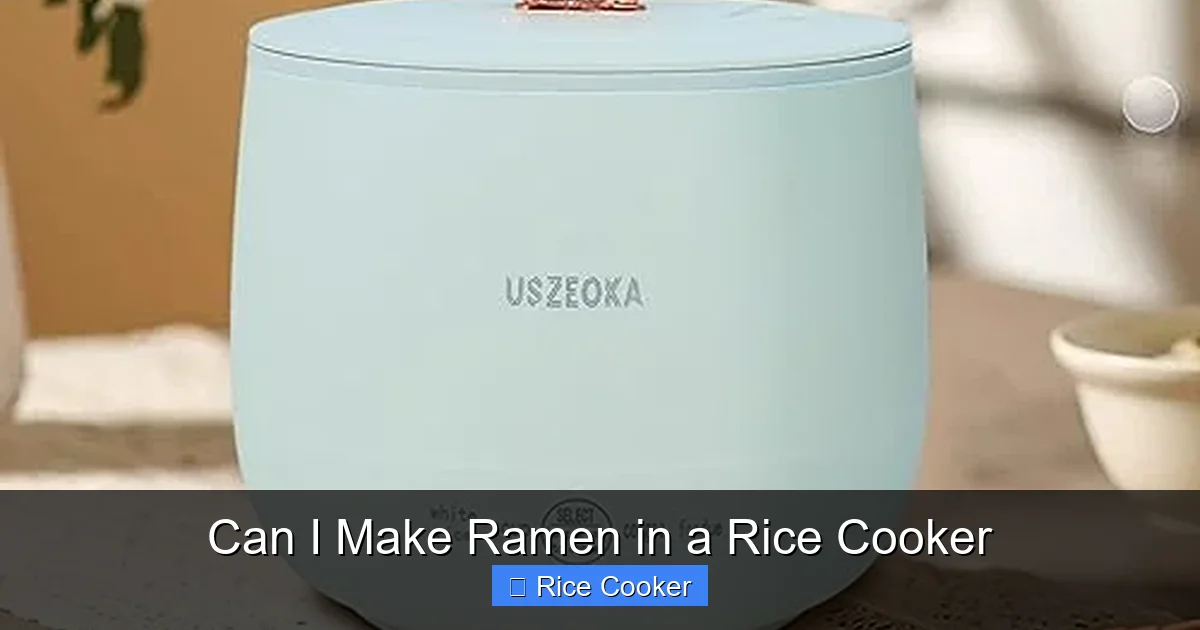
Visual guide about Can I Make Ramen in a Rice Cooker
Image source: m.media-amazon.com
Ready to cook? Follow these steps for a perfect bowl every time.
Step 1: Prepare Your Broth
Start with a flavorful base. Heat 3–4 cups of broth in your rice cooker on the “cook” setting until it reaches a gentle simmer. If using store-bought broth, taste and adjust with soy sauce, salt, or MSG for depth. For miso ramen, whisk in 1–2 tablespoons of miso paste off the heat to avoid breaking down its flavor.
Step 2: Add Noodles
Once the broth is simmering, carefully drop in your ramen noodles. Gently separate them with a fork or spoon to prevent clumping. Cover and let them cook for 6–8 minutes, depending on thickness. Stir once halfway through to ensure even cooking.
Step 3: Add Toppings (Optional)
If you’re adding raw toppings like spinach or soft-boiled eggs, add them during the last 2–3 minutes of cooking. Eggs will cook from residual heat, and greens will wilt quickly.
Step 4: Finish and Serve
Once noodles are tender but still chewy (al dente), turn off the rice cooker. Let it sit for 2 minutes to finish cooking. Ladle the noodles and broth into bowls, top with chashu, green onions, nori, and any extras. Enjoy immediately!
Choosing the Right Rice Cooker for Ramen
Not all rice cookers are built for ramen. Here’s what to look for:
Wattage Matters
Look for a rice cooker with at least 700 watts. Higher wattage means stronger heat output, which is crucial for boiling water and cooking noodles quickly. Brands like Zojirushi, Panasonic, and Instant Pot (yes, their rice cooker functions work) are reliable choices.
Cooking Functions
Check if your rice cooker has:
- “Cook” or “Boil” mode
- “Keep Warm” function (great for serving)
- “Simmer” or “Low Heat” setting for gentle broth reduction
Some models even have a “noodle” setting—rare, but helpful if available.
Size and Capacity
For one person, a 3-cup rice cooker works. For two or more, go for 5–6 cups. Larger models distribute heat better and handle more water without overheating.
Non-Stick Coating
This makes cleanup easier and prevents noodles from sticking. Avoid aluminum pots—opt for stainless steel or ceramic.
Flavor Tips: How to Make Ramen Taste Amazing
Great ramen starts with great broth. Here’s how to level up your flavor game.
Layer Your Umami
Use ingredients rich in glutamates:
- Pork bones (for tonkotsu base)
- Mushrooms (shiitake add deep savoriness)
- Soy sauce and miso
- Seaweed or kombu
Balance the Soup
Ramen should have five flavors: salty, sweet, sour, bitter, and umami. Add a splash of mirin or sake for sweetness, rice vinegar for tang, and a pinch of sugar to balance.
Don’t Overcook the Noodles
Even in a rice cooker, overcooked noodles become mushy. Test for al dente texture after 6 minutes. If they’re too firm, add a splash of hot water and cook 1 minute longer.
Fresh Toppings Make a Difference
Skip the canned bamboo shoots. Fresh ones add crispness. Soft-boiled eggs (6–7 minutes in boiling water) are a game-changer. Slice pork belly thinly and sear briefly before adding to broth.
Common Mistakes and How to Fix Them
Even experienced cooks run into issues. Here’s how to troubleshoot:
Noodles Sticking Together
Solution: Stir gently halfway through cooking. Use a non-stick rice cooker pot, and avoid overcrowding.
Water Evaporating Too Fast
Solution: Add a bit more water initially (4–5 cups). If it boils dry, stop and add hot water slowly.
Broth Too Thin
Solution: Simmer uncovered for 10–15 minutes after noodles are done to reduce and thicken. Or stir in a slurry of cornstarch and water.
Rice Cooker Won’t Boil
Solution: Try the “cook” setting twice. If it won’t heat above 160°F, your model may lack power. Consider upgrading or using the stove for boiling.
Tastes Bland
Solution: Always taste and adjust seasoning. Add soy sauce, salt, or a dash of MSG if needed.
Variations: Spicy, Miso, and Vegetarian Ramen
One of the best things about rice cooker ramen is how easy it is to customize.
Spicy Miso Ramen
Add 1–2 tablespoons of red miso paste and 1 teaspoon of gochujang to the broth. Top with chili oil, bean sprouts, and sliced jalapeños.
Tonkotsu-Style Ramen
Simmer pork bones with garlic, ginger, and onions for 2 hours before adding noodles. Strain and skim fat before cooking noodles.
Vegan Ramen
Use vegetable broth, add tofu, mushrooms, and bok choy. Season with tamari instead of soy sauce.
Seafood Ramen
Add shrimp, scallops, or fish cake during the last 3 minutes of cooking. Garnish with cilantro and lime.
Cleanup and Maintenance Tips
Since you’re cooking everything in one pot, cleanup is a breeze.
Soak Immediately
Let the rice cooker cool slightly, then rinse the pot while warm. Food sticks less when hot.
Use Baking Soda
For stubborn residue, add a teaspoon of baking soda and hot water. Scrub gently with a soft sponge.
Avoid Harsh Scrubbers
Scratches can harbor bacteria. Stick to nylon brushes and non-abrasive cleaners.
Store Leftovers Properly
If you have extra broth, store it in airtight containers. Reheat on the “warm” setting or on the stove.
Frequently Asked Questions
Can I make ramen in any rice cooker?
Most rice cookers can handle boiling water, but older or low-wattage models may struggle. Look for one with at least 700 watts and a “cook” or “boil” function for best results.
What kind of noodles work best?
Japanese-style wheat noodles are ideal. Avoid thick udon or thin glass noodles—they may not cook evenly in a rice cooker.
Do I need to add oil to the broth?
Not necessarily. If you’re making tonkotsu ramen, a small amount of rendered fat adds richness. Otherwise, skip it to keep the broth lighter.
Can I make ramen for a crowd in a rice cooker?
Yes, but larger batches may require multiple rounds or a bigger rice cooker. Consider using a slow cooker as an alternative for big groups.
How do I prevent noodles from getting soggy?
Don’t overfill the pot with water. Use just enough to cover noodles (about 4–5 cups). Cook until al dente, and serve immediately.
Can I reheat leftover ramen in the rice cooker?
Yes! Add a splash of water or broth, cover, and heat on the “cook” setting for 3–5 minutes, stirring occasionally.