
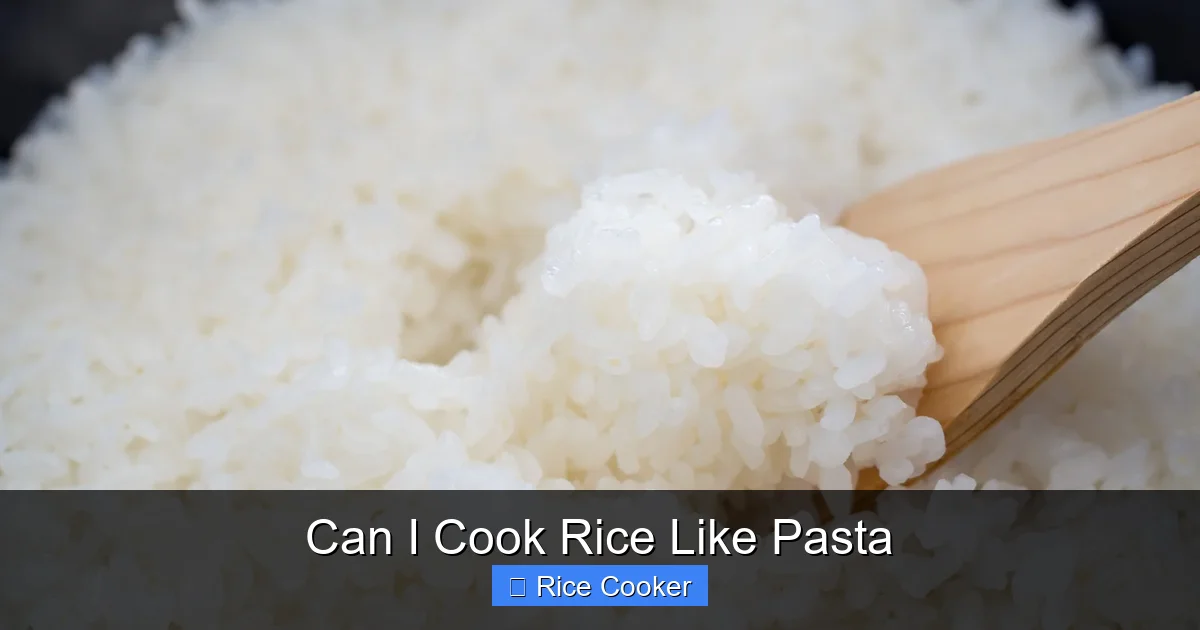
Can you cook rice like pasta? Absolutely! While they’re different grains, you can use similar cooking methods with a few tweaks. Whether you’re boiling, steaming, or even using a rice cooker, adapting pasta-style preparation makes cooking rice faster and more convenient.
Key Takeaways
- Yes, you can cook rice like pasta: Both rice and pasta are starchy carbohydrates that cook quickly when submerged in boiling water.
- Use the same basic method: Boil rice in salted water just like pasta, but adjust time and water volume for best results.
- Rinse before cooking: Rinsing removes excess starch, giving rice a flakier texture similar to al dente pasta.
- Don’t overcook: Rice should be tender but still have bite—think “al dente” instead of mushy.
- Experiment with shapes: Use jasmine or basmati rice for a chewy, separate-grain feel, or short-grain rice for a creamier consistency.
- Pair with sauces: Cooked rice absorbs flavors well, making it perfect for stir-fries, casseroles, or creamy pasta dishes.
- Tools matter: A large pot with a lid works best, but a rice cooker offers precision if you prefer automation.
📑 Table of Contents
- Can I Cook Rice Like Pasta? The Surprising Truth
- Understanding Rice and Pasta: What Makes Them Different?
- Cooking Rice Like Pasta: Step-by-Step Guide
- Tips for Perfect “Pasta-Like” Rice
- Common Mistakes and How to Fix Them
- Creative Ways to Use “Pasta-Like” Rice
- Should You Switch to Rice Cookers? Pros and Cons
- Final Thoughts: Yes, You Can Cook Rice Like Pasta—And It’s Delicious
Can I Cook Rice Like Pasta? The Surprising Truth
Ever stared at your pantry, wondering what to make for dinner, and found yourself asking, “Can I cook rice like pasta?” You’re not alone. With both rice and pasta sitting side by side on kitchen shelves, it’s natural to wonder if their cooking methods overlap. After all, they’re both grains, right? And don’t they both come out soft when boiled?
The short answer is: yes, you can cook rice like pasta—but with some important differences. While the basic principle is the same—boiling grain in water until tender—the texture, timing, and technique vary enough that treating them as interchangeable might lead to disappointment. Still, understanding how to adapt pasta-cooking habits to rice opens up new possibilities for quick meals, creative recipes, and smarter kitchen routines.
In this guide, we’ll walk through everything you need to know about cooking rice like pasta. From choosing the right type of rice to mastering timing and flavor infusion, you’ll learn how to turn your next bowl of rice into something extraordinary—without needing a fancy appliance or hours of prep time.
Understanding Rice and Pasta: What Makes Them Different?
Grains vs. Starchy Carbs: The Basics
At first glance, rice and pasta seem like siblings from the same family. But genetically and structurally, they’re quite different. Rice comes from the grass species Oryza sativa, while pasta is made from durum wheat—a type of hard red wheat high in gluten. This means their textures behave differently when cooked.
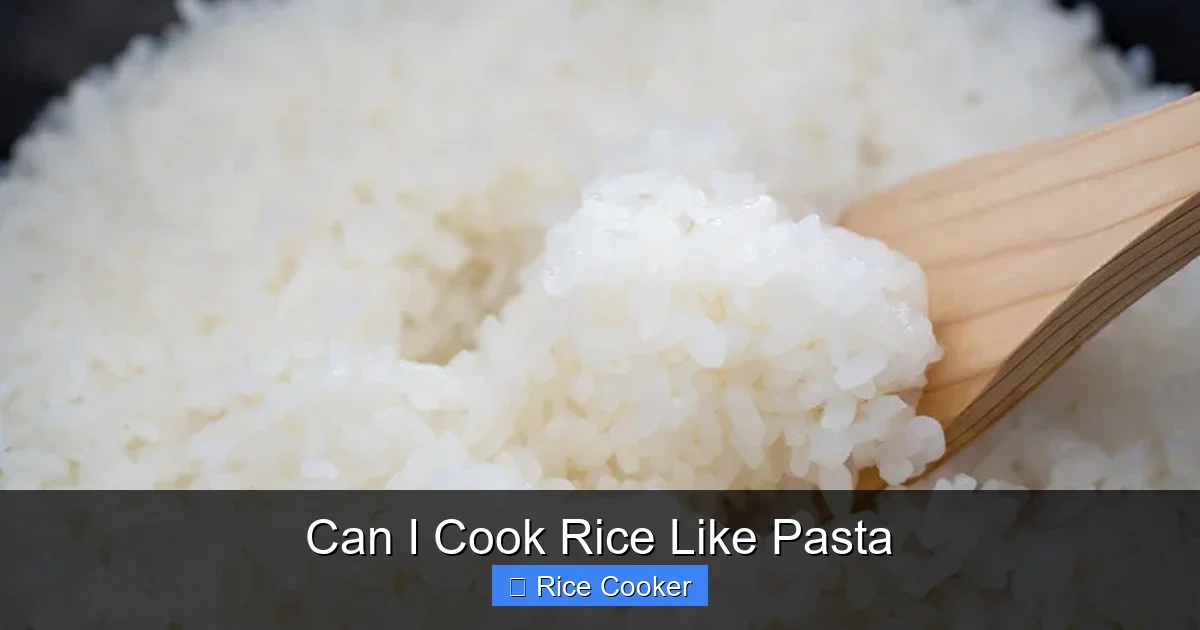
Visual guide about Can I Cook Rice Like Pasta
Image source: thedailymeal.com
Pasta relies on gluten to give it structure. When submerged in boiling water, the gluten network expands and holds its shape, resulting in a chewy, firm texture. Rice, on the other hand, lacks gluten. Instead, it swells as its starches absorb water, creating a softer, more absorbent consistency.
Texture Goals: Al Dente vs. Fluffy
If you’ve ever cooked pasta perfectly al dente, you know the ideal is firm to the bite—not crunchy, not mushy. For rice, the goal is usually fluffy and separate, especially with long-grain varieties like jasmine or basmati. But here’s where things get interesting: you can aim for a middle ground.
Imagine cooking brown rice until it’s tender but still slightly chewy, like al dente whole-wheat pasta. That’s totally possible—and delicious! This hybrid approach lets you enjoy the nutty flavor of brown rice while keeping it satisfyingly bite-y.
Water Ratio: The Key Difference
One of the biggest differences between cooking rice and pasta lies in water volume. Pasta typically uses about 4–6 quarts of water per pound (about 1 liter per 100 grams), depending on the recipe. Rice, however, requires far more water relative to its weight—usually two to three times as much.
For example, white rice might need a 2:1 ratio (two parts water to one part rice), while brown rice may require up to 2.5:1 due to its bran layer absorbing more moisture. That means boiling rice like pasta—using just enough water to cover it—can result in undercooked centers or overly sticky grains.
Cooking Rice Like Pasta: Step-by-Step Guide
Gather Your Ingredients and Tools
Before you start boiling, make sure you have the essentials:
- A large pot with a lid (at least 4–5 quarts)
- Salt (about ½ teaspoon per cup of rice)
- Fresh, clean water
- A fine-mesh strainer or colander
- A fork or rice paddle
Pro tip: Use a pot wide enough to prevent boiling over. Rice expands significantly during cooking, so overcrowding can lead to uneven results.
Choose the Right Type of Rice
Not all rice is created equal—and some work better than others when cooked pasta-style. Here’s a quick guide:
- Long-grain white rice: Best for fluffy, separate grains. Try jasmine or basmati.
- Short-grain rice: Creamier and stickier; great for sushi or risotto-like textures.
- Brown rice: Nutty flavor and higher fiber, but needs longer cook time.
- Wild or black rice: Unique color and texture; cook like pasta for a gourmet twist.
For beginners, start with long-grain white rice. It’s forgiving, cooks quickly, and holds its shape well even when slightly underdone.
Measure and Rinse Your Rice
Rinsing removes surface starch, which prevents clumping and helps achieve a fluffier result—similar to how rinsing pasta helps it stay separate.
- Place rice in a bowl or colander.
- Run cold water over it until the water runs clear (usually 2–3 rinses).
- Dry gently with a towel or let air-dry briefly.
Skipping this step? You risk gumminess or glue-like texture—especially with instant or parboiled rice.
Boil Water Like Pasta Water
This is where you mimic pasta prep. Bring a large pot of water to a rolling boil. Add salt generously—it seasons the rice from within, just like with pasta.
Use about 6–8 cups of water for every cup of rice (adjust based on variety). For example, if you’re cooking 1 cup of jasmine rice, bring 6 cups of water to a boil.
Add Rice and Cook Until Tender
Here’s the pasta-like method in action:
- Add rinsed rice to boiling water.
- Stir once or twice to prevent sticking.
- Reduce heat to medium-high and cover with a tight-fitting lid.
- Cook for 12–18 minutes, depending on rice type:
- White rice: 12–15 minutes
- Brown rice: 18–22 minutes
- Wild rice: 35–40 minutes (requires longer soak first!)
- Turn off heat and let sit, covered, for 5 minutes (like pasta draining and resting).
Drain and Fluff
Unlike pasta, rice doesn’t drain completely—it still has residual moisture. But if you want a drier, more al dente bite, transfer it to a colander after resting and let excess steam escape for 2–3 minutes.
Then fluff gently with a fork. Avoid pounding or pressing—this compacts the grains and ruins the texture.
Tips for Perfect “Pasta-Like” Rice
Time Is Everything
Pasta usually takes 8–12 minutes to cook. Rice varies widely. White rice cooks fast; brown rice takes longer due to its fiber-rich outer layer. Use a timer and err on the side of slightly undercooked—rice finishes cooking off-heat.
Season While Cooking
Salt isn’t just for taste—it seasons the entire grain. For extra flavor, add a pinch of garlic powder, onion granules, or even a bay leaf to the boiling water. Remove solids before adding rice for cleaner flavor.
Try Different Shapes
Just as pasta comes in spaghetti, penne, and fusilli, so does rice—sort of. While there aren’t exact equivalents, consider:
- Jasmine rice: Light, fragrant, and slightly chewy—like whole-wheat pasta.
- Bomba rice: Soaks up sauces beautifully, similar to risotto-style pasta.
- Couscous: Though technically a semolina wheat product, it’s steamed like rice and can be tossed like pasta.
Use a Pasta Basket or Steamer Basket
Want to skip the draining step? Place a steamer basket inside your pot and cook rice directly above simmering water. This mimics the “steamed rice” method but gives you control over texture.
Reheat Like Pasta
Leftovers? Reheat rice in a skillet with a splash of broth or water—just like reviving leftover pasta. Stir frequently to prevent drying out.
Common Mistakes and How to Fix Them
Mistake: Not Enough Water
Result: Undercooked, hard center.
Fix: Always follow recommended water ratios. If unsure, use more water—it’s easier to dry out than re-hydrate.
Mistake: Overcooking
Result: Mushy, gluey mess.
Fix: Stop cooking as soon as grains are tender. Resting allows steam to finish the process without further softening.
Mistake: Skipping the Rest
Result: Sticky, unmanageable clumps.
Fix: Let rice sit covered for 5 minutes after cooking. This redistributes moisture evenly.
Mistake: Using Cold Water to Start
Result: Inconsistent heating, uneven texture.
Fix: Always begin with boiling water. Cold water slows cooking and affects starch release.
Mistake: Not Stirring Initially
Result: Rice sticks to bottom and burns.
Fix: Give it a quick stir right after adding to boiling water. Then avoid disturbing it.
Creative Ways to Use “Pasta-Like” Rice
Rainbow Rice Bowls
Toss cooked rice with roasted vegetables, edamame, and a soy-ginger dressing. Top with sesame seeds and green onions. Serve warm or chilled—it’s a protein-packed, grain-forward meal.
Rice “Pasta” Salad
Cook brown rice until slightly firm. Mix with chopped cucumbers, cherry tomatoes, feta, olives, and lemon vinaigrette. Chill for an hour before serving. Texture mimics couscous salad!
Stuffed Peppers with Rice Filling
Fill bell peppers with a mixture of rice, ground turkey, corn, and spices. Bake until peppers soften. The rice stays firm, like stuffed pasta shells.
Fried Rice with Egg “Noodles”
Instead of noodles, use jasmine rice fried with scrambled eggs, peas, carrots, and soy sauce. The rice holds its shape and adds heartiness.
Risotto-Style Rice
Simmer short-grain rice in broth slowly, stirring often—like risotto. Finish with butter and Parmesan. Creamy, rich, and comforting.
Should You Switch to Rice Cookers? Pros and Cons
If you’re serious about mastering rice, a rice cooker might seem tempting. But does it beat the pasta-like method?
Pros of a Rice Cooker
- Hands-off cooking
- Consistent results every time
- Built-in timers and settings (white, brown, sushi, etc.)
Cons of a Rice Cooker
- Limited control over texture
- Less flavor infusion (no direct contact with boiling water)
- Bulkier and more expensive
Bottom line: If you love experimenting with texture and seasoning, stick with stovetop boiling. If convenience is key, invest in a good rice cooker later.
Final Thoughts: Yes, You Can Cook Rice Like Pasta—And It’s Delicious
So, can you cook rice like pasta? Absolutely—and doing so unlocks a whole new world of flexibility in your kitchen. Whether you’re short on time, craving a chewier bite, or just curious about cross-cuisine techniques, blending methods makes sense.
Remember: the goal isn’t to treat rice exactly like pasta. It’s to borrow the best parts—quick boiling, salt seasoning, and attention to timing—while respecting each grain’s unique personality.
Next time you reach for your pasta pot, try it with rice. You might just discover your new favorite way to eat grains.
Frequently Asked Questions
Can I cook rice and pasta together in the same pot?
Technically yes, but not recommended. They have different cook times and water needs. Rice may stay too wet while pasta becomes mushy. Keep them separate for best results.
How do I know when rice is done cooking like pasta?
Test a grain: it should be tender but still offer slight resistance when bitten. Unlike pasta, rice doesn’t turn translucent—it becomes soft and opaque. Resting for 5 minutes ensures even doneness.
Can I use a rice cooker to cook rice like pasta?
Yes, but with limitations. Most rice cookers follow preset programs that prioritize fluffy rice over al dente texture. Manual settings or pressure cooking modes can help mimic pasta-like firmness.
Is brown rice safe to cook like pasta?
Yes, but expect longer cook times (18–22 minutes). Brown rice’s bran layer absorbs water slowly, so increase water slightly and check frequently. Aim for a chewy, nutty texture.
Why does my rice stick together when cooked like pasta?
Usually caused by too little water, over-stirring, or lack of rinsing. Ensure proper water ratio, minimal agitation, and rinse thoroughly before cooking.
Can I freeze cooked rice made like pasta?
Absolutely. Let cooled rice cool completely, then store in airtight containers. Thaw overnight in the fridge and reheat with a splash of water to revive moisture.