
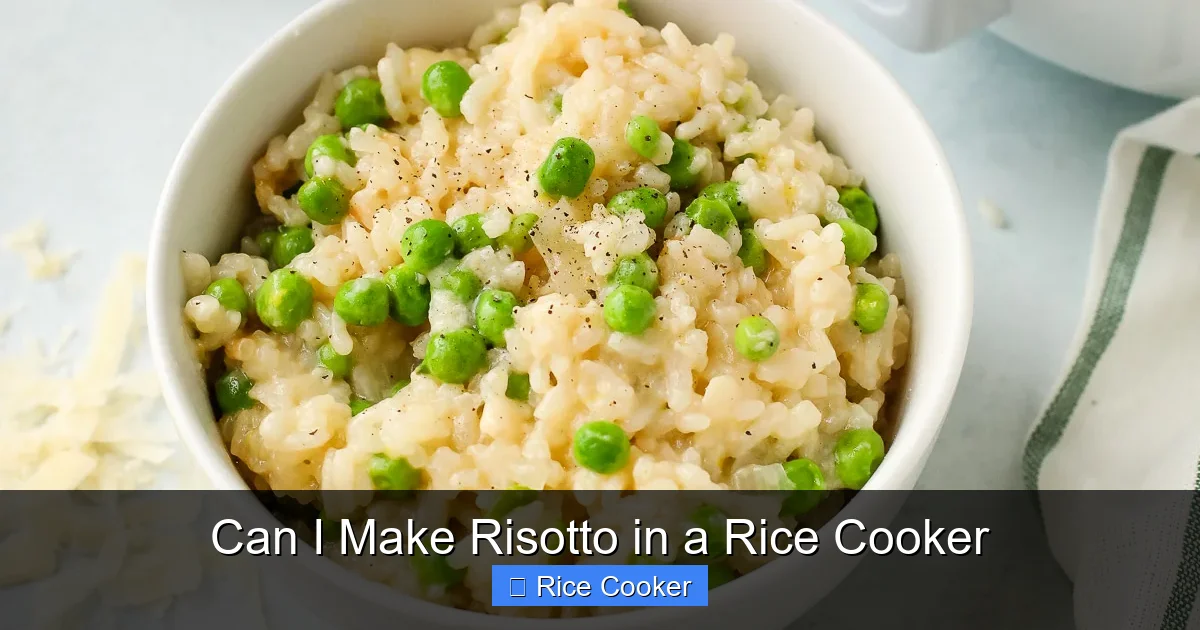
Yes, you can absolutely make risotto in a rice cooker, and it’s easier than you think. With the right technique and ingredients, your rice cooker can deliver rich, creamy results without the constant stirring. Whether you’re short on time or just want a hands-off approach, this method saves effort while delivering satisfying texture.
Key Takeaways
- Rice cookers can make risotto: Contrary to popular belief, many modern rice cookers are well-suited for risotto due to their precise temperature control and ability to maintain a simmer.
- Use the right rice: Arborio, Carnaroli, and Vialone Nano are ideal because of their high starch content, which creates that signature creamy consistency.
- Toast the rice first: Sautéing the rice briefly before adding liquid helps develop flavor and prevents clumping.
- Add broth gradually: Pour in warm broth one ladle at a time, allowing each addition to be absorbed before adding more.
- Leverage the keep-warm function: Once done cooking, use the rice cooker’s keep-warm mode to rest the risotto and finish cooking gently without scorching.
- Stir gently when needed: While less stirring is required than traditional methods, occasional gentle stirring ensures even absorption and prevents sticking.
- Experiment with flavors: Add mushrooms, seafood, saffron, or Parmesan cheese during the final stages for a gourmet touch.
Quick Answers to Common Questions
Can any rice cooker make risotto?
No—only rice cookers with induction heating, fuzzy logic, or manual simmer control work best. Basic models without temperature regulation often fail to maintain the gentle simmer needed for proper starch release.
How do I prevent my risotto from sticking?
Always toast the rice in oil or butter first. Use a nonstick rice cooker pot and stir occasionally. If sticking occurs, add a small amount of warm broth and gently scrape the bottom.
Do I need to stir constantly like on the stove?
Nope! Stirring every few minutes is enough. The rice cooker’s consistent heat reduces clumping, and frequent stirring isn’t necessary unless you notice sticking.
How long does it take to make risotto in a rice cooker?
About 20–25 minutes total, including toasting and gradual broth addition. Active involvement is only 5–10 minutes.
Can I make risotto without wine?
Absolutely! Skip the wine if you prefer, or substitute with extra broth or lemon juice for brightness. The risotto will still be delicious.
📑 Table of Contents
- Can I Make Risotto in a Rice Cooker?
- The Science Behind Perfect Risotto
- Choosing the Right Rice Cooker for Risotto
- Best Rice Varieties for Risotto
- Step-by-Step Guide: Making Creamy Risotto in Your Rice Cooker
- Troubleshooting Common Issues
- Flavor Variations and Creative Twists
- Tips for Success Every Time
- Conclusion: Why Rice Cooker Risotto Is Worth Trying
Can I Make Risotto in a Rice Cooker?
Have you ever craved the creamy, luxurious texture of a perfectly made risotto but dreaded the idea of standing over a hot stove for 30 minutes, stirring constantly? You’re not alone. Traditionally, risotto demands attention—constant stirring, careful monitoring of broth levels, and a watchful eye to prevent burning. But what if you could enjoy restaurant-quality risotto with minimal effort? Enter the humble rice cooker.
Many home cooks assume that risotto requires a dedicated stovetop ritual. But thanks to advancements in kitchen appliance technology, making risotto in a rice cooker has become not only possible—it’s deliciously simple. Modern rice cookers come equipped with features like induction heating, fuzzy logic, and programmable settings that mimic the precision of professional cookware. These tools allow you to achieve the exact moisture and heat balance needed for al dente grains that release their starches gradually, resulting in a velvety, creamy dish.
In this comprehensive guide, we’ll walk you through everything you need to know about making risotto in a rice cooker. From choosing the right type of rice to mastering timing and seasoning, we’ll cover practical tips, troubleshooting advice, and even share a foolproof recipe you can try tonight. Whether you’re a busy parent, a college student, or someone who just prefers kitchen gadgets over pots and pans, this method might just change how you think about Italian comfort food.
The Science Behind Perfect Risotto
Why Risotto Needs Special Treatment
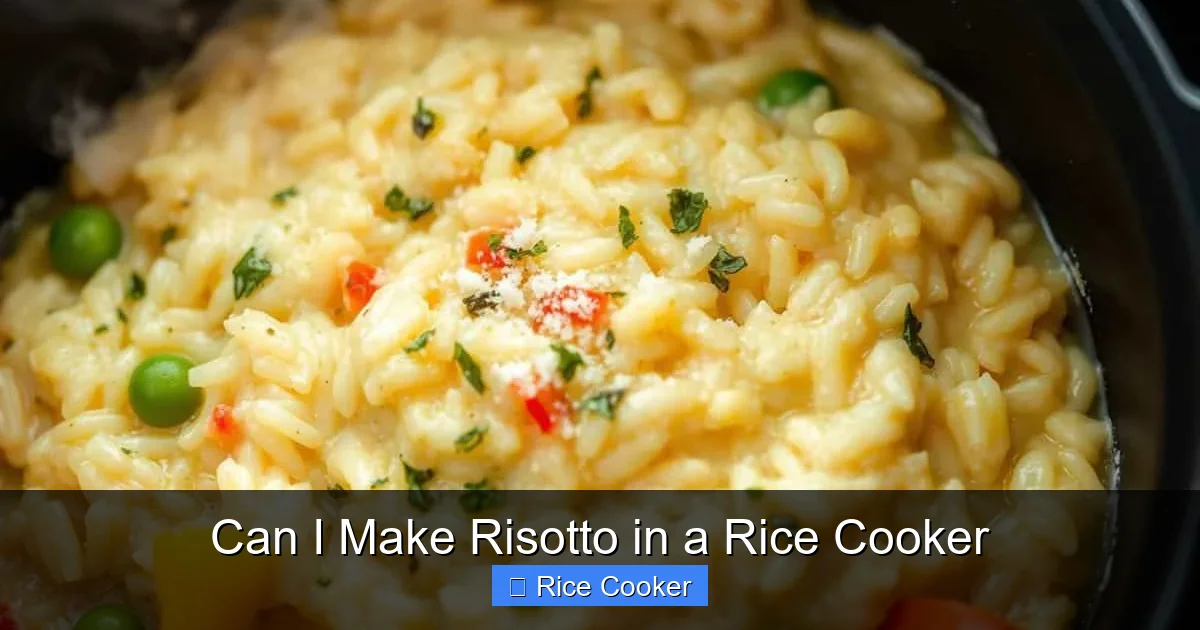
Risotto isn’t just about rice—it’s about transformation. The magic happens when arborio or carnaroli rice absorbs liquid slowly, releasing its inner starches along the way. This process creates a creamy mouthfeel without turning into mush. Unlike plain boiled rice, risotto relies on controlled hydration and continuous agitation (traditionally from stirring) to encourage starch release.
Visual guide about Can I Make Risotto in a Rice Cooker
Image source: ovenspot.com
Traditionally, chefs stir constantly to break down the starch granules and create that glossy emulsion. But here’s the secret: while some stirring helps, you don’t need to stand there all day. A rice cooker’s consistent heat distribution and ability to maintain a low simmer reduce the need for constant attention. Plus, many models have built-in sensors that detect when the rice has absorbed enough liquid, signaling it’s time to stop adding broth.
How Rice Cookers Handle Starch Release
Modern rice cookers use something called “fuzzy logic”—a computer algorithm that adjusts heat based on real-time conditions. This means they can detect when the water level drops and automatically switch from boiling to warming mode. For risotto, this feature is gold. It prevents scorching while ensuring every grain gets evenly cooked.
Additionally, induction-heated rice cookers provide rapid, uniform heat. This allows the rice to toast quickly in oil or butter (a key flavor step), then absorb broth smoothly without hot spots. The result? Richer flavor and better texture than older, simpler models might offer.
Choosing the Right Rice Cooker for Risotto
Types of Rice Cookers That Work Best
Not all rice cookers are created equal when it comes to risotto. Here’s what to look for:
Visual guide about Can I Make Risotto in a Rice Cooker
Image source: ovenspot.com
- Induction Heating Models: These offer the most control and speed, making them ideal for risotto. They heat quickly and cool instantly, reducing the risk of overcooking.
- Fuzzy Logic Cookers: Smart enough to adjust cooking cycles based on input (like rice type or quantity). Great for beginners.
- Multi-Function Pots: Some models include “porridge,” “congee,” or “steam” settings—but check if they support risotto mode or manual simmer control.
Avoid basic rice cookers without temperature regulation. They may boil away too much liquid or fail to maintain the delicate simmer needed for risotto.
Capacity Matters
For best results, choose a rice cooker with at least a 4-cup (uncooked) capacity. Smaller models struggle with heat distribution and often lead to uneven cooking. A 6-cup or larger pot gives you room to stir gently and accommodate extra ingredients like mushrooms or shrimp.
Best Rice Varieties for Risotto
Arborio Rice: The Classic Choice
Native to Italy’s Piedmont region, arborio rice has a chewy texture and high amylopectin content—meaning lots of starch for creaminess. It’s widely available and performs reliably in rice cookers.
Carnaroli Rice: The Gold Standard
Often called “king of risotto,” carnaroli holds its shape longer than arborio and releases starch slowly. It’s pricier but worth it for special occasions. Most rice cookers handle it well.
Vialone Nano: Small But Mighty
This medium-grain rice from Italy offers balanced creaminess and tenderness. It’s slightly smaller than arborio, so it cooks faster—ideal for rice cooker users who want efficiency.
Other Substitutes
If you can’t find authentic risotto rice, consider:
- Bomba Rice: Similar to carnaroli; very absorbent.
- Calrose or Medium-Grain Japanese Rice: Works in a pinch but won’t be quite as creamy.
Avoid long-grain rice—it lacks the starch needed for risotto’s signature texture.
Step-by-Step Guide: Making Creamy Risotto in Your Rice Cooker
Ingredients You’ll Need
- 1½ cups risotto rice (arborio recommended)
- 4 cups warm chicken or vegetable broth
- 1 small onion, finely diced
- 2 cloves garlic, minced
- ¼ cup dry white wine (optional)
- 2 tablespoons olive oil or butter
- Salt and freshly ground black pepper
- Grated Parmesan cheese (for serving)
Preparation Tips
Start by bringing your broth to a gentle simmer in a separate saucepan. Cold broth makes rice cookers work harder and can delay absorption. Warm broth also helps maintain even cooking.
Step 1: Toast the Rice
Heat oil or butter in your rice cooker pot over medium heat (or use the sauté function if available). Add onions and garlic; cook until soft and translucent. Stir in rice and toast for 1–2 minutes, stirring frequently. This step builds flavor and seals in starches.
Step 2: Deglaze with Wine (Optional)
Pour in white wine and stir until mostly evaporated. This adds acidity and depth. If skipping wine, proceed directly to broth.
Step 3: Add Broth Gradually
Begin adding warm broth, one ladle at a time (about ¾ cup at first). Let it absorb completely before adding more. Continue this process for 18–22 minutes, depending on your rice cooker model. Total active time is minimal—just a few minutes of stirring every few additions.
Step 4: Monitor and Adjust
If the rice looks dry before it reaches al dente, add more warm broth. If too wet, let it sit on keep-warm for 5 minutes to thicken naturally.
Step 5: Finish and Serve
Once rice is tender but still slightly firm (al dente), turn off the heat. Cover and let rest for 2–3 minutes. Stir in extra butter or Parmesan if desired. Season with salt and pepper to taste.
Troubleshooting Common Issues
Risotto Too Dry?
This usually means you added broth too quickly or didn’t wait for full absorption. Next time, reduce the rate of liquid addition and check frequently near the end. A splash of warm broth and a quick stir can fix it immediately.
Risotto Too Soupy?
Too much liquid or insufficient heat can cause sogginess. Try setting your rice cooker to “keep warm” for 5–10 minutes after cooking—this evaporates excess moisture and thickens the texture. Alternatively, mix in a spoonful of cold rice and stir vigorously to absorb water.
Grains Are Mushy
Mushy risotto means overcooked rice. Use shorter cooking times and test rice a few minutes early. Also, avoid opening the lid frequently—steam loss affects cooking.
Rice Sticks to the Bottom
This happens with low-quality cookers or insufficient oil. Always toast rice in fat first. If sticking occurs mid-cook, add a tablespoon of warm broth and gently scrape the bottom with a wooden spoon.
Flavor Variations and Creative Twists
Classic Mushroom Risotto
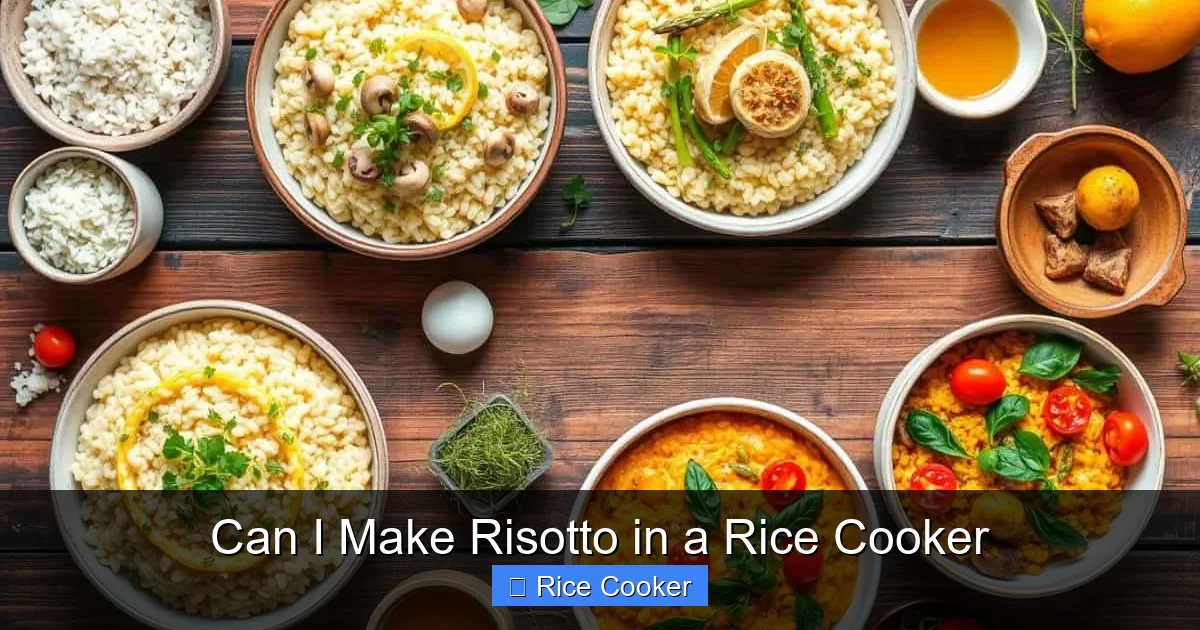
Sauté sliced cremini or porcini mushrooms separately, then fold into finished risotto with thyme and truffle oil for earthy depth.
Seafood Risotto
Add shrimp, scallops, or mussels during the last 5 minutes of cooking. Top with lemon zest and parsley.
Vegetarian Delights
Try roasted red pepper, sun-dried tomato, or asparagus risotto. Roast vegetables ahead and toss into the rice during the final minute.
Cheesy Options
Stir in grated Gruyère or fontina during the last minute for a decadent twist. Avoid overdoing cheese—risotto should shine on its own.
Spicy Kick
Add a pinch of red pepper flakes when toasting the rice, or drizzle sriracha-lime sauce at the end for bold contrast.
Tips for Success Every Time
- Preheat your rice cooker pot: Lightly coat it with oil before adding rice to prevent sticking.
- Use a wooden spoon: Metal can damage nonstick coatings and scratch surfaces.
- Keep broth nearby: Warm it continuously so you’re never interrupted.
- Don’t skip the resting phase: Letting risotto rest allows flavors to meld and texture to set.
- Clean immediately: Starchy residue hardens over time—rinse pot while warm.
Conclusion: Why Rice Cooker Risotto Is Worth Trying
Making risotto in a rice cooker isn’t just convenient—it’s transformative. It removes the intimidation factor from this beloved Italian dish while preserving its essence: creamy, comforting, and deeply satisfying. With the right tools and a little practice, you can enjoy risotto any night of the week without sacrificing flavor or texture.
Whether you’re cooking for one or feeding a crowd, the rice cooker method proves that great food doesn’t require fancy equipment or hours in the kitchen. So go ahead—grab your favorite risotto rice, fire up your smart rice cooker, and treat yourself to something extraordinary. Your taste buds (and your schedule) will thank you.
Frequently Asked Questions
What type of rice is best for making risotto in a rice cooker?
Arborio, Carnaroli, and Vialone Nano are ideal because they have high starch content, which creates the creamy texture essential for risotto. These varieties perform well in rice cookers due to their ability to absorb liquid steadily.
Can I use a regular rice cooker or do I need a special one?
You’ll get the best results with an induction-heated or fuzzy logic rice cooker. These models offer better temperature control and faster response times, which are crucial for risotto. Older, simpler rice cookers may not maintain the right simmer and often lead to uneven cooking.
Do I need to stir the risotto while it’s cooking in the rice cooker?
Occasional gentle stirring is helpful—especially during the first few minutes when toasting the rice and adding broth. After that, you can stir once every few ladle additions to ensure even absorption and prevent sticking. Constant stirring isn’t necessary.
How much broth should I add to my risotto?
Typically, use about 4–5 cups of warm broth for every 1½ cups of uncooked rice. Add broth gradually—about ¾ cup at a time—allowing each addition to be fully absorbed before adding more. The exact amount depends on your rice cooker model and personal preference for creaminess.
Can I make risotto ahead of time and reheat it?
It’s best served fresh, but leftover risotto can be stored in the refrigerator for up to 2 days. Reheat gently on the stovetop with a splash of broth or milk to restore creaminess. Avoid microwaving, as it can make the rice dry and uneven.
Is it possible to make vegetarian or vegan risotto in a rice cooker?
Yes! Use vegetable broth instead of chicken broth and replace butter with olive oil or plant-based butter. Add roasted vegetables, nutritional yeast (for umami), or sautéed mushrooms for flavor. The rice cooker works equally well for plant-based versions.