

Can I put a rice cooker pot in the oven? Generally, no, most rice cooker pots are not designed for oven use. They’re made from materials like aluminum or non-stick coatings that can warp, melt, or release harmful fumes when exposed to high heat. However, some stainless steel models may handle low oven temperatures—always check your manual first.
Key Takeaways
- Material Matters: Most rice cooker pots are made of aluminum or have non-stick coatings—neither is safe for oven use above 350°F (175°C).
- Check the Manual: Always consult your rice cooker’s user guide for oven compatibility. Some modern models may be oven-safe up to 300–400°F.
- Risks of Oven Use: Exposing a rice cooker pot to high heat can cause warping, coating degradation, or even toxic fume release.
- Alternatives Exist: If you need to bake or reheat in an oven, transfer food to a proper oven-safe dish instead.
- Stainless Steel Models: A few high-end rice cookers with stainless steel pots may be oven-safe—verify specifications before heating.
- Safer Cooking Methods: Use your rice cooker on the stovetop for slow cooking or warming, but never substitute it for oven functions.
- Prevent Damage: Never preheat an empty rice cooker pot in the oven—this can overheat internal components and ruin the unit.
📑 Table of Contents
- Can I Put a Rice Cooker Pot in the Oven? A Complete Guide
- Understanding Rice Cooker Pot Materials
- When Might a Rice Cooker Pot Be Oven-Safe?
- What Happens If You Put a Rice Cooker Pot in the Oven?
- Safety Tips for Handling Hot Rice Cooker Pots
- Better Alternatives to Using Rice Cooker Pots in the Oven
- How to Tell If Your Rice Cooker Pot Is Oven-Safe (DIY Test)
- Frequently Asked Questions
Can I Put a Rice Cooker Pot in the Oven? A Complete Guide
You’re probably here because you’re trying to save time—maybe you just finished cooking rice in your trusty rice cooker and now you’re wondering if you can pop the pot directly into the oven to keep it warm or finish a recipe that requires baking. It’s a smart question, especially if you’re multitasking in the kitchen. But before you slide that hot ceramic or metal pot into the oven, let’s talk about what actually happens when you do—and more importantly, what doesn’t.
Most people assume that if something holds liquid and heat, it should work in any kitchen appliance. But ovens and rice cookers operate very differently. An oven uses dry, radiant heat at much higher temperatures than a rice cooker, which relies on precise steam regulation and controlled boiling. So while your rice cooker pot might look like it could handle the job, the reality is more complicated. The materials used, the thickness of the base, and the presence of coatings all play a role in determining whether it’s safe—or even possible—to use your rice cooker pot in the oven.
In this article, we’ll break down everything you need to know: What makes rice cooker pots different? Can any type go in the oven? What happens if you try? And what are the safer alternatives? Whether you’re a home cook looking to maximize efficiency or someone who’s simply curious about kitchen gear limitations, you’ll walk away with clear answers and practical tips.
Understanding Rice Cooker Pot Materials
The Most Common Types of Rice Cooker Pots
Rice cooker pots come in several material types, each with its own strengths and weaknesses when it comes to heat resistance and durability. Understanding these differences is key to knowing whether your pot can survive an oven trip.
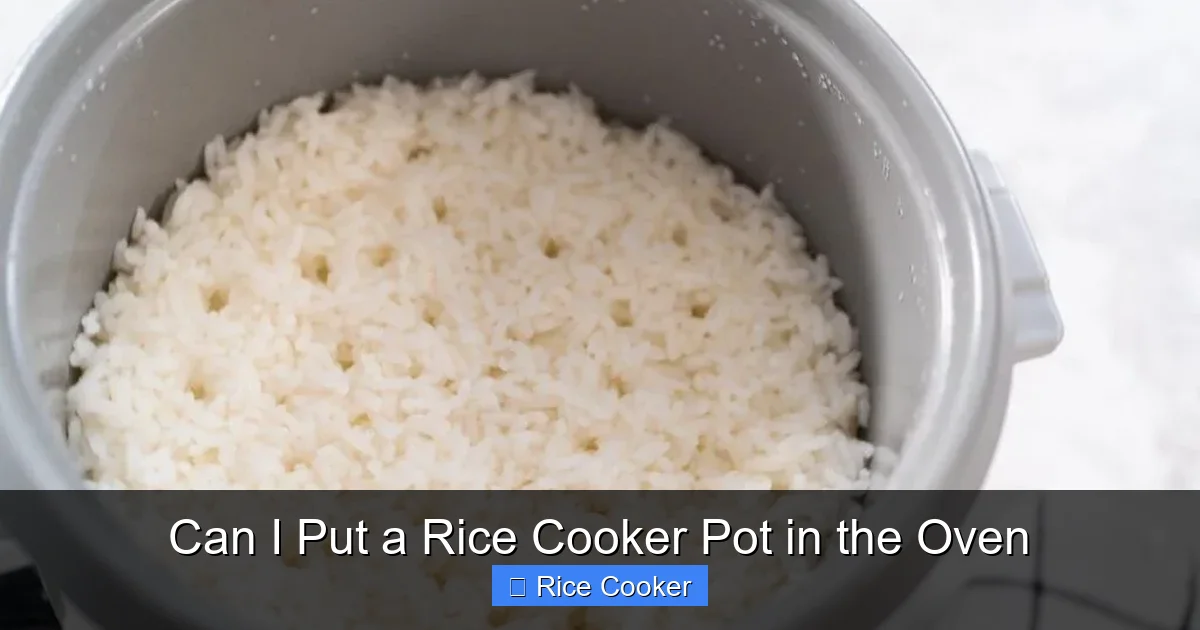
Visual guide about Can I Put a Rice Cooker Pot in the Oven
Image source: keeshaskitchen.com
- Ceramic or Glass: These are popular in modern rice cookers for their even heat distribution and aesthetic appeal. However, they’re fragile and often not rated for oven use unless explicitly labeled as “oven-safe.”
- Aluminum: Lightweight and excellent for conduction, aluminum pots are common in budget models. But aluminum softens at high temperatures and can deform in an oven.
- Stainless Steel: Found in premium models, stainless steel pots resist corrosion and can sometimes handle moderate oven temperatures—but only if they’re thick enough and free of non-stick layers.
- Non-Stick Coated: Almost all standard rice cooker pots have a non-stick surface (usually PTFE-based). These coatings begin to degrade at around 350–400°F (175–205°C), releasing fumes that are unsafe to inhale.
If your rice cooker pot has a shiny, smooth interior with a slightly rubbery smell when new, that’s likely a non-stick coating. And that coating is your biggest warning sign against oven use.
Why Material Determines Oven Safety
An oven typically runs between 350°F and 500°F (175°C to 260°C), depending on the recipe. Rice cookers, by contrast, usually max out at 212°F (100°C)—the boiling point of water. This means the pot isn’t built to withstand prolonged exposure to dry, radiant heat.
For example, aluminum begins to lose structural integrity around 400°F (204°C). At that point, it can warp, dent, or even melt slightly. Non-stick coatings start breaking down well below that, especially if the pot is heated without liquid inside. Once those chemicals off-gas, they can coat your oven and pose health risks.
Even ceramic pots can crack due to thermal shock—suddenly moving from a hot stove to a cold oven (or vice versa) creates stress fractures. So unless your pot is specifically engineered for high-heat environments, it’s best left out of the oven.
When Might a Rice Cooker Pot Be Oven-Safe?
Checking Manufacturer Guidelines
The only reliable way to know if your rice cooker pot can go in the oven is to check the manufacturer’s instructions. Some high-end brands like Zojirushi, Panasonic, or Cuckoo include stainless steel pots that are rated for low-temperature oven use (up to 300–400°F).
Look for labels like “Oven-Safe” or “Can be used in conventional oven up to 350°F.” If you’ve lost the manual, search the model number online—many companies post digital copies on their support pages.
Signs Your Pot Might Handle Low Heat
If you don’t have documentation, here are some clues:
- The pot is heavy and thick-walled—likely stainless steel.
- It has no glossy, smooth interior (suggesting no non-stick coating).
- It feels solid and doesn’t flex when held.
- Your rice cooker is a premium brand known for durability.
Even then, proceed with caution. Start at the lowest oven setting (around 250°F) and monitor closely. Never exceed 400°F, and always ensure there’s liquid in the pot to prevent scorching.
Real-World Example: Using Rice Cooker Pot for Casseroles
Imagine you’re making a cheesy rice casserole. You cook the rice in your rice cooker, then mix in broccoli and cheese. Instead of transferring to a baking dish, you wonder—can I just pop the whole pot into the oven to melt the cheese?
If your pot is oven-safe per the manual, yes—you can do this. But if it’s aluminum or coated, you risk ruining both the pot and your meal. In such cases, it’s smarter to pour the mixture into an oven-safe dish and continue baking there.
What Happens If You Put a Rice Cooker Pot in the Oven?
Immediate Risks
Placing an incompatible rice cooker pot in the oven can lead to several issues:
- Warping or Melting: Aluminum pots soften and lose shape.
- Coating Degradation: Non-stick surfaces release toxic fumes (perfluorooctanoic acid, or PFOA, and related compounds).
- Cracking (Ceramic/Glass): Thermal expansion causes fractures.
- Fire Hazard: Empty pots overheat and may catch fire if left unattended.
These aren’t just cosmetic problems—they can render your rice cooker unusable and create dangerous conditions in your kitchen.
Long-Term Damage
Even if nothing obvious happens during one use, repeated oven exposure weakens the pot’s structure. Over time, seams may loosen, handles may detach, and the pot becomes less effective at holding heat—defeating the purpose of having a quality rice cooker.
Health Concerns
Inhaling fumes from degraded non-stick coatings can cause flu-like symptoms (headache, nausea, dizziness) known as “polymer fume fever.” Chronic exposure is linked to respiratory issues and other health problems. Always ventilate your kitchen and avoid breathing in smoke from overheated plastics or coatings.
Safety Tips for Handling Hot Rice Cooker Pots
Always Use Oven Mitts
Whether you’re removing a pot from the rice cooker or placing it in the oven, always wear heat-resistant gloves. Even if the pot seems cool to the touch, residual heat can burn your hands—especially if it’s been sitting for a while.
Avoid Sudden Temperature Changes
Never take a hot pot straight from the stove or rice cooker and plunge it into a cold oven (or vice versa). Thermal shock increases the chance of cracking, especially in glass or ceramic models.
Preheat Only If Necessary
If you must use your rice cooker pot in the oven, only preheat the oven—never the pot itself. Placing a cold pot into a preheated oven allows it to heat gradually, reducing stress.
Keep the Lid Off During Baking
Ovens rely on airflow. Covering your pot with the lid traps moisture and prevents even browning. If you must cover it, use foil loosely.
Clean After Each Use
Residue buildup can char in the oven, creating unpleasant odors and potential chemical reactions. Clean your pot thoroughly after every use, especially if you suspect it’s not oven-safe.
Better Alternatives to Using Rice Cooker Pots in the Oven
Use Dedicated Oven-Safe Dishes
For recipes requiring oven finishing (like melting cheese or crisping edges), transfer contents to a proper baking dish. Stainless steel, cast iron, or oven-safe glass are ideal choices.
Leftover Warmth Without the Oven
If you want to keep food warm without turning on the oven, place the rice cooker pot on a trivet over a pan of hot water. This mimics the rice cooker’s steaming function and keeps food at a safe, moist heat.
Slow Cooker Hack
Some rice cooker pots fit snugly inside slow cookers. While not for high heat, this lets you simmer soups or stews without extra dishes—just remember, slow cookers aren’t ovens.
Bake in Batches
If you frequently need to bake rice-based dishes, consider investing in an oven-safe rice cooker pot or a separate ceramic baking dish that doubles as a pot.
How to Tell If Your Rice Cooker Pot Is Oven-Safe (DIY Test)
No manual? No problem. Here’s a simple test you can do at home:
- Fill the pot halfway with water.
- Place it in the oven at 250°F (120°C) for 15 minutes.
- Carefully remove it using oven mitts.
- Check for:
- Warping or discoloration
- Smell of burning plastic
- Cracks or chips
If none of these occur, the pot might tolerate low oven temps. But repeat this test every few uses—materials degrade over time.
Pro Tip:
Mark your pot with a permanent marker if it passes the test. That way, you’ll remember not to exceed 250–300°F in the future.
Frequently Asked Questions
Can I use my rice cooker pot on the stovetop?
Yes, but only if it’s compatible with your burner. Aluminum pots work fine on induction stoves if they’re flat-bottomed. Avoid using non-stick pots on high heat—they can degrade faster than usual.
Do all stainless steel rice cooker pots go in the oven?
Not necessarily. Thin-walled stainless steel pots may warp under heat. Look for pots labeled “heavy-gauge” or “commercial-grade,” which are more likely to handle oven temps safely.
What temperature is too hot for a rice cooker pot?
Generally, anything above 350°F (175°C) is risky for non-stick or aluminum pots. Even ceramic can crack above 400°F if exposed to rapid temperature shifts.
Can I put my rice cooker pot in the microwave?
Only if it’s microwave-safe and free of metallic parts (like some lids). Check the bottom for a microwave symbol. Otherwise, transfer food to a microwave-safe container.
Is it safe to leave rice in the rice cooker overnight?
No. Rice left at room temperature for more than 2 hours enters the “danger zone” (40–140°F), where bacteria multiply rapidly. Always refrigerate leftovers promptly.
What should I do if my rice cooker pot starts smoking in the oven?
Immediately turn off the oven and open windows. Evacuate the area if fumes are strong. Never open the oven door while it’s still hot—steam can cause burns. Dispose of the damaged pot safely.
Frequently Asked Questions
Can I use my rice cooker pot on the stovetop?
Yes, but only if it’s compatible with your burner. Aluminum pots work fine on induction stoves if they’re flat-bottomed. Avoid using non-stick pots on high heat—they can degrade faster than usual.
Do all stainless steel rice cooker pots go in the oven?
Not necessarily. Thin-walled stainless steel pots may warp under heat. Look for pots labeled “heavy-gauge” or “commercial-grade,” which are more likely to handle oven temps safely.
What temperature is too hot for a rice cooker pot?
Generally, anything above 350°F (175°C) is risky for non-stick or aluminum pots. Even ceramic can crack above 400°F if exposed to rapid temperature shifts.
Can I put my rice cooker pot in the microwave?
Only if it’s microwave-safe and free of metallic parts (like some lids). Check the bottom for a microwave symbol. Otherwise, transfer food to a microwave-safe container.
Is it safe to leave rice in the rice cooker overnight?
No. Rice left at room temperature for more than 2 hours enters the “danger zone” (40–140°F), where bacteria multiply rapidly. Always refrigerate leftovers promptly.
What should I do if my rice cooker pot starts smoking in the oven?
Immediately turn off the oven and open windows. Evacuate the area if fumes are strong. Never open the oven door while it’s still hot—steam can cause burns. Dispose of the damaged pot safely.