
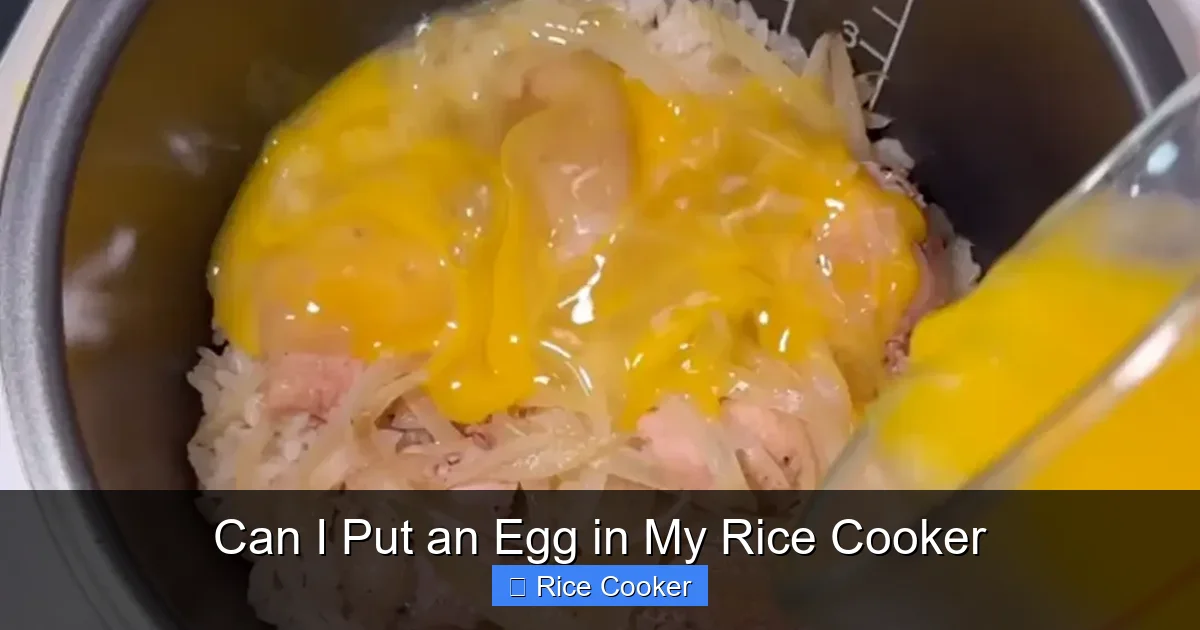
Can I put an egg in my rice cooker? Absolutely! It’s one of the simplest and most convenient ways to cook eggs without extra oil or mess. Whether you want soft-boiled, scrambled, or fried eggs, your rice cooker can do it all—quickly and evenly. With just water and a little timing, you’ll have perfectly cooked eggs every time.
Have you ever been in a hurry in the morning and wished there was a quick, no-fuss way to cook an egg? Or maybe you’re looking for a smarter way to use your rice cooker beyond just making rice? If so, you’re in the right place. Today, we’re diving into one of the most surprising yet practical uses for your rice cooker: cooking eggs. Yes—you read that right. Can you put an egg in your rice cooker? Absolutely. In fact, it might just become your new favorite kitchen hack.
Rice cookers are often seen as glorified rice makers, but they’re far more versatile than most people realize. With their consistent heat and sealed environment, they’re perfect for steaming vegetables, warming soups, and yes—even cooking eggs. Whether you’re craving a soft-boiled egg with runny yolk for dipping toast or a fluffy scrambled egg for breakfast, your rice cooker can handle it. Plus, it’s hands-off cooking—perfect for busy mornings or lazy weekends.
In this article, we’ll walk you through everything you need to know about cooking eggs in your rice cooker. From step-by-step instructions to pro tips and recipe ideas, you’ll learn how to turn your ordinary appliance into a breakfast powerhouse. So grab your rice cooker, crack an egg, and let’s get started!
Key Takeaways
- Yes, eggs can be safely cooked in a rice cooker. The moist heat environment works well for soft-boiled, poached, and even scrambled eggs.
- Different cooking methods require different setups. Use the “warm” function for poached eggs or the “cook” cycle for hard-boiled styles.
- Timing is everything. Most eggs take 5–10 minutes depending on how you like them done.
- You don’t need oil or butter. The rice cooker’s non-stick inner pot keeps eggs from sticking.
- Great for meal prep and on-the-go eating. Cook multiple eggs at once for easy breakfasts or snacks.
- Clean-up is a breeze. Just rinse the pot—no scrubbing required.
- Perfect for rice cooker beginners. No special tools or skills needed—just add water and an egg!
📑 Table of Contents
- Why Cook Eggs in a Rice Cooker?
- How to Cook Hard-Boiled Eggs in a Rice Cooker
- Cooking Soft-Boiled Eggs in a Rice Cooker
- Poaching Eggs in a Rice Cooker
- Making Scrambled Eggs in a Rice Cooker
- Cooking Fried Eggs in a Rice Cooker
- Meal Prep with Eggs in a Rice Cooker
- Common Mistakes to Avoid
- Best Rice Cookers for Cooking Eggs
- Creative Recipes Using Eggs in a Rice Cooker
- Troubleshooting Common Issues
- Egg Safety and Storage Tips
- Environmental and Health Benefits
- Final Thoughts: Why You Should Try It
Why Cook Eggs in a Rice Cooker?
Before we jump into the how-to, let’s talk about why you might want to cook eggs in a rice cooker in the first place. After all, you can boil eggs on the stovetop or use an electric egg cooker. What makes the rice cooker special?
First, convenience. A rice cooker does all the work for you. You set it, walk away, and come back to perfectly cooked eggs. No watching the stove, no stirring, no risk of burning. It’s ideal for people who want quick, reliable meals without standing over a hot burner.
Second, consistency. Rice cookers maintain a steady temperature throughout the cooking process, which means your eggs come out evenly done every single time. No more overcooked whites and rubbery yolks—just tender, delicious results.
Third, versatility. Want poached, scrambled, or hard-boiled eggs? Your rice cooker can do it all. And because the inner pot is non-stick, cleanup is super easy. Just rinse it under warm water—no scrubbing needed.
Finally, energy efficiency. Rice cookers use less energy than ovens or stovetops, making them a greener choice for everyday cooking. Plus, they’re compact and don’t take up much counter space, which is great if you’re short on kitchen real estate.
Whether you’re meal prepping for the week, cooking for a crowd, or just want a no-fuss breakfast option, the rice cooker proves to be an unexpected but brilliant tool in the kitchen.
How to Cook Hard-Boiled Eggs in a Rice Cooker

Visual guide about Can I Put an Egg in My Rice Cooker
Image source: shuncy.com
Hard-boiled eggs are a pantry staple—great for salads, sandwiches, or snacking. But boiling them on the stove can be tricky. Too long, and the yolk turns green and bitter. Too short, and the whites aren’t fully set. Not with a rice cooker.
The Simple Method
Start by adding 1 inch (2.5 cm) of water to the rice cooker’s inner pot. Place the eggs gently in the water using a spoon or tongs—don’t drop them, or they might crack. Close the lid and press the “Cook” button. Once the cycle completes, let the eggs sit in the hot water for 5–10 minutes to finish cooking.
Pro Tips for Perfect Results
– Use older eggs. Fresh eggs are harder to peel, but older ones peel more easily.
– After cooking, transfer the eggs to ice water for 2–3 minutes. This stops the cooking process and helps remove the shells.
– Store peeled eggs in the fridge for up to a week.
How Long Does It Take?
For fully set whites and slightly soft yolks (like in deviled eggs), cook for 8–10 minutes after the rice cooker finishes. For firmer yolks, go up to 12 minutes. Experiment to find your preference.
Bonus: How Many Eggs Can You Cook at Once?
Most standard rice cookers can fit 6–8 eggs comfortably. Just make sure they’re not touching each other so they cook evenly. Larger models may hold more—check your manual.
Cooking Soft-Boiled Eggs in a Rice Cooker
If you love the creamy yolk of a soft-boiled egg—especially when dipped into toasted sourdough—your rice cooker is your new best friend. The gentle steam creates a tender texture that’s hard to replicate on the stove.
Step-by-Step Guide
1. Add ½ inch (1.25 cm) of water to the inner pot.
2. Crack one egg (or more) directly into the water. Use a small bowl to prevent cracking the shell.
3. Press “Cook” and let the cycle run.
4. Once done, leave the egg in the hot water for 5–7 minutes, depending on desired doneness.
5. Remove with a slotted spoon and enjoy!
Why This Works
The rice cooker’s steam traps the egg in a humid environment, allowing it to cook gently without direct heat. This prevents the egg from exploding or drying out.
Variations
– Add a splash of vinegar to the water to help coagulate the egg white faster.
– Try cooking two eggs side by side for a romantic breakfast.
– Serve with a sprinkle of salt, pepper, and smoked paprika.
Poaching Eggs in a Rice Cooker
Poached eggs are elegant, healthy, and surprisingly easy to make in a rice cooker. The key is creating a gentle, rolling boil without splashing.
What You’ll Need
– Water (about 1 inch deep)
– Vinegar (optional but recommended)
– One fresh egg per serving
Instructions
1. Fill the inner pot with 1 inch of water. Add 1 tablespoon of vinegar.
2. Crack the egg into a small bowl.
3. Once the rice cooker reaches a boil (you’ll hear a gurgling sound), slowly slide the egg into the center of the water.
4. Close the lid and switch to “Warm” mode. Let it sit for 4–5 minutes.
5. Use a slotted spoon to remove the egg. The white should be set, but the yolk still wobbly.
Tips for Success
– Use room-temperature eggs to reduce shock when dropped into hot water.
– Don’t overcrowd—poach one egg at a time for best results.
– Serve immediately on avocado toast or English muffins.
Making Scrambled Eggs in a Rice Cooker
Yes, you can scramble eggs in a rice cooker! It’s a fantastic method for fluffy, custardy eggs without constant stirring.
The Fluffy Method
1. Lightly grease the inner pot with cooking spray or a tiny bit of oil.
2. Whisk 2–3 eggs with a splash of milk or cream and a pinch of salt.
3. Pour the mixture into the pot.
4. Cover and press “Cook.” Stir halfway through if you like.
5. Once done, the eggs will be softly set but still moist.
No-Stir Scramble (Even Easier!)
Skip the whisking and pouring. Instead, place a small ramekin or silicone cup inside the rice cooker. Crack an egg into it, cover, and cook on “Warm” for 5–7 minutes. The result? Individual, perfectly shaped scrambled eggs.
Breakfast Burrito Fillings
Try cooking scrambled eggs and diced potatoes together for a hearty breakfast burrito base. Just layer ingredients in the pot before cooking.
Cooking Fried Eggs in a Rice Cooker
Fried eggs are a breakfast classic—golden edges, runny yolks, all crispy perfection. And guess what? You can make them in your rice cooker too.
Basic Fried Egg Setup
1. Lightly oil the bottom of the inner pot.
2. Crack an egg directly into the pot.
3. Cover and cook on “Warm” for 5–7 minutes.
4. Check frequently toward the end to avoid overcooking the yolk.
Two-Sided Fried Eggs
For a more traditional fried egg, flip it halfway through cooking. Use a spatula to gently lift and turn. The rice cooker’s steam helps cook the top side evenly.
Tips for Golden Brown Edges
– Use medium heat (“Warm” mode) to prevent burning.
– Add a pinch of salt to the oil to enhance browning.
– For extra richness, drizzle a bit of butter over the egg before covering.
Meal Prep with Eggs in a Rice Cooker
One of the best things about cooking eggs in a rice cooker is how well-suited it is for meal prep. You can cook a batch of hard-boiled eggs at the start of the week and use them in salads, wraps, or as snacks.
Batching Hard-Boiled Eggs
Follow the hard-boiled method above, but double or triple the amount. Store peeled eggs in a jar with a little water in the fridge for up to 7 days.
Egg Salad or Deviled Eggs
Peel your cooked eggs, then mash or slice for salads. For deviled eggs, mix yolks with mayo, mustard, and seasonings, then pipe back into whites.
Overnight Oats with Hard-Boiled Eggs
Layer oats, fruit, and a whole egg on top. The next morning, microwave briefly or eat cold. It’s a protein-packed, portable breakfast.
Common Mistakes to Avoid
Even though cooking eggs in a rice cooker seems simple, a few common mistakes can ruin your results.
Using Fresh Eggs
Fresh eggs are harder to peel and cook unevenly. Use eggs that are 7–10 days old for better results.
Not Enough Water
Too little water means the eggs won’t cook properly. Always use at least ½ inch of water for soft-boiled or poached eggs.
Cracked Shells
Always crack eggs into a bowl first to catch any shell fragments. A cracked shell can lead to messy, unappetizing results.
Overcooking
Once the rice cooker finishes, resist the urge to leave eggs in the pot too long. They continue cooking from residual heat.
Ignoring the Warm Mode
For poached or fried eggs, switch to “Warm” after the initial cook cycle. This prevents overcooking and keeps eggs tender.
Not Cleaning Properly
Even if the pot is non-stick, wipe out any residue after cooking. Starchy bits or egg proteins can build up over time.
Best Rice Cookers for Cooking Eggs
Not all rice cookers are created equal. Some have features that make egg cooking easier and more effective.
Models with Steaming Function
Look for rice cookers with a dedicated steaming tray or basket. These allow you to cook eggs separately from rice, preventing cross-contamination and flavor mixing.
Non-Stick Inner Pots
A smooth, non-stick surface makes cleanup easy and ensures eggs don’t stick. Ceramic-coated pots are especially good.
Timer and Delay Functions
These let you schedule egg cooking in advance—perfect for waking up to hot breakfasts.
Recommended Brands
– Zojirushi Neuro Fuzzy: Known for precise temperature control.
– Cuckoo CRP-DP1059FHWU: Has a steaming basket and smart sensors.
– Instant Pot Duo Crisp: Combines rice cooking with air frying for extra versatility.
Affordable Alternatives
Even basic rice cookers work fine for eggs. Just focus on size and ease of cleaning.
Creative Recipes Using Eggs in a Rice Cooker
Once you’ve mastered the basics, the possibilities expand. Here are a few creative ideas to inspire your next meal.
Japanese Tamago (Sweet Japanese Omelet)
Whisk eggs with sugar, mirin, and dashi. Cook in a greased pot on “Warm” for 10–12 minutes. Flip carefully and cook again. Roll into a thick omelet.
Spanish Tortilla Española
Layer sliced potatoes and eggs in the rice cooker. Cook on “Warm” until set. Let cool, slice, and serve.
Vietnamese Bánh Mì Egg
Top a baguette with pickled veggies, cilantro, and a soft-boiled egg. Drizzle with sriracha mayo.
Indian Masala Omelet
Sauté onions, tomatoes, and spices in a pan. Pour in beaten eggs and cook until set. Fold and serve with roti.
Korean Japchae with Egg
Stir-fry sweet potato noodles with mushrooms, spinach, and scrambled eggs. Season with soy and sesame oil.
French Oeuf à la Coque
A fancy name for soft-boiled eggs. Serve with crusty bread and a sprinkle of flaky salt.
Troubleshooting Common Issues
Even with the best technique, you might run into hiccups. Here’s how to fix them.
Eggs Stick to the Pot
Solution: Always use a light coating of oil or cooking spray. Avoid high heat—use “Warm” instead of “Cook” for fried eggs.
Yolks Are Overcooked
Solution: Reduce cooking time. For soft-boiled, try 5 minutes in the hot water after the cycle ends.
Eggs Won’t Set
Solution: Make sure there’s enough water and that the rice cooker reaches full heat. Cold eggs take longer to cook.
Shells Are Hard to Peel
Solution: Use older eggs and cool them quickly in ice water after cooking. Tap and roll gently under running water.
Smell or Taste Like Rice
Solution: Wash the inner pot thoroughly after cooking. Avoid cooking eggs and rice in the same pot without cleaning.
Rice Cooker Smokes
Solution: This usually happens with dry eggs or too much oil. Use minimal oil and avoid high heat.
Egg Safety and Storage Tips
Cooking eggs is safe as long as you follow food safety guidelines.
Use Fresh Eggs
Check the expiration date. If you’re unsure, perform the float test: fresh eggs sink, old ones float.
Refrigerate Promptly
Store cooked eggs in the fridge within 2 hours of cooking. Use within 5–7 days.
Avoid Cross-Contamination
Wash your hands, utensils, and surfaces after handling raw eggs.
Reheating Safely
Only reheat eggs once, and do so gently. Boiling or microwaving hard-boiled eggs can cause bacteria growth.
Signs of Spoiled Eggs
Discard eggs that smell sulfurous, have a greenish yolk, or won’t peel cleanly.
Environmental and Health Benefits
Cooking eggs in a rice cooker isn’t just convenient—it’s also kinder to your health and the planet.
Less Oil, Less Fat
You don’t need oil or butter to cook eggs. This reduces saturated fat intake, which is better for heart health.
Lower Energy Use
Rice cookers use less electricity than ovens or stovetops. That means lower carbon emissions and a smaller environmental footprint.
Reduced Cleanup
Fewer pots and pans mean less water used during washing. It’s a small step toward sustainability.
Nutrient Retention
Steaming and slow cooking preserve more vitamins and minerals than boiling or frying.
Support Local Farmers
By choosing free-range or organic eggs, you support ethical farming practices. Look for certifications like USDA Organic or Certified Humane.
Final Thoughts: Why You Should Try It
So, can you put an egg in your rice cooker? Without a doubt—yes. It’s simple, safe, and surprisingly effective. Whether you’re making breakfast for one or feeding a family, your rice cooker can deliver consistent, delicious results with minimal effort.
From soft-boiled eggs perfect for dipping to fluffy scrambles and golden fried eggs, the rice cooker opens up a world of culinary possibilities. And the best part? It’s affordable, eco-friendly, and easy to clean.
Next time you’re stuck for breakfast ideas, skip the microwave and reach for your rice cooker. Crack an egg, add water, and let science do the rest. You might just discover your new favorite kitchen trick.
And who knows? You could be cooking eggs in your rice cooker every day—without even realizing it.
Frequently Asked Questions
Can I cook multiple eggs at once in a rice cooker?
Yes, most rice cookers can comfortably cook 6–8 eggs at a time. Just make sure they’re not touching each other for even cooking. Use a spoon to gently place them in the water.
Do I need to add oil to cook eggs in a rice cooker?
Not necessarily. For poached or soft-boiled eggs, no oil is needed. For fried or scrambled eggs, a light spray of oil or cooking spray helps prevent sticking.
How do I prevent eggs from sticking to the rice cooker pot?
Use a non-stick rice cooker and lightly grease the bottom. For scrambled eggs, consider using a silicone cup or ramekin to keep them contained.
Can I cook eggs in a rice cooker without water?
It’s not recommended. Water is essential for steaming and cooking eggs properly. Without it, the eggs won’t cook through and may burn.
Is it safe to cook eggs in a rice cooker?
Yes, as long as you follow basic food safety rules—like using fresh eggs and storing leftovers promptly—cooking eggs in a rice cooker is completely safe.
What’s the best way to clean a rice cooker after cooking eggs?
Let the pot cool, then wash it with warm, soapy water. Most non-stick surfaces wipe clean easily. Avoid abrasive scrubbers that can damage the coating.