

Can you put butter in a rice cooker? Absolutely! Adding butter during or after cooking is simple and enhances the flavor of your rice. Whether you’re making plain white rice or experimenting with grains like quinoa or brown rice, a little butter can make a big difference. This guide walks you through the best methods, tips for avoiding messes, and creative ways to use butter in your rice cooker.
If you’ve ever looked into your rice cooker and thought, “Hmm, what if I added something extra?”—you’re not alone. Many home cooks wonder whether they can elevate their everyday meals by tossing in ingredients like butter, cheese, or even vegetables. And yes, you absolutely can put butter in your rice cooker! In fact, doing so is one of the simplest and tastiest ways to transform plain cooked rice into something rich, creamy, and deeply satisfying.
But before you grab that stick of butter and start melting it alongside your rice, let’s break down everything you need to know—from safety and technique to creative recipe ideas. Whether you’re new to rice cookers or a seasoned pro looking for kitchen hacks, this guide will show you how butter can become your secret ingredient for better rice.
Key Takeaways
- Butter improves flavor: Adds richness and depth to plain rice, enhancing overall taste.
- Easy to add: You can melt butter before adding it or sprinkle it on top before cooking.
- Works with most rice types: White, brown, jasmine, and even wild rice all benefit from a butter boost.
- Prevents sticking: A light layer of butter helps keep grains from clumping together.
- Health considerations: Use sparingly if watching saturated fat intake; opt for clarified butter or plant-based alternatives when possible.
- Cooking method matters: For best results, add butter either before cooking (melted) or after (as a finishing touch).
- Clean-up is simple: Most modern rice cookers have non-stick surfaces that make removing melted butter easy.
📑 Table of Contents
- Why Add Butter to Rice?
- Types of Rice Cookers and Butter Compatibility
- How to Safely Add Butter to Your Rice Cooker
- Best Practices for Using Butter in the Rice Cooker
- Cooking Different Types of Rice With Butter
- Troubleshooting Common Issues
- Creamy Risotto-Style Rice in the Rice Cooker
- Health-Conscious Alternatives to Butter
- Creative Recipe Ideas Using Butter-Rice
- Final Thoughts: Is It Worth It?
Why Add Butter to Rice?
Rice is a staple in kitchens around the world—versatile, filling, and easy to prepare. But sometimes, especially when cooking plain white rice, the result can feel a bit… basic. That’s where butter comes in. Not only does it add a luxurious mouthfeel, but it also infuses subtle nutty undertones that complement almost any dish.
Beyond flavor, butter serves practical purposes too. It helps create a slightly glossy finish on the grains, prevents them from drying out, and can even help bind other ingredients if you’re making risotto-style dishes in your rice cooker.
Of course, moderation is key. While butter brings benefits, it’s high in saturated fat, so consider portion size based on dietary needs. But for occasional indulgences or special meals, there’s no denying its appeal.
Types of Rice Cookers and Butter Compatibility
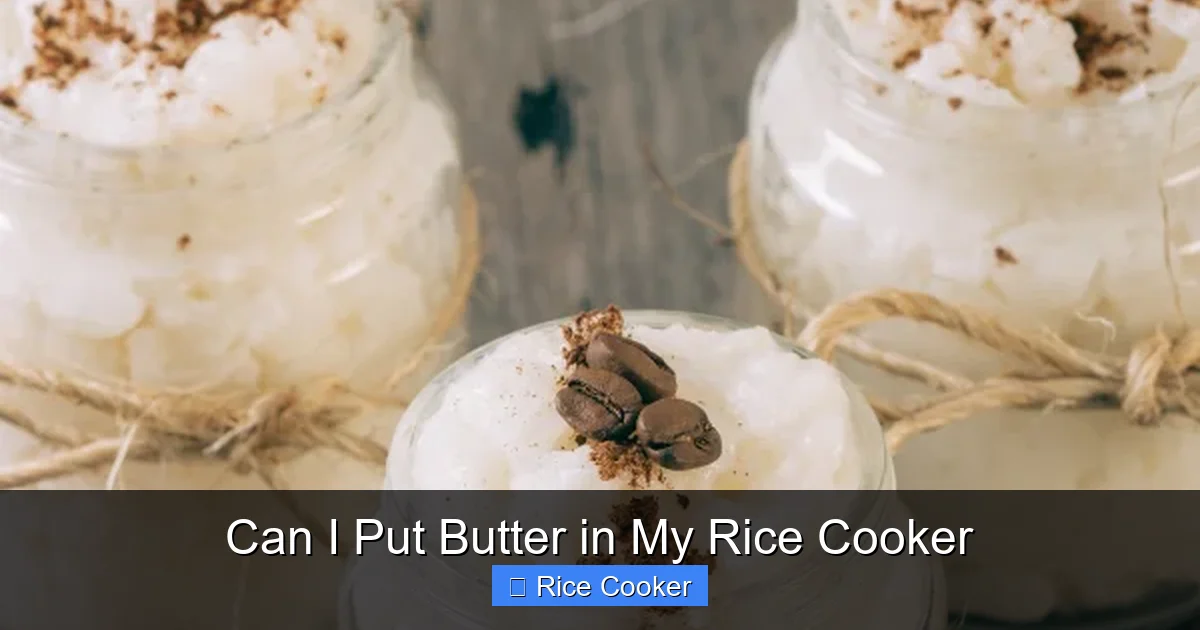
Visual guide about Can I Put Butter in My Rice Cooker
Image source: fillmyrecipebook.com
Not all rice cookers are created equal—and some handle added fats better than others. Let’s explore how different models interact with butter so you can choose the safest and most effective method for your appliance.
Electric Rice Cookers (Most Common)
These are the workhorses of most kitchens. Designed primarily for cooking rice, many electric rice cookers feature inner pots made from aluminum, stainless steel, or ceramic with a non-stick coating. These materials generally tolerate small amounts of butter without damage.
However, always check your manual first. Some high-end models warn against adding oils or fats directly because they may smoke or leave residue at high temperatures.
Induction Heating Rice Cookers
Induction cookers heat evenly and quickly, making them ideal for precise cooking. They usually come with removable inner pots that are easy to clean. Since induction doesn’t rely on direct flame, there’s minimal risk of burning butter or creating fumes—but again, avoid pouring large quantities near heating elements.
Multi-Functional Pressure Cookers
Some advanced pressure cookers double as rice makers. While technically capable of handling butter, pressure cooking introduces moisture control challenges. Too much fat could interfere with steam release, so stick to minimal amounts if using this method.
How to Safely Add Butter to Your Rice Cooker
Now that we’ve covered compatibility, here’s how to actually do it without making a mess or ruining your meal.
Melt Butter First, Then Add Rice
One of the safest approaches is to melt the butter separately before combining it with your rice. Here’s why this works well:
– Prevents uneven distribution
– Reduces chance of scorching
– Allows better control over quantity
Simply melt 1–2 tablespoons of butter in a small saucepan or microwave-safe bowl. Stir until smooth, then pour it over rinsed rice in the inner pot before adding water. Mix gently to coat the grains evenly.
Add Butter Alongside Rice and Water
For those who prefer simplicity, you can place softened or slightly melted butter directly into the rice cooker along with your rice and water. Just remember:
– Use room-temperature butter for easier mixing
– Don’t overload—stick to ½ to 1 tablespoon per cup of rice
– Stir once after adding water to ensure even coverage
This method works great for quick weekday dinners where you want maximum efficiency.
Finish With Butter After Cooking
Another popular technique involves cooking plain rice first, then fluffing it and stirring in butter at the end. This keeps the rice light and allows you to adjust sweetness or saltiness before adding fat. It’s especially useful if you’re making rice for kids or guests who might not enjoy overly rich flavors.
To do this:
1. Cook rice as usual.
2. Remove lid and gently fold in 1–2 tbsp of cold or warm butter.
3. Cover briefly to let butter melt into the grains.
Best Practices for Using Butter in the Rice Cooker
Even though butter is safe in most rice cookers, following a few best practices ensures optimal results and longevity of your appliance.
Use the Right Amount
Too much butter can lead to greasy rice or clogged drainage systems. As a rule of thumb:
– ¼ tsp per ½ cup of uncooked rice = subtle enhancement
– 1 tsp per cup = noticeable richness (ideal for most recipes)
– 2 tbsp per cup = decadent texture (save for special occasions)
Start low and taste as you go—especially if cooking for others.
Choose High-Quality Butter
Not all butter is created equal. For the best flavor, opt for unsalted, grass-fed, or European-style butter. These varieties offer richer taste profiles and cleaner melt points compared to lower-quality options.
Avoid margarine or hydrogenated oils if you’re aiming for authentic butter flavor—they often contain additives that don’t behave the same way when heated.
Don’t Forget to Clean Up Residue
Butter leaves behind oily residues that can attract pests or develop odors if left unattended. Always wipe the inner pot immediately after use with a damp cloth or sponge. Avoid abrasive scrubbers that could damage non-stick coatings.
For stubborn spots, soak the pot in warm, soapy water for 10 minutes before washing.
Experiment With Seasonings Alongside Butter
Butter pairs beautifully with other seasonings. Try combining it with:
– Garlic powder or fresh minced garlic
– Lemon zest or a splash of white wine
– Parmesan cheese (add grated parmesan after cooking)
– Fresh herbs like parsley or chives
These combinations open up endless possibilities—from savory Italian risotto to aromatic lemon-butter basmati.
Cooking Different Types of Rice With Butter
While white rice is the classic choice, butter enhances nearly every grain. Here’s how to adapt your technique based on rice variety.
White Rice (Basmati, Jasmine, Long Grain)
White rice absorbs liquid quickly and has a soft, fluffy texture that marries perfectly with butter. For best results:
– Rinse grains until water runs clear to remove excess starch
– Use a 1:2 ratio of rice to water (1 cup rice : 2 cups water)
– Add 1 tsp butter per cup of rice before cooking
This yields tender, fragrant grains ideal for curries, stir-fries, or side dishes.
Brown Rice
Brown rice takes longer to cook due to its bran layer, so timing adjustments are necessary. Because it’s heartier, a bit more butter helps soften the texture.
– Cook time: ~45–50 minutes
– Water ratio: 1:2.5 (slightly higher than white rice)
– Add 1–2 tsp butter per cup
The nuttier flavor of brown rice complements butter beautifully—perfect for grain bowls or salads.
Wild Rice
Wild rice has a chewy, earthy character that stands up well to bold flavors. Its natural complexity means you can get away with less butter, but a generous helping makes it extra comforting.
– Cook time: ~60 minutes
– Water ratio: 1:4 (wild rice requires more liquid)
– Add 1 tbsp butter per cup
Serve alongside roasted meats or mushrooms for a gourmet touch.
Quinoa and Other Ancient Grains
Though technically seeds rather than true rice, quinoa, farro, and barley respond wonderfully to butter. Their protein content and firm texture absorb fat efficiently.
– Quinoa: 1:2 water ratio, ½ tsp butter per cup
– Farro: 1:2.5 ratio, 1 tsp butter per cup
Note: Always rinse quinoa thoroughly to remove bitter saponins before cooking.
Troubleshooting Common Issues
Even experienced cooks run into hiccups. Here’s how to fix common problems when using butter in your rice cooker.
Rice Sticks to the Bottom
This usually happens when too much oil pools at the bottom or when the heat isn’t distributed evenly. Solutions include:
– Stirring the rice halfway through cooking (if your model allows)
– Using less butter next time
– Ensuring the inner pot is properly seated and aligned
Butter Smokes or Burns
Smoking indicates excessive heat or poor-quality butter. To prevent this:
– Use low-medium heat when melting
– Opt for clarified butter (ghee), which has a higher smoke point
– Never leave the rice cooker unattended during initial stages
Grains Are Too Greasy
Overdoing the butter leads to slimy, unappetizing rice. If this occurs:
– Drain excess liquid (if applicable)
– Fluff thoroughly with a fork to redistribute fat
– Balance with dry ingredients like breadcrumbs or toasted nuts next time
Flavor Is Uneven
Sometimes butter sits in clumps instead of coating all grains. To fix:
– Melt butter separately and mix thoroughly before combining
– Stir gently after adding water
– Consider using a food processor to pre-coat rice (advanced tip)
Creamy Risotto-Style Rice in the Rice Cooker
Want restaurant-quality risotto without constant stirring? Modern rice cookers can handle it—with a twist.
Here’s a foolproof method:
1. Sauté diced onions and Arborio rice in butter before transferring to the cooker.
2. Add hot broth gradually (about 1 cup at a time) and stir occasionally.
3. Finish with a knob of butter and grated Parmesan just before serving.
While traditional risotto requires active attention, this version delivers creamy results with minimal effort—thanks to the rice cooker’s automated temperature control.
Health-Conscious Alternatives to Butter
If you’re watching your fat intake or follow a dairy-free diet, don’t worry—there are plenty of substitutes.
Clarified Butter (Ghee)
Ghee has a higher smoke point and imparts a rich, nutty flavor without lactose. It’s ideal for high-heat cooking and works seamlessly in rice cookers.
Olive Oil or Avocado Oil
For a lighter option, use 1–2 tsp of high-quality oil per cup of rice. Olive oil adds fruity notes, while avocado oil offers neutral taste and healthy fats.
Plant-Based Butters
Options like coconut oil, cashew butter, or vegan cultured butter mimic real butter’s creaminess. Test small batches first to ensure compatibility with your specific rice type.
Remember: each substitute affects texture and flavor differently, so adjust ratios accordingly.
Creative Recipe Ideas Using Butter-Rice
Ready to get inspired? Here are five delicious ways to use butter-enhanced rice in your meals.
Lemon Butter Rice Bowl
Toss cooked rice with melted butter, lemon juice, chopped parsley, and a pinch of salt. Top with grilled chicken, steamed broccoli, and a poached egg for a complete meal.
Garlic Herb Rice Pilaf
Sauté minced garlic in butter before adding rice. Cook with chicken broth, then stir in fresh thyme, rosemary, and a squeeze of orange zest.
Cheesy Cauliflower Rice
Swap regular rice for riced cauliflower. Cook with butter, shredded cheddar, and black pepper. Perfect for low-carb diets.
Spicy Thai Basil Rice
Add chili flakes and Thai basil to butter-mixed rice along with fish sauce and lime. Serve with tofu or shrimp.
Apple Cinnamon Rice Pudding
Cook apple chunks with cinnamon sticks and milk in a rice cooker. Stir in butter at the end for a warm, comforting dessert.
Final Thoughts: Is It Worth It?
So, can you put butter in your rice cooker? The short answer is yes—and the long answer is even better. Not only is it safe and easy, but it opens up a world of culinary creativity. From elevating everyday sides to crafting gourmet-inspired meals, a little butter goes a long way.
Just remember: balance is key. Use quality ingredients, measure carefully, and clean promptly. And don’t be afraid to experiment—your rice cooker is more versatile than you think.
Whether you’re whipping up a family dinner or impressing guests, mastering the art of butter-infused rice is a skill that pays off every single time.
Frequently Asked Questions
Can I put cold butter in my rice cooker?
Yes, but it’s better to use softened or slightly melted butter. Cold butter may not distribute evenly and could cause clumping. Melting it first ensures smoother integration into the rice.
Will butter make my rice sticky?
Not if used correctly. Too much butter can lead to stickiness, but 1 teaspoon per cup of rice typically enhances texture without causing issues. Always mix well after adding.
Is it safe to leave butter in the rice cooker overnight?
No, never leave perishable ingredients like butter in an unplugged rice cooker for extended periods. Bacteria can grow, especially if residual heat remains. Clean the pot immediately after use.
Can I substitute oil for butter in the rice cooker?
Absolutely. Use 1–2 teaspoons of olive oil, avocado oil, or another high-smoke-point oil per cup of rice. Note that flavor and texture will differ slightly from butter.
Does butter change the cooking time of rice?
No significant change. Butter melts quickly and doesn’t affect water absorption rates much. Cooking times remain the same as standard rice preparation.
What’s the best way to clean a rice cooker after using butter?
Wipe the inner pot with a damp cloth while still warm. For stubborn grease, soak in warm, soapy water for 10 minutes. Avoid metal scouring pads that can scratch non-stick surfaces.