
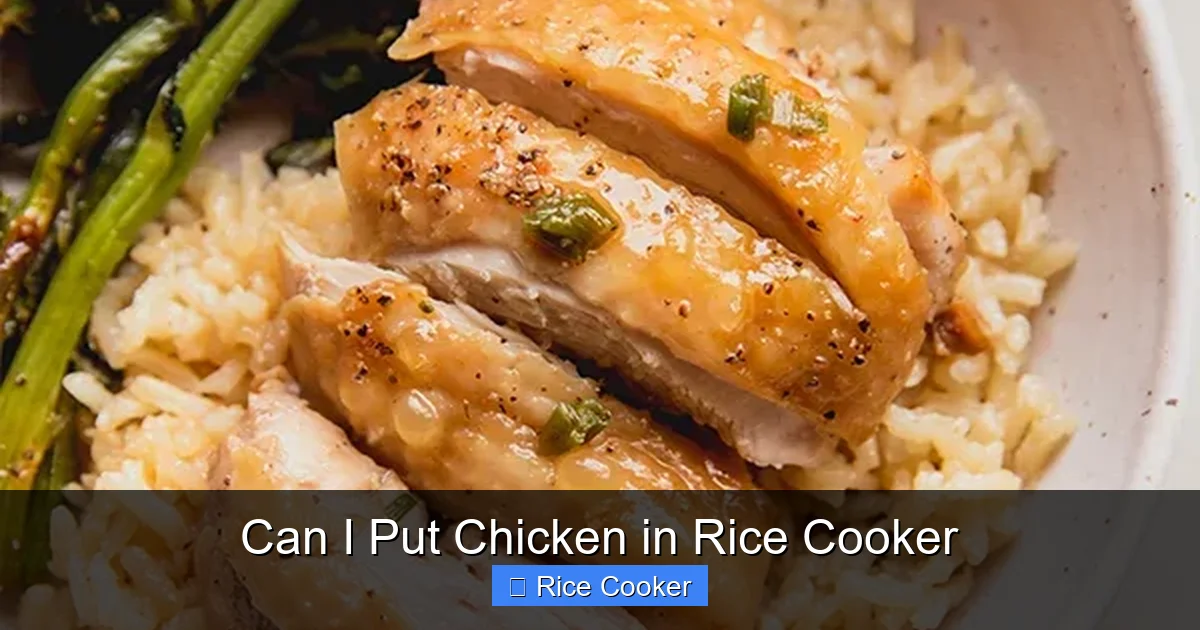
You can definitely cook chicken in a rice cooker, and it’s easier than you think. This versatile kitchen appliance turns out tender, flavorful chicken with minimal effort, all while cooking perfectly fluffy rice at the same time. Whether you’re meal prepping or whipping up a quick weeknight dinner, using your rice cooker for chicken saves time and energy. From whole chickens to shredded thighs, the rice cooker handles it all with even heat and no babysitting required.
Can I Put Chicken in Rice Cooker? Absolutely—and here’s how to do it right. If you’ve ever wondered whether your trusty rice cooker can handle more than just rice, the answer is a resounding yes. In fact, many home cooks are discovering that this humble kitchen gadget is a powerhouse when it comes to preparing whole meals with minimal fuss. From tender chicken breasts to fall-off-the-bone thighs, your rice cooker can deliver restaurant-quality results with zero guesswork.
The magic lies in the sealed, insulated environment. When you cook chicken in a rice cooker, the trapped steam keeps everything moist. At the same time, the rice cooks perfectly because it absorbs the liquid evenly. It’s a one-pot dream come true—especially when you’re short on time or energy. Plus, cleaning up is a breeze. No splatters, no scrubbing burnt pans. Just open the lid, serve, and enjoy.
In this guide, we’ll walk you through everything you need to know about cooking chicken in your rice cooker. You’ll learn which cuts work best, how to season them, what liquids to use, and even how to make flavorful sauces inside the cooker. Whether you’re a beginner or a seasoned cook looking to simplify mealtime, this article will show you why the rice cooker is your new best friend.
Key Takeaways
- Rice cookers are versatile: They can cook rice, grains, soups, stews, and yes—chicken. The sealed environment traps steam and moisture, creating tender meat.
- No need to pre-cook: Unlike stovetop methods, you don’t have to brown or sear chicken first. Just season, add liquid, and let the cooker do the work.
- Hands-off convenience: Set it and forget it. Ideal for busy days or when you want a hot, complete meal with little cleanup.
- Perfect for batch cooking: Cook multiple portions at once—great for families or meal prep.
- Even cooking: The consistent heat distribution ensures chicken stays juicy and rice stays fluffy.
- Customizable flavors: Add herbs, spices, broth, or sauces to infuse rich taste without extra steps.
- Saves counter space: Use one appliance instead of stove, oven, or slow cooker for a simpler setup.
📑 Table of Contents
- Why People Love Cooking Chicken in a Rice Cooker
- What Kind of Chicken Can You Cook?
- Best Cuts for Rice Cooker Chicken Recipes
- How to Cook Chicken and Rice Together
- Flavorful Variations to Try
- Tips for Perfect Rice Cooker Chicken
- Troubleshooting Common Issues
- Cleaning and Maintenance
- Frequently Asked Questions About Cooking Chicken in a Rice Cooker
Why People Love Cooking Chicken in a Rice Cooker
Cooking chicken in a rice cooker isn’t just a trend—it’s a game-changer for modern kitchens. Think about it: you wake up, throw chicken and rice into the cooker before heading out. Come home hours later, and dinner is ready. No constant monitoring. No flipping. No risk of drying out the meat. That’s the beauty of it.
Another big reason? Versatility. A good rice cooker can replace multiple appliances. Instead of using the stove, oven, and blender to make a meal, you can do it all in one pot. This reduces clutter, saves energy, and cuts down on cleanup. And let’s be honest—who doesn’t love less mess?
Plus, the even heat distribution means your chicken cooks uniformly. There are no cold spots or overcooked edges. The rice absorbs all the flavors from the chicken, creating a harmonious dish that tastes like you spent hours cooking. In reality, you didn’t—but no one needs to know that.
What Kind of Chicken Can You Cook?
Not all chicken parts are created equal when it comes to rice cooker cooking. Some work better than others. Here’s a breakdown:
Whole Chicken or Chicken Pieces
A whole chicken is perfect for a family dinner. You can cook it bone-in with the skin on for maximum flavor and moisture. Just place it breast-side down in the cooker, add broth or water, and cover. The result? Juicy, golden-brown skin and tender meat.
Chicken pieces like thighs and drumsticks are also excellent. They stay moist longer than breasts and absorb flavors beautifully. Boneless, skinless chicken breasts can work too, but they may dry out if overcooked. To prevent this, use a 1:1 ratio of liquid to meat and keep the heat low.
Bone-In vs. Boneless
Bone-in chicken holds up better during long cook times. The bones add flavor and help retain moisture. Boneless cuts cook faster and are great for shredding into tacos or salads. Just watch the timing—they can become tough if left too long.
Skin-On vs. Skinless
Skin adds flavor and helps seal in moisture. If you’re watching fat intake, you can remove the skin after cooking. But for most people, leaving the skin on during cooking gives richer, more satisfying results.
Best Cuts for Rice Cooker Chicken Recipes
Here are the top chicken cuts to use when cooking in your rice cooker:
– Chicken Thighs: Juiciest option. Perfect for pulled chicken, stews, or rice bowls.
– Chicken Drumsticks: Affordable and flavorful. Great for one-pot meals.
– Whole Chicken: Ideal for roasting-style dishes. Feeds a crowd with minimal effort.
– Chicken Breasts (boneless): Best for quick meals. Watch closely to avoid dryness.
– Chicken Wings: Tender and crispy if cooked with a bit of oil and high heat.
– Ground Chicken: Can be cooked directly with rice for a hearty grain bowl.
Each cut has its own ideal cook time and liquid ratio. For example, thighs take about 45–60 minutes with 1 cup of liquid, while whole chickens may need 90 minutes or more.
How to Cook Chicken and Rice Together
One of the biggest perks of using a rice cooker is the ability to cook chicken and rice simultaneously. Here’s how to do it step by step:
Step 1: Prep the Ingredients
Start by seasoning your chicken. Salt, pepper, garlic powder, paprika, and a squeeze of lemon juice go a long way. You can marinate it for 30 minutes or cook it straight out of the fridge.
For rice, rinse 1 cup of long-grain rice under cold water until the water runs clear. This removes excess starch and prevents gunkiness.
Step 2: Layer Everything
Place the chicken in the inner pot. Arrange it so the largest pieces face downward for even cooking. Then add the rinsed rice around the sides. Pour in 1.5 cups of broth or water. Don’t stir—just set it up for optimal absorption.
Pro tip: Add a bay leaf, onion slice, or carrot chunk for extra flavor. These will infuse the rice as they cook.
Step 3: Start the Cook Cycle
Close the lid and press the “Cook” button. Most rice cookers will automatically switch to warm after the cycle. If your model has a “Slow Cook” setting, use it for tougher cuts like legs or wings.
Once done, let the pressure release naturally for 10 minutes before opening. This keeps the chicken from drying out.
Step 4: Fluff and Serve
Gently fluff the rice with a fork. Remove the chicken, let it rest for 5 minutes, then shred or slice. The rice should be tender and slightly infused with chicken flavor.
Flavorful Variations to Try
Want to level up your rice cooker chicken? Try these flavor profiles:
Asian-Inspired
Use soy sauce, ginger, garlic, and a splash of sesame oil. Add chopped green onions and a sprinkle of sesame seeds at the end. Serve with steamed broccoli on the side.
Mediterranean Style
Toss in olives, sun-dried tomatoes, feta cheese, and oregano. Cook with olive oil and lemon juice for a fresh, tangy twist.
Cajun Spice Blend
Rub chicken with cayenne, paprika, thyme, and garlic powder. Cook with chicken broth and diced bell peppers for a spicy kick.
Curry Chicken and Rice
Simmer curry paste in coconut milk, add chicken, and cook with basmati rice. Garnish with cilantro and a dollop of yogurt.
BBQ Glazed Chicken
Brush chicken with BBQ sauce halfway through cooking. Let it caramelize slightly for sticky, sweet-tangy goodness.
These variations show how easy it is to customize your meal without extra pans or tools.
Tips for Perfect Rice Cooker Chicken
Follow these expert tips to get the best results every time:
– Don’t overcrowd: Leave space between chicken pieces for steam to circulate.
– Use enough liquid: Aim for 1 cup per 1 cup of rice and 2–3 cups per pound of chicken.
– Brown optional: While not necessary, searing chicken first adds depth. Do it in a skillet before transferring to the cooker.
– Check doneness: Insert a meat thermometer—chicken should reach 165°F (74°C).
– Let it rest: Resist the urge to open the lid early. Wait 5–10 minutes after cooking.
– Save the juices: Use the leftover liquid to thin out sauces or mix into rice for extra flavor.
Troubleshooting Common Issues
Even the best rice cookers can run into hiccups. Here’s how to fix them:
The Rice Is Mushy
This happens when there’s too much liquid or the cook time is too long. Next time, reduce water by ¼ cup and check after 20 minutes. Also, avoid lifting the lid during cooking.
The Chicken Is Dry
Dry chicken usually means overcooking or not enough moisture. Use bone-in cuts, add broth or wine, and cook on the “warm” setting if needed.
The Chicken Sticks to the Bottom
This can happen if the pot isn’t non-stick or if you didn’t use enough liquid. Always use a well-oiled pot or spray it lightly before adding ingredients.
The Rice Is Undercooked
If the rice is still hard, add 2 tablespoons of water, close the lid, and let it sit for 10 more minutes on the “warm” setting.
The Smell Lingers
Rice cookers trap odors. After use, wipe the interior with vinegar and water, then air it out overnight.
Cleaning and Maintenance
Cleaning your rice cooker after cooking chicken is simple:
1. Unplug and let it cool completely.
2. Remove the inner pot and wash it with warm, soapy water.
3. Wipe the exterior and lid with a damp cloth.
4. Soak burnt-on bits in water with a drop of dish soap for 15 minutes before scrubbing.
5. Air-dry everything before storing.
Never submerge the base or cord in water. Regular cleaning prevents buildup and keeps your cooker working efficiently.
Frequently Asked Questions About Cooking Chicken in a Rice Cooker
Do I need to brown the chicken before cooking it in the rice cooker?
No, browning isn’t required. However, searing adds flavor. If you skip it, the chicken will still be juicy and tender—just less caramelized.
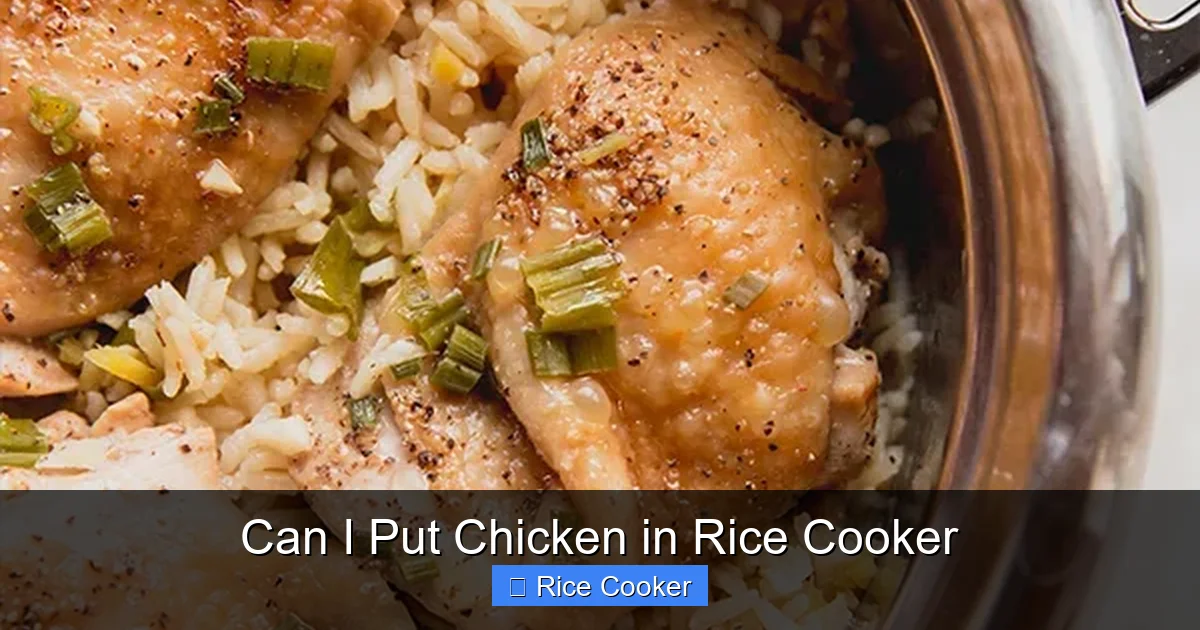
Visual guide about Can I Put Chicken in Rice Cooker
Image source: unboundwellness.com
Can I cook frozen chicken in the rice cooker?
Yes, but it increases cook time significantly. Add 10–15 extra minutes and ensure there’s enough liquid to prevent burning.
How much liquid do I need?
Use 1.5 cups of liquid per 1 cup of uncooked rice. For chicken, add 1–2 cups per pound. Broth or stock works better than plain water for flavor.
Can I cook vegetables along with chicken and rice?
Absolutely! Add carrots, peas, corn, or broccoli halfway through cooking. They’ll stay crisp-tender and colorful.
Is it safe to cook chicken in a rice cooker?
Yes, as long as the internal temperature reaches 165°F (74°C). Use a meat thermometer to confirm doneness.
Can I make gravy in the rice cooker?
Yes! After cooking, strain the chicken juices, return them to the pot, and whisk in flour or cornstarch to thicken into gravy.
Frequently Asked Questions
Do I need to brown the chicken before cooking it in the rice cooker?
No, browning isn’t required. However, searing adds flavor. If you skip it, the chicken will still be juicy and tender—just less caramelized.
Can I cook frozen chicken in the rice cooker?
Yes, but it increases cook time significantly. Add 10–15 extra minutes and ensure there’s enough liquid to prevent burning.
How much liquid do I need?
Use 1.5 cups of liquid per 1 cup of uncooked rice. For chicken, add 1–2 cups per pound. Broth or stock works better than plain water for flavor.
Can I cook vegetables along with chicken and rice?
Absolutely! Add carrots, peas, corn, or broccoli halfway through cooking. They’ll stay crisp-tender and colorful.
Is it safe to cook chicken in a rice cooker?
Yes, as long as the internal temperature reaches 165°F (74°C). Use a meat thermometer to confirm doneness.
Can I make gravy in the rice cooker?
Yes! After cooking, strain the chicken juices, return them to the pot, and whisk in flour or cornstarch to thicken into gravy.