
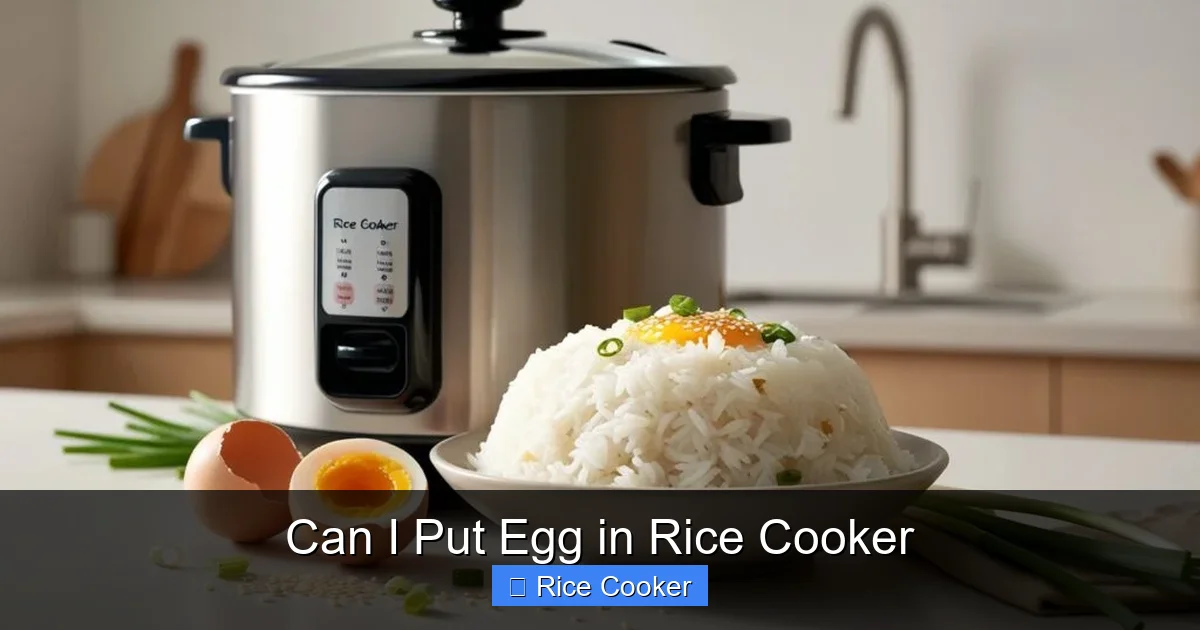
Can I put egg in rice cooker? Absolutely! Your rice cooker isn’t just for grains—it’s a versatile kitchen tool perfect for cooking eggs too. Whether you want fluffy scrambled eggs, perfectly steamed eggs, or even fried eggs, the rice cooker delivers consistent results with minimal effort.
Using an egg in rice cooker is simple, safe, and saves time. With the right technique, you can prepare protein-rich meals without extra pans or stovetops. From breakfast to meal prep, this method adds convenience and flavor to your daily routine.
Key Takeaways
- Rice cookers can safely cook eggs. The steam-heating mechanism creates ideal conditions for soft-boiled, poached, or scrambled eggs.
- No special equipment needed. Just a rice cooker, eggs, and a small heat-safe container or bowl.
- Versatile cooking methods. You can boil, scramble, steam, or even fry eggs using your rice cooker.
- Perfect for meal prep. Cook multiple eggs at once for quick breakfasts or snacks throughout the week.
- Saves time and energy. Skip the stove—your rice cooker handles everything in one pot.
- Customizable to your taste. Add salt, herbs, cheese, or vegetables for flavorful egg dishes.
- Safe when done correctly. Follow proper timing and safety tips to avoid overcooking or cracking.
📑 Table of Contents
- Can I Put Egg in Rice Cooker? Yes — Here’s How!
- Why Use a Rice Cooker for Eggs?
- How to Cook Soft-Boiled Eggs in a Rice Cooker
- How to Make Scrambled Eggs in a Rice Cooker
- How to Steam Eggs in a Rice Cooker
- How to Fry Eggs in a Rice Cooker
- Creative Recipes Using Eggs in Rice Cooker
- Common Mistakes to Avoid
- Cleaning and Maintenance Tips
- Frequently Asked Questions (FAQs)
- Final Thoughts: Your Rice Cooker Is More Than Just for Rice
Can I Put Egg in Rice Cooker? Yes — Here’s How!
We’ve all been there: standing at the stove, watching the pan heat up, waiting for the water to boil, and hoping the egg doesn’t crack or stick. What if you could skip the hassle and still enjoy perfectly cooked eggs every time? Enter the humble rice cooker — a kitchen appliance most of us use daily but rarely think of as a multi-tool for proteins.
Yes, you can absolutely put egg in rice cooker. In fact, it’s one of the simplest and most effective ways to cook eggs without babysitting a pot on the stove. Whether you’re making a soft-boiled egg for dipping toast, scrambling eggs for breakfast, or steaming eggs for a light dinner, your rice cooker can handle it all. All you need is an egg, some water, and a little know-how.
This guide will walk you through everything you need to know about cooking eggs in a rice cooker — from basic techniques to creative recipes. You’ll learn why this method works so well, how to avoid common mistakes, and how to turn your rice cooker into a breakfast hero. Plus, we’ll share pro tips to make your eggs fluffier, richer, and more delicious than ever.
Why Use a Rice Cooker for Eggs?
You might be wondering: Why go through the trouble of using a rice cooker when you already have a stove? Great question! Let’s break down the benefits of cooking eggs this way.
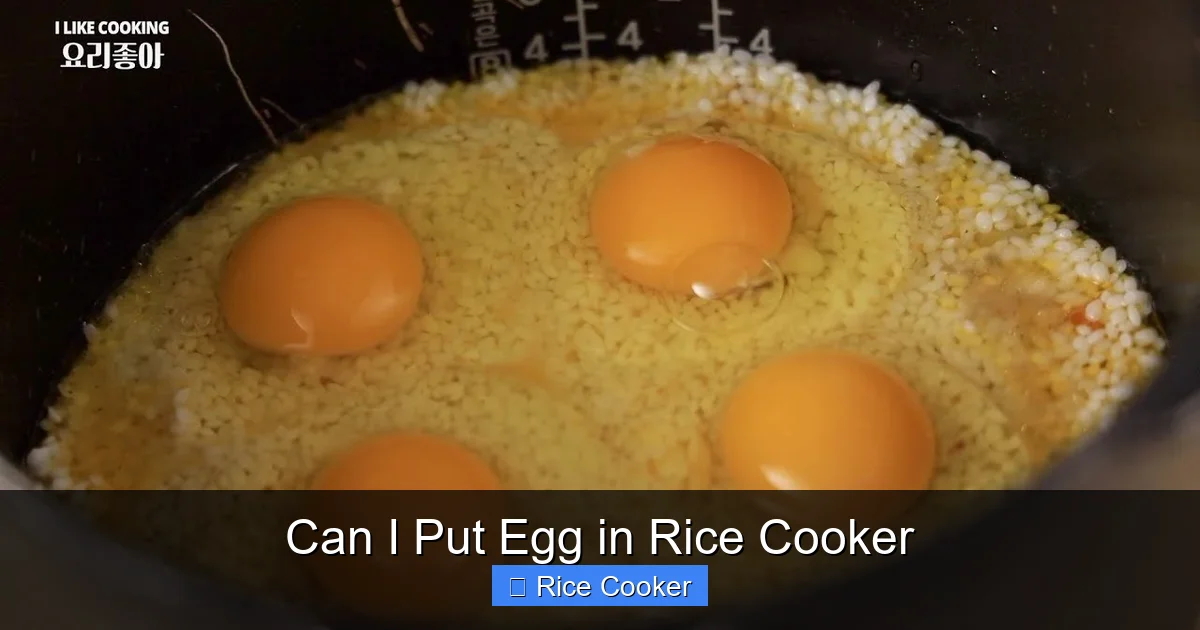
Visual guide about Can I Put Egg in Rice Cooker
Image source: i.ytimg.com
1. Hands-Off Cooking
Once you set it up, the rice cooker does the work. No need to stand over a hot stove, stir constantly, or worry about burning. Just add ingredients, press start, and come back when it’s done.
2. Consistent Results
Rice cookers maintain steady, low heat. This means no hot spots or sudden temperature changes — perfect for delicate egg proteins that can easily become rubbery if overcooked.
3. Energy Efficient
Cooking eggs in a rice cooker uses less electricity than keeping a stove burner on. It’s eco-friendly and cost-effective, especially when cooking multiple eggs at once.
4. Multi-Tasking Made Easy
While your rice cooker is busy making eggs, you can prep other parts of your meal. Chop veggies, toast bread, or clean up — all while the eggs cook quietly in the background.
5. Safe and Clean
No open flames, splatters, or greasy pans to scrub afterward. Just rinse the inner pot and you’re done. Less mess, more convenience.
With these advantages, it’s clear that cooking eggs in a rice cooker isn’t just possible — it’s practical, smart, and surprisingly effective.
How to Cook Soft-Boiled Eggs in a Rice Cooker
Soft-boiled eggs are creamy, golden yolks with tender whites — perfect for dipping toast, ramen, or enjoying solo. And guess what? You can make them in your rice cooker with just two ingredients: eggs and water.
What You’ll Need:
- Fresh eggs (ideally room temperature)
- Water (just enough to cover the base of the pot)
- A small heat-safe bowl or ramekin
Step-by-Step Instructions:
- Add Water: Pour 1/2 inch (about 1 cm) of water into the rice cooker’s inner pot.
- Place the Egg: Crack one egg into a small bowl or ramekin. Carefully slide it into the pot.
- Start Cooking: Close the lid and press the “Cook” button. Let it run until the rice cooker switches to “Keep Warm.”
- Wait 8–10 Minutes: For soft-boiled perfection, let the eggs cook undisturbed during this cycle.
- Ice Bath (Optional): Transfer eggs to cold water or an ice bath to stop the cooking process and make peeling easier.
- Serve Immediately: Gently crack the shell and enjoy with a sprinkle of salt or soy sauce.
Pro Tip:
For medium or hard-boiled eggs, increase the cooking time to 12–15 minutes. But remember — rice cookers don’t have timers, so you’ll need to watch the first time to get the timing right.
This method works great for meal prep too. Make a dozen eggs, store them in the fridge, and reheat by microwaving briefly before serving.
How to Make Scrambled Eggs in a Rice Cooker
Scrambled eggs should be fluffy, creamy, and never dry. And yes — you can achieve that texture using your rice cooker. The key is gentle, indirect heat and a little patience.
What You’ll Need:
- 2–3 large eggs
- 1 tablespoon milk or cream (optional, for fluffiness)
- Salt and pepper to taste
- A non-stick bowl or ramekin (glass or ceramic works best)
Step-by-Step Instructions:
- Prepare the Egg Mixture: Whisk eggs with milk, salt, and pepper in a small bowl.
- Place in Rice Cooker: Transfer the mixture into a heat-safe bowl that fits inside the rice cooker.
- Add Water: Pour 1–2 tablespoons of water into the inner pot to create steam.
- Start Cooking: Press “Cook” and let the rice cooker run its full cycle (about 10–15 minutes).
- Stir Gently: When the cooker switches to “Keep Warm,” open the lid and gently stir the eggs to prevent sticking.
- Serve Hot: Enjoy immediately with toast, avocado, or fresh herbs.
Why It Works:
The steam gently cooks the eggs, creating a custardy texture without direct heat. The rice cooker’s insulation keeps the heat steady, preventing overcooking.
For extra flavor, add grated cheese, chopped chives, or diced tomatoes halfway through cooking.
How to Steam Eggs in a Rice Cooker
Steamed eggs are silky, tender, and rich in nutrients — a favorite in Asian households. You can replicate this technique in your rice cooker with surprising ease.
What You’ll Need:
- Eggs (whole or separated)
- Steam basket or heat-safe bowl
- Water
Method 1: Whole Eggs (Poached Style):
- Pour 1 cup of water into the rice cooker.
- Place a small bowl or ramekin inside, ensuring it doesn’t touch the bottom.
- Crack an egg into the bowl.
- Cover and cook for 8–10 minutes on “Cook.”
- Remove and serve with a drizzle of sesame oil and soy sauce.
Method 2: Egg Whites Only (For Protein Lovers):
Separate the whites, whisk lightly, and pour into a small dish. Steam for 6–8 minutes. Ideal for high-protein diets.
Tip:
Use a bamboo steamer or metal colander as a rack to elevate the eggs above the water. This prevents them from boiling too vigorously.
Steamed eggs pair beautifully with congee, rice, or dumplings — a classic comfort food combo.
How to Fry Eggs in a Rice Cooker
Who said frying requires a non-stick pan and a hot griddle? Not anymore. You can fry eggs in a rice cooker using minimal oil and maximum convenience.
What You’ll Need:
- 1–2 eggs
- 1 teaspoon oil (vegetable, olive, or coconut)
- Salt and pepper
- Small frying-safe bowl or ramekin
Step-by-Step Instructions:
- Heat the Pot: Turn on the rice cooker and let it warm up for 1–2 minutes.
- Add Oil: Swirl 1 teaspoon of oil in the inner pot.
- Crack the Egg: Break the egg into the oiled pot.
- Close Lid and Cook: Press “Cook” and let it run for 5–7 minutes.
- Check Doneness: The white should be set, and the yolk can be runny or firm depending on preference.
- Serve with Care: Use a spoon to lift the egg out and place it on a plate.
Note:
Not all rice cookers have non-stick coatings, so be careful when removing the egg. A little oil goes a long way in preventing sticking.
This method is perfect for Sunday brunch or when you want a crispy edge without flipping.
Creative Recipes Using Eggs in Rice Cooker
Once you master the basics, the possibilities are endless. Here are three delicious ideas to inspire your next meal.
1. Congee with Steamed Egg Topping
Cook jasmine rice in the rice cooker until tender, then top with a steamed egg. Sprinkle with green onions and a dash of soy sauce. A comforting Asian-style breakfast.
2. Egg and Veggie Stir-Fry
After cooking rice, sauté chopped bell peppers, mushrooms, and spinach in the same pot. Add beaten eggs and stir gently. Serve over rice for a complete meal.
3. Chocolate Mug Cake with a Boiled Egg (Yes, Really!)
For a fun twist, add a soft-boiled egg to a chocolate mug cake batter. Bake in the rice cooker for 15 minutes. The egg adds richness and protein — a surprisingly good combo.
Bonus: Egg-in-a-Hole Pancakes
Make pancake batter, pour it into the rice cooker, and crack an egg in the center. Cook until golden and set. Flip carefully and finish cooking. A hearty, hands-free breakfast.
These recipes show how versatile your rice cooker can be — beyond just rice and grains.
Common Mistakes to Avoid
Even with the best tools, mistakes happen. Here’s how to avoid them and ensure perfect eggs every time.
Mistake 1: Using Cold Eggs
Chilled eggs are harder to peel and may crack during cooking. Always use room-temperature eggs for best results.
Mistake 2: Overfilling the Pot
Don’t add too much water or liquid. Just enough to create steam — usually 1–2 inches (2–5 cm) is plenty.
Mistake 3: Not Using a Heat-Safe Container
Plastic bowls can melt. Stick to glass, ceramic, or metal containers designed for high heat.
Mistake 4: Opening the Lid Too Often
Each time you open the lid, heat escapes. Keep the lid closed during cooking for even results.
Mistake 5: Ignoring the First-Time Test
Every rice cooker is slightly different. Do a trial run with one egg to find your ideal timing.
Mistake 6: Skipping the Ice Bath
An ice bath stops residual cooking and makes peeling easier — especially for hard-boiled eggs.
By avoiding these pitfalls, you’ll save time, reduce waste, and enjoy better-tasting eggs.
Cleaning and Maintenance Tips
Cleaning your rice cooker after cooking eggs is simple — but it’s important to do it properly to keep your appliance in top shape.
1. Unplug and Cool Down
Never clean a hot rice cooker. Let it cool completely before washing.
2. Remove the Inner Pot
Take out the pot and wash it with warm, soapy water. Most parts are dishwasher-safe unless labeled otherwise.
3. Wipe the Exterior
Use a damp cloth to clean the outside. Avoid submerging the base or electronics.
4. Check the Heating Plate
If food sticks to the heating surface, wipe it gently with a paper towel. Don’t use abrasive scrubbers.
5. Dry Thoroughly
Ensure all parts are completely dry before reassembling. Moisture can cause rust or mold.
Regular cleaning extends the life of your rice cooker and ensures safe, hygienic cooking.
Frequently Asked Questions (FAQs)
Can I cook multiple eggs at once in a rice cooker?
Yes, you can cook several eggs at the same time. Use separate bowls or ramekins for each, and increase cooking time slightly if needed. Just make sure they fit comfortably inside the pot.
Do I need a special rice cooker for cooking eggs?
No special model is required. Any standard electric rice cooker with a non-stick inner pot will work. The key is having a lid that seals tightly to retain steam.
Can I cook eggs in a rice cooker without water?
It’s not recommended. Water is essential for steam, which gently cooks the egg. Without it, the rice cooker won’t generate enough moisture to cook the egg properly.
How long do eggs last in the fridge?
Fresh eggs stored in the refrigerator can last 3–5 weeks past their pack date. Always check for cracks or unusual odors before cooking.
Can I reuse the rice cooker for other foods after cooking eggs?
Absolutely. Just clean it thoroughly. Cooking eggs doesn’t leave a strong odor or residue, so it’s safe to use for rice, soup, or grains afterward.
Is it safe to leave the rice cooker unattended while cooking eggs?
Yes, it’s completely safe. Once the rice cooker reaches the desired temperature, it automatically switches to “Keep Warm” mode. You can step away without worry.
Final Thoughts: Your Rice Cooker Is More Than Just for Rice
So, can you put egg in rice cooker? The answer is a resounding yes — and now you know exactly how to do it. Whether you’re craving soft-boiled eggs for dipping, fluffy scrambled eggs for breakfast, or perfectly steamed eggs for a light meal, your rice cooker has got you covered.
This simple trick opens up a world of possibilities. You’re no longer limited to just grains and soups. With a little creativity, your rice cooker becomes a breakfast machine, a meal prep powerhouse, and even a dessert maker.
Next time you open your rice cooker, don’t just reach for the rice. Reach for an egg instead. You might just discover your new favorite kitchen hack — one that saves time, reduces cleanup, and delivers delicious results every time.
Happy cooking!
Frequently Asked Questions
Can I cook multiple eggs at once in a rice cooker?
Yes, you can cook several eggs simultaneously. Use separate heat-safe containers for each, and increase cooking time slightly if needed. Just ensure they fit comfortably inside the pot without overcrowding.
Do I need a special rice cooker for cooking eggs?
No special model is required. Any standard electric rice cooker with a non-stick inner pot will work. The key is having a lid that seals tightly to retain steam for even cooking.
Can I cook eggs in a rice cooker without water?
It’s not recommended. Water is essential to create steam, which gently cooks the egg. Without sufficient moisture, the rice cooker won’t produce enough heat transfer to cook the egg properly.
How long do eggs last in the fridge?
Fresh eggs stored in the refrigerator typically last 3–5 weeks past their pack date. Always check for cracks, unusual odors, or discoloration before using.
Can I reuse the rice cooker for other foods after cooking eggs?
Yes, absolutely. Simply clean the inner pot thoroughly after use. Cooking eggs leaves minimal residue, so it’s safe to use the rice cooker for rice, soup, or grains afterward.
Is it safe to leave the rice cooker unattended while cooking eggs?
Yes, it’s completely safe. Once the rice cooker reaches the desired temperature, it automatically switches to “Keep Warm” mode. You can step away without worry — no constant monitoring needed.