
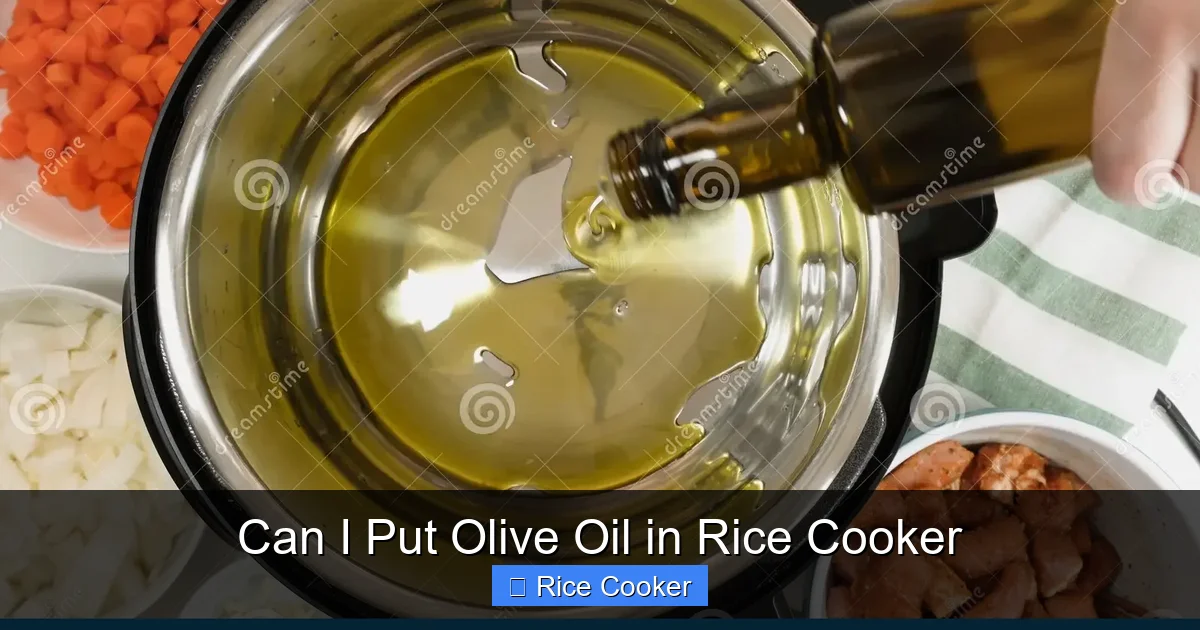
Can I put olive oil in rice cooker? Absolutely! Adding a few drops of olive oil enhances rice texture, prevents sticking, and boosts flavor. It’s a simple, healthy upgrade to your rice cooker routine that works with white, brown, and even wild rice.
Key Takeaways
- Olive oil improves rice texture: It creates a slightly glossy finish and reduces stickiness, especially with long-grain varieties.
- It prevents burning and sticking: A thin layer coats the grains and pan, making cleanup easier and reducing burnt spots.
- Boosts flavor and aroma: The subtle fruity notes of extra virgin olive oil add depth to plain rice, perfect for grain bowls or side dishes.
- Safe for most rice cookers: Standard rice cookers handle olive oil well, but avoid high-heat models that may smoke or damage seals.
- Health-conscious choice: Olive oil adds heart-healthy monounsaturated fats without extra calories when used sparingly.
- Works with various rice types: From jasmine and basmati to brown and wild rice, olive oil adapts to different cooking needs.
- Use the right amount: 1–2 teaspoons per cup of rice is ideal—too much can make rice greasy or alter the taste.
📑 Table of Contents
- Can I Put Olive Oil in Rice Cooker? Yes, and Here’s Why You Should
- Why Add Olive Oil to Rice Cooker?
- Which Type of Olive Oil Works Best?
- How Much Olive Oil Should You Use?
- Step-by-Step Guide: How to Cook Rice with Olive Oil
- Olive Oil Rice Recipes to Try Today
- Common Mistakes to Avoid
- Does Olive Oil Work With All Rice Types?
- Frequently Asked Questions
- Conclusion: Make Every Grain Count
Can I Put Olive Oil in Rice Cooker? Yes, and Here’s Why You Should
Have you ever cooked a pot of perfectly fluffy rice, only to find it stuck to the bottom or clumped together? Or maybe you’ve noticed that store-bought rice tastes a little bland, even when cooked just right? If so, you’re not alone. Millions of home cooks struggle with achieving that ideal texture and flavor every time they use their rice cooker. But what if there was a simple, natural solution that could transform your rice into something richer, more aromatic, and easier to serve?
The answer might be closer than you think—olive oil. That staple of Mediterranean cuisine isn’t just for drizzling on salads anymore. When added to your rice cooker, olive oil can elevate your rice from basic to brilliant. Whether you’re cooking white rice for sushi, brown rice for a hearty salad, or wild rice for a festive side dish, a small amount of olive oil can make all the difference.
In this article, we’ll explore everything you need to know about using olive oil in your rice cooker. From understanding why it helps, to learning the best techniques and recipes, you’ll discover how this humble kitchen ingredient can become your secret weapon for perfect rice every time. Let’s dive in!
Why Add Olive Oil to Rice Cooker?
Texture and Consistency
One of the most common complaints about rice—especially long-grain varieties like basmati or jasmine—is that it tends to clump together after cooking. This happens because the starches on the surface of each grain bond under heat and moisture. But when you add a tiny bit of olive oil during the cooking process, it acts as a natural barrier. The oil coats the surface of each grain, preventing the starches from sticking together. As a result, your rice comes out fluffier, separate, and less sticky.
Visual guide about Can I Put Olive Oil in Rice Cooker
Image source: img-global.cpcdn.com
This is particularly helpful when serving rice as a side dish where individual grains are preferred—think pilafs, stir-fries, or even fried rice. No more scooping out clumps or fighting through mushy rice!
Flavor Enhancement
Rice is often considered a neutral food, which makes it a great canvas for other flavors. But sometimes, even with seasonings, it still lacks depth. Enter olive oil. The subtle fruitiness and complexity of high-quality extra virgin olive oil can infuse your rice with a mild, pleasant aroma and taste. Unlike butter or ghee, which can overpower, olive oil complements rather than dominates.
Imagine serving a bowl of fragrant basmati rice at an Indian dinner, or pairing it with grilled chicken and roasted vegetables. A hint of olive oil gives the dish a gourmet touch without being too heavy. It’s especially effective when combined with garlic, onions, or herbs like thyme or rosemary.
Easier Cleanup
Nobody likes scrubbing a rice cooker after a tough meal. Burnt-on rice residue is one of the worst parts of cooking. Olive oil reduces this problem by creating a non-stick surface inside the inner pot. Even if some rice does stick, it will be easier to remove—no need for harsh scrubbing or soaking in boiling water.
Just remember to wipe the inside of the lid and heating plate afterward, as condensation can mix with oil and create a sticky film. But overall, using oil significantly cuts down on cleanup time.
Health Benefits
While rice itself is mostly carbohydrates, adding olive oil introduces healthy monounsaturated fats. These are known to support heart health, reduce inflammation, and improve cholesterol levels. A single teaspoon of olive oil contains about 120 calories, so it’s not calorie-free—but when used sparingly (1–2 teaspoons per cup of rice), it adds minimal calories while boosting nutritional value.
Additionally, olive oil has antioxidants like oleocanthal and polyphenols, which may help protect against oxidative stress. So not only does your rice taste better—it’s also a little healthier!
Which Type of Olive Oil Works Best?
Extra Virgin vs. Regular Olive Oil
Not all olive oils are created equal. For cooking rice, extra virgin olive oil (EVOO) is the best choice. It’s made from cold-pressed olives, preserving its natural flavor, aroma, and nutrients. EVOO has a lower smoke point than refined oils, but since rice cookers operate at relatively low temperatures, this isn’t a concern.
Avoid using light or pure olive oil unless EVOO is unavailable. These are highly refined and lack the flavor complexity that makes olive oil special. They also contain fewer antioxidants, so you miss out on the health benefits.
Best Brands for Cooking Rice
While any reputable brand will do, some olive oils are better suited for cooking due to their balance of flavor and stability. Look for oils labeled “cold-pressed” and “unfiltered.” Some popular choices include:
- California Olive Ranch – Smooth, buttery taste, great for beginners
- Colavita Extra Virgin Olive Oil – Consistent quality, widely available
- Lucini Italia Premium Select – Rich flavor, excellent for infusing rice
Store your olive oil in a cool, dark place to preserve its quality. Once opened, use it within 6 months for the best results.
How Much Olive Oil Should You Use?
The Golden Rule: Less Is More
The key to success lies in moderation. Too much olive oil can make rice greasy or mask its natural flavor. Too little, and you won’t see noticeable benefits. The standard recommendation is 1 teaspoon of olive oil per 1 cup of uncooked rice. For larger batches, double or triple accordingly.
For example:
– 1 cup rice = 1 tsp oil
– 2 cups rice = 2 tsp oil
– 4 cups rice = 4 tsp oil
Adjust Based on Rice Type
Different rice varieties absorb liquid differently and respond uniquely to oil. Here’s a quick guide:
- White long-grain (basmati, jasmine): 1 tsp oil per cup. Helps prevent stickiness and adds fragrance.
- Brown rice: 1–2 tsp per cup. Brown rice is denser and takes longer to cook, so a bit more oil helps with texture.
- Wild or mixed grain rice: 1 tsp per cup. These have irregular shapes, so oil ensures even cooking.
- Sushi rice: ½ tsp per cup. Sushi rice should remain slightly firm and sticky, so less oil keeps it traditional.
When Not to Add Oil
There are a few cases where skipping the oil is better:
– If your rice cooker already has a non-stick coating, adding oil may be unnecessary.
– For dishes where rice is served raw or uncooked (like no-cook overnight oats with rice), oil isn’t needed.
– In recipes calling for butter or ghee (e.g., biryani), olive oil may clash with the intended flavor profile.
Always taste-test your rice before serving to ensure the balance is right.
Step-by-Step Guide: How to Cook Rice with Olive Oil
What You’ll Need
- 1–2 cups uncooked rice (any variety)
- 1–2 teaspoons extra virgin olive oil
- 1.5–2 cups water (adjust based on rice type)
- Measuring cup and spoon
- Clean rice cooker with inner pot
Step 1: Rinse the Rice
Washing rice removes excess starch, which prevents gumminess. Place rice in a fine-mesh strainer and rinse under cold running water until the water runs clear. Drain well—excess moisture can affect oil distribution.
Step 2: Add Rice and Oil to the Pot
Add rinsed rice to the inner pot of your rice cooker. Pour in the measured olive oil and gently stir to coat the grains evenly. This ensures every piece gets a light sheen before cooking.
Step 3: Add Water
Follow your rice cooker’s instructions for water ratio. Generally:
– White rice: 1.5 cups water per 1 cup rice
– Brown rice: 2 cups water per 1 cup rice
– Wild rice: 2.5 cups water per 1 cup rice
Double-check the level—too much water makes rice mushy; too little leads to dryness.
Step 4: Start Cooking
Close the lid and press the “Cook” button. Most modern rice cookers automatically switch to “Keep Warm” once done. Avoid opening the lid frequently, as steam escapes and affects texture.
Step 5: Let It Rest
After cooking, let the rice sit for 5–10 minutes with the lid on. This allows residual heat to finish cooking evenly and lets the oil integrate fully. Then fluff gently with a fork.
Pro Tips
- For extra flavor, sauté minced garlic or onion in the oil before adding rice (optional).
- Add a bay leaf or sprig of thyme during cooking for herbal notes.
- If your rice cooker has a “Steam” function, use it for veggies alongside rice.
Olive Oil Rice Recipes to Try Today
Mediterranean Herb Rice
Perfect as a side for grilled meats or falafel.
- 1 cup jasmine or basmati rice
- 1 tsp olive oil
- 1.5 cups water
- ½ tsp dried oregano
- Pinch of salt
- Optional: ¼ cup chopped parsley after cooking
Cook as usual. Stir in herbs before serving.
Garlic Lemon Rice
Lemon zest brightens the rice without acidity.
- 1 cup white rice
- 1 tsp olive oil
- 1.5 cups water
- 1 clove garlic, minced
- Zest of ½ lemon
Sauté garlic in oil for 30 seconds before adding rice and water.
Red Pepper and Tomato Rice
A savory, colorful option for lunch boxes.
- 1 cup brown rice
- 2 tsp olive oil
- 1.75 cups water
- ½ cup diced tomatoes
- ½ tsp smoked paprika
Add tomatoes and spices with rice. Simmer 5 minutes before cooking.
Common Mistakes to Avoid
Using Too Much Oil
As mentioned earlier, excess oil leads to greasy rice. Stick to the recommended amounts and taste as you go.
Skipping Rinsing
Unwashed rice leaves behind starch, causing clumping even with oil. Always rinse thoroughly.
Using Low-Quality Oil
Cheap, processed oils lack flavor and nutrients. Invest in a good EVOO for the best results.
Overcooking After Adding Oil
Olive oil doesn’t require long cooking times. Adding it too early or leaving it simmering for hours can dull its flavor.
Ignoring Your Rice Cooker Manual
Some rice cookers have specific settings or limitations. Check if your model supports oil use—most do, but it’s worth confirming.
Does Olive Oil Work With All Rice Types?
White Rice
Absolutely. Long-grain white rice benefits the most from oil due to its tendency to clump. Basmati and jasmine rice become extra fragrant when cooked with olive oil.
Brown Rice
Yes, but use slightly more oil (up to 2 tsp per cup) because brown rice has a tougher outer bran layer that holds onto moisture.
Wild Rice
Wild rice is naturally nutty and chewy. A light coat of oil ensures even cooking and prevents dry patches.
Pudding or Sweet Rice
Not recommended. Sweet rice (like sushi or arborio) relies on starch gelation for creaminess. Oil interferes with this process.
Instant or Pre-Cooked Rice
Skip the oil. These are already processed and reheated, so adding oil can make them slimy.
Frequently Asked Questions
Can I use any type of olive oil in my rice cooker?
It’s best to use extra virgin olive oil for the richest flavor and highest antioxidant content. Refined olive oil works in a pinch, but it lacks the depth that makes olive oil special.
Will olive oil make my rice unhealthy?
No—when used in moderation, olive oil adds beneficial monounsaturated fats and antioxidants. Just keep portions reasonable to avoid excess calories.
Can I substitute butter for olive oil?
Yes, but butter has a stronger flavor and higher saturated fat. Olive oil offers a lighter, more versatile option, especially for vegetarian or vegan meals.
Do I need to preheat the rice cooker before adding oil?
No. Unlike stovetop cooking, rice cookers don’t require preheating. Simply add ingredients in the correct order and start cooking.
How do I clean my rice cooker after using olive oil?
Most inner pots are dishwasher-safe. Wash with warm, soapy water. For stubborn residue, soak in hot water for 15 minutes before scrubbing gently.
Can I add other ingredients along with olive oil?
Absolutely! Try adding herbs, spices, diced vegetables, or even a pat of butter halfway through cooking for extra richness.
Conclusion: Make Every Grain Count
So, can you put olive oil in a rice cooker? The short answer is yes—and doing so can transform your everyday rice into something extraordinary. From improved texture and reduced stickiness to enhanced flavor and easier cleanup, olive oil offers a simple yet powerful upgrade to your cooking routine.
Whether you’re a busy parent needing quick, healthy sides, a college student perfecting dorm-room meals, or a home cook looking to impress guests, this small change delivers big results. Plus, it aligns with global culinary traditions—Mediterranean, Middle Eastern, and South Asian cuisines all embrace rice cooked with fat for both taste and nutrition.
Remember: the key is balance. A teaspoon here, a teaspoon there—never more than necessary. And always choose quality olive oil to get the full benefit.
Next time you reach for plain white rice, try tossing in a bit of olive oil. You might just wonder why you ever cooked rice without it. Your taste buds—and your rice cooker—will thank you.
Frequently Asked Questions
Can I use any type of olive oil in my rice cooker?
It’s best to use extra virgin olive oil for the richest flavor and highest antioxidant content. Refined olive oil works in a pinch, but it lacks the depth that makes olive oil special.
Will olive oil make my rice unhealthy?
No—when used in moderation, olive oil adds beneficial monounsaturated fats and antioxidants. Just keep portions reasonable to avoid excess calories.
Can I substitute butter for olive oil?
Yes, but butter has a stronger flavor and higher saturated fat. Olive oil offers a lighter, more versatile option, especially for vegetarian or vegan meals.
Do I need to preheat the rice cooker before adding oil?
No. Unlike stovetop cooking, rice cookers don’t require preheating. Simply add ingredients in the correct order and start cooking.
How do I clean my rice cooker after using olive oil?
Most inner pots are dishwasher-safe. Wash with warm, soapy water. For stubborn residue, soak in hot water for 15 minutes before scrubbing gently.
Can I add other ingredients along with olive oil?
Absolutely! Try adding herbs, spices, diced vegetables, or even a pat of butter halfway through cooking for extra richness.