
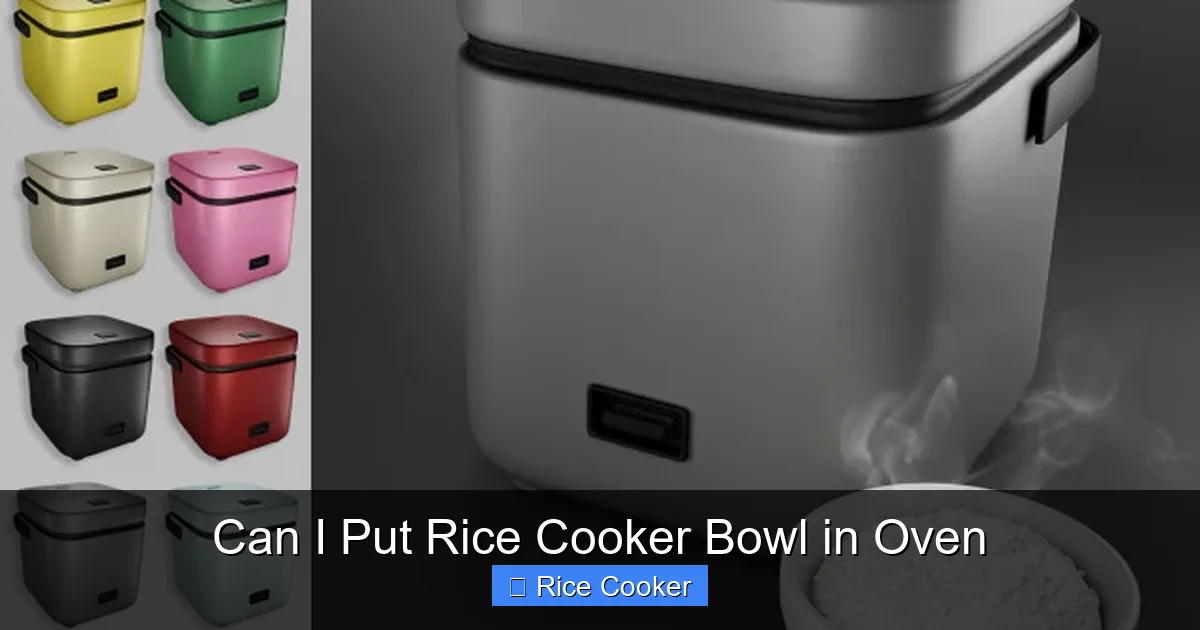
Can you put a rice cooker bowl in the oven? Generally, no—most rice cooker bowls are made of plastic or non-stick coatings that can melt or release harmful fumes when heated. Only certain stainless steel or oven-safe models may be safe for low-heat tasks. Always check your manual and look for official labels before attempting this.
Key Takeaways
- Rice cooker bowls are usually not oven-safe: Most bowls are made from materials like plastic, aluminum with non-stick coating, or thin-gauge metal that cannot withstand high oven temperatures.
- Check the manufacturer’s guidelines: The safest approach is to consult your rice cooker’s user manual or contact customer support for specific instructions.
- Some premium models may be oven-safe: High-end rice cookers with stainless steel inner pots or labeled “oven-safe” components might handle low-temperature baking (under 300°F/150°C).
- Risks include melting, warping, or chemical leaching: Plastics and coatings can degrade at high heat, potentially damaging both the bowl and your oven.
- Use alternatives for oven tasks: Transfer food to oven-safe dishes like glass, ceramic, or stainless steel containers instead of risking your rice cooker bowl.
- Inspect for damage before use: Even if labeled oven-safe, cracks, discoloration, or warping could indicate compromised safety.
- Never exceed recommended temperatures: If using an oven-safe bowl, stay below 300°F (150°C) and avoid broiling or direct flame exposure.
📑 Table of Contents
- Understanding Your Rice Cooker Bowl: Materials and Design
- When Might a Rice Cooker Bowl Be Safe in the Oven?
- Potential Dangers of Using a Rice Cooker Bowl in the Oven
- What to Do Instead: Safe Alternatives for Oven Tasks
- How to Identify Oven-Safe Kitchenware
- Expert Tips for Extending the Life of Your Rice Cooker
- Conclusion: Play It Safe with Your Rice Cooker Bowl
Understanding Your Rice Cooker Bowl: Materials and Design
When you first unbox your rice cooker, you’re likely drawn to its sleek, modern design and the convenience of having everything built-in. But have you ever wondered what exactly makes up that inner bowl? Understanding the materials used in your rice cooker bowl is crucial—especially if you’re considering repurposing it for other kitchen tasks like baking or reheating.
Most standard rice cooker bowls are constructed from either aluminum or stainless steel, often coated with a non-stick layer such as PTFE (commonly known as Teflon). These materials were chosen for their ability to distribute heat evenly during cooking, prevent sticking, and make cleanup a breeze. However, while these features make them ideal for steaming rice or simmering soups, they come with limitations when exposed to high temperatures—like those found in ovens.
The outer shell of most rice cookers is typically made from plastic or composite materials designed to insulate against heat while remaining lightweight and durable. This means that even if the inner bowl were somehow oven-safe (which is rare), the surrounding plastic housing would likely melt or deform well before any cooking could begin.
Common Materials Found in Rice Cooker Bowls
Let’s break down the typical construction of a rice cooker bowl so you know exactly what you’re working with:
- Aluminum Base: Lightweight and excellent conductor of heat, aluminum forms the core of many affordable rice cookers. It helps ensure consistent heating but can react with acidic foods over time.
- Non-Stick Coating: Applied over the aluminum, this layer prevents food from sticking. Common types include PTFE (Teflon) and ceramic coatings. While great for easy cleaning, both degrade above certain temperatures—usually around 400–500°F (204–260°C), depending on the brand.
- Stainless Steel Models: Higher-end rice cookers sometimes feature fully stainless steel inner pots without additional coatings. These are more durable and resistant to scratching but still not inherently oven-safe unless explicitly stated by the manufacturer.
If your rice cooker has a removable bowl, take a close look at the edges and bottom. Are there any labels indicating “oven-safe,” “heat-resistant,” or certifications like “FDA approved”? If not, assume caution is required.
Why Rice Cookers Aren’t Built for Oven Use
Rice cookers are engineered for one primary function: cooking grains, vegetables, stews, and more using precise temperature control and steam generation. They rely on a thermostat to maintain a steady internal temperature—typically between 185–212°F (85–100°C)—which is far below what an oven operates at during baking or roasting.
Ovens commonly reach temperatures between 350–450°F (175–230°C), and some specialty modes like broil can exceed 500°F (260°C). When you place a rice cooker bowl into such environments, several things can go wrong:
- The non-stick coating may begin to break down, releasing toxic fumes.
- The aluminum base could warp due to uneven thermal expansion.
- Plastic components near the bowl (even indirectly) might soften or melt.
Even if the bowl itself doesn’t immediately fail, prolonged exposure to high heat can compromise its structural integrity, leading to cracks or leaks in future uses—not just in the oven, but back in the rice cooker where it belongs.
When Might a Rice Cooker Bowl Be Safe in the Oven?
While the general rule is “don’t do it,” there are exceptions worth exploring—especially if you own a premium model or need a quick solution for small-scale baking.
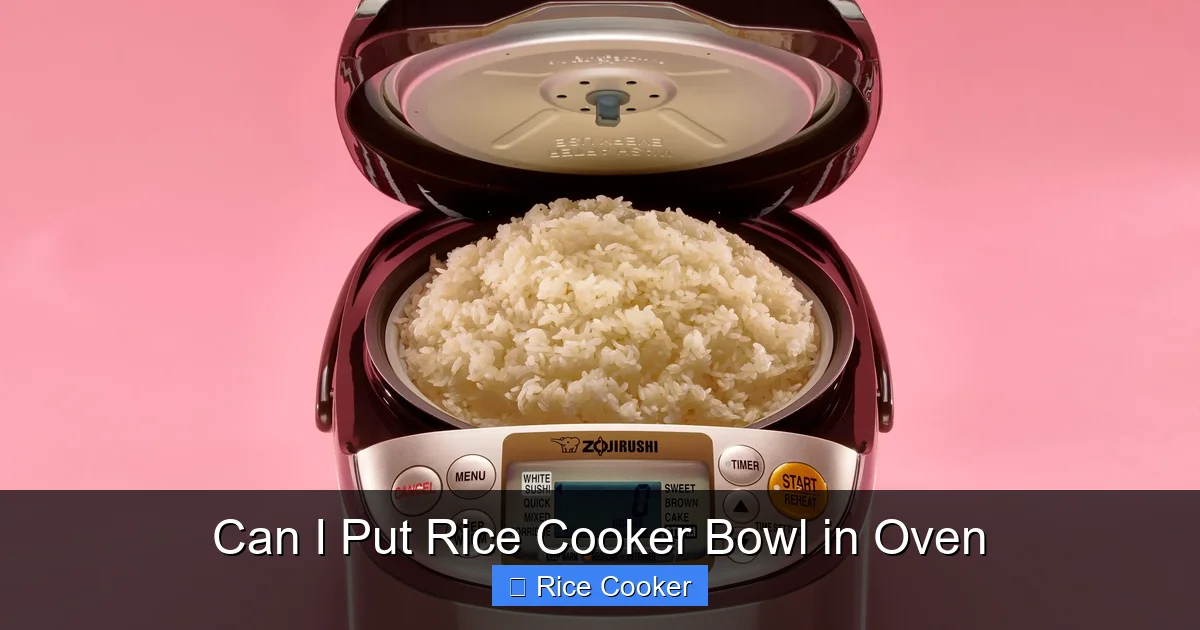
Visual guide about Can I Put Rice Cooker Bowl in Oven
Image source: pyxis.nymag.com
High-End Stainless Steel Models
Some luxury rice cookers, particularly Japanese brands like Zojirushi or Tiger, offer fully stainless steel inner pots that are marketed as multi-functional. These units may come with documentation stating that the inner pot is oven-safe up to a certain temperature—often around 300°F (150°C).
In such cases, you might safely use the bowl for gentle tasks like warming custards, melting chocolate, or keeping casseroles warm. However, always verify this information directly with the manufacturer, as assumptions can lead to costly mistakes.
Low-Temperature Applications Only
If you absolutely must use your rice cooker bowl in the oven, limit usage to low-heat scenarios. Think slow-cooked desserts, proofing bread dough, or reheating pre-cooked meals. Never attempt anything requiring direct high heat—such as searing, grilling, or broiling.
Additionally, never place the bowl on a hot surface like a stovetop burner or grill. Sudden temperature changes can cause warping or cracking, even in oven-safe metals.
Signs Your Bowl Might Be Oven-Safe
How can you tell if your rice cooker bowl is safe for oven use? Look for these indicators:
- Clear labeling: “Oven-safe up to 300°F” or similar wording on the packaging or bowl itself.
- Thick, heavy-duty construction: Sturdy stainless steel with no visible seams or weak points.
- No plastic handles or lids: If the bowl includes attached handles made of plastic, avoid oven use entirely.
- Certifications: Marks like NSF International or FDA compliance suggest food-safe materials.
When in doubt, err on the side of caution. A $20 bowl isn’t worth risking your health or oven performance.
Potential Dangers of Using a Rice Cooker Bowl in the Oven
Even if your bowl seems sturdy, putting it in the oven carries real risks. Let’s examine what could go wrong—and why prevention matters.
Melting Plastic Components
Many rice cooker bowls sit inside a plastic outer shell or have molded handles and lids. Even if you remove the bowl from its base, residual plastic parts near the rim or handle may still be present. When heated beyond 200–250°F (93–121°C), these plastics can soften, warp, or even melt onto the oven floor.
This isn’t just messy—it’s hazardous. Smoldering plastic releases acrolein and benzene, both of which are toxic and flammable. Cleaning such residues from your oven requires professional attention and specialized cleaners.
Degradation of Non-Stick Coatings
Non-stick coatings, especially PTFE, begin to decompose around 400°F (204°C). At this point, they release perfluorooctanoic acid (PFOA) and other volatile organic compounds (VOCs). Ingesting even small amounts of these chemicals can lead to flu-like symptoms (known as “polymer fume fever”), and long-term exposure is linked to reproductive and developmental issues.
Even if you don’t inhale the fumes directly, residue can settle on nearby dishes, countertops, or food surfaces. Once ingested, these chemicals pose serious health risks.
Warping and Structural Failure
Aluminum expands when heated. Rapid or uneven heating in an oven can cause the thin walls of a rice cooker bowl to buckle, twist, or develop stress fractures. These deformations may seem minor at first but can compromise sealing, increase reaction with acidic foods, and shorten the lifespan of your appliance.
Worse yet, if the bowl cracks open during baking, you risk contaminating your food with metal shards or burnt plastic fragments.
Voiding Your Warranty
Manufacturers rarely cover damages caused by misuse—including placing non-designated parts in ovens. If your rice cooker breaks because you used its bowl for baking brownies, you’ll likely pay full price for a replacement out of pocket.
Always read warranty terms carefully. Most exclude “abuse,” “improper use,” or “use outside intended purpose.”
What to Do Instead: Safe Alternatives for Oven Tasks
Rather than risking your rice cooker bowl, consider these practical alternatives for common kitchen needs:
Glass or Ceramic Baking Dishes
These are ideal for casseroles, lasagnas, baked pasta dishes, and desserts. They’re oven-safe, microwave-friendly, and easy to clean. Look for tempered glass or glazed ceramic marked “oven-safe up to 500°F” for maximum flexibility.
Stainless Steel Casserole Pans
Heavy-duty stainless steel pans distribute heat evenly and are compatible with most oven ranges. They’re also induction-compatible and dishwasher-safe. Brands like Calphalon, All-Clad, and Cuisinart offer durable options.
Silicone Mold Trays
For muffins, cupcakes, or portioned desserts, silicone molds are flexible, non-stick, and often labeled oven-safe up to 425–450°F. Just ensure they’re free of BPA and phthalates.
Transfer Food Gradually
If you’re already using your rice cooker bowl for cooking (e.g., making risotto), transfer the contents to an oven-safe dish before placing it in the oven. This two-step process protects your original bowl while achieving the desired result.
Invest in Multi-Functional Cookware
Consider purchasing a dedicated oven-to-table set that doubles as both cooking vessels and serving dishes. Many modern designs combine the convenience of rice cookers with the versatility of baking trays.
How to Identify Oven-Safe Kitchenware
Learning how to spot truly oven-safe items will save you time, money, and potential headaches. Here’s what to look for:
Look for Official Markings
Trusted manufacturers clearly label their products. Phrases like “Oven Safe Up To ___°F,” “Heat Resistant,” or “Safe For Oven Use” should appear on packaging or product descriptions. Cross-check these claims with independent reviews or consumer reports.
Check Material Composition
Common oven-safe materials include:
- Tempered glass
- Ceramics (glazed or stoneware)
- Stainless steel (thick gauge)
- Porcelain (lead-free)
- Cast iron (with enamel coating preferred)
Avoid plastics (except silicone rated for high heat), thin aluminum, or any item with glued joints or rubberized grips unless specifically rated for oven use.
Test Small Samples (If Possible)
Before committing to a large purchase, test smaller versions of kitchenware in your oven at low temperatures. Observe for warping, discoloration, or smoke after 10–15 minutes. If nothing happens, proceed with confidence.
Beware of Misleading Claims
Some products advertise “microwave-safe” but omit oven ratings. Others claim “heat-resistant” without specifying temperature thresholds. Always ask: “At what temperature does this become unsafe?”
Expert Tips for Extending the Life of Your Rice Cooker
Instead of repurposing your rice cooker bowl, focus on proper care to maximize its lifespan and performance.
Clean Gently After Each Use
Hand-wash your bowl with mild soap and warm water. Avoid abrasive sponges or harsh detergents that can scratch non-stick surfaces. Dry thoroughly before reinserting into the cooker.
Store Properly
Keep the bowl separate from the heating element when storing. Stack gently if multiple bowls exist, but never place heavy items on top that could dent the interior.
Avoid Extreme Temperature Swings
Never pour boiling water into a cold bowl or vice versa. Sudden shifts cause thermal shock, leading to cracks or delamination of coatings.
Use Recommended Accessories
Only use utensils and measuring cups approved by the manufacturer. Cheap wooden spoons or metal forks can damage coatings or scratch sensors.
Schedule Annual Maintenance
Once a year, inspect your rice cooker for wear and tear—especially the sealing ring, lid latch, and heating plate. Replace worn parts promptly to maintain efficiency.
Conclusion: Play It Safe with Your Rice Cooker Bowl
So, can you put a rice cooker bowl in the oven? The short answer is: only if it’s explicitly labeled as oven-safe and you follow strict temperature guidelines. For the vast majority of users, however, the safest path is to treat the bowl as single-purpose equipment—designed solely for rice, grains, and slow cooking within the confines of the rice cooker itself.
Attempting to use your rice cooker bowl in the oven introduces unnecessary risks: melted plastics, toxic fumes, structural damage, and voided warranties. Instead, invest in proper oven-safe cookware for baking, roasting, and reheating tasks. Your kitchen will thank you, and your peace of mind—along with your health—will remain intact.
Remember: just because something looks like it *could* work in the oven doesn’t mean it’s safe. When it comes to kitchen safety, better to wait a moment than regret a lifetime.
Frequently Asked Questions
Is it safe to put my rice cooker bowl in the oven?
Generally, no—most rice cooker bowls are made of plastic, thin aluminum, or non-stick coatings that can melt or release harmful fumes at oven temperatures. Only select stainless steel models labeled “oven-safe” may be suitable for low-heat tasks under 300°F (150°C).
Can I bake cookies in my rice cooker bowl?
Not recommended. Rice cooker bowls lack the depth, heat distribution, and insulation needed for proper baking. Use dedicated baking sheets or muffin tins instead to ensure even cooking and avoid material degradation.
What temperature is too hot for a rice cooker bowl?
For most bowls, anything above 250–300°F (121–149°C) poses significant risk. Non-stick coatings begin breaking down around 400°F (204°C), and plastics soften or melt below 200°F (93°C), depending on the type.
How can I tell if my rice cooker bowl is oven-safe?
Check for official markings like “Oven Safe,” “Heat Resistant,” or temperature limits printed on the bowl or packaging. Consult the user manual or contact the manufacturer directly for confirmation.
What should I do if my rice cooker bowl starts smoking in the oven?
Immediately turn off the oven and open windows to ventilate the area. Do not touch the bowl until it cools completely. Discard any food and inspect the bowl for damage. Never reuse a bowl that has smoked or released fumes.
Are there any rice cookers designed for oven use?
Some high-end models (e.g., Zojirushi Neuro Fuzzy or Tiger INK series) feature stainless steel inner pots rated for low-temperature oven use. Always verify specifications before attempting any oven-related tasks.