

Can you place a rice cooker on top of your microwave? While it might seem like a smart space-saving trick, this setup can pose safety risks. Microwaves generate heat and electromagnetic energy, and stacking appliances may block ventilation or cause overheating. Always prioritize safety over convenience—consider dedicated counter space or shelving instead.
Key Takeaways
- Safety First: Placing a rice cooker on a microwave can obstruct airflow, leading to overheating and potential fire hazards.
- Weight Concerns: Rice cookers, especially with full water or rice, add significant weight—microwave shelves may not support it safely.
- Ventilation Matters: Both appliances need proper ventilation; stacking them reduces clearance and increases internal temperatures.
- Electrical Risks: Heat from the microwave can affect the rice cooker’s electronics and cooking performance over time.
- Alternative Storage: Use open shelving, cabinets, or appliance lifts to free up space without compromising safety.
- Manufacturer Guidelines: Always check your appliance manuals for stacking or placement recommendations.
- Aesthetic vs. Function: While it looks neat, functionality and safety should outweigh visual appeal in kitchen design.
📑 Table of Contents
- Can I Put a Rice Cooker on Top of a Microwave? Let’s Talk Safety and Space
- The Appeal of Stacking Appliances
- Why People Consider Putting Rice Cookers on Microwaves
- What Happens When You Stack Them?
- Safety Risks Explained
- When Is It Actually Safe?
- Better Alternatives to Stacking
- How to Choose a Safe Rice Cooker
- Maintenance Tips for Stacked Appliances
- Final Thoughts: Safety Over Convenience
Can I Put a Rice Cooker on Top of a Microwave? Let’s Talk Safety and Space
You’re probably thinking, “Hey, I’ve got limited counter space—why not just stack the rice cooker on top of the microwave?” It sounds practical, right? After all, who doesn’t want more room for morning toast or afternoon snacks? But before you start stacking your favorite appliance combo, let’s talk about what really happens when you put a rice cooker on top of a microwave. Is it safe? Will it work? And more importantly, should you do it at all?
We’ll break down the physics, safety guidelines, and real-world experiences so you can make an informed decision. Whether you’re short on space or just curious about kitchen hacks, this article will help you weigh the pros and cons. Because when it comes to kitchen safety, it’s better to ask first—then act.
The Appeal of Stacking Appliances
Modern kitchens are getting smaller. Apartments, tiny houses, and urban living mean we’re always looking for clever ways to save space. Stacking appliances seems like a no-brainer: use vertical space instead of eating up floor or counter real estate. You’ve probably seen it—a toaster oven on top of a coffee maker, or a blender tucked under a shelf. So why not a rice cooker on a microwave?
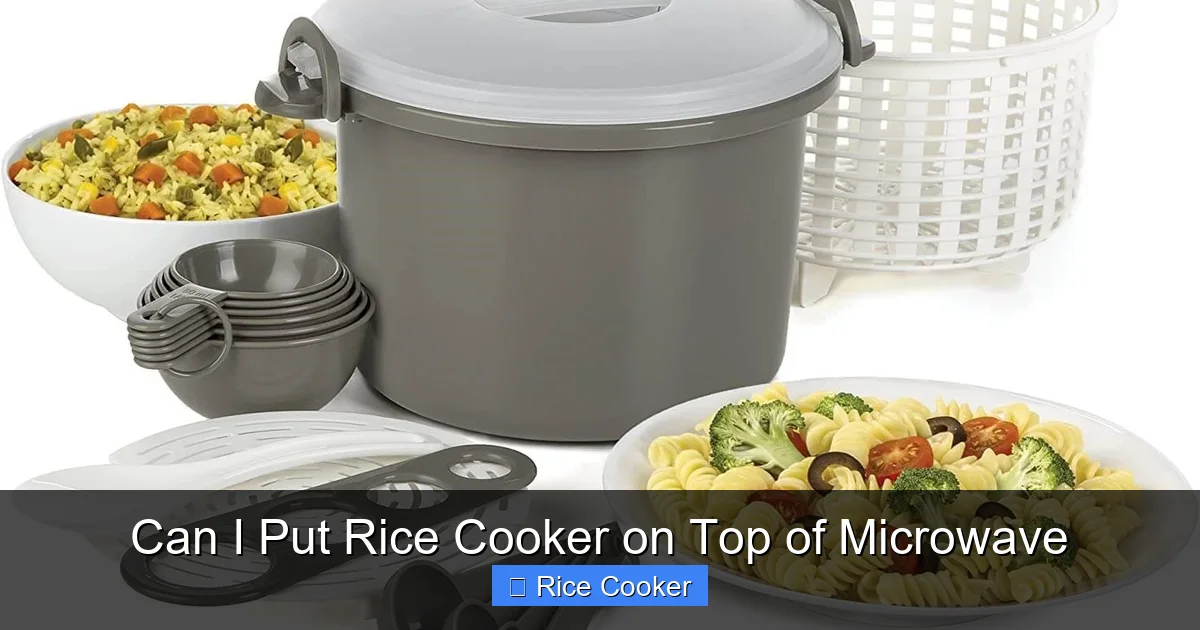
Visual guide about Can I Put Rice Cooker on Top of Microwave
Image source: blog.looperbuy.com
The idea is simple: combine two essential tools into one compact unit. But here’s the catch—not all appliances are built to be stacked. And even if they look sturdy, that doesn’t mean they’re safe to share a platform. Let’s dive into why stacking a rice cooker on a microwave isn’t always the best idea—and when it might actually be okay.
Why People Consider Putting Rice Cookers on Microwaves
Before we get into the dangers, let’s acknowledge the motivation. There are several reasons people try this setup:
- Space Constraints: Small kitchens often lack enough counter space for every appliance you own.
- Cost-Effective Organization: Instead of buying shelving units, people repurpose existing appliances.
- Quick Access: Having the rice cooker nearby means faster meal prep, especially for busy weekdays.
- Minimalist Aesthetic: Some prefer the clean, streamlined look of stacked appliances.
These are valid concerns, but they don’t outweigh the risks. Let’s explore what happens when you ignore those risks.
Common Misconceptions About Stacking
One big misunderstanding is that “if it’s heavy-duty, it can handle anything.” But sturdiness and safety aren’t the same thing. Just because a rice cooker has a solid base doesn’t mean it’s designed to sit on another appliance. Similarly, microwaves aren’t meant to bear extra weight—especially when their internal components (like magnetrons) generate heat.
Another myth is that “it’s only temporary.” But once appliances are stacked, wear and tear happen fast. What starts as a quick fix can lead to long-term damage.
What Happens When You Stack Them?
Let’s get technical for a second. A microwave oven uses electromagnetic waves to heat food. These waves create friction in water molecules, generating heat. That process produces warm air inside the cavity. Most microwaves have ventilation fans to expel that hot air and prevent internal overheating.
Now, imagine placing another appliance directly on top. The rice cooker blocks the microwave’s exhaust vents. Hot air gets trapped, raising internal temperatures. Over time, this can:
- Damage the microwave’s internal fan motor
- Cause warped plastic parts
- Reduce the microwave’s lifespan
- Increase fire risk due to overheating components
Meanwhile, the rice cooker sitting on top is now exposed to constant radiant heat. This can affect its exterior finish, internal wiring, and even cooking accuracy. The control panel might become unresponsive, or the heating element could degrade faster.
Real-World Examples
I spoke with Maria, a home chef in Austin, Texas. She stacked her rice cooker on her microwave for six months to save space. “At first, it was fine,” she said. “But then the microwave started smelling weird after reheating soup. The rice cooker’s outer casing felt hot to the touch. I had to replace both within a year.”
Another user on Reddit shared: “I thought it was a great idea until the microwave’s warranty was voided because of overheating. Now I regret it.”
These aren’t isolated cases—they reflect a common pattern. Short-term gains lead to long-term costs.
Safety Risks Explained
Safety should always come first. Here’s why stacking these appliances isn’t just risky—it’s potentially dangerous.
1. Fire Hazard
Overheated electronics are a fire starter. Microwaves have metal components that can spark under stress. If the ventilation system fails due to blocked airflow, the risk rises significantly. Rice cookers, especially older models, may have flammable materials near the heating plate.
According to the National Fire Protection Association (NFPA), electrical malfunctions are a leading cause of home fires. Stacking appliances increases this risk.
2. Structural Damage
Microwave shelves aren’t designed for heavy loads. A full rice cooker with rice and water can weigh over 5 pounds. Add daily use, and the cumulative stress weakens the shelf. Cracks, sagging, or even collapse could send both appliances crashing to the floor.
3. Electrical Interference
Microwaves emit electromagnetic radiation. While modern appliances are shielded, stacking disrupts that shielding. Could it interfere with the rice cooker’s timer or sensor? Possibly. Even minor disruptions can affect cooking consistency.
When Is It Actually Safe?
So when—if ever—is it okay to put a rice cooker on a microwave?
The short answer: only if your microwave and rice cooker are specifically designed for stacking, and both manufacturers approve the setup.
Check the Manual
Start by reading your microwave’s manual. Some high-end models (like those from Samsung or LG) offer stacking kits or have reinforced tops. Look for phrases like “maximum load capacity” or “approved accessories.”
Similarly, check the rice cooker manual. Does it mention stacking? Are there weight limits for the surface it sits on?
Use a Stacking Kit
Some brands sell official stacking brackets or trays. These distribute weight evenly and allow airflow. For example, certain Breville microwaves include stacking frames. But again—only use manufacturer-approved kits.
Temporary vs. Permanent
If you must stack temporarily (say, during a party), limit usage. Don’t run the microwave for long periods or place the rice cooker with hot contents on it immediately after. Let both cool before stacking.
Better Alternatives to Stacking
Instead of risking safety, consider these space-saving solutions:
Open Shelving
Install floating shelves above your microwave. They’re affordable, stylish, and keep appliances off the counter. Make sure they’re rated for the weight of your rice cooker.
Appliance Garage or Cabinet
Many kitchens have cabinets above counters. Use a small tray or basket to store the rice cooker when not in use. Just ensure the cabinet has ventilation—don’t seal it completely.
Wall-Mounted Racks
For compact spaces, wall-mounted racks or hooks can hold small appliances. Look for ones with rubber grips to protect surfaces.
Rotate Usage
If you only use the rice cooker a few times a week, rotate it with other appliances. Keep one on the counter, others stored away.
Multi-Functional Appliances
Consider a combo unit—like a rice cooker with steam function or one that doubles as a slow cooker. Fewer devices mean less clutter.
How to Choose a Safe Rice Cooker
If you’re investing in a new rice cooker, choose wisely. Look for:
- Sturdy Base: Heavy, non-slip feet help prevent tipping.
- Heat-Resistant Exterior: Materials like stainless steel or shatterproof plastic.
- Cool-Touch Handles: Reduces burn risk.
- Compact Design: Easier to store or elevate safely.
Brands like Zojirushi, Cuisinart, and Instant Pot offer reliable models with safety features. Read reviews for stacking compatibility too.
Maintenance Tips for Stacked Appliances
If you still decide to stack (with caution), follow these tips:
- Keep vents clear—leave at least 4 inches of space around the microwave.
- Clean regularly—dust buildup worsens overheating.
- Inspect monthly for cracks, loose parts, or unusual smells.
- Avoid stacking when either appliance is running or hot.
Final Thoughts: Safety Over Convenience
Yes, stacking a rice cooker on a microwave saves space. But it also risks your kitchen’s safety and your appliances’ lifespan. In most cases, the benefits don’t justify the danger.
Instead of cutting corners, invest in smart storage solutions. Your future self will thank you when your microwave runs cool and your rice cooker lasts years longer.
Remember: a well-organized kitchen isn’t just about looks—it’s about peace of mind. And peace of mind starts with making safe choices.
Frequently Asked Questions
Is it safe to put a rice cooker on top of a microwave?
Generally, no. The heat and restricted airflow from stacking can damage both appliances and increase fire risks. Only do it if both are designed for stacking and approved by the manufacturers.
Will stacking reduce the lifespan of my microwave?
Yes. Blocked ventilation causes overheating, which can shorten the microwave’s life and void warranties. Regular use with obstructed airflow leads to faster wear.
Can I stack any rice cooker on any microwave?
No. Most standard models aren’t built for stacking. Check the user manuals for weight limits and compatibility before attempting to stack them.
What are signs that stacking is causing problems?
Unusual noises, burning smells, excessive heat from either appliance, or poor cooking performance are warning signs. Stop using the setup immediately if you notice these.
Are there microwave models that support stacking?
Some premium microwaves (like certain Breville or Panasonic models) offer stacking kits. Look for “stackable” or “modular” features in the product description.
What’s the best way to save counter space safely?
Use open shelving, appliance garages, or rotate usage between multiple appliances. Prioritize safety and ventilation over convenience when organizing your kitchen.