

Putting a rice cooker pot in the microwave is risky and often unsafe. Most rice cooker pots are made of materials like aluminum or non-stick coatings that can melt, warp, or release harmful fumes. To stay safe, always check the manufacturer’s guidelines and avoid microwaving unless explicitly approved.
Key Takeaways
- Material Matters: Rice cooker pots are typically made from aluminum or non-stick materials, both of which can be dangerous in the microwave due to melting or toxic fume release.
- Safety First: Microwaving unauthorized cookware can cause fires, damage your appliance, or create health hazards from chemical exposure.
- Check Labels: Look for “microwave-safe” symbols or labels on the pot before attempting to use it in the microwave.
- Alternatives Exist: Use microwave-safe glass or ceramic containers instead of rice cooker pots to reheat food safely.
- Manufacturer Guidelines: Always refer to the user manual for specific instructions on whether your rice cooker pot can be used in the microwave.
- Prevent Damage: Even if your pot seems fine, repeated microwave use can degrade non-stick coatings or warp metal components over time.
📑 Table of Contents
- Can I Put a Rice Cooker Pot in the Microwave? A Complete Guide to Safety and Alternatives
- Understanding Rice Cooker Pots: Design and Materials
- Why You Shouldn’t Microwave Rice Cooker Pots (Usually)
- When Is It Safe to Microwave a Rice Cooker Pot?
- Safer Alternatives to Using Rice Cooker Pots in the Microwave
- How to Test if Your Pot Is Microwave-Safe (At Home)
- What to Do If You Accidentally Microwaved a Rice Cooker Pot
- Tips for Reheating Rice and Other Grains Safely in the Microwave
- Final Thoughts: Safety Over Convenience
Can I Put a Rice Cooker Pot in the Microwave? A Complete Guide to Safety and Alternatives
If you’re someone who loves cooking at home but sometimes finds themselves in a pinch—say, needing to reheat leftover rice or cook a quick meal without a stove—you might wonder: Can I put my rice cooker pot in the microwave? It sounds convenient, right? After all, the pot is already part of your kitchen setup, so why not reuse it?
But here’s the thing: just because a pot is designed for a rice cooker doesn’t mean it’s safe for microwave use. In fact, doing so could lead to serious problems—from melted handles to dangerous fumes. So let’s dive deep into what makes rice cooker pots unique, why they might not belong in the microwave, and what safer alternatives you can use instead.
Understanding Rice Cooker Pots: Design and Materials
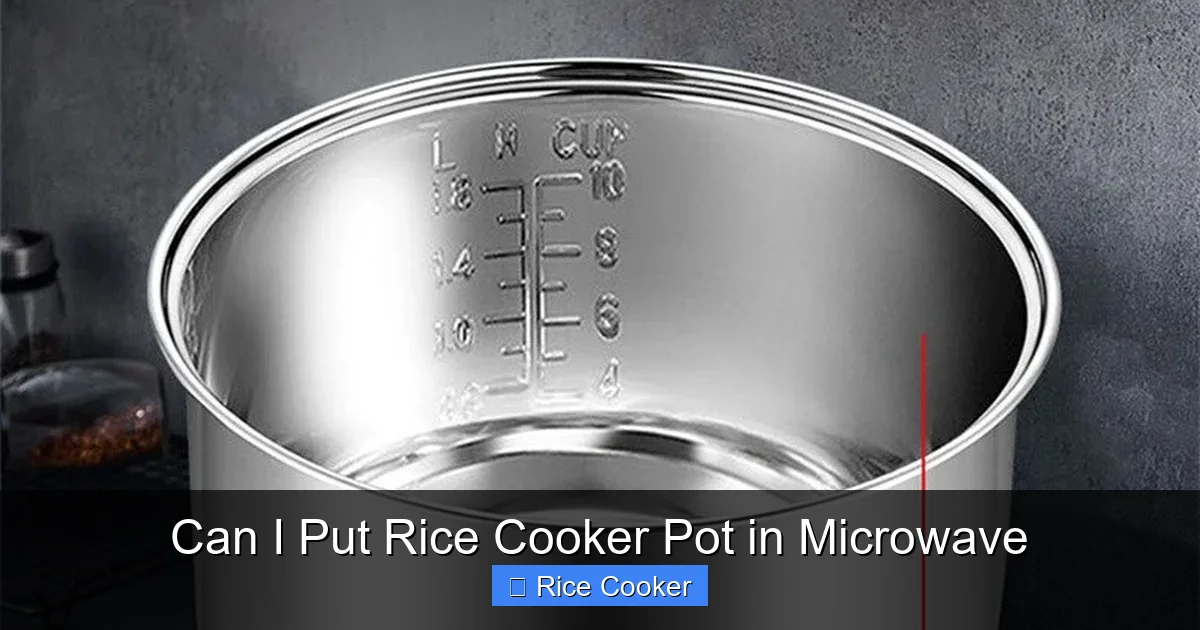
Rice cooker pots are specially crafted to work with electric rice cookers, which rely on precise temperature control and often use induction heating or conduction methods. These pots are built to distribute heat evenly and withstand high temperatures over long periods. But their design isn’t always compatible with microwave technology.
Visual guide about Can I Put Rice Cooker Pot in Microwave
Image source: images.nexusapp.co
Common Materials Used in Rice Cooker Pots
Most rice cooker pots are made from one of several materials, each with its own set of properties and limitations when exposed to microwave radiation:
- Aluminum: Lightweight, heats up quickly, and conducts heat well. However, aluminum reflects microwaves rather than absorbing them, which can create hot spots and sparking inside the microwave.
- Stainless Steel: Durable and resistant to corrosion, but also reflects microwaves. Using stainless steel in the microwave can cause arcing (sparks), potentially damaging your appliance or starting a fire.
- Non-Stick Coatings: Commonly applied to inner surfaces for easy cleaning. Many non-stick coatings (like PTFE or Teflon) begin to break down at temperatures above 260°C (500°F). When heated in a microwave, these coatings can release toxic fumes, especially if scratched or damaged.
- Ceramic or Glass Lining: Some premium rice cookers use ceramic or glass interiors. These are generally safer in the microwave, but only if labeled as such by the manufacturer.
So even though your rice cooker pot may look sturdy and familiar, its internal and external materials might not be microwave-friendly.
Why You Shouldn’t Microwave Rice Cooker Pots (Usually)
Let’s get straight to the point: you shouldn’t put a standard rice cooker pot in the microwave unless it’s specifically labeled as microwave-safe. Here’s why.
Risk #1: Melting and Warping
Many rice cooker pots have plastic or silicone components—such as lids, handles, or sealing rings—that aren’t designed to handle microwave energy. These parts can soften, melt, or warp when exposed to heat, releasing chemicals into your food and creating a mess inside your microwave.
For example, if your rice cooker pot has a silicone gasket around the lid, microwaving it could cause the seal to deform. Not only will this ruin the fit, but the softened silicone might stick to the microwave tray or food, making cleanup difficult and potentially contaminating future meals.
Risk #2: Toxic Fumes from Non-Stick Surfaces
This is one of the most serious concerns. When non-stick coatings are heated beyond their safe threshold in a microwave, they can decompose and release perfluorooctanoic acid (PFOA) and other volatile organic compounds (VOCs). These fumes are not only unpleasant but can also be harmful if inhaled repeatedly.
Even if your pot looks fine, micro-scratches from regular use can expose underlying layers of toxic coating. Once those layers heat up in the microwave, they begin to off-gas.
Risk #3: Sparking and Electrical Arcing
Metal—especially thin or sharp-edged metal like aluminum foil or stainless steel—does not belong in the microwave. When microwaves hit metal, they reflect off the surface, creating electrical arcs (sparking). This can damage the magnetron (the part that generates microwaves), void your warranty, or worse, start a fire.
While some modern microwaves have safety features to shut off in case of sparking, it’s still best to avoid risk altogether by never placing metal objects inside.
When Is It Safe to Microwave a Rice Cooker Pot?
There are rare exceptions where microwaving a rice cooker pot might be acceptable—but only under strict conditions.
Case Study: Ceramic-Lined Rice Cooker Pots
Some high-end rice cookers feature ceramic inner pots. Ceramic is generally microwave-safe because it absorbs microwaves slowly and evenly. If your rice cooker pot is made entirely of ceramic—with no metal or plastic components—it may be safe to use in the microwave.
However, you must still exercise caution. Check the manufacturer’s website or user manual for confirmation. Even then, limit usage to short durations and avoid covering the pot completely, as trapped steam can build pressure and crack the ceramic.
Look for the Microwave-Safe Symbol
Always search for the international microwave-safe symbol—a stylized square or circle with wavy lines inside—on the bottom of the pot or lid. This indicates that the item has been tested and approved for microwave use.
If you see this symbol, proceed carefully. Still, note that some manufacturers only approve partial use—for instance, using the pot without the lid, or limiting heating time to under two minutes.
Safer Alternatives to Using Rice Cooker Pots in the Microwave
If your rice cooker pot isn’t microwave-safe, don’t panic. There are plenty of safe and effective alternatives for reheating rice, cooking grains, or preparing small meals in the microwave.
Microwave-Safe Glass Containers
Glass is one of the safest materials for microwave use. Opt for containers labeled “microwave-safe” and made of borosilicate glass, which resists thermal shock. Brands like Pyrex offer wide-mouth bowls perfect for reheating rice or steaming vegetables.
Tip: Use a vented lid or leave a small opening to allow steam to escape and prevent pressure buildup.
Microwave-Safe Plastic Containers
Many food storage containers are BPA-free and microwave-safe. Look for labels indicating compatibility with microwave use. These are great for portioned meals or overnight oats.
Avoid any plastic container that feels warm after microwaving, as this suggests it’s beginning to degrade.
Microwave-Safe Ceramic Bowls
Just like glass, ceramic bowls are excellent for microwave cooking—as long as they don’t have metallic trim or glazes containing lead. Plain white or unglazed ceramics are usually safe, but always check packaging or manufacturer info.
Use a Paper Plate or Microwave Cover
For quick reheats, transfer a small amount of rice to a microwave-safe plate lined with a paper towel. The paper absorbs excess moisture and prevents splatters. You can also cover the dish with a microwave-safe lid or wax paper to contain steam.
How to Test if Your Pot Is Microwave-Safe (At Home)
Curious whether your rice cooker pot might work in the microwave? Try this simple test—but remember, this is not foolproof and should only be done once.
- Remove all plastic or rubber parts (lid, gasket, etc.).
- Place the empty pot in the microwave for 30 seconds on low power.
- Feel the sides and bottom. If it gets hot quickly or warps, it’s likely not microwave-safe.
- If it remains cool or only slightly warm, it might be okay—but proceed with extreme caution.
⚠️ Warning: This test does not account for hidden metals or toxic coatings. When in doubt, don’t risk it.
What to Do If You Accidentally Microwaved a Rice Cooker Pot
Mistakes happen. If you’ve already placed a non-microwave-safe rice cooker pot in the microwave, take these steps immediately:
- Unplug the microwave and let it cool completely before opening the door.
- Do not inhale fumes—open windows and ventilate the area.
- Inspect the pot for signs of melting, bubbling, or discoloration.
- If fumes were released, clean the interior of the microwave thoroughly with vinegar and water to neutralize odors.
- Dispose of the damaged pot if the coating is compromised or if there’s visible warping.
Never reuse a pot that has been microwaved without proper certification—it’s simply not worth the risk.
Tips for Reheating Rice and Other Grains Safely in the Microwave
Whether you’re using a proper microwave-safe container or creatively repurposing kitchen items, here are some best practices for reheating rice and grains:
- Add moisture: Sprinkle a tablespoon of water over cold rice before microwaving to restore softness.
- Cover loosely: Use a damp paper towel or vented lid to trap steam without trapping too much heat.
- Stir halfway through: This ensures even heating and prevents hot spots.
- Test temperature: Let the rice sit for 1–2 minutes after microwaving to distribute heat evenly.
Following these steps will give you restaurant-quality reheated rice every time—without risking your health or appliances.
Final Thoughts: Safety Over Convenience
While it might seem easier to toss your rice cooker pot into the microwave for a quick fix, the potential dangers far outweigh the convenience. From melting plastics to toxic emissions and appliance damage, the risks are real and serious.
The bottom line? Unless your rice cooker pot is explicitly labeled as microwave-safe, keep it out of the microwave. Invest in proper microwave-safe containers, follow manufacturer guidelines, and prioritize safety over speed.
Your kitchen appliances—and your health—will thank you.
Frequently Asked Questions
Is it safe to put an aluminum rice cooker pot in the microwave?
No, aluminum reflects microwaves and can cause sparking or arcing, which may damage your microwave or start a fire. Avoid using aluminum pots in the microwave.
Can I microwave a rice cooker pot with a non-stick coating?
Generally, no. Non-stick coatings can break down at high temperatures and release harmful fumes. Only use if the pot is certified microwave-safe and undamaged.
What happens if I microwave a rice cooker pot by accident?
You might experience melting, warping, or toxic fume release. Immediately unplug the microwave, ventilate the area, and inspect for damage. Clean thoroughly and dispose of damaged pots.
Are there any rice cooker pots that are microwave-safe?
Yes, some ceramic or glass-lined rice cooker pots may be microwave-safe if labeled as such by the manufacturer. Always verify with documentation or contact customer support.
How can I tell if a container is microwave-safe?
Look for the microwave-safe symbol (wavy lines inside a square or circle) on the bottom. Also, check the product manual or packaging for compatibility information.
What’s the best way to reheat rice in the microwave?
Use a microwave-safe glass or ceramic bowl, add a splash of water, cover loosely, and heat in short intervals while stirring. Let it rest before serving for best results.