
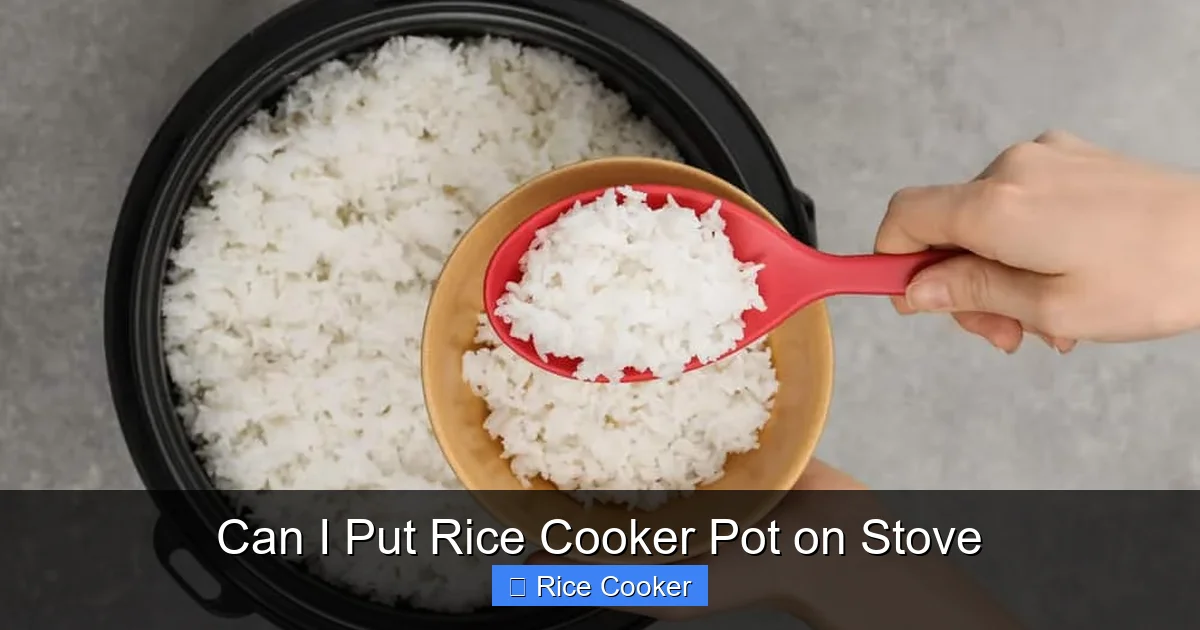
Can you put a rice cooker pot on the stove? While some models are stove-compatible, most aren’t designed for direct heat exposure. Using one incorrectly can damage both your appliance and stovetop. Always check the manufacturer’s guidelines before attempting—your safety depends on it.
Have you ever found yourself in the middle of cooking dinner, realizing you need to sear scallops or sauté vegetables quickly, but you don’t want to dirty another pan? You reach for your trusty rice cooker pot—only to hesitate at the last second, wondering: Can I put rice cooker pot on stove? It’s a question many home cooks ask, especially those who rely on their rice cookers for more than just fluffy grains. The short answer? It depends—on the material, design, and manufacturer’s specifications. But don’t worry; we’re here to walk you through everything you need to know so you can make an informed decision without risking your kitchen or your appliances.
Rice cookers have become kitchen staples thanks to their convenience and versatility. From making jasmine rice to steaming veggies or even slow-cooking stews (thanks to newer models), they’ve earned their place beyond just boiling grain. But when the need arises to use the inner pot outside the machine—like when you want to brown meat before pressure cooking or reheat soup directly on the stove—you might be tempted to just pop it right on the burner. Before you do, let’s unpack what really happens when you try that.
In this comprehensive guide, we’ll explore which types of rice cooker pots are safe (and unsafe) for stovetop use, how to identify them, why it matters, and what to do if yours isn’t compatible. We’ll also share practical tips for repurposing your rice cooker pot safely and smart alternatives if needed. So grab a cup of tea, settle in, and let’s clear up this common kitchen conundrum once and for all!
Key Takeaways
- Not all rice cooker pots are stove-safe: Many have plastic lids or non-stick coatings that melt under high heat.
- Material matters: Only pots made from stainless steel, heavy-gauge aluminum, or cast iron with compatible lids should go near open flames.
- Check the label: Look for “stovetop safe” or “oven-safe” markings—this is your best clue.
- Risk of warping: Low-quality aluminum pots may warp or dent when heated unevenly on gas or electric burners.
- Safety first: Never force a non-stove-safe pot onto a hot burner—it could cause fires or release toxic fumes.
- Alternatives exist: Use a separate saucepan or Dutch oven if unsure about compatibility.
- Cleaning tip: Even if your pot works on the stove, clean it gently afterward—residue buildup can affect future stove use.
📑 Table of Contents
- Understanding Rice Cooker Pot Materials
- How to Check If Your Rice Cooker Pot Is Stovetop Safe
- Risks of Using a Non-Stovetop-Safe Rice Cooker Pot
- When It’s Safe: Stovetop-Compatible Rice Cooker Pots
- Creative Ways to Repurpose Your Rice Cooker Pot Safely
- What to Do If Your Pot Isn’t Stovetop Safe
- Final Thoughts: Know Before You Cook
Understanding Rice Cooker Pot Materials
To determine whether your rice cooker pot belongs on the stove, start by examining its construction. Most modern rice cooker pots are made from one of three primary materials: aluminum, stainless steel, or a composite of both. Each has different thermal properties and limitations when exposed to direct heat.
Aluminum Pots: Lightweight but Heat-Sensitive
The vast majority of affordable rice cookers feature lightweight aluminum pots. These are great for even heat distribution inside the cooker but pose risks on the stovetop. Aluminum conducts heat well, but thin walls can overheat quickly on high flame, leading to hotspots and potential warping. Additionally, if your pot has a non-stick coating (common in budget models), that coating often contains PTFE (Teflon), which starts releasing toxic fumes above 500°F (260°C). That’s well within typical stove temperatures—especially on gas burners.
Even without non-stick layers, pure aluminum can react with acidic foods over time, altering taste and possibly leaching metals. While food-grade aluminum is generally safe, repeated high-heat exposure increases these risks.
Stainless Steel: Durable and Stovetop-Friendly
High-end rice cookers sometimes use stainless steel inner pots, especially those marketed as “all-in-one” appliances. Stainless steel is naturally resistant to high heat, doesn’t react with food, and won’t melt or warp like aluminum. However, not all stainless steel pots are created equal. Some are lined with aluminum for better conductivity—check if the base is clad or solid stainless. Solid stainless steel performs excellently on stovetops, while clad versions may still transfer heat efficiently if the aluminum core is thick enough.
Look for pots labeled “stainless steel” or “inox”—these are your best bet for stove compatibility.
Composite or Multi-Layered Pots
Some premium rice cookers combine materials—aluminum sandwiched between stainless steel—to get the best of both worlds. These are usually safer for stovetop use because the outer layer protects against corrosion, while the inner layer ensures even heating. Again, always verify with the manual or product description whether stovetop use is approved.
Never assume compatibility just because a pot looks sturdy—always confirm with documentation.
How to Check If Your Rice Cooker Pot Is Stovetop Safe
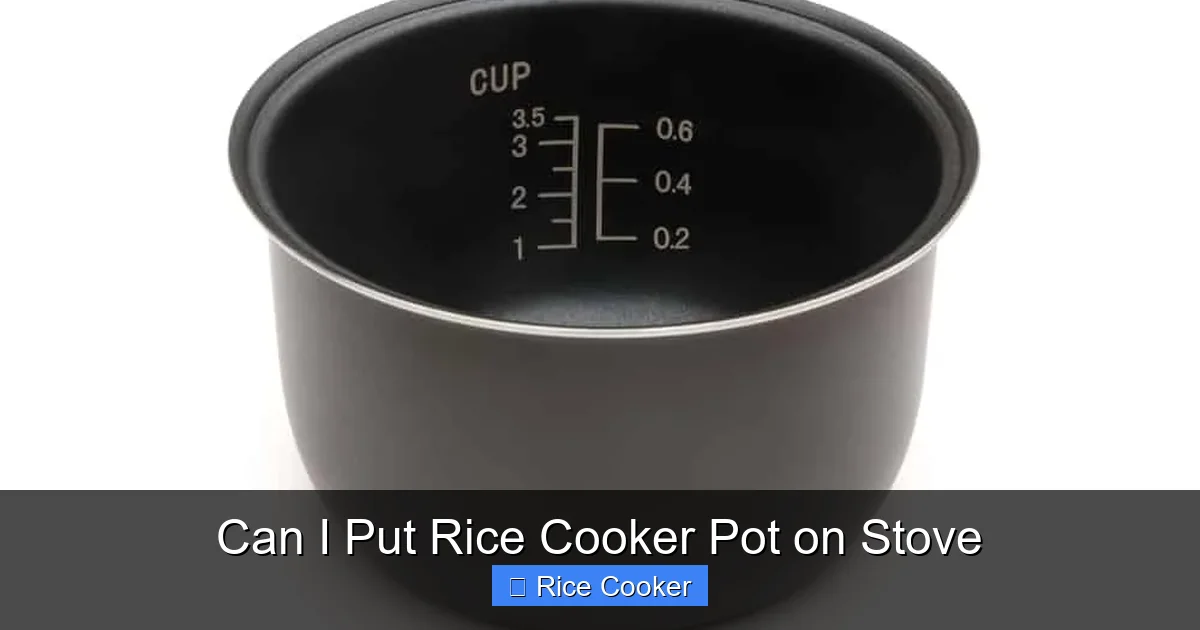
Visual guide about Can I Put Rice Cooker Pot on Stove
Image source: missvickie.com
If you’re unsure about your specific model, follow these steps to assess stove compatibility:
1. Read the User Manual
This might sound obvious, but many people discard manuals after unboxing. Yet, manufacturers clearly state whether the inner pot is intended for stovetop use. Search online using your model number plus “stovetop safe”—you’ll likely find the manual PDF instantly.
2. Inspect for Labels or Markings
Feel around the rim and base of the pot for small engravings or stickers. Phrases like “For stovetop use only,” “Do not use on open flame,” or “Non-stick coating—not for high heat” tell you exactly what to avoid. Sometimes, brands like Zojirushi or Cuckoo will explicitly say “can be used on induction, gas, or electric stoves.”
3. Test the Lid Compatibility
Even if the pot itself seems okay, the lid could be problematic. Many rice cooker lids are made of hard plastic or silicone—both of which soften or melt under direct heat. If your lid feels flimsy or shows signs of warping near the handle, skip the stove entirely.
4. Consider Weight and Thickness
Thicker, heavier pots are more likely to handle stovetop heat than flimsy ones. Shake it gently—if it wobbles noticeably, it probably isn’t built for consistent burner contact.
5. Research Online Reviews
Search forums like Reddit’s r/KitchenHacks or Amazon customer reviews. Other users often mention whether they’ve successfully used their rice cooker pot on the stove. Be wary of anecdotes alone—always cross-check with official specs.
Remember: When in doubt, err on the side of caution. A $20 replacement pot beats a melted lid or a cracked stovetop.
Risks of Using a Non-Stovetop-Safe Rice Cooker Pot
Attempting to use an incompatible pot on the stove isn’t just inconvenient—it can be dangerous. Here’s what could go wrong:
Melting Plastic Components
As mentioned earlier, many lids contain polycarbonate or ABS plastic. When heated beyond 300–400°F (150–205°C), these materials begin softening, melting, or even smoking. In worst cases, melted plastic drips onto your stovetop or into your food, creating unpleasant odors and potential health hazards.
Warping or Deformation
Thin aluminum pots expand unevenly under direct flame. This causes warping—the bottom becomes concave or bulges outward, preventing proper contact with flat-top burners. On gas stoves, this leads to wasted energy and inconsistent cooking.
Release of Toxic Fumes
Non-stick coatings (PTFE/PFOA) emit harmful gases when overheated. Breathing these fumes can trigger flu-like symptoms known as “polymer fume fever.” While rare in home settings, it’s avoidable by simply not heating non-stick surfaces past 500°F.
Damage to Your Stovetop
Scratches, burns, or warped metal can ruin glass-top electric stovetops. Manufacturers void warranties if unauthorized pans are used, leaving you stuck with expensive repairs.
Fire Hazard
Melted plastic or spilled liquid near open flames creates ignition risks. Even small grease splatters can catch fire if the pot lid fails mid-cook.
These aren’t scare tactics—they’re real issues reported by thousands of users. Protect your investment and yourself by verifying compatibility first.
When It’s Safe: Stovetop-Compatible Rice Cooker Pots
So when can I put rice cooker pot on stove? Let’s look at scenarios where it’s actually okay:
Induction-Capable Models
Many modern rice cookers support induction cooking—meaning the base is magnetic and designed for stovetop use. Brands like Panasonic, Tiger, and Instant Pot (in select models) offer induction-ready inner pots. These are perfect for searing meats before switching to rice mode.
Cast Iron or Enamel-Coated Options
Some specialty rice cookers include cast iron pots with enamel finishes. These are excellent for stovetop use since enamel resists rust and handles high temps. Just ensure the lid is metal too—enameled lids rarely survive direct heat.
Commercial-Grade Stainless Steel
Professional-style rice cookers (like those from Risotter or Aroma Housewares Pro) often use heavy-duty stainless steel pots rated for stovetop, oven, and even grill use. These are built to last and perform reliably across applications.
If your model falls into any of these categories, go ahead! But again—double-check the manual. Some even come with interchangeable lids—one for stovetop, one for the cooker.
Pro tip: After using the pot on the stove, let it cool completely before washing. Sudden temperature changes can crack certain coatings or warp bases.
Creative Ways to Repurpose Your Rice Cooker Pot Safely
Don’t throw away your rice cooker pot just because it’s not stove-friendly! There are dozens of clever uses that keep it functional without risking damage:
Slow Cooking & Soups
Use it in a crockpot or Instant Pot instead. The tight-fitting lid and non-stick surface work beautifully for braised dishes, chili, or oatmeal overnight.
Steaming Vegetables or Dumplings
Stack bamboo mats inside and fill with water. Place food above—perfect for healthy meals with minimal cleanup.
Overnight Oats or Yogurt
Fill halfway with oats and milk, seal tightly, and refrigerate. No need for a separate jar!
Portable Lunch Container
Great for work—just reheat in the microwave (never on the stove!). Bonus: keeps food warm longer due to insulation properties.
Small Batch Baking
Try muffins or mini loaves in silicone liners. The rounded sides help with even rising.
These ideas extend your appliance’s life while keeping your kitchen efficient.
What to Do If Your Pot Isn’t Stovetop Safe
If your rice cooker pot lacks stovetop approval, here’s what to do:
Purchase a Compatible Replacement
Most brands sell spare pots separately. For example, Zojirushi sells stainless steel replacements for many models. It’s cheaper than buying a whole new cooker.
Use a Separate Saucepan
Keep a dedicated stainless steel or cast iron pan for browning and sautéing. Many home cooks find they prefer traditional pots for certain tasks anyway.
Invest in a Multi-Cooker
Models like Instant Pot Duo or Ninja Foodi combine pressure cooking, slow cooking, air frying, and more—often including stove-safe pots. One machine replaces several, saving counter space.
Check Warranty Terms
Using an unapproved pot might void coverage. Save your receipt and manual in case you need service later.
Bottom line: If the manual says no, respect it. Your peace of mind matters more than one extra sear.
Final Thoughts: Know Before You Cook
So, can I put rice cooker pot on stove? The honest answer is: sometimes—but never without checking first. While some pots are perfectly fine, others are ticking time bombs waiting for high heat. Your safety, your stovetop, and your food quality all depend on making the right choice.
Take five minutes now to locate your manual or search your model online. Verify the material, check for labels, and consider your cooking habits. If you regularly need to brown ingredients or reheat large volumes, investing in a compatible pot or multi-cooker might be worth it. But if you only cook rice and steamed veggies? Stick to the appliance as intended.
And remember: kitchens are meant to be fun, not stressful. Knowing your tools empowers you to cook confidently—without surprises. So next time you reach for that pot, pause, inspect, and decide wisely. After all, every great meal starts with preparation… and preparation includes understanding your gear.
Happy cooking—and stay safe out there!
Frequently Asked Questions
Can I use my rice cooker pot on an electric stovetop?
It depends on the pot’s material and design. Stainless steel or heavy-gauge aluminum pots may work if labeled “stovetop safe,” but most non-stick coated pots are not recommended due to melting risks.
Is it safe to use a rice cooker pot on a gas stove?
Only if the pot is specifically designed for open-flame use. Thin aluminum or plastic-lidded pots can warp, melt, or release harmful fumes when exposed to direct gas flames.
How can I tell if my rice cooker pot is stainless steel?
Stainless steel pots feel heavier, resist corrosion, and often have visible brushed finishes. Check the manual or look for “inox” or “stainless steel” labeling on the base or packaging.
Can I replace my rice cooker pot with a regular pot?
Yes, as long as dimensions match and the pot fits snugly in your rice cooker. Just ensure it’s heat-resistant and compatible with your appliance’s heating element.
What should I do if my rice cooker pot has a non-stick coating?
Avoid stovetop use. Non-stick coatings degrade at high temperatures, potentially releasing toxic fumes. Use the pot only inside the rice cooker or in low-heat applications like slow cooking.
Are there rice cooker pots that work on induction stoves?
Yes! Look for models with induction-compatible bases (usually magnetic stainless steel). These are ideal for stovetop use and often come with dual-purpose pots.