
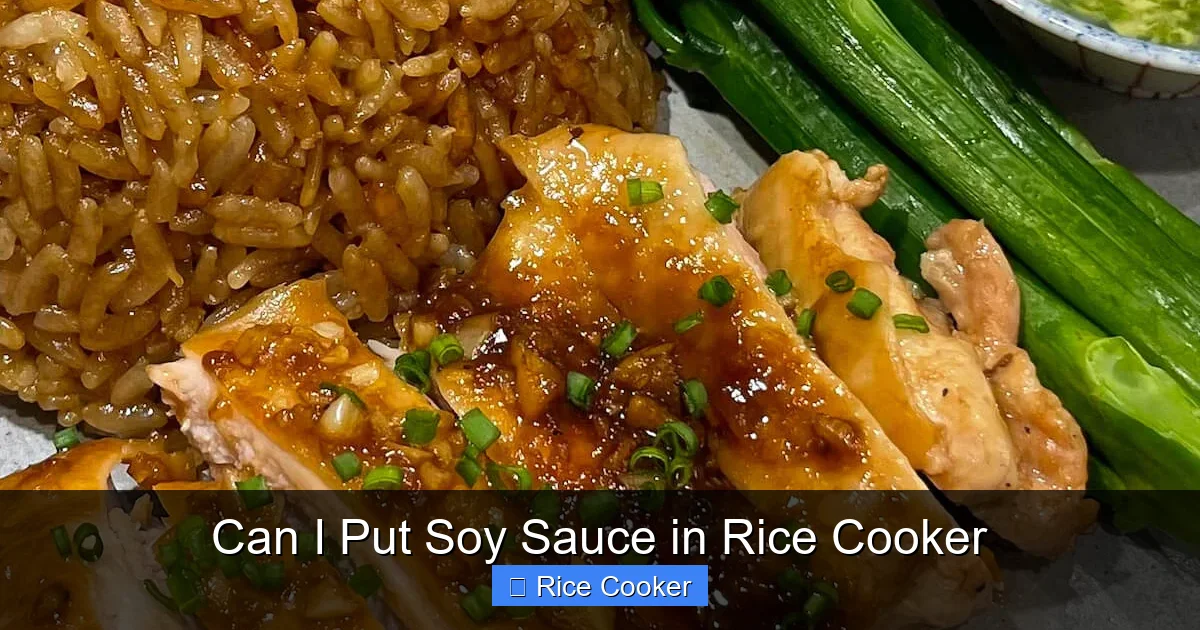
Can I put soy sauce in a rice cooker? The answer is yes—and it’s easier than you think! Adding soy sauce during cooking can infuse your rice with rich umami flavor and reduce cleanup. With the right ratios and techniques, you can transform plain white or brown rice into a savory side dish or even a complete meal.
Have you ever stood over the stove, stirring a pot of rice while adding seasonings one by one, only to realize you forgot the soy sauce? Or maybe you’re tired of serving plain steamed rice at dinner and want to jazz it up with bold Asian flavors? If so, you’re in the right place.
Let’s talk about something many home cooks wonder: Can I put soy sauce in a rice cooker? The short answer? Absolutely. In fact, using soy sauce in your rice cooker isn’t just possible—it’s practical, delicious, and surprisingly simple. Whether you’re making fried rice, sushi rice, or a savory side dish, soy sauce can elevate your grains from boring to brilliant.
In this article, we’ll explore every aspect of cooking rice with soy sauce, including safety, flavor balance, recipe ideas, and pro tips to make your meals shine. By the end, you’ll be confident pouring soy sauce straight into your rice cooker like a seasoned chef.
Key Takeaways
- Yes, soy sauce can be added to a rice cooker—it’s safe and effective when used properly.
- It enhances flavor without ruining texture, especially in short-grain or sushi rice.
- Use the right amount: 1–2 tablespoons per cup of rice is ideal for most recipes.
- Timing matters: Add soy sauce with water before cooking, not after.
- Experiment with combinations like teriyaki glaze, garlic-soy blends, or miso additions.
- Cleaning is easier since everything cooks together, reducing post-meal prep.
- Soy sauce works best with certain rice types; avoid it with long-grain rice if you prefer fluffiness.
📑 Table of Contents
- Why Use Soy Sauce in Your Rice Cooker?
- How Much Soy Sauce Should You Use?
- Step-by-Step Guide: Cooking Rice with Soy Sauce
- Creative Ways to Use Soy Sauce in Your Rice Cooker
- Common Mistakes to Avoid
- Health Considerations and Alternatives
- Maintenance Tips for Your Rice Cooker
- Final Thoughts: Is It Worth It?
Why Use Soy Sauce in Your Rice Cooker?
Using soy sauce in your rice cooker isn’t just a shortcut—it’s a flavor hack that saves time and boosts taste. Traditional stovetop methods require constant attention, but a rice cooker does the work for you. When you add soy sauce during the cooking process, it melds seamlessly into the grains, creating a cohesive, flavorful result.
Soy sauce brings umami—the fifth taste—to your rice, which helps round out the flavor profile when paired with proteins or vegetables. It also reduces the need for extra salt later on, making it a smart seasoning choice. Plus, because the soy sauce cooks with the rice, you get consistent flavor throughout each bite, not just on the surface.
Another benefit? Less mess. No more juggling multiple pots and pans. Just measure, add, press start, and relax.
The Science Behind Flavor Infusion
When water and soy sauce are heated together in a sealed environment (like a rice cooker), the liquid slowly evaporates while the flavors permeate the rice grains. This process ensures even distribution, unlike tossing soy sauce onto cooked rice, where it might pool at the bottom or coat only the top layer.
The sodium in soy sauce also slightly affects starch gelatinization—the process that makes rice soft and sticky. For short-grain rice, this can actually improve texture; for long-grain varieties, it might make them gummier. So, choosing the right rice type matters when using soy sauce.
How Much Soy Sauce Should You Use?
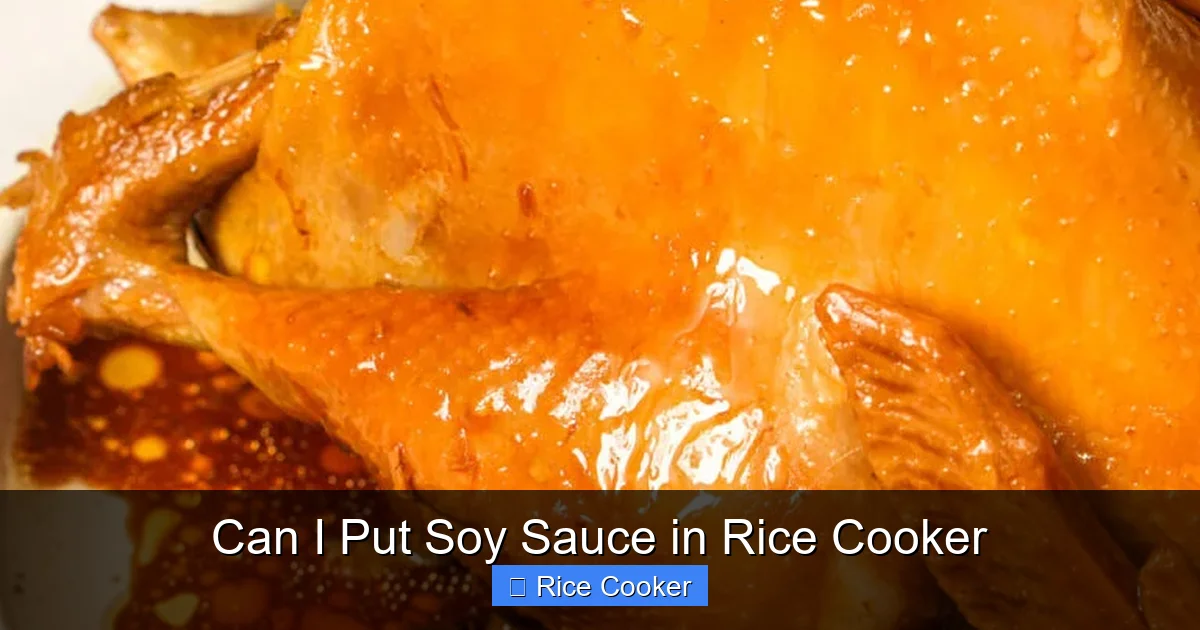
Visual guide about Can I Put Soy Sauce in Rice Cooker
Image source: onehappybite.com
One of the most common questions is: How much soy sauce do I need? The general rule is:
– **1 tablespoon per 1 cup of uncooked rice** for a light soy flavor
– **2 tablespoons per 1 cup** for a bolder, more savory taste
This ratio works well for white rice. Brown rice may require slightly less since it absorbs more liquid and has a nuttier flavor that complements soy well.
Adjusting for Rice Type
Different rice varieties absorb liquids differently:
– **Short-grain (Japanese or sushi rice)**: Ideal for soy sauce. The sticky texture holds flavor beautifully.
– **Medium-grain**: Works well, especially in dishes like risotto-style or fried rice.
– **Long-grain (jasmine or basmati)**: Can become mushy if too much soy sauce is used. Limit to 1 tbsp per cup and consider rinsing the rice first to reduce stickiness.
Always check the final consistency after cooking. If the rice is too dry, add a splash of water or broth. If it’s soupy, let it sit for 5 minutes with the lid off to let steam escape.
Step-by-Step Guide: Cooking Rice with Soy Sauce
Ready to try it? Here’s how to do it safely and effectively:
Step 1: Measure Your Ingredients
Start with your base ingredient—rice. Rinse 1 cup of rice under cold water until the water runs clear. This removes excess starch and prevents gumminess.
Next, measure your water. The standard ratio is 1:1.25 (rice to water), but with soy sauce added, increase water slightly by ¼ cup to account for the liquid content.
Add 1–2 tablespoons of soy sauce per cup of rice. Low-sodium soy sauce is recommended if you’re watching your salt intake.
Step 2: Combine in the Rice Cooker Pot
Pour rinsed rice into the inner pot of your rice cooker. Add water and soy sauce. Stir gently to mix, then wipe the rim clean to ensure proper sealing.
Step 3: Cook and Let Rest
Close the lid and select the appropriate setting (usually “White Rice” or “Normal”). Once done, let the rice rest for 10 minutes with the lid closed. This allows the steam to redistribute moisture and flavor evenly.
Step 4: Fluff and Serve
After resting, fluff the rice with a fork. Taste and adjust—add a pinch of sugar or a squeeze of lime if desired to balance acidity.
Creative Ways to Use Soy Sauce in Your Rice Cooker
Soy sauce is versatile. Here are some delicious ways to use it beyond plain seasoned rice:
Teriyaki Rice
Mix 2 tbsp soy sauce, 1 tbsp mirin, 1 tsp sugar, and ½ tsp grated ginger per cup of rice. Cook as usual. Serve warm with grilled chicken or tofu.
Garlic-Soy Rice
Sauté 3 minced garlic cloves in 1 tsp oil, cool slightly, then add to rice along with soy sauce and water. Great with stir-fries or dumplings.
Miso-Soy Fusion
Stir in 1 tsp white miso paste with soy sauce before cooking. This creates a complex, savory base perfect for noodle bowls or grain salads.
Vegetable-Packed Soy Rice
Add diced carrots, peas, or corn to the pot with soy sauce. Cook on “Mixed Rice” mode if your machine has it. Top with sesame seeds and green onions.
Sushi Rice with a Twist
Instead of traditional vinegar, use rice vinegar, sugar, and soy sauce to season sushi rice. It adds depth without overpowering the delicate flavor.
Common Mistakes to Avoid
Even experienced cooks make errors. Here’s how to sidestep them:
Overdoing the Soy Sauce
Too much soy sauce = overly salty, dark-colored rice. Start small and taste after cooking. You can always add more liquid (water or broth) to dilute, but you can’t take flavor out once it’s in.
Not Rinsing the Rice
Skipping rinsing leads to clumpy, starch-heavy rice—even with soy sauce. Always rinse until the water clears.
Adding Soy Sauce After Cooking
Tossing soy sauce into hot rice won’t blend well. It sits on top or sinks to the bottom. Cook it with the liquid instead.
Using Dark Soy Sauce Exclusively
Light soy sauce has a milder flavor and won’t turn your rice black. Reserve dark soy sauce for sauces or glazes—not base cooking.
Health Considerations and Alternatives
While soy sauce adds great flavor, it’s high in sodium. If you’re monitoring salt intake, opt for low-sodium versions and reduce quantity accordingly.
You can also substitute:
– Coconut aminos (soy-free, lower sodium)
– Tamari (gluten-free soy sauce alternative)
– Mushroom broth (for umami without soy)
For vegetarians or vegans, these substitutes maintain richness without animal products.
Maintenance Tips for Your Rice Cooker
After cooking soy-infused rice, cleaning is easy—but don’t skip it. Residual sauce can stain the inner pot or cause odors.
– Clean the inner pot immediately with warm, soapy water.
– Wipe the exterior and seal with a damp cloth.
– Run a cycle of water and vinegar occasionally to remove buildup.
Avoid abrasive scrubbers that can damage non-stick coatings.
Final Thoughts: Is It Worth It?
Absolutely. Adding soy sauce to your rice cooker is a game-changer for busy weeknights or when you want restaurant-quality sides at home. It’s quick, hands-off, and packed with flavor. Whether you’re making sushi, fried rice, or just a better side dish, soy sauce delivers.
Remember: start with small amounts, experiment with flavors, and enjoy the process. Your taste buds—and your family—will thank you.
Now go ahead. Grab that bottle of soy sauce and your rice cooker. You’ve got this.
Frequently Asked Questions
Can I put soy sauce directly into my rice cooker?
Yes, you can safely add soy sauce directly to your rice cooker during the cooking process. Mix it with water before starting. This allows the flavor to infuse evenly into the rice grains.
Will soy sauce change the color of my rice?
Light soy sauce won’t darken rice significantly, but dark soy sauce will give it a golden-brown hue. Use light soy sauce if you prefer white rice appearance.
Can I use tamari instead of soy sauce?
Yes! Tamari is a gluten-free soy sauce alternative with a richer, deeper flavor. Use it interchangeably—just note that it’s often saltier, so adjust quantities accordingly.
Does soy sauce make rice sticky?
Soy sauce itself doesn’t cause stickiness, but it can enhance the natural stickiness of short-grain rice. To reduce stickiness, rinse the rice thoroughly before cooking and avoid overmixing after draining.
Can I add other seasonings with soy sauce?
Definitely! Combine soy sauce with garlic, ginger, sesame oil, or coconut aminos for extra layers of flavor. Just add them with the liquid before cooking.
Is it okay to store leftover soy-seasoned rice?
Yes, store it in an airtight container in the refrigerator for up to 4 days. Reheat gently with a splash of water to restore moisture. It’s great for fried rice the next day!