
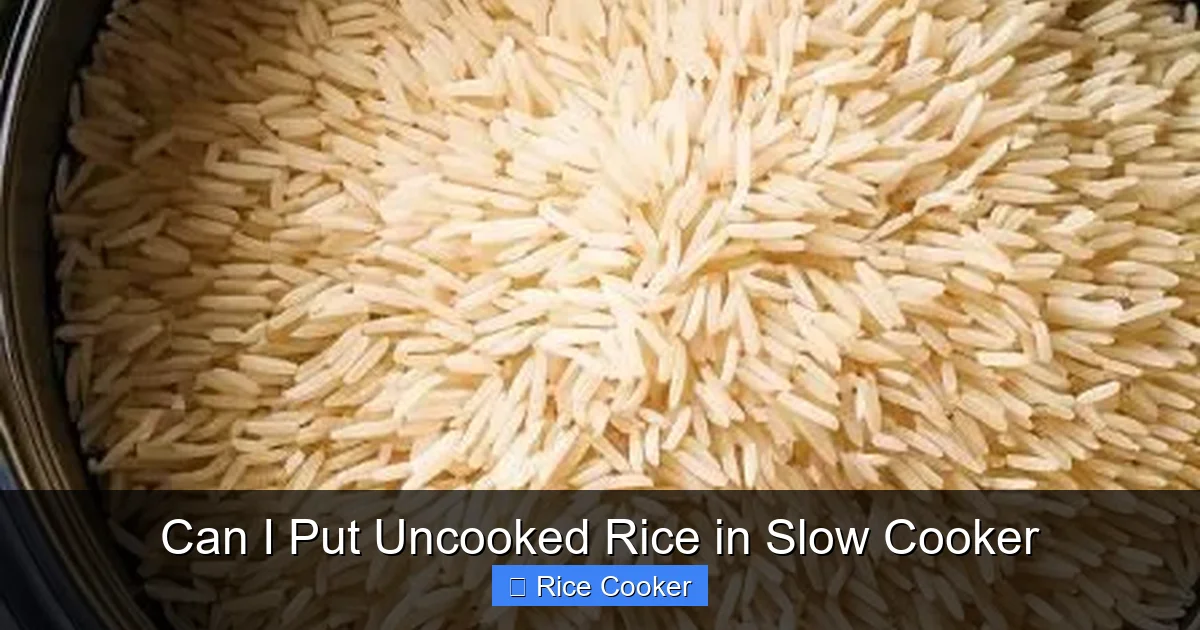
Can I put uncooked rice in a slow cooker? Absolutely — it’s not only possible but also a convenient way to prepare rice with minimal effort. With the right ratio of rice to water and proper timing, your slow cooker can produce tender, fluffy grains just like a rice cooker. Just remember to avoid the high-heat setting and use a little extra liquid.
Key Takeaways
- Yes, uncooked rice works in a slow cooker: You don’t need a dedicated rice cooker — your slow cooker can do the job with the right technique.
- Use the right water-to-rice ratio: A general rule is 1 cup rice to 1.5 cups water, but this may vary slightly depending on the rice type.
- Avoid the high setting: Always use the low or warm setting to prevent burning and ensure even cooking.
- Pre-rinsing is optional but helpful: Rinsing removes excess starch and can reduce stickiness, especially with jasmine or basmati rice.
- Let it rest after cooking: Fluffing and resting for 5–10 minutes helps redistribute moisture and fluff up the grains.
- Experiment with recipes: Slow cooker rice pairs well with soups, stews, casseroles, and one-pot meals.
- Clean-up is easy: Most slow cookers have removable inserts that go in the dishwasher.
📑 Table of Contents
- Can I Put Uncooked Rice in Slow Cooker?
- The Science Behind Slow-Cooker Rice
- Choosing the Right Rice for Your Slow Cooker
- Step-by-Step Guide: How to Cook Rice in a Slow Cooker
- Troubleshooting Common Problems
- Cooking Rice in a Slow Cooker: Tips for Success
- Creative Recipes Using Slow-Cooker Rice
- Slow Cooker vs. Rice Cooker: Which Is Better?
- Environmental and Energy Considerations
- Frequently Asked Questions About Cooking Rice in a Slow Cooker
Can I Put Uncooked Rice in Slow Cooker?
If you’ve ever stood over a boiling pot of water, watching rice carefully while hoping it doesn’t stick or burn, you’re not alone. Cooking rice perfectly takes practice — too much water leads to mushy grains; too little leaves them hard and chalky. But what if there was an easier way? What if you could simply toss in uncooked rice and let your kitchen do the work overnight?
That’s where the humble slow cooker comes in — a kitchen appliance many people associate only with stews, roasts, and chili. But here’s a secret: you absolutely can put uncooked rice in a slow cooker, and when done right, it yields fluffy, tender, and perfectly cooked grains every time. No stirring required. No constant monitoring. Just set it and forget it — literally.
In this complete guide, we’ll walk you through everything you need to know about cooking rice in a slow cooker: from the science behind it, to the best techniques, recipe ideas, and troubleshooting tips. Whether you’re new to slow cookers or a seasoned pro looking to expand your repertoire, this article will help you master slow-cooker rice like a chef.
The Science Behind Slow-Cooker Rice
Before we dive into the “how,” let’s talk about the “why.” Why does rice cook in a slow cooker at all? And why does it come out so differently than when boiled or steamed?
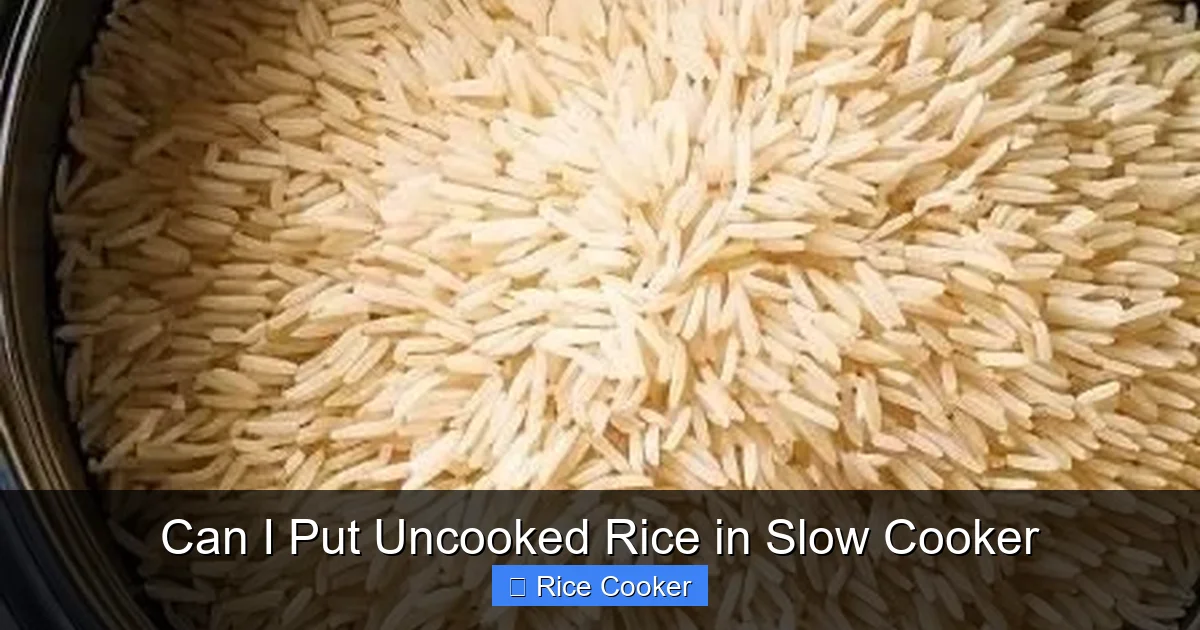
Visual guide about Can I Put Uncooked Rice in Slow Cooker
Image source: blogger.googleusercontent.com
How Heat Transfers in a Slow Cooker
Slow cookers work by circulating gentle, consistent heat over several hours. Unlike a stove top, which uses direct flame (high heat) to rapidly boil water, a slow cooker relies on convection — the transfer of heat through air and liquid. This means the temperature stays steady, usually between 180°F and 200°F (82°C to 93°C), which is ideal for breaking down the starches in rice without scorching.
Rice contains amylose and amylopectin — two types of starch that absorb water and gelatinize when heated. In a slow cooker, this process happens gradually. The water slowly penetrates each grain, swelling it until it becomes soft and fluffy. Because the heat is indirect and constant, there’s no risk of burning or uneven cooking.
Why Low Heat Works Better Than High
One of the biggest mistakes beginners make is using the high setting on their slow cooker. While it might seem faster, high heat can cause the rice to dry out, stick to the bottom, or even burn before the inside is fully cooked. Think of it like trying to bake bread in a toaster — too fast, and you get charcoal instead of crust.
Using the low setting allows the rice to cook evenly from the inside out. It gives the water time to fully absorb into the grains, resulting in a better texture. If you’re in a hurry, some models offer a “warm” or “keep warm” setting, but these aren’t meant for active cooking — they’re for holding food after it’s been cooked.
Choosing the Right Rice for Your Slow Cooker
Not all rice is created equal — and some types work better in a slow cooker than others. Here’s a quick breakdown of popular varieties and how they behave:
White Rice
White rice — especially long-grain varieties like Jasmine or Basmati — is the most common choice for slow cooking. These types have less starch than brown rice, so they don’t become overly sticky. They absorb water efficiently and end up light and separate.
Best for: Everyday side dishes, fried rice, pilafs, and grain bowls.
Brown Rice
Brown rice has a tougher outer bran layer and higher fiber content, which means it takes longer to cook and needs more water. However, it’s nuttier, chewier, and packed with nutrients. When cooked in a slow cooker, brown rice turns out creamy and satisfying.
Tip: Increase water by ¼ cup per cup of rice and cook 1–2 hours longer than white rice.
Instant Rice
While instant rice is pre-cooked and dried, you can technically cook it in a slow cooker — but it’s unnecessary. Since it’s already partially cooked, it would just rehydrate and possibly become soggy. Stick to regular uncooked rice for best results.
Wild Rice
Wild rice is actually a seed, not a true grain, and it requires a long cooking time (up to 2 hours). It expands significantly, so use less water than usual. Slow cooking is perfect for wild rice because it breaks down the tough outer shell and softens the kernels.
Step-by-Step Guide: How to Cook Rice in a Slow Cooker
Ready to try it yourself? Follow this simple method for foolproof slow-cooker rice:
Ingredients You’ll Need
- 1 cup uncooked rice (white or brown)
- 1.5 to 2 cups water (adjust based on rice type)
- Optional: ½ tsp salt, 1 tbsp butter or oil, 1 clove crushed garlic
Step 1: Rinse the Rice (Optional but Recommended)
Rinsing removes excess surface starch, which can make rice gummy. Fill a fine-mesh strainer with rice and rinse under cold water until the water runs clear. This step is especially helpful with Jasmine or Arborio rice.
Step 2: Add Ingredients to the Slow Cooker
Place the rinsed rice in the inner pot of your slow cooker. Pour in the water (start with 1.5 cups for white rice, 2 cups for brown). Add any flavorings like salt, butter, or herbs if desired.
Step 3: Cover and Cook on Low
Secure the lid tightly. Set the slow cooker to low and cook for:
- White rice: 1 to 1.5 hours
- Brown rice: 1.5 to 2.5 hours
- Wild rice: 2 to 2.5 hours
Do not lift the lid during cooking — this lets heat escape and extends cooking time.
Step 4: Let It Rest
Once the timer goes off, turn off the slow cooker and let the rice sit, covered, for 10 minutes. This allows residual steam to finish cooking the rice and makes it easier to fluff.
Step 5: Fluff and Serve
Use a fork or rice paddle to gently fluff the rice. Avoid mashing — you want individual grains, not a paste. Serve immediately as a side dish or base for other meals.
Troubleshooting Common Problems
Even with the best intentions, things can go wrong. Here’s how to fix the most common slow-cooker rice issues:
Too Dry or Crunchy Rice
This usually means there wasn’t enough water. For future batches, add an extra ¼ cup of water next time. Also, check that your slow cooker isn’t too large — too much empty space can affect heat distribution.
Sticky or Gluey Texture
Too much starch or insufficient rinsing can cause stickiness. Try rinsing again or reducing the water slightly. Using a non-stick slow cooker insert also helps prevent clumping.
Rice Stuck to the Bottom
This happens if the rice dries out before absorbing all the water. Stirring occasionally can help, but the best solution is to use the low setting and avoid lifting the lid. Adding a tablespoon of oil or butter can also create a barrier between the rice and the pot.
Unevenly Cooked Grains
If some pieces are soft and others hard, it’s likely due to uneven water distribution. Gently stir once halfway through cooking (only if you remember!) or break up any clumps before serving.
Cooking Rice in a Slow Cooker: Tips for Success
Want to take your slow-cooker rice game to the next level? Try these expert tips:
Use a Non-Stick Insert
Stainless steel inserts can be great for searing meat, but they’re tough on stuck-on rice. Opt for ceramic or non-stick liners — they make cleanup a breeze and prevent sticking.
Add Flavor Infusions
Instead of plain water, try using broth, coconut milk, or vegetable stock for added richness. You can also toss in aromatics like onions, leeks, or bay leaves.
Double Up on Meals
Cook a big batch of rice and use it throughout the week. Leftover slow-cooker rice works great in salads, stir-fries, or grain bowls. Store it in the fridge for up to 5 days.
Check Water Levels
Different brands and models absorb moisture differently. Start with 1.5 cups and adjust next time based on your results. Keep a note in your recipe log!
Don’t Overfill
Most slow cookers have a maximum fill line. Never exceed it — overcrowding can block airflow and lead to uneven cooking.
Keep It Clean
After use, remove the insert and wash it immediately. Rice residue dries quickly and can be tough to scrub off later. Many inserts are dishwasher-safe.
Creative Recipes Using Slow-Cooker Rice
Once you’ve mastered basic rice, the possibilities are endless. Here are three delicious ways to use your slow-cooker rice:
1. Creamy Coconut Rice with Lime and Cilantro
Combine 1 cup jasmine rice, 1.5 cups coconut milk, ½ cup water, juice of 1 lime, and a pinch of salt. Cook on low for 1.5 hours. Stir in chopped cilantro before serving. Perfect with grilled fish or roasted vegetables.
2. One-Pot Chicken and Rice Stew
In your slow cooker, layer 1 cup brown rice, 1.75 cups chicken broth, 2 boneless chicken thighs, 1 diced carrot, 1 sliced onion, and a sprig of thyme. Cook on low for 2.5 hours. Shred the chicken and serve with a drizzle of olive oil.
3. Mexican Rice Pilaf
Sauté diced tomatoes, onion, and garlic in a pan, then transfer to the slow cooker with 1 cup long-grain rice and 1.5 cups broth. Add a pinch of cumin and oregano. Cook on low for 1 hour. Garnish with avocado and lime.
Slow Cooker vs. Rice Cooker: Which Is Better?
You might be wondering: if I can make rice in a slow cooker, do I even need a rice cooker anymore?
Similarities
Both appliances use gentle, consistent heat to cook rice evenly. Neither requires constant attention. Both can produce fluffy, well-textured rice when used correctly.
Differences
- Speed: Rice cookers typically cook rice in 20–40 minutes. Slow cookers take 1–2.5 hours.
- Texture Control: Rice cookers often have multiple settings (quick cook, warm, etc.), giving more precision. Slow cookers are simpler but still effective.
- Multi-Functionality: Slow cookers excel at soups, stews, and braises. Rice cookers focus solely on grains and sometimes steam vegetables.
- Cost: Basic rice cookers are often cheaper than slow cookers.
If you already own a slow cooker and want to cook rice, there’s no need to buy a new appliance. But if you eat rice daily and value speed and consistency, a rice cooker might be worth the investment.
Environmental and Energy Considerations
Using a slow cooker to make rice isn’t just convenient — it’s also energy-efficient. Unlike a stove top, which heats up your entire kitchen, a slow cooker uses less electricity and keeps the heat contained. Plus, it’s perfect for batch cooking, reducing waste and saving time.
According to the U.S. Department of Energy, slow cookers use about 30% less energy than conventional ovens. So next time you’re making a big meal, consider using your slow cooker for the whole thing — rice, meat, veggies, and all.
Frequently Asked Questions About Cooking Rice in a Slow Cooker
Can I use a slow cooker on high for rice?
It’s not recommended. High heat can dry out the rice and cause it to stick or burn. Stick to the low setting for even, moist results.
How much water should I use?
For white rice, use 1.5 cups water per 1 cup rice. For brown rice, increase to 2 cups. Adjust based on your slow cooker model and rice brand.
Do I need to soak the rice first?
No, soaking isn’t necessary. It can actually reduce cooking time and lead to mushy rice. Just rinse and cook as directed.
Can I cook rice and beans together?
Yes! Black beans, lentils, or chickpeas can be cooked with rice in a slow cooker. Use 1.75–2 cups liquid per cup of grains and cook 2–3 hours on low.
What if my rice is still crunchy after cooking?
Turn the slow cooker to warm and let it sit for 30 minutes with the lid on. The residual heat will finish cooking the grains. If not, add a splash of water and cover again for 10 minutes.
Can I reheat leftover slow-cooker rice?
Absolutely. Transfer to a microwave-safe bowl and add a splash of water. Cover and heat in 30-second intervals, stirring in between, until warmed through.
Frequently Asked Questions
Can I use a slow cooker on high for rice?
It’s not recommended. High heat can dry out the rice and cause it to stick or burn. Stick to the low setting for even, moist results.
How much water should I use?
For white rice, use 1.5 cups water per 1 cup rice. For brown rice, increase to 2 cups. Adjust based on your slow cooker model and rice brand.
Do I need to soak the rice first?
No, soaking isn’t necessary. It can actually reduce cooking time and lead to mushy rice. Just rinse and cook as directed.
Can I cook rice and beans together?
Yes! Black beans, lentils, or chickpeas can be cooked with rice in a slow cooker. Use 1.75–2 cups liquid per cup of grains and cook 2–3 hours on low.
What if my rice is still crunchy after cooking?
Turn the slow cooker to warm and let it sit for 30 minutes with the lid on. The residual heat will finish cooking the grains. If not, add a splash of water and cover again for 10 minutes.
Can I reheat leftover slow-cooker rice?
Absolutely. Transfer to a microwave-safe bowl and add a splash of water. Cover and heat in 30-second intervals, stirring in between, until warmed through.