
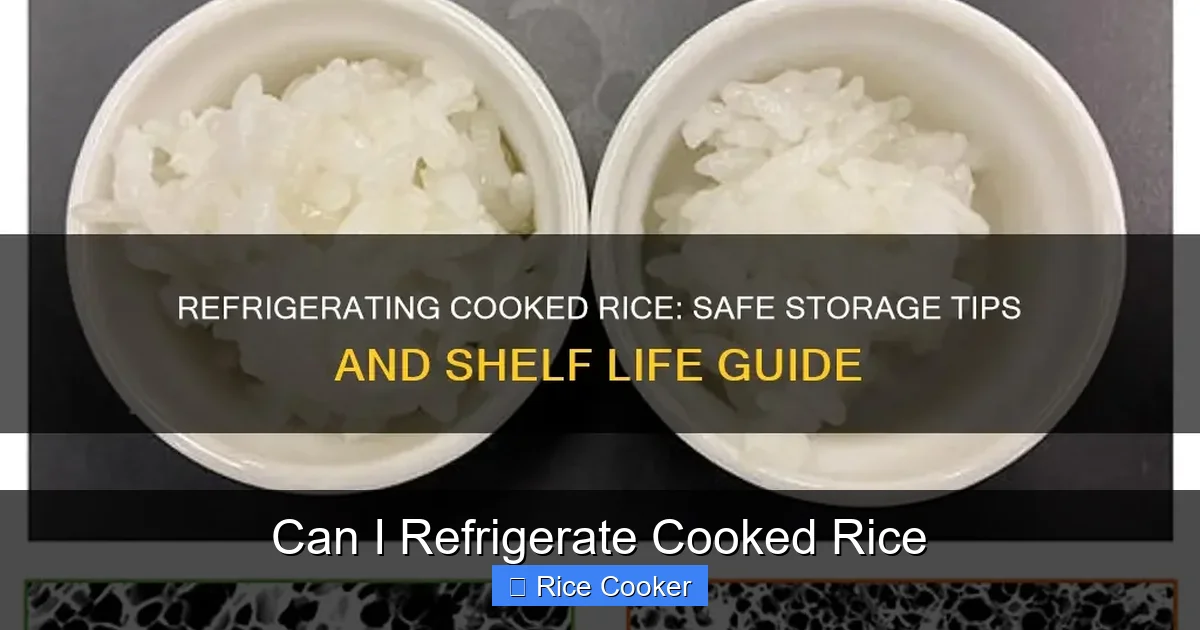
Can I refrigerate cooked rice? Absolutely—refrigerating cooked rice is not only safe but recommended to slow bacterial growth like *Bacillus cereus*. However, proper storage and handling are essential to prevent foodborne illness. In this article, we’ll walk you through the science, timing, and best practices for storing cooked rice in the fridge, so you can enjoy it safely for days without worry.
Key Takeaways
- Refrigeration slows bacteria: Cooling rice quickly reduces the risk of harmful bacteria multiplying.
- Store within 1 hour: For safety, refrigerate cooked rice within one hour of cooking to prevent spoilage.
- Use airtight containers: Always transfer rice to a sealed container to maintain freshness and avoid odors.
- Reheat thoroughly: When reheating, ensure the rice reaches 165°F (74°C) to kill any potential bacteria.
- Consume within 3–4 days: Properly stored rice lasts up to four days in the refrigerator.
- Freezing extends life: You can freeze rice for up to 6 months if you won’t eat it within a few days.
- Beware of temperature danger zone: Keep rice out of the 40°F–140°F range for more than two hours to avoid food poisoning.
Key Takeaways
- Understanding can i refrigerate cooked rice: Provides essential knowledge
📑 Table of Contents
- Can I Refrigerate Cooked Rice? A Complete Guide to Safe Storage
- The Science Behind Why You Should Refrigerate Cooked Rice
- How Long Can Cooked Rice Sit at Room Temperature?
- Step-by-Step Guide to Storing Cooked Rice in the Refrigerator
- How to Reheat Refrigerated Cooked Rice Safely
- Can You Freeze Cooked Rice? Yes—Here’s How
- Myths About Refrigerating Cooked Rice
- Signs Your Refrigerated Rice Has Gone Bad
- Practical Tips for Everyday Rice Storage
- Conclusion: Yes, You Can Safely Refrigerate Cooked Rice
Can I Refrigerate Cooked Rice? A Complete Guide to Safe Storage
Cooking rice is one of those simple acts that feels almost magical—just water and grains, heated until fluffy and golden. But once your rice is done, the real question begins: What do I do next? Can I refrigerate cooked rice? The short answer is yes—but with important caveats. Storing rice properly isn’t just about convenience; it’s about food safety. In fact, many people don’t realize that rice can harbor dangerous bacteria, especially when left at room temperature too long.
In this detailed guide, we’ll explore everything you need to know about refrigerating cooked rice. From the science behind why it matters to step-by-step storage tips, reheating techniques, and even freezing options, we’ve got you covered. Whether you’re meal prepping for the week or dealing with leftover stir-fry, understanding how to handle cooked rice will save you time, money, and—most importantly—prevent food illness. So grab your favorite container, and let’s dive into the world of safe rice storage.
The Science Behind Why You Should Refrigerate Cooked Rice

Visual guide about Can I Refrigerate Cooked Rice
Image source: foodsguy.com
When rice is cooked, its starches gelatinize, making it soft and ready to eat. But this same process creates tiny cracks in the grain structure—places where bacteria love to hide. One of the most common culprits is *Bacillus cereus*, a hardy bacterium that thrives in warm environments. Unlike some bacteria that cause immediate symptoms, *B. cereus* can survive cooking because its spores are heat-resistant. If cooked rice sits out for too long, these spores can grow and produce toxins that lead to food poisoning—symptoms like nausea, vomiting, and diarrhea.
This is why the “danger zone” for food (the temperature range between 40°F and 140°F) is so critical. Bacteria multiply rapidly in this window. That’s why food safety experts recommend refrigerating perishable foods—including cooked rice—within two hours, ideally within one. By cooling the rice quickly, you stop bacterial growth in its tracks. Refrigeration slows down metabolic activity in bacteria, giving you time to eat the rice safely without risk.
How Long Can Cooked Rice Sit at Room Temperature?
Many home cooks leave rice on the counter after cooking, thinking it’s fine as long as they eat it soon. But that’s a risky assumption. According to the U.S. Food and Drug Administration (FDA), any perishable food should not be left at room temperature for more than two hours. If your kitchen is above 90°F (32°C), that limit drops to just one hour. After two hours in the danger zone, bacteria like *Bacillus cereus* can multiply to levels high enough to make you sick.
For example, imagine you cook a pot of jasmine rice for dinner and let it cool uncovered on the stove while you finish chopping vegetables. If dinner doesn’t happen until three hours later, that rice has been sitting in the danger zone too long. Even if you reheat it, the toxins produced by the bacteria remain intact—heat doesn’t destroy them. This is why refrigeration is non-negotiable when it comes to cooked rice.
Step-by-Step Guide to Storing Cooked Rice in the Refrigerator
Proper storage makes all the difference. Follow these steps to keep your rice safe and delicious:
1. Cool It Quickly
After cooking, spread the rice out in a shallow pan or divide it into smaller portions. This increases the surface area, allowing heat to escape faster and speeding up the cooling process. You can even place the container in an ice bath if you’re concerned about time.
2. Cover Immediately
Once cooled to room temperature (about 70°F), transfer the rice to an airtight container. Leaving rice uncovered exposes it to airborne contaminants and dries it out. Use glass or BPA-free plastic containers with tight-fitting lids.
3. Label and Date
Always write the date on your container. This helps you track how long the rice has been stored and ensures you use it before it goes bad. Properly stored rice lasts 3–4 days in the fridge.
4. Store in the Coldest Part of the Fridge
Place the container near the back of the refrigerator, where temperatures are most stable. Avoid storing rice near the door, which experiences frequent temperature fluctuations.
5. Don’t Stack Heavy Items on Top
Heavy containers or jars on top of your rice container can crush it or compromise the seal, leading to contamination or moisture buildup.
By following these steps, you’ll preserve the texture and flavor of your rice while keeping it safe to eat.
How to Reheat Refrigerated Cooked Rice Safely
Reheating rice incorrectly can reintroduce bacteria or create hot spots that aren’t fully cooked. Here’s how to do it right:
Use a Microwave with Caution
Place the rice in a microwave-safe dish, cover it loosely with a damp paper towel or lid to retain steam, and heat in 30-second intervals. Stir between each cycle to distribute heat evenly. The rice should reach an internal temperature of 165°F (74°C).
Stovetop Method for Better Texture
Bring a small amount of water or broth to a simmer in a saucepan. Add the rice, cover, and reduce heat to low. Let it steam for 5–10 minutes, stirring occasionally. This method keeps rice fluffy and moist.
Avoid Reheating Large Portions Multiple Times
Each time you reheat rice, there’s a slight increase in risk. If you have leftovers, divide them into single servings and freeze extras instead of repeatedly reheating.
Never Reheat Rice More Than Once
Experts advise against reheating rice more than once because repeated heating can break down nutrients and increase the risk of bacterial contamination.
Can You Freeze Cooked Rice? Yes—Here’s How
If you won’t eat rice within a few days, freezing is an excellent option. Frozen rice can last up to 6 months and retains most of its quality when thawed properly.
Prep for Freezing
Spread cooked rice in a thin layer on a baking sheet and freeze for 1–2 hours. Once frozen solid, transfer to a freezer-safe bag or container. This prevents clumping.
Label and Store
Write the date and contents on the bag. Lay bags flat to save space and allow air to circulate.
Thawing Tips
Thaw rice overnight in the refrigerator or reheat directly from frozen using the microwave or stovetop method described earlier. Add a splash of water when reheating frozen rice to restore moisture.
Myths About Refrigerating Cooked Rice
Despite being widely accepted, refrigerating cooked rice is sometimes misunderstood. Let’s debunk a few common myths:
Myth: “Rice gets hard and dry in the fridge”
While rice can absorb moisture over time, proper storage in airtight containers minimizes this. Plus, reheating adds steam back in, restoring softness.
Myth: “You can leave rice out overnight”
Even in a cool room, bacteria grow fast. Overnight exposure puts you at serious risk of food poisoning. Never skip refrigeration.
Myth: “All rice is safe to eat cold”
Some dishes, like sushi or rice salads, are meant to be eaten cold. But even then, the rice must be cooled and stored properly to prevent illness.
Myth: “Freezing ruins rice completely”
Not true! Frozen rice freezes well and can be reheated with great results. Just follow the thawing and reheating tips.
Signs Your Refrigerated Rice Has Gone Bad
Knowing when rice is spoiled saves you from unnecessary health risks. Watch for these warning signs:
- Unpleasant smell: Fresh rice has a mild, slightly nutty aroma. Sour, foul, or moldy odors mean it’s spoiled.
- Texture changes: If the rice feels slimy, mushy, or overly firm, discard it.
- Mold growth: Visible mold is a clear sign of spoilage—don’t taste it.
- Off color: Discoloration (grayish or greenish tinge) may indicate bacterial growth.
- Unusual taste: Bitter or sour flavors are red flags.
When in doubt, throw it out. It’s better to be safe than sorry when it comes to food safety.
Practical Tips for Everyday Rice Storage
Here are some easy habits to make rice storage second nature:
- Batch cook wisely: Cook only what you’ll eat in 3–4 days unless freezing.
- Use portion-sized containers: This reduces waste and makes reheating easier.
- Keep a rice journal: Track when you cook and store rice to stay organized.
- Invest in good containers: Glass or stainless steel containers are durable and non-reactive.
- Educate family members: Make sure everyone in your household knows the basics of safe rice storage.
Conclusion: Yes, You Can Safely Refrigerate Cooked Rice
So, can I refrigerate cooked rice? The answer is a confident yes—but only if you follow food safety guidelines. Refrigeration is one of the simplest and most effective ways to prevent foodborne illness caused by bacteria like *Bacillus cereus*. By cooling rice within one hour, storing it in airtight containers, and reheating it thoroughly, you can enjoy safe, tasty rice meals for days after cooking.
Whether you’re using a traditional pot, an electric rice cooker, or a multi-cooker, the principles remain the same. With a little attention to detail, you can turn leftover rice into a quick, nutritious meal without any guilt or risk. Next time you cook rice, remember: the fridge isn’t your enemy—it’s your friend in the fight against food poisoning.
Now go ahead and refrigerate that rice with confidence. Your future self will thank you.
Frequently Asked Questions
Is it safe to refrigerate cooked rice?
Yes, it is safe to refrigerate cooked rice as long as it is cooled and stored properly. Refrigeration slows bacterial growth, especially from *Bacillus cereus*, which can cause food poisoning if rice is left at room temperature too long.
How long does cooked rice last in the fridge?
Cooked rice can safely last in the refrigerator for 3 to 4 days when stored in an airtight container. Beyond that, the risk of bacterial growth increases, and the quality may decline.
Can I leave cooked rice out overnight?
No, you should never leave cooked rice at room temperature for more than two hours—or one hour if the ambient temperature is above 90°F. Bacteria multiply rapidly in the “danger zone” between 40°F and 140°F.
Does refrigerating rice make it unhealthy?
No, refrigerating rice does not make it unhealthy. In fact, it helps preserve food safety. As long as the rice is reheated to 165°F (74°C), it remains safe to consume.
Can I eat cold rice from the fridge?
Yes, you can eat cold rice from the fridge, such as in sushi or rice salads. Just make sure it was cooled and stored properly within one hour of cooking to avoid contamination.
Should I wash my hands before handling cooked rice?
Absolutely. Always wash your hands with soap and warm water before touching cooked rice or any perishable food. This prevents cross-contamination and keeps you and your family safe.