
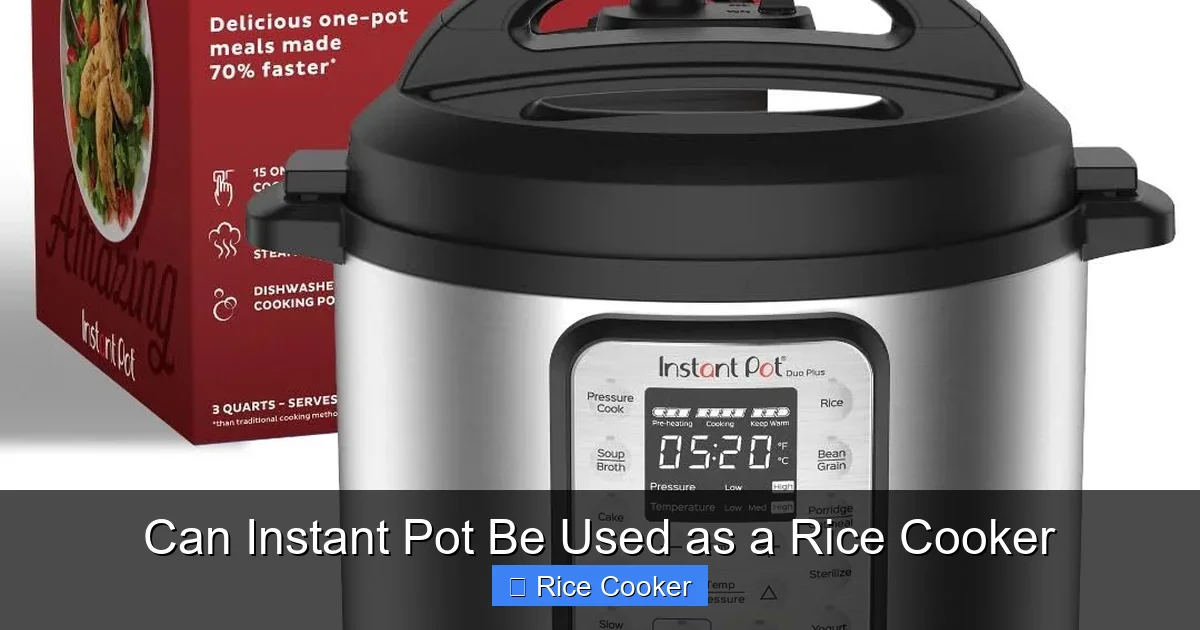
The Instant Pot is not just a pressure cooker—it’s also a powerful and reliable rice cooker. With multiple cooking functions and intuitive settings, it delivers consistently fluffy or tender rice without the need for a separate appliance. Whether you’re making white rice, brown rice, or even sushi rice, the Instant Pot handles it all with ease. This smart kitchen gadget saves space, time, and effort while delivering restaurant-quality results.
Key Takeaways
- Instant Pot doubles as a high-performance rice cooker: Its pressure cooking, steam cooking, and keep-warm features make it ideal for preparing various types of rice.
- Multiple cooking modes ensure versatility: You can cook white rice, brown rice, jasmine, basmati, and even specialty grains like quinoa or barley using preset programs.
- Consistent results every time: The sealed environment and precise temperature control prevent overcooking or undercooking, yielding perfectly textured rice.
- Saves time and counter space: Instead of owning two appliances, you can rely on one device for both pressure cooking and rice preparation.
- Easy cleanup and maintenance: The removable inner pot is dishwasher-safe and nonstick, making post-meal cleaning a breeze.
- Customizable settings for personal preferences: Adjust cook time, texture (soft, normal, firm), and use the delay start function to fit your schedule.
- Ideal for meal prep and large batches: Cook enough rice for a family dinner or batch-cook for weekly lunches with minimal supervision.
📑 Table of Contents
- Can Instant Pot Be Used as a Rice Cooker?
- Understanding the Instant Pot’s Rice Cooking Functionality
- Types of Rice Perfectly Suited for Instant Pot Cooking
- Step-by-Step Guide: How to Cook Rice in an Instant Pot
- Advantages of Using an Instant Pot as a Rice Cooker
- Common Mistakes and How to Avoid Them
- Tips for Perfect Rice Every Time
- Comparing Instant Pot to Traditional Rice Cookers
- Conclusion: Is the Instant Pot Worth Using as a Rice Cooker?
Can Instant Pot Be Used as a Rice Cooker?
Have you ever found yourself standing in the kitchen, wondering whether your Instant Pot can do more than just pressure cook stews and slow-cook meats? If you’re a rice lover—and honestly, who isn’t?—you’ll be thrilled to know that yes, the Instant Pot can absolutely be used as a rice cooker, and in many ways, it outperforms traditional rice cookers.
Whether you’re a busy parent trying to whip up dinner fast, a college student living off instant noodles, or someone who simply loves perfectly cooked grains, the Instant Pot has got your back. This multi-functional kitchen gadget doesn’t just save you time; it revolutionizes how you prepare staple meals like rice, which forms the base of so many cuisines around the world.
In this comprehensive guide, we’ll walk you through everything you need to know about using your Instant Pot as a rice cooker—from understanding its features to mastering different rice varieties and troubleshooting common issues. By the end, you’ll feel confident turning your Instant Pot into your go-to rice-making machine.
Understanding the Instant Pot’s Rice Cooking Functionality
How Does the Instant Pot Cook Rice?
At its core, the Instant Pot uses a combination of steam pressure and heat conduction to cook rice efficiently. When you select the “Rice” setting, the appliance heats water in the inner pot until it turns to steam, then uses that steam to gently cook the rice grains from the inside out. This method locks in moisture and ensures even cooking, resulting in fluffy, non-sticky rice.
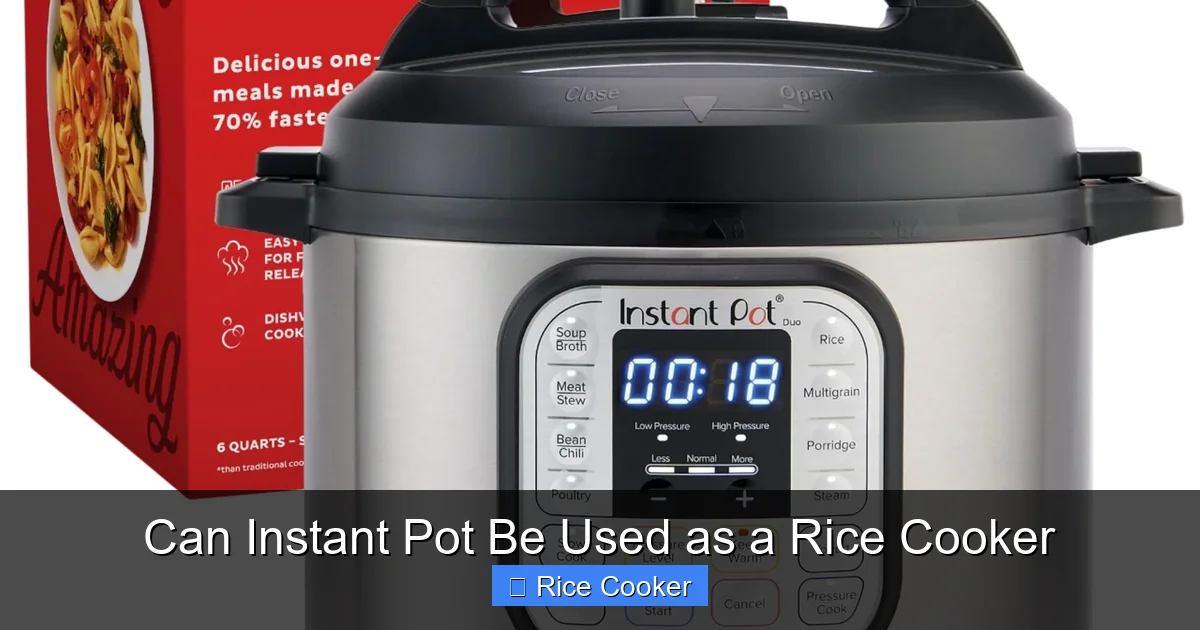
Visual guide about Can Instant Pot Be Used as a Rice Cooker
Image source: images-na.ssl-images-amazon.com
Unlike traditional rice cookers that rely solely on convection heating, the Instant Pot’s pressure cooking mode allows for faster cooking times while maintaining texture. For example, cooking brown rice in a regular rice cooker might take 40–50 minutes, but in an Instant Pot, it’s done in about 22–28 minutes using the pressure cook function.
Types of Rice Settings Available
Modern Instant Pots come with multiple rice-specific settings to accommodate different grain types. Here are some of the most common presets:
- White Rice: Ideal for long-grain varieties like basmati or jasmine.
- Brown Rice: Designed for whole grains that require longer cooking times.
- Sushi Rice: A special mode that cooks short-grain rice to the perfect stickiness.
- Quick Rice: Cooks rice faster by skipping the pre-soaking step.
- Risotto: Stirs rice continuously during cooking for creamy results.
- Porridge: Great for oatmeal or congee.
Each setting adjusts water ratios, cook time, and sometimes even stir patterns (in models with stirring functions) to deliver optimal results.
Manual vs. Preset Cooking
While presets are convenient, you can also manually adjust cooking parameters for full control. For instance, if you prefer firmer rice or want to experiment with different water-to-rice ratios, you can skip the preset and set the timer and pressure level yourself. This flexibility makes the Instant Pot suitable for both beginners and experienced cooks.
Types of Rice Perfectly Suited for Instant Pot Cooking
Not all rice is created equal, and each type behaves differently when cooked. Fortunately, the Instant Pot can handle them all—with a little know-how.
White Rice
If you’re making classic white rice for fried rice, pilafs, or side dishes, the Instant Pot is your best friend. Long-grain white rice like Jasmine or Basmati comes out light and fluffy, with no mushy clumps. The secret? Use a 1:1.25 to 1:1.5 ratio of water to rice (e.g., 1 cup rice to 1.25–1.5 cups water).
Pro Tip: Let the rice sit in the keep-warm mode for 10 minutes after cooking. This allows residual steam to finish hydrating the grains, giving you a better texture.
Brown Rice
Brown rice takes longer to cook due to its bran layer, but the Instant Pot’s pressure cooking method speeds things up significantly. It typically requires 22–28 minutes under high pressure with a 1:1.5 to 1:2 water ratio. Because brown rice absorbs more water, it benefits from soaking for 20–30 minutes before cooking—this reduces cook time and improves tenderness.
Keep in mind that brown rice may still have a slightly chewier texture compared to white rice, which is normal and expected.
Jasmine and Basmati Rice
These aromatic long-grain varieties shine in the Instant Pot. Jasmine rice becomes fragrant and slightly sticky when cooked properly, while Basmati remains separate and light. Both perform best with a 1:1.25 water ratio and benefit from rinsing before cooking to remove excess starch.
Sushi Rice
Making sushi rice at home can be tricky, but the Instant Pot simplifies it. Use short-grain sushi rice with a 1:1.1 water ratio and select the “Sushi” preset. The result? Soft, slightly sticky rice perfect for rolling sushi or eating as onigiri.
Specialty Grains
Beyond rice, the Instant Pot excels with other grains like quinoa, millet, farro, and barley. These often require different water ratios and longer cook times, but the same principles apply: rinse, measure water carefully, and use the appropriate setting.
Step-by-Step Guide: How to Cook Rice in an Instant Pot
Cooking rice in your Instant Pot is surprisingly simple. Follow these steps for foolproof results every time.
Gather Your Ingredients
- 1 cup of rice (any variety)
- Water (ratio depends on rice type—see chart below)
- Optional: salt, butter, or oil
Preparation Tips
- Rinse the rice: Place rice in a fine-mesh strainer and rinse under cold water until the water runs clear. This removes surface starch and prevents clumping.
- Soak (optional): For brown rice or risotto, soak for 20–30 minutes to reduce cook time and improve texture.
- Add water: Use the recommended water-to-rice ratio. A general rule: 1 cup rice = 1.25–1.75 cups water depending on grain type.
Cooking Process
- Place the inner pot in the Instant Pot.
- Add rinsed rice and water.
- Close the lid and ensure the vent is set to “Sealing.”
- Select the appropriate rice preset (e.g., “White Rice,” “Brown Rice”).
- Press “Start.” The cook time will begin automatically.
- Once cooking finishes, let the pressure release naturally for 10 minutes, then perform a quick release for any remaining pressure.
- Fluff the rice with a fork and serve.
Water Ratios by Rice Type
| Rice Type | Water Ratio (1:__) | Cook Time (High Pressure) |
|---|---|---|
| White Rice | 1.25–1.5 | 3–4 minutes |
| Brown Rice | 1.5–2 | 22–28 minutes |
| Jasmine Rice | 1.25 | 3 minutes |
| Basmati Rice | 1.25 | 4 minutes |
| Sushi Rice | 1.1 | 3 minutes |
| Quinoa | 1.5 | 1 minute |
Advantages of Using an Instant Pot as a Rice Cooker
Why choose an Instant Pot over a dedicated rice cooker? The answer lies in its versatility, efficiency, and consistent performance.
Time Efficiency
The Instant Pot cooks rice faster than most electric rice cookers, especially for brown rice and other dense grains. While traditional cookers may take 45+ minutes, the Instant Pot gets it done in under 30 minutes.
Energy Savings
Because it uses pressurized steam rather than constant heating coils, the Instant Pot consumes less energy overall. It heats up quickly and retains heat well, reducing electricity usage.
One-Pot Wonder
You don’t need separate pots for rice and other dishes. The same inner pot used for rice can later hold soups, stews, or sautéed vegetables—maximizing kitchen efficiency.
Consistent Results
The sealed environment and digital controls eliminate guesswork. No more overcooked or undercooked rice—just perfect grains every single time.
Large Capacity Options
Instant Pots come in sizes from 6 to 8 quarts, meaning you can cook a full pot of rice for a family of six without hassle. Some models even allow you to cook multiple servings simultaneously.
Additional Functions
Beyond rice, you can sauté ingredients, slow cook chili, steam vegetables, make yogurt, and more. One appliance replaces several kitchen tools.
Common Mistakes and How to Avoid Them
Even with the best tools, mistakes happen. Here’s how to troubleshoot and improve your rice game.
Mistake 1: Not Rinsing the Rice
Skipping the rinse leaves excess starch on the surface, leading to gummy or clumpy rice. Always rinse until the water is clear.
Mistake 2: Wrong Water Ratio
Too much water = soggy rice. Too little = dry and hard. Stick to the recommended ratios and adjust slightly based on altitude or grain freshness.
Mistake 3: Not Letting Rice Rest
Resisting the urge to open the lid immediately prevents steam from escaping prematurely. Let it rest 5–10 minutes after cooking to finish hydration.
Mistake 4: Using Cold Water
Starting with cold water can extend cook time and affect texture. Use room-temperature or warm water for better results.
Mistake 5: Overfilling the Pot
The inner pot should never be filled beyond halfway. This ensures proper steam circulation and prevents overflow.
Mistake 6: Ignoring the Keep-Warm Feature
The keep-warm function isn’t just for holding food—it helps finalize the cooking process by allowing residual steam to penetrate the grains.
Tips for Perfect Rice Every Time
Want to elevate your rice game? Try these expert tips.
- Use a timer: Even though the Instant Pot auto-starts, set a kitchen timer for the resting phase to avoid opening the lid too early.
- Add flavor: Cook rice in broth instead of water for extra taste. Chicken or vegetable broth works great.
- Try coconut milk: For a creamy twist, replace half the water with coconut milk—perfect for Thai or Indian-inspired dishes.
- Fluff gently: Use a silicone spatula to fluff, not a metal fork, which can mash the grains.
- Clean promptly: Rinse the inner pot immediately after use to prevent dried-on starch.
Comparing Instant Pot to Traditional Rice Cookers
Is the Instant Pot better than a rice cooker? It depends on your needs.
Speed
Instant Pot wins for brown rice and tough grains due to pressure cooking. Standard rice cookers are slower but gentler on delicate grains like sushi rice.
Versatility
Instant Pot clearly edges out here. You can cook rice, soup, yogurt, eggs, and more. Most rice cookers only do rice (though some have steaming functions).
Texture Control
Traditional rice cookers often have superior texture consistency for white rice, thanks to their convection-based heating. However, modern Instant Pots have closed the gap significantly.
Cost
A high-end rice cooker can rival the price of an Instant Pot. But considering the added functions, many find the Instant Pot more cost-effective in the long run.
Ease of Use
Both are user-friendly, but Instant Pot presets are intuitive. Rice cookers often have fewer options but simpler operation.
Conclusion: Is the Instant Pot Worth Using as a Rice Cooker?
Absolutely. The Instant Pot isn’t just a pressure cooker—it’s a powerhouse kitchen tool that handles rice with grace, speed, and precision. Whether you’re making fluffy white rice for tacos, hearty brown rice for bowls, or sticky sushi rice for homemade rolls, the Instant Pot delivers reliable results.
Its ability to multitask means you spend less time cooking and more time enjoying your meals. Plus, with features like delay start, keep-warm, and customizable settings, it adapts to your lifestyle. And let’s be honest—who doesn’t love coming home to a perfectly cooked pot of rice waiting for them?
So next time you reach for your rice cooker, consider giving your Instant Pot a try. You might just discover your new favorite way to cook rice.
Frequently Asked Questions
Can I use my Instant Pot to cook sushi rice?
Yes, the Instant Pot has a dedicated “Sushi” setting that cooks short-grain rice to the perfect sticky texture needed for sushi. Use a 1:1.1 water ratio and follow the preset instructions for best results.
Do I need to soak brown rice before cooking it in an Instant Pot?
Soaking is optional but recommended. Soaking brown rice for 20–30 minutes reduces cook time and improves texture, helping it stay tender without becoming mushy.
How do I prevent my rice from being too wet or too dry?
Follow the correct water-to-rice ratio for your grain type. Also, avoid opening the lid during cooking. If rice is too wet, drain excess liquid; if too dry, add a splash of water and let it sit covered for 5 minutes.
Can I cook multiple types of rice in one pot?
It’s best to cook one type at a time. Mixing grains with different cook times (like white and brown rice) leads to uneven results. Plan accordingly or cook in separate batches.
Is the Instant Pot rice cooker function better than a traditional rice cooker?
It depends on what you prioritize. The Instant Pot is faster for certain grains and more versatile, but traditional rice cookers may offer more consistent texture for white rice. Many users prefer the Instant Pot for its multifunctionality.
How do I clean my Instant Pot after cooking rice?
Unplug the appliance and remove the inner pot. Wash it with warm, soapy water or place it in the dishwasher (if labeled safe). Wipe the exterior with a damp cloth. Never immerse the main unit in water.