
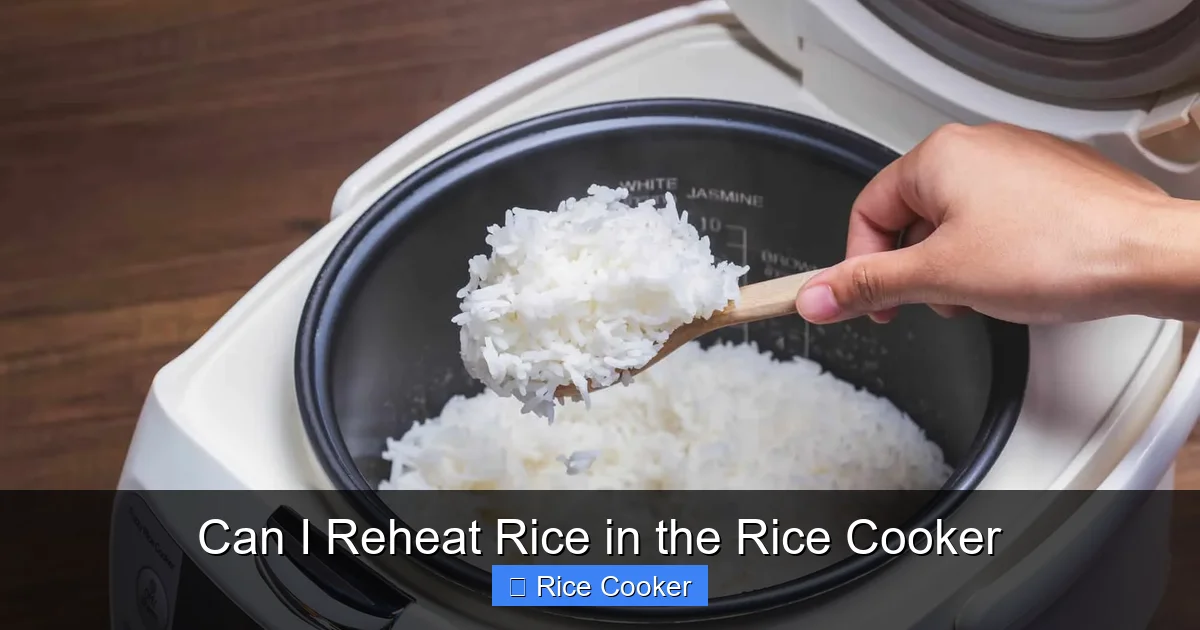
Reheating rice in a rice cooker is not only possible but also one of the easiest ways to enjoy leftover rice again. With just a splash of water or broth, your rice cooker can gently warm through your meal while keeping it from drying out. Whether you’re using an electric rice cooker or a stovetop model, this method saves time and ensures consistent results every time.
You’ve just finished a delicious meal—maybe fried rice, curry with steamed jasmine rice, or even sushi-grade sashimi over perfectly cooked basmati. But then… you realize there’s still a full container left. Instead of tossing it or eating cold cereal for dinner (we get it), you might wonder: Can I reheat rice in the rice cooker? The short answer? Absolutely! In fact, using your rice cooker is one of the most efficient and gentle ways to revive leftover rice without turning it into a gluey mess.
But before you press “start,” let’s talk about why this works so well—and how to do it right. Whether you own a basic 5-cup rice cooker or a high-tech multi-function model with steaming trays and delay timers, understanding the nuances of reheating will save you time, reduce waste, and keep your meals tasting great.
In this guide, we’ll walk you through everything you need to know: from safety precautions and step-by-step instructions to troubleshooting common issues like mushy rice or uneven heating. Plus, we’ll share pro tips for different types of rice, storage hacks, and even alternatives if your cooker isn’t ideal for reheating. By the end, you’ll feel confident reheating rice in your rice cooker like a seasoned home chef.
Key Takeaways
- Safety First: Always check that your rice cooker is clean and free of old residue before reheating to prevent bacterial growth.
- Moisture Matters: Adding a small amount of liquid (water, broth, or oil) helps prevent the rice from becoming dry or sticky during reheating.
- Heat Settings Vary: Not all rice cookers have the same functions—some have “warm” or “reheat” modes; others require manual timing on low heat.
- Fluffy Results: Stirring halfway through helps distribute heat evenly and restores a light, separated texture.
- Avoid Overcooking: Reheat only what you plan to eat soon; prolonged heating can compromise food safety and quality.
- Best Rice Types: White rice reheats better than brown rice due to lower fiber content and faster moisture retention.
- Storage Tips: Store cooled rice in airtight containers within two hours of cooking to maintain freshness and reduce reheating time.
📑 Table of Contents
- Why Reheating Rice in a Rice Cooker Works So Well
- Step-by-Step Guide: How to Reheat Rice in Your Rice Cooker
- Troubleshooting Common Reheating Problems
- Best Practices for Safe Rice Storage and Reheating
- Different Rice Types and Their Reheating Needs
- Alternative Methods vs. Rice Cooker Reheating
- Final Thoughts: Embrace Your Rice Cooker’s Full Potential
Why Reheating Rice in a Rice Cooker Works So Well
The magic behind reheating rice in a rice cooker lies in its design. Unlike microwaves or ovens—which can zap moisture unevenly or create hot spots—rice cookers use slow, steady heat wrapped in insulation. This gentle warmth penetrates the grains gradually, helping them reabsorb lost moisture without overcooking.
Most modern rice cookers also feature thick ceramic inner pots that retain heat beautifully. When you add just enough liquid and set the right temperature, the rice cooks itself—no babysitting required. And because the lid traps steam, humidity stays inside, preventing the rice from drying out. It’s basically like giving your leftovers a cozy little spa day.
Another advantage? Convenience. You don’t need to transfer the rice to another pot or worry about monitoring it constantly. Just pop it in, add a splash of something flavorful (like soy sauce, sesame oil, or broth), and let the machine do the work. That’s why many home cooks swear by their rice cooker for reheating—it’s fast, foolproof, and produces restaurant-quality results.
Step-by-Step Guide: How to Reheat Rice in Your Rice Cooker
Visual guide about Can I Reheat Rice in the Rice Cooker
Image source: ovenspot.com
Ready to try it yourself? Follow these simple steps to reheat rice safely and effectively:
1. Prepare Your Leftover Rice
Start by taking your refrigerated or room-temperature leftover rice out of storage. If it’s been sitting in the fridge for more than 48 hours, consider checking for any unusual smells or mold before proceeding. Discard anything questionable—your health comes first.
Next, fluff the rice with a fork. This breaks up clumps and ensures even heating later. Don’t worry if it looks a bit compacted; that’s normal after cooling.
2. Add Moisture and Flavor (Optional)
Dry rice reheats poorly because it lacks the moisture needed to steam properly. To fix this, add 1–2 tablespoons of water per cup of rice. For extra flavor, swap water for chicken broth, vegetable stock, or even a drizzle of olive oil or sesame oil. If you’re making Japanese-style rice, a pinch of salt goes a long way.
Stir everything together gently so the liquid gets distributed evenly.
3. Transfer to the Rice Cooker Pot
Place the prepared rice into the inner pot of your rice cooker. Make sure the pot is clean—residue from previous meals can affect taste and safety. A quick rinse under hot water usually does the trick.
Do not fill the pot beyond two-thirds full. Rice expands when heated, so leaving space prevents overflow.
4. Choose the Right Setting
Now comes the tricky part: figuring out which button to press. Here’s a cheat sheet based on common rice cooker models:
- Basic Models (e.g., Zojirushi NS-ZCC10): These typically only have “Cook” and “Warm” buttons. For reheating, press “Warm” and let it run for 15–20 minutes. Avoid using “Cook” unless you’re adding raw ingredients.
- Advanced Models (e.g., Instant Pot Duo): Look for a “Slow Cook,” “Keep Warm,” or “Reheat” function. Set it to low heat (around 200°F/93°C) and monitor occasionally.
- Microwave-Safe Rice Cookers: Some brands allow direct microwaving, but always follow manufacturer guidelines.
If your cooker doesn’t have a dedicated reheat mode, use the lowest setting available and set a timer. Most experts recommend reheating at no higher than 165°F (74°C) to kill potential bacteria like *Bacillus cereus*, which can survive refrigeration.
5. Monitor and Stir Midway
After 10 minutes, open the lid and give the rice a gentle stir. This redistributes heat and moisture, especially important if some grains are still cool. Be careful—the steam may be hot!
Continue reheating until the rice feels uniformly warm throughout. Total time usually ranges from 15 to 25 minutes, depending on quantity and starting temperature.
6. Serve Immediately or Keep Warm
Once done, serve the rice right away for the best texture. If you’re waiting for guests or running late, switch the cooker to “Warm” mode—but remember, the rice should never sit on warm for more than 2 hours total (including initial cooking).
Troubleshooting Common Reheating Problems
Even with perfect technique, things can go wrong. Here’s how to fix the most frequent issues:
Mushy or Sticky Rice
This usually happens when too much liquid is added or the rice is overheated. To rescue it:
- Remove the pot from heat and uncover for 5 minutes—this lets excess steam escape and firms up the texture.
- Add a tablespoon of cold water, mix well, and return to “Warm” for 5 more minutes.
- For future batches, reduce liquid by half and reheat in shorter intervals.
Uneven Heating (Some Grains Still Cold)
Cold spots often occur in large batches or older cookers with worn heating elements. Try:
- Breaking the rice into smaller portions (max 2 cups per reheat).
- Stirring more frequently during reheating.
- Pre-warming the inner pot by rinsing it with hot water before adding rice.
Rice Has a Strange Smell or Taste
Old rice stored improperly can develop off-flavors. Signs include sourness, mustiness, or a metallic odor. If you detect any of these, discard the batch immediately. Always store rice in airtight containers in the fridge within two hours of cooking.
Best Practices for Safe Rice Storage and Reheating
Food safety is non-negotiable when dealing with rice. Here’s how to minimize risks:
Store Properly
Cool cooked rice quickly by spreading it in shallow containers. Refrigerate within two hours (one hour if ambient temps exceed 90°F/32°C). Use glass or BPA-free plastic containers with tight lids.
Label and Date Everything
Write the date on your container so you know exactly how long it’s been stored. Freshly cooked rice lasts 3–4 days in the fridge; frozen rice keeps for up to 6 months.
Never Reheat More Than Once
Each time you reheat rice, harmful bacteria multiply rapidly. Always treat leftover rice as single-use—don’t freeze-reheat-freeze-reheat repeatedly.
Check Temperature Before Serving
Use a food thermometer to confirm the internal temperature reaches at least 165°F (74°C). This kills pathogens and ensures safe consumption.
Different Rice Types and Their Reheating Needs
Not all rice behaves the same during reheating. Here’s what to expect:
White Rice (Jasmine, Basmati, Long-Grain)
These varieties reheat beautifully thanks to low fiber and high starch content. They stay fluffy and separate easily. Jasmine rice, in particular, regains its signature fragrance when warmed with a touch of coconut milk or fish sauce.
Brown Rice
Higher in fiber and oils, brown rice tends to become denser and chewier when reheated. To improve results:
- Add slightly more liquid (¼ cup per cup of rice).
- Reheat in shorter bursts with stirring.
- Consider mixing with broth instead of plain water for added tenderness.
Sushi Rice
Because it’s stickier and higher in vinegar, sushi rice can turn gummy if overheated. Reheat gently using the “Warm” setting for just 10–12 minutes. Avoid boiling or high heat.
Fried or Curried Rice
These already contain vegetables, protein, or sauces, so they benefit from extra flavor during reheating. Add a splash of soy sauce, oyster sauce, or chili oil to revive the dish.
Alternative Methods vs. Rice Cooker Reheating
While the rice cooker is convenient, other methods exist. Let’s compare:
Microwave (Best for Speed)
Pros: Fast, even heating, no extra equipment needed. Cons: Can create rubbery spots if not stirred often. Tip: Cover with damp paper towels to retain moisture.
Oven or Stovetop (Best for Large Batches)
Pros: Great for families or meal prep. Cons: Requires constant attention. Method: Spread rice on a baking sheet, cover tightly with foil, and warm at 300°F (150°C) for 10–15 minutes.
Air Fryer (Fun and Effective)
Many modern air fryers handle small amounts of rice well. Preheat to 320°F (160°C), place rice in a greased tray, and cook for 8–10 minutes with occasional flipping.
Among these, the rice cooker strikes the best balance between ease, safety, and quality—especially for everyday use.
Final Thoughts: Embrace Your Rice Cooker’s Full Potential
So, can you reheat rice in the rice cooker? Absolutely—and now you know exactly how to do it safely, efficiently, and deliciously. This humble kitchen appliance isn’t just for making perfect white rice once a week. With a little know-how, it becomes your secret weapon against food waste, boring dinners, and last-minute stress.
Remember: moisture, moderation, and monitoring are your best friends. Whether you’re reviving a pot of biryani, warming up congee, or prepping next-day fried rice, your rice cooker has got your back.
And hey—next time you make a big batch, think twice before throwing anything away. With these tips, every grain counts.
Frequently Asked Questions
Is it safe to reheat rice in a rice cooker?
Yes, as long as you follow food safety guidelines. Reheat rice to at least 165°F (74°C) and avoid doing so more than once. Always ensure the cooker is clean and the rice hasn’t spoiled.
How much water should I add when reheating rice?
Add 1–2 tablespoons of liquid per cup of rice. Water works fine, but broth or oil adds extra flavor. Adjust based on how dry your leftover rice is.
Can I reheat rice directly in the microwave-safe rice cooker pot?
Only if the manufacturer specifies it’s microwave-safe. Otherwise, transfer the rice to a microwave-safe bowl for reheating.
Why does my reheated rice turn out sticky?
Too much liquid or overheating causes stickiness. Try reducing water next time, reheating in shorter intervals, or uncovering briefly to release excess steam.
How long can I keep leftover rice in the fridge?
Store cooled rice in the refrigerator within two hours of cooking. It stays safe for 3–4 days when kept in an airtight container.
Can I freeze rice to reheat later?
Yes! Freeze rice in portions for up to 6 months. Thaw overnight in the fridge before reheating in the rice cooker or microwave.