
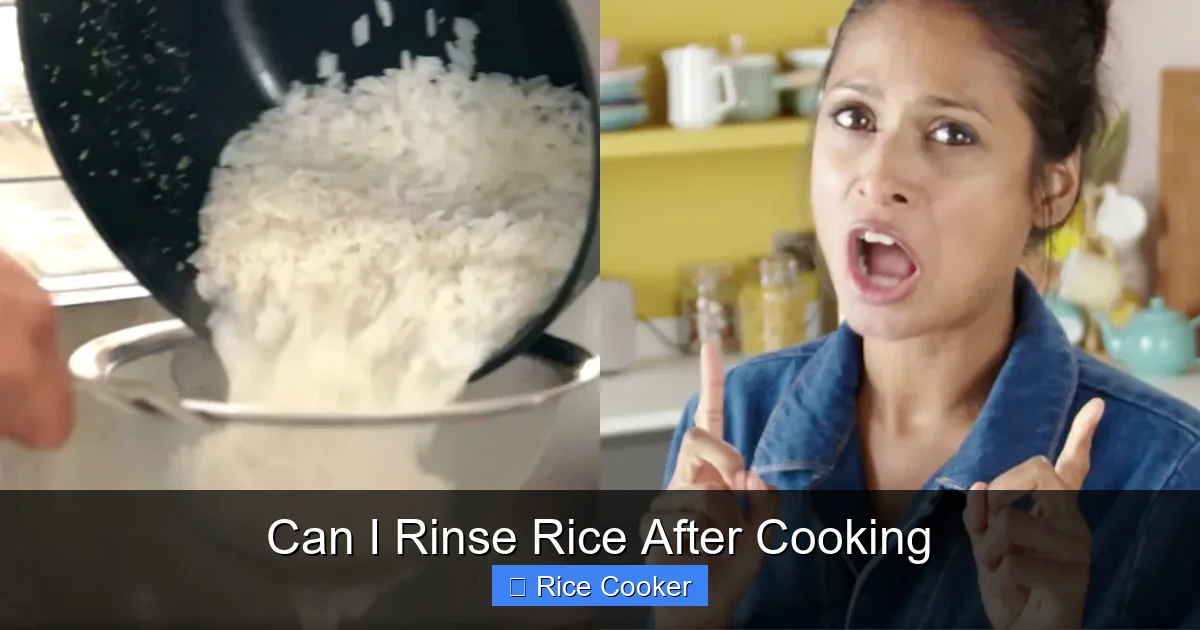
Can I rinse rice after cooking? Yes, but only if needed. Rinsing removes excess starch and helps prevent mushiness—ideal for fluffy jasmine or sushi rice. However, rinsing cooked rice isn’t always necessary and can waste time and nutrients. The key is knowing your rice type and how it cooks.
Have you ever finished making a pot of rice only to wonder: “Can I rinse rice after cooking?” You’re not alone. It’s a common question that pops up in kitchens across the world, especially among home cooks trying to perfect their technique. Whether you’re using a traditional pot on the stove or a modern rice cooker, the way you handle your rice at each stage—before, during, and after cooking—can make a real difference in taste, texture, and even nutrition.
But here’s the thing: rinsing rice *after* it’s been cooked doesn’t offer the same benefits as rinsing it before. In fact, doing so might actually do more harm than good. So let’s clear things up once and for all. We’ll explore why people ask this question, what actually happens when you rinse cooked rice, and when (if ever) it makes sense to do it. By the end of this article, you’ll know exactly how to treat your rice—no guesswork involved.
Key Takeaways
- Rinsing cooked rice is optional: Unlike pre-rinsing raw rice, rinsing already-cooked rice serves no practical purpose and may remove flavor.
- Pre-rinsing matters more: Washing uncooked rice before boiling removes surface starch, preventing clumping and improving texture.
- Only rinse if reheating: If you plan to cool and reuse rice, a quick rinse helps prevent sticking during storage or reheating.
- Don’t over-rinse: Excess water during rinsing leaches out vitamins and minerals like B1 and niacin.
- Type of rice affects need: Starchy rices (like white rice) benefit from rinsing; glutinous or parboiled varieties usually don’t need it.
- Hygiene first: Always use clean water and utensils when handling rice to avoid contamination.
- Save time smartly: Skip post-cook rinsing unless specifically needed—your rice will still be delicious!
📑 Table of Contents
- Why Do People Rinse Rice Anyway?
- The Science Behind Rice Starch
- When Is It Okay—or Even Advisable—to Rinse Cooked Rice?
- Common Misconceptions About Rinsing Rice
- How to Properly Prepare Rice Before Cooking
- Best Practices for Storing and Reusing Cooked Rice
- Regional Differences in Rice Preparation
- Environmental and Nutritional Considerations
- Final Thoughts: Should You Rinse Rice After Cooking?
Why Do People Rinse Rice Anyway?
To understand whether you can rinse rice after cooking, we first need to look at why anyone would want to rinse rice in the first place. Most people rinse rice because they’ve heard it improves the final dish—making it fluffier, less sticky, or cleaner-tasting. But that advice usually applies to raw rice, not the kind sitting on your plate.
When you rinse uncooked rice under cold water, you’re removing surface starch. That starch is what causes rice grains to stick together during cooking. Think of it like flour dust on your hands—it creates friction and clumping. By washing it away, you get separate, tender grains instead of a gluey mass. This is especially important for short-grain varieties like sushi rice or jasmine rice, which are naturally stickier.
However, once rice has been fully cooked, those starch molecules have already gelatinized—meaning they’ve absorbed water and softened. At this point, rinsing won’t un-glue them. Instead, it just wastes time, uses extra water, and possibly washes away some of the flavor and nutrients locked into the grain.
The Science Behind Rice Starch
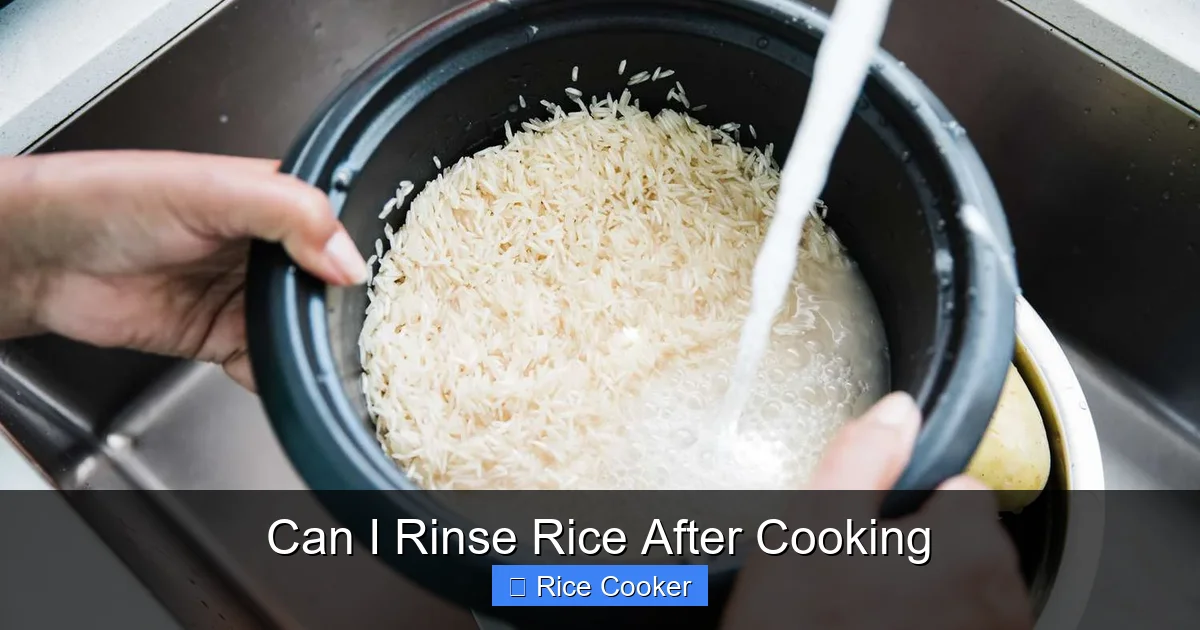
Visual guide about Can I Rinse Rice After Cooking
Image source: news.farmvina.com
Understanding rice at a molecular level helps explain why pre-rinsing works—and why post-cook rinsing doesn’t. Rice contains two types of starch: amylose and amylopectin. The ratio between these two determines how sticky or dry your rice turns out.
Short-grain rice, common in East Asia, has high levels of amylopectin, making it naturally sticky. Long-grain rice, like basmati or American long grain, contains more amylose, resulting in looser, fluffier grains. When you cook rice, water penetrates the grain and causes the starch to swell and release into the surrounding liquid. This process is called gelatinization.
Now, here’s where rinsing comes in. Before cooking, the surface of the rice grain holds tiny amounts of loose starch. Running cold water over it washes this off, reducing the chance that grains will fuse together during boiling. But once cooked, the starch inside the grain has already done its job—there’s nothing left to wash away that will improve texture.
So while you *can* rinse rice after cooking, it won’t change the outcome much. And unless you’re planning to cool and reuse the rice (more on that later), there’s little reason to do it.
When Is It Okay—or Even Advisable—to Rinse Cooked Rice?
Despite the general rule against rinsing cooked rice, there are a few exceptions where it might help. Let’s go through them carefully.
1. Reheating Leftover Rice
If you’re storing cooked rice and plan to reheat it later, a quick rinse before refrigeration can prevent it from forming a hard crust or becoming too moist. After cooking and letting the rice cool slightly, spread it out on a baking sheet or shallow container to chill quickly. Once cooled, give it a light rinse with cold water and pat dry before storing. This reduces moisture buildup and keeps grains from clumping during reheating.
2. Removing Excess Moisture
Sometimes rice comes out overly wet—maybe your rice cooker ran longer than usual or the water-to-rice ratio was off. In such cases, draining and rinsing gently can help salvage the batch. Just be gentle! Over-handling soft, cooked grains can turn them into paste.
3. Preparing Cold Rice Dishes
Dishes like tabbouleh, rice salads, or fried rice often call for room-temperature or chilled rice. If your rice is too warm or slightly stuck together, a quick rinse under cold water while stirring lightly can separate the grains without crushing them. Again, moderation is key.
4. Removing Unwanted Residue
In rare cases—like if your rice absorbed odors from other foods during cooking or developed an odd taste—a brief rinse might help neutralize flavors. But this is more about sensory correction than structural improvement.
Remember: in all these scenarios, the goal isn’t to “clean” the rice chemically, but to manage texture and usability. Always use clean, filtered water and avoid prolonged soaking, which can lead to nutrient loss.
Common Misconceptions About Rinsing Rice
Many kitchen myths surround rice preparation, and rinsing cooked rice is one of the biggest. Let’s bust a few:
Myth #1: “Rinsing cooked rice makes it cleaner.”
False. Rice is sterile when harvested and processed. Cooking kills any remaining microbes. Rinsing afterward adds no health benefit—only potential downsides like lost nutrients.
Myth #2: “You must rinse rice no matter what.”
Not true. Some rices, like brown rice or parboiled rice, are meant to be cooked without rinsing because their outer bran layer contains healthy fats and fiber. Over-washing can strip these away.
Myth #3: “Rinsing removes toxins.”
No scientific evidence supports this. Rice is generally safe to eat straight from the package after cooking. Rinsing raw rice won’t detoxify it either.
These misconceptions likely stem from confusion between steps for different cuisines or misunderstandings about food safety protocols. Clarity starts with facts—not assumptions.
How to Properly Prepare Rice Before Cooking
Since pre-rinsing is so important, let’s focus on the right way to prepare rice before it hits the heat. Here’s a simple, foolproof method:
1. **Measure your rice** accurately using a measuring cup (not volume cups meant for flour).
2. **Place rice in a fine-mesh strainer** or large bowl.
3. **Add cold water**, enough to cover the rice by about an inch.
4. **Gently rub the grains** with your fingers for 30–60 seconds. Don’t scrub aggressively—you’re just loosening surface starch.
5. **Drain and repeat** 2–3 times until the water runs relatively clear (though a slight cloudiness is normal).
6. **Rinse again** just before cooking if desired.
This process ensures minimal nutrient loss while maximizing fluffiness. For sturdier grains like brown rice, reduce rinsing to once or twice to preserve texture.
Best Practices for Storing and Reusing Cooked Rice
Even if you don’t rinse cooked rice immediately, proper storage is essential—especially since leftover rice can harbor bacteria if left at room temperature too long. Follow these guidelines:
– **Cool quickly**: Spread rice in a thin layer on a baking sheet or tray to speed up cooling.
– **Refrigerate within 2 hours**: Bacteria grow rapidly above 40°F (4°C).
– **Store in airtight containers**: Keep portions small so reheating is efficient.
– **Use within 3–5 days**: Past that, quality and safety decline.
– **Reheat thoroughly**: Bring to an internal temp of 165°F (74°C).
If you notice sliminess, sour smell, or unusual color, discard the rice—don’t risk foodborne illness.
Regional Differences in Rice Preparation
Different cultures approach rice differently, and understanding these traditions can clarify why rinsing practices vary.
In Japan and Thailand, sushi rice and jasmine rice are always rinsed multiple times before cooking to achieve that signature glossy, non-sticky finish. In contrast, Indian basmati rice is typically rinsed only once or skipped entirely, then soaked briefly before cooking to elongate the grains.
American-style long-grain rice often skips rinsing altogether because it’s designed to be fluffy straight from the box. Meanwhile, European chefs may prefer unrinsed rice for risottos, where creaminess is desired.
These differences highlight that “one-size-fits-all” rules don’t apply. Always consider your rice variety and intended use.
Environmental and Nutritional Considerations
While rinsing cooked rice isn’t harmful per se, it does raise environmental and nutritional concerns worth noting.
Each rinse uses several liters of water—water that could otherwise be saved through conservation efforts. Globally, millions of people face water scarcity, so minimizing unnecessary rinsing aligns with sustainable practices.
Nutritionally, rice—especially brown rice—contains valuable B vitamins and fiber. Washing it away reduces dietary intake. White rice loses most of these nutrients during processing anyway, but whole grains benefit from being handled gently.
That said, if you’re rinsing raw rice as part of standard prep, the trade-off between convenience and nutrition is generally acceptable. But for cooked rice? There’s no upside.
Final Thoughts: Should You Rinse Rice After Cooking?
After diving deep into the science, traditions, and practicalities, the answer is clear: **you can rinse rice after cooking, but you shouldn’t need to.**
The benefits of rinsing cooked rice are negligible at best. In most cases, it’s a waste of time, water, and effort. Unless you’re dealing with specific situations—like salvaging overcooked rice or preparing cold dishes—there’s no compelling reason to do it.
Instead, focus on proper pre-rinsing, accurate measurements, and timely storage. These habits yield better results with less hassle. Your rice cooker will thank you, and so will your kitchen sink.
Remember: great rice starts with good prep, not last-minute tricks. So next time you finish a perfect pot, leave it alone. Enjoy it as-is—it’s exactly how it should be.
Frequently Asked Questions
Is it bad to rinse cooked rice?
No, it’s not bad, but it’s unnecessary. Rinsing cooked rice doesn’t improve texture or safety and may waste water and nutrients. Use it only if reheating or adjusting moisture.
Does rinsing rice after cooking remove starch?
Mostly no. Once cooked, starch is embedded inside the grain. Surface starch has already dissolved during cooking, so rinsing won’t significantly affect stickiness.
Can I rinse rice after cooking to cool it faster?
Not recommended. Cold water contact can cause uneven cooling and promote bacterial growth if not handled properly. Let rice cool naturally or use ice baths carefully.
Should I rinse brown rice after cooking?
No. Brown rice benefits from minimal handling. Rinsing cooked brown rice offers no advantage and may strip away beneficial bran oils and fiber.
What happens if I rinse rice too much before cooking?
Over-rinsing removes excess starch and nutrients, potentially leading to flatter, less flavorful rice. Gentle washing is sufficient.
Can rinsing cooked rice prevent mold?
No. Mold prevention depends on proper cooling, storage, and refrigeration—not rinsing. Always store rice in clean, sealed containers.