
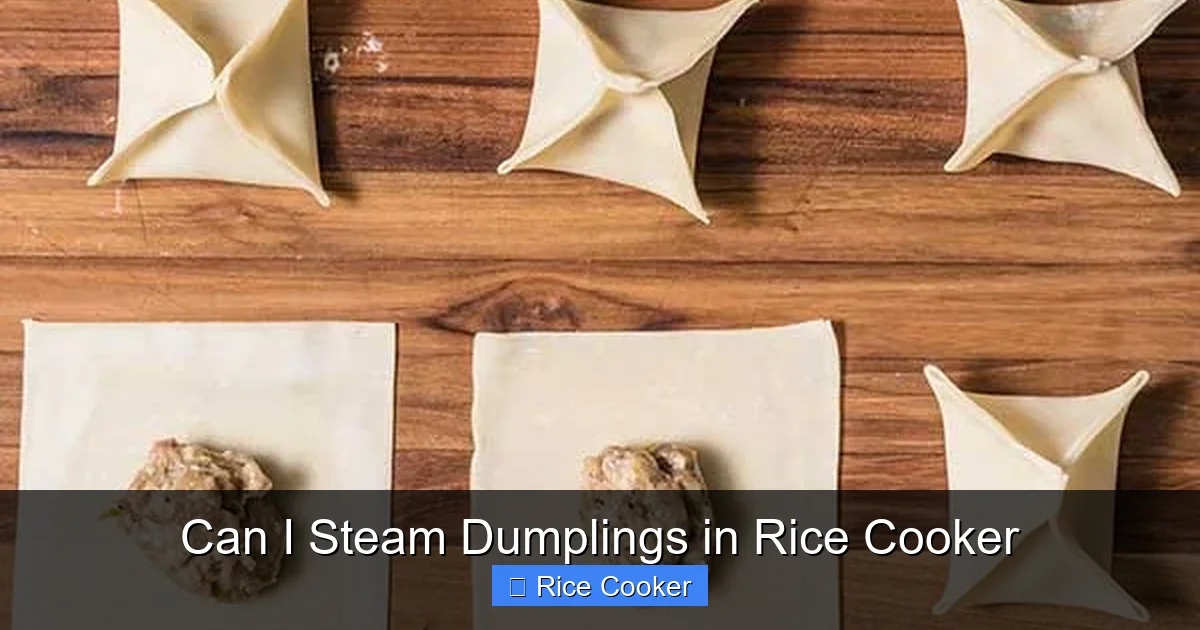
Can I steam dumplings in a rice cooker? Absolutely — and it’s one of the easiest ways to cook dumplings at home without special equipment. With just a few simple steps, you can achieve fluffy, tender dumplings every time using your trusty rice cooker. Whether you’re making frozen dumplings or fresh homemade ones, this method saves time and energy while delivering delicious results.
Key Takeaways
- Rice cookers are versatile: They can do more than just cook rice — steaming dumplings is just one of many functions.
- No extra tools needed: You don’t need a steamer basket or bamboo steamer; most rice cookers come with a built-in steam tray or water reservoir.
- Perfect texture every time: Steaming preserves the delicate structure of dumplings, keeping them from becoming soggy or falling apart.
- Frozen dumplings work great: No need to thaw — you can steam them directly from frozen for convenience.
- Saves time and energy: This method uses less electricity than boiling and reduces cleanup compared to frying.
- Customizable seasoning: Add soy sauce, vinegar, or chili oil after cooking to elevate flavor.
- Safety first: Always monitor water levels and avoid overfilling to prevent overflow or damage.
📑 Table of Contents
- Can I Steam Dumplings in Rice Cooker? The Short Answer Is Yes!
- How Does Steaming Work in a Rice Cooker?
- What Types of Dumplings Can Be Steamed in a Rice Cooker?
- Step-by-Step Guide: How to Steam Dumplings in a Rice Cooker
- Tips for Perfectly Steamed Dumplings Every Time
- Common Mistakes to Avoid
- Health Benefits of Steaming vs. Other Methods
- Creative Ways to Use Your Steamed Dumplings
- Cleaning and Maintaining Your Rice Cooker
- Conclusion: Why Steaming Dumplings in a Rice Cooker Is a Win
Can I Steam Dumplings in Rice Cooker? The Short Answer Is Yes!
You might be surprised to learn that your everyday kitchen appliance — the rice cooker — can do much more than just make perfect grains. One of its hidden talents is steaming dumplings, a method that’s quick, easy, and produces excellent results. Whether you’re craving pan-fried potstickers or want a healthier alternative to deep-frying, steaming dumplings in a rice cooker is a game-changer. It’s ideal for busy weeknights, meal prep, or when you simply don’t feel like standing over a hot stove.
Steaming is one of the gentlest cooking methods, which means it helps preserve the delicate texture and flavor of dumplings. Unlike boiling, where dumplings can become mushy or fall apart, steaming keeps them intact and moist. And unlike frying, which requires constant attention and adds extra oil, steaming uses only water and heat. Best of all, you don’t need any fancy accessories — most modern rice cookers have a built-in steam function or a removable inner lid that doubles as a steamer tray.
How Does Steaming Work in a Rice Cooker?
At its core, steaming in a rice cooker works by generating steam through boiling water. When you add water to the inner pot, heat turns it into vapor, which rises and cooks the food placed above it — in this case, your dumplings. The steam gently surrounds each dumpling, cooking the dough evenly and filling the pockets with moisture without submerging them in water.
Visual guide about Can I Steam Dumplings in Rice Cooker
Image source: cycookery.com
The Science Behind Steam Cooking
Steam transfers heat more efficiently than dry air because it condenses on the surface of the dumplings, releasing latent heat. This rapid heat transfer ensures that the dumplings cook quickly and uniformly. The high humidity also prevents the skin from drying out, resulting in tender, plump dumplings every time.
Why Rice Cookers Are Ideal for Steaming
Rice cookers are designed to maintain consistent temperatures and regulate heat automatically. Once the water boils and creates steam, the cooker senses the change and often switches to a “warm” mode to prevent overcooking. This feature is especially helpful when steaming dumplings, as they don’t need to be cooked for too long — usually 8–15 minutes depending on size and type.
What Types of Dumplings Can Be Steamed in a Rice Cooker?
Almost any kind of dumpling works well in a rice cooker, but some are better suited than others. Here’s a breakdown of popular varieties and how they perform:
Frozen Dumplings
If you’ve ever opened a package of frozen dumplings, you know they’re convenient but tricky to cook properly. Boiling can lead to uneven heating, while frying requires oil and constant flipping. Steaming in a rice cooker solves both problems. Since frozen dumplings are already partially cooked, they usually only need 10–12 minutes to reach full temperature. Just place them on the steam tray and let the magic happen.
Fresh Homemade Dumplings
Homemade dumplings made with flour wrappers or even store-bought fresh ones cook beautifully in a rice cooker. The key is to ensure they’re not overcrowded so steam can circulate freely. If you’re making soup dumplings (xiao long bao), note that these contain hot liquid inside and may burst if overcooked — so keep an eye on timing.
Vegetarian and Gluten-Free Dumplings
These are perfect candidates for rice cooker steaming because they often have delicate textures that benefit from gentle heat. Whether filled with mushrooms, cabbage, or tofu, steaming preserves their natural flavors and prevents them from turning rubbery.
Step-by-Step Guide: How to Steam Dumplings in a Rice Cooker
Ready to try it yourself? Follow these simple steps for foolproof steamed dumplings:
Step 1: Prepare Your Rice Cooker
Start by checking your rice cooker model. Most have a removable inner lid or a dedicated steam tray. If yours doesn’t, you can improvise with aluminum foil or a heat-safe plate lined with parchment paper. Make sure the inner pot is clean and dry before adding water.
Step 2: Add Water to the Inner Pot
Add about 1–2 inches of water to the base of the rice cooker. Too little water won’t produce enough steam; too much can cause overflow. For most models, 1 cup is sufficient unless you’re steaming for longer periods.
Step 3: Place Dumplings on the Tray
Arrange your dumplings on the steam tray or a heat-safe dish. Don’t stack them too high — leave space between each dumpling for steam circulation. If using frozen dumplings, spread them out to thaw slightly during cooking.
Step 4: Close the Lid and Start Steaming
Secure the lid tightly and turn on the rice cooker. Select the “Steam” setting if available, or use the regular “Cook” function. The water will begin boiling, creating steam that cooks the dumplings from above.
Step 5: Monitor and Check Doneness
Cook for 8–15 minutes, depending on size and whether they’re frozen. To test, peek underneath: the skins should be translucent, slightly shiny, and firm to the touch. If they’re still stiff or cold, give them another minute.
Step 6: Serve Immediately
Carefully remove the tray using oven mitts or tongs. Serve warm with dipping sauces like soy sauce, vinegar, garlic chive oil, or spicy mustard. Enjoy as-is or pair with noodles or rice for a complete meal.
Tips for Perfectly Steamed Dumplings Every Time
Even though steaming in a rice cooker is straightforward, a few small tweaks can make all the difference:
- Use a rack or trivet: Elevate the dumplings off the bottom tray to ensure even steam flow and prevent them from sitting in condensation.
- Don’t overcrowd: Give each dumpling room to breathe. If you’re making a large batch, steam in smaller batches.
- Cover loosely during early stages: If your dumplings have fillings that release moisture (like cabbage or meat), loosely covering the lid can help retain steam without trapping excess water.
- Let them rest briefly: After cooking, let the dumplings sit for 1–2 minutes before serving. This allows residual heat to finish cooking them gently.
- Experiment with flavors: Add slices of ginger or scallions to the water for extra aroma, or toss steamed dumplings with sesame oil and green onions afterward.
Common Mistakes to Avoid
While the process is simple, beginners sometimes run into issues. Here’s how to dodge common pitfalls:
Mistake 1: Using Too Much Water
Adding too much water can lead to a wet mess and dilute the steam pressure. Stick to 1–2 cups max, depending on cooking time.
Mistake 2: Overcrowding the Tray
Packing dumplings too closely blocks steam from reaching all sides, leading to uneven cooking. Spread them out generously.
Mistake 3: Not Securing the Lid
A loose lid lets steam escape, reducing efficiency. Always make sure the lid clicks shut securely.
Mistake 4: Ignoring Frozen Dumpling Timing
Frozen dumplings take longer than fresh ones. Never assume they’ll be ready in 5 minutes — check after 10 and adjust as needed.
Mistake 5: Skipping the Steam Tray
Placing dumplings directly on the hot metal surface can cause sticking or burning. Always use a tray, plate, or foil barrier.
Health Benefits of Steaming vs. Other Methods
Steaming isn’t just convenient — it’s also healthier. Compared to frying or boiling, steaming retains more nutrients in the fillings, especially vitamins like C and B-complex, which can degrade in high heat or water.
It also avoids added fats, making it a great option for weight management or heart health. Plus, since dumplings are typically wrapped in wheat flour, choosing whole-grain wrappers or going low-carb with cauliflower-based ones can boost fiber intake.
Creative Ways to Use Your Steamed Dumplings
Once you master the basics, get creative! Try these fun ideas:
- Dumpling bowls: Top steamed dumplings with stir-fried veggies, rice, and a fried egg for a hearty bowl meal.
- Dumpling tacos: Crumble steamed dumplings into corn tortillas with lettuce, cilantro, and sriracha mayo.
- Dumpling salads: Shred cooled dumplings and mix with cucumber, radish, and a tangy vinaigrette.
- Dumpling dumpling: Re-steam leftover dumplings with new toppings for a fusion-style appetizer.
Cleaning and Maintaining Your Rice Cooker
After steaming, cleaning is easy. Let the inner pot cool completely before washing. Most parts are dishwasher-safe, but hand-washing preserves longevity. Wipe the exterior and steam vent with a damp cloth. Regular maintenance ensures your rice cooker stays in top shape for years.
Conclusion: Why Steaming Dumplings in a Rice Cooker Is a Win
In short, yes — you absolutely can steam dumplings in a rice cooker, and it might just become your new favorite kitchen hack. It’s fast, foolproof, and requires no special skills or equipment. Whether you’re cooking for one or feeding a crowd, this method delivers restaurant-quality dumplings right at home. Plus, it frees up your stovetop for other dishes, making meal prep more efficient.
From frozen supermarket finds to homemade creations, rice cooker steaming opens up a world of possibilities. It’s gentle on ingredients, kind to your schedule, and surprisingly tasty. So next time you’re craving dumplings, skip the fryer and give steaming a try. You’ll wonder why you didn’t think of it sooner.
Frequently Asked Questions
Can I steam frozen dumplings in a rice cooker?
Yes, frozen dumplings cook wonderfully in a rice cooker. They usually take 10–15 minutes to fully thaw and cook through. Just place them on the steam tray and follow the same steps as with fresh dumplings.
Do I need a special steamer basket for my rice cooker?
Not necessarily. Many rice cookers come with a built-in steam tray or removable inner lid that works perfectly. If yours doesn’t, you can use a heat-safe plate lined with parchment paper or aluminum foil.
How long does it take to steam dumplings in a rice cooker?
Fresh dumplings typically take 8–10 minutes, while frozen ones may need 12–15 minutes. Always check for doneness by ensuring the skin is translucent and firm.
Can I steam soup dumplings (xiao long bao) in a rice cooker?
Yes, but handle them carefully. Steam soup dumplings for 10–12 minutes, but avoid overcooking since the internal liquid can burst. Use a wide tray to prevent stacking.
Will my rice cooker overflow if I steam dumplings?
Overflow is rare if you use the correct amount of water (about 1–2 cups) and ensure the lid fits snugly. Never seal the vent completely, and avoid adding too much water.
Can I add seasonings to the water while steaming?
Absolutely! Adding slices of ginger, star anise, or scallions to the water infuses subtle aromas into the dumplings. Just remove them before serving.