
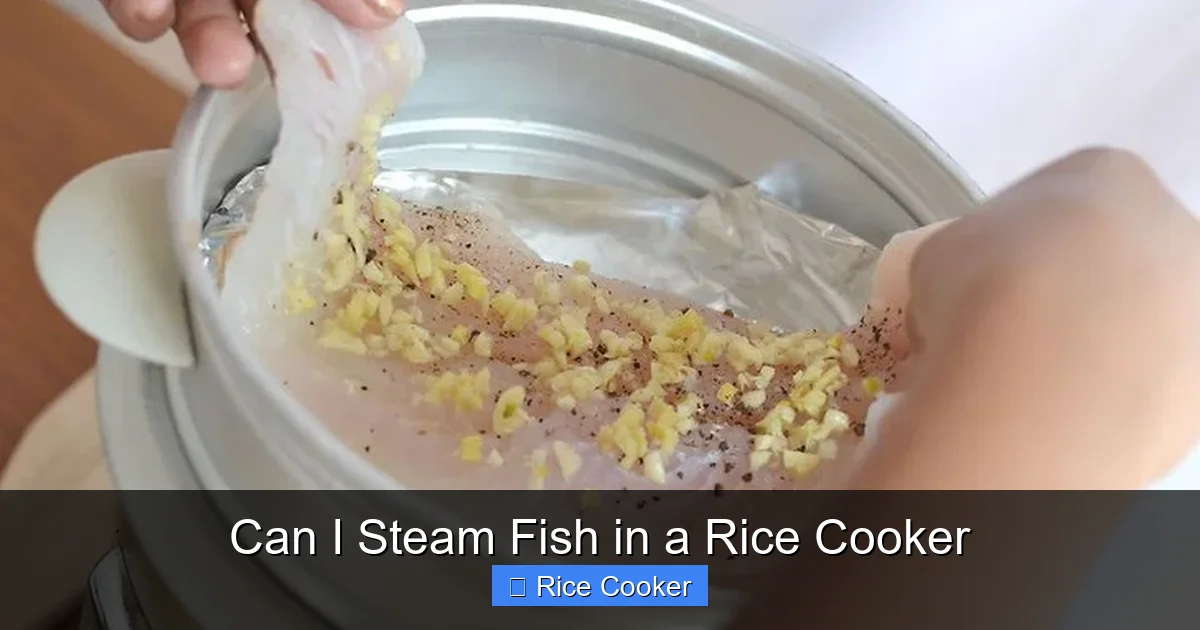
Yes, you can absolutely steam fish in a rice cooker—it’s a simple, efficient way to cook tender, flaky fish without extra equipment. With the right setup and timing, your rice cooker becomes a versatile kitchen tool for healthy, hands-off cooking. Whether you’re using parchment paper or a steaming insert, this method delivers restaurant-quality results every time.
Key Takeaways
- Rice cookers are ideal for steaming fish: Many models include a steaming tray or can be adapted with accessories to create a moist, even cooking environment.
- Proper prep is essential: Lightly seasoning the fish and using a heat-safe container ensures even cooking and prevents sticking.
- Timing matters: Most fish steams in 8–15 minutes depending on thickness; overcooking leads to dryness, so monitor closely.
- Add flavor effortlessly: Steam with herbs, citrus, garlic, or soy sauce to infuse rich taste without extra pans.
- Cleanup is easy: Use parchment paper liners or silicone lids to minimize mess and simplify post-cooking cleaning.
- Safety first: Always use oven mitts when handling hot containers and ensure your rice cooker’s lid seals properly to retain steam.
- Perfect for meal prep: Cook multiple portions at once for quick, nutritious dinners throughout the week.
📑 Table of Contents
- Can I Steam Fish in a Rice Cooker?
- Why Choose a Rice Cooker for Steaming Fish?
- What Kind of Fish Works Best?
- Preparing Your Fish for Steaming
- Step-by-Step Guide to Steaming Fish in a Rice Cooker
- Creative Flavor Ideas for Steamed Fish
- Common Mistakes to Avoid
- Maintenance Tips for Your Rice Cooker
- Frequently Asked Questions
Can I Steam Fish in a Rice Cooker?
Have you ever stood over a pot of boiling water, trying to figure out how to steam delicate fish without drying it out? Or maybe you’re tired of using multiple appliances just to make dinner? If so, you’re not alone. The good news? You can absolutely steam fish in a rice cooker—no fancy gadgets required.
Modern rice cookers aren’t just for rice anymore. Thanks to their consistent heat and built-in steaming trays (or adaptability), they’ve become surprisingly versatile kitchen tools. Steaming fish in a rice cooker is one of those clever tricks that saves time, preserves nutrients, and produces incredibly tender results. In this guide, we’ll walk you through everything you need to know—from choosing the right fish and seasonings to mastering timing and cleanup. By the end, you’ll feel confident turning your rice cooker into a seafood chef’s dream machine.
Why Choose a Rice Cooker for Steaming Fish?
You might wonder: why go to all this trouble when you already have a steamer basket or microwave-safe bowl? Well, there are several compelling reasons to choose your rice cooker for steaming fish.
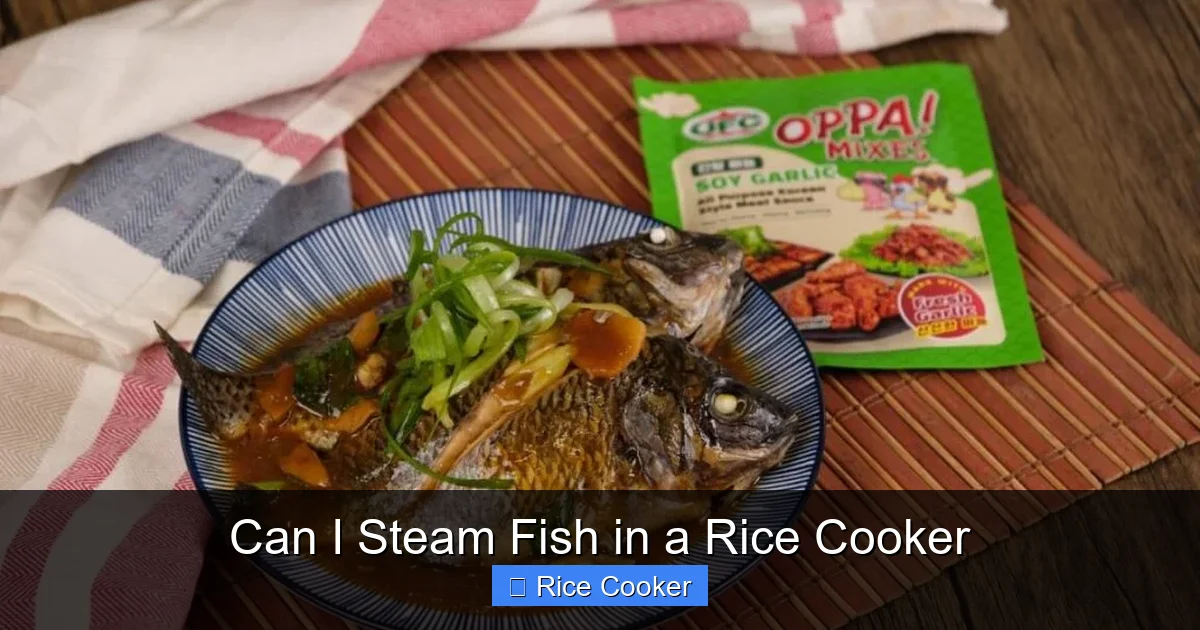
Visual guide about Can I Steam Fish in a Rice Cooker
Image source: nutriasia.com
Consistent Heat Distribution
Rice cookers are designed to maintain steady temperatures throughout the cooking process. Unlike stovetop steamers where heat can fluctuate, your rice cooker keeps things even—perfect for fish, which can easily become overcooked or uneven if exposed to hot spots.
Hands-Off Convenience
Once you set it up, you can step away. No more hovering over the stove, adjusting flames, or worrying about burning. Just prep your ingredients, drop them in, press start, and let the machine do the work. It’s ideal for busy weekdays or when you want to multitask in the kitchen.
Nutrient Retention
Steaming locks in moisture and helps preserve vitamins and minerals better than boiling or frying. Since your rice cooker creates a sealed, humid environment, fish retains its natural juices—resulting in flaky, succulent fillets every time.
Energy Efficient
Unlike gas burners or electric stovetops, most rice cookers use minimal power. Plus, they don’t require constant attention, making them a greener option for eco-conscious cooks.
Space-Saving Design
If you live in a small apartment or share a kitchen with roommates, a rice cooker takes up less counter space than a dedicated steamer. And since many models double as slow cookers or warmers, it’s a true multitasker.
What Kind of Fish Works Best?
Not all fish are created equal when it comes to steaming. Delicate white fish like cod, tilapia, halibut, and sole respond beautifully to gentle heat. These varieties have mild flavors and tender textures that hold up well during steaming. They also cook quickly—usually within 10–12 minutes.
Best Fish for Steaming in a Rice Cooker
- Cod: Flaky, low-fat, and mild—great for beginners.
- Tilapia: Affordable, readily available, and absorbs flavors nicely.
- Halibut: Dense yet tender; perfect if you like firmer flesh.
- Mahi-Mahi: Slightly sweet with firm texture; holds shape well.
- Salmon: Rich and oily; steams beautifully but may take slightly longer (12–15 min).
Avoid very fatty fish like tuna or swordfish unless you’re okay with a softer result. Also steer clear of thick cuts—they’ll need extra time and risk drying out. Aim for uniform thickness (about ¾ inch) for best results.
Preparing Your Fish for Steaming
Preparation is key to success. A few simple steps will ensure your fish cooks evenly and tastes amazing.
Clean and Pat Dry
Start by rinsing your fish under cold water and patting it thoroughly dry with paper towels. Excess moisture interferes with steam circulation and can cause uneven cooking. Dry fish also seasons better—salt and spices stick more readily to a clean surface.
Season Generously
Lightly coat both sides with salt, pepper, and any desired herbs or aromatics. Try lemon slices, dill, garlic slices, or ginger for brightness. Don’t overdo it—simple is often best with steamed fish, but a little zest goes a long way.
Choose the Right Container
Your rice cooker needs a heat-safe vessel to hold the fish while steaming. Here are three popular options:
- Parchment Paper Packets: Fold a piece of parchment paper into a boat shape, place fish inside, and seal the edges. This traps steam and makes cleanup a breeze.
- Silicone Lids or Collapsible Steamer Baskets: These fit snugly over your rice cooker bowl and allow steam to circulate freely around the fish.
- Glass or Ceramic Dish: As long as it fits inside your cooker and can withstand high heat, this works too—but avoid metal bowls unless labeled “oven-safe.”
Arrange for Even Cooking
Place larger pieces toward the center and smaller ones around the edges so steam reaches all parts uniformly. Avoid stacking fillets—they should sit flat and separate.
Step-by-Step Guide to Steaming Fish in a Rice Cooker
Ready to try it yourself? Follow these easy steps for foolproof results every time.
Step 1: Prep the Rice Cooker
Fill the inner pot with ½ cup of water (or follow your model’s instructions). If your rice cooker has a dedicated steaming tray, place it inside now. Otherwise, skip this step—you’ll create your own steaming chamber with the methods above.
Step 2: Prepare the Fish
As detailed earlier, clean, dry, season, and arrange your fish in your chosen container. For parchment packets, add a splash of broth or white wine before sealing for extra moisture.
Step 3: Insert and Seal
Carefully place your fish container inside the rice cooker. If using a lid or packet, ensure it’s sealed tightly to keep steam contained. Close the main lid and plug in the appliance.
Step 4: Set Timer and Wait
Most fish steams in 8–15 minutes. Thin fillets (like tilapia) take about 8–10 minutes; thicker cuts (halibut, salmon) may need 12–15. Start checking at the 8-minute mark—insert a fork gently; it should flake easily but still hold its shape.
Step 5: Rest and Serve
Turn off the rice cooker and let the fish rest for 2–3 minutes. This allows residual heat to finish cooking gently without overdoing it. Then lift the container out using oven mitts—careful, it’ll be hot!
Step 6: Garnish and Enjoy
Lift the fish onto a plate, fluff with a fork, and garnish with fresh herbs, lemon wedges, or a drizzle of olive oil. Serve immediately with steamed veggies or rice for a complete meal.
Creative Flavor Ideas for Steamed Fish
Steaming doesn’t mean boring. With a few smart additions, you can transform plain fish into bold, restaurant-worthy dishes—all from one appliance.
Citrus & Herb Infusion
Layer lemon or orange slices beneath your fish along with sprigs of thyme, rosemary, or parsley. The acidity brightens the flavor while the herbs add earthiness. Finish with a squeeze of fresh juice before serving.
Asian-Inspired Glaze
In a small bowl, mix soy sauce, honey, minced ginger, garlic, and a touch of sesame oil. Pour half over the fish before steaming, then brush the rest on top during the last minute for a glossy finish. Top with sliced scallions and toasted sesame seeds.
Mediterranean Twist
Add cherry tomatoes, Kalamata olives, capers, and a few anchovy fillets (optional) to your steaming container. Drizzle with olive oil and sprinkle with oregano. The briny, tangy notes pair wonderfully with white fish.
Spicy Kick
For heat lovers, mix chili flakes, cayenne, and lime juice into a marinade. Let the fish sit for 10 minutes before steaming. Be cautious—this intensifies quickly, so adjust to taste.
Vegetable Companion
Place chopped carrots, broccoli, or bok choy around the fish while steaming. They absorb steam beautifully and cook simultaneously—turning your meal into a one-pan wonder.
Common Mistakes to Avoid
Even experienced cooks make errors when steaming fish. Keep these pitfalls in mind to save time and improve results.
Overcrowding the Container
Too much fish means uneven cooking. Stick to one or two fillets per batch unless using a large cooker. Overlap causes soggy spots and undercooked centers.
Skipping the Resting Period
Letting the fish sit after cooking helps redistribute moisture. Skipping this step risks dryness, especially with thicker cuts.
Using Too Much Water
While some water is needed, too much dilutes flavor and slows cooking. Stick to ½ cup unless your manual specifies otherwise.
Opening the Lid Frequently
Each time you open the lid, steam escapes, disrupting temperature control. Only check near the end of cooking—and do it quickly.
Ignoring Fish Freshness
Always buy fresh fish with clear eyes, firm flesh, and a mild ocean smell. Frozen fish works fine if thawed properly, but never use old or off-smelling stock.
Neglecting Cleanup Tools
Have parchment paper, foil, or silicone lids ready beforehand. Waiting until later leads to stuck-on residue and frustration.
Maintenance Tips for Your Rice Cooker
To keep your rice cooker performing well—especially after steaming—follow these care instructions.
- Wipe the Interior After Each Use: Remove any food residue with a damp cloth. Never submerge the heating plate or electronics.
- Clean the Lid Seals Regularly: Check for cracks or warping that could leak steam. Replace if damaged.
- Avoid Metal Scrapers: Use wood or silicone spatulas to prevent scratching nonstick coatings.
- Deep Clean Monthly: Soak the inner pot in warm, soapy water if stubborn stains remain. Rinse thoroughly and air-dry.
- Store in a Dry Place: Moisture buildup invites mold. Let all parts dry completely before reassembling.
Frequently Asked Questions
Can I use frozen fish in my rice cooker?
Yes, but thaw it completely first. Partially frozen fish won’t steam evenly and may leave ice crystals in the final dish. Pat dry thoroughly before seasoning.
Do I need special accessories to steam fish?
Not necessarily. While dedicated steamer baskets help, many rice cookers work fine with parchment packets, glass dishes, or even folded foil boats. Experiment to find what fits your model best.
How do I know when the fish is done?
The easiest test is gently pressing a fork into the thickest part. It should flake easily but still hold its shape. Internal temperature should reach 145°F (63°C). Avoid cutting into it—you’ll lose precious juices.
Can I steam other foods in the same cycle?
Absolutely! Add vegetables like asparagus, potatoes, or dumplings around the fish. Just ensure everything fits comfortably and cooks at similar rates. Some cooks even layer rice underneath for a full meal.
Is steaming fish in a rice cooker safe?
Yes—as long as you follow basic safety rules: use oven mitts, avoid opening the lid too often, and never overload the unit. Always refer to your manufacturer’s guidelines for weight and size limits.
What if my rice cooker doesn’t have a steaming tray?
No problem! Create your own steaming system using parchment paper, aluminum foil, or a heat-safe ceramic dish. The key is trapping enough steam to cook the fish without direct contact with boiling water.
Frequently Asked Questions
Can I use frozen fish in my rice cooker?
Yes, but thaw it completely first. Partially frozen fish won’t steam evenly and may leave ice crystals in the final dish. Pat dry thoroughly before seasoning.
Do I need special accessories to steam fish?
Not necessarily. While dedicated steamer baskets help, many rice cookers work fine with parchment packets, glass dishes, or even folded foil boats. Experiment to find what fits your model best.
How do I know when the fish is done?
The easiest test is gently pressing a fork into the thickest part. It should flake easily but still hold its shape. Internal temperature should reach 145°F (63°C). Avoid cutting into it—you’ll lose precious juices.
Can I steam other foods in the same cycle?
Absolutely! Add vegetables like asparagus, potatoes, or dumplings around the fish. Just ensure everything fits comfortably and cooks at similar rates. Some cooks even layer rice underneath for a full meal.
Is steaming fish in a rice cooker safe?
Yes—as long as you follow basic safety rules: use oven mitts, avoid opening the lid too often, and never overload the unit. Always refer to your manufacturer’s guidelines for weight and size limits.
What if my rice cooker doesn’t have a steaming tray?
No problem! Create your own steaming system using parchment paper, aluminum foil, or a heat-safe ceramic dish. The key is trapping enough steam to cook the fish without direct contact with boiling water.