
Steaming vegetables in a rice cooker is not only possible but also incredibly convenient. This simple method preserves nutrients, requires minimal effort, and works with most vegetable types. With the right setup, your rice cooker becomes a powerful multitasker in the kitchen—perfect for busy weeknights or meal prep.
Key Takeaways
- Understanding can i steam vegetables in a rice cooker: Provides essential knowledge
📑 Table of Contents
- Can I Steam Vegetables in a Rice Cooker?
- How Does Steaming Work in a Rice Cooker?
- Which Vegetables Can Be Steamed in a Rice Cooker?
- Step-by-Step Guide: How to Steam Vegetables in a Rice Cooker
- Benefits of Steaming Vegetables in a Rice Cooker
- Troubleshooting Common Issues
- Creative Ways to Use Your Rice Cooker for Steaming
- Choosing the Right Rice Cooker for Steaming
- Frequently Asked Questions
Can I Steam Vegetables in a Rice Cooker?
If you’ve ever wondered whether your rice cooker can do more than just cook rice, you’re in for a pleasant surprise. The answer is yes—you absolutely can steam vegetables in a rice cooker! In fact, this clever kitchen hack turns your humble appliance into a versatile cooking companion that can save time, preserve nutrients, and simplify meal prep. Whether you’re cooking broccoli, carrots, green beans, or even delicate herbs, your rice cooker can handle it all with ease.
Steaming is one of the healthiest ways to prepare vegetables. Unlike boiling, which leaches vitamins and minerals into water, steaming keeps them locked inside. And unlike microwaving, which can sometimes dry out food, steaming maintains texture and flavor beautifully. Best of all? You don’t need a separate steamer basket or pot of boiling water. Your rice cooker already has the tools and heat needed to do the job—often without any extra effort.
In this article, we’ll walk through everything you need to know about steaming vegetables in a rice cooker: from understanding how the process works to choosing the right vegetables, setting up your cooker, and cleaning up afterward. We’ll also share pro tips, troubleshooting advice, and even recipe ideas so you can get started right away.
How Does Steaming Work in a Rice Cooker?
Before diving into recipes or techniques, it helps to understand the science behind steaming in a rice cooker. Most modern rice cookers are designed with two key components: a heating element at the bottom and a lid that traps steam. When you add water and turn on the “cook” function, the water heats up, turns into steam, and circulates around the ingredients—keeping them moist and tender.
Visual guide about Can I Steam Vegetables in a Rice Cooker
Image source: stretchrecipes.com
The Role of the Steaming Basket
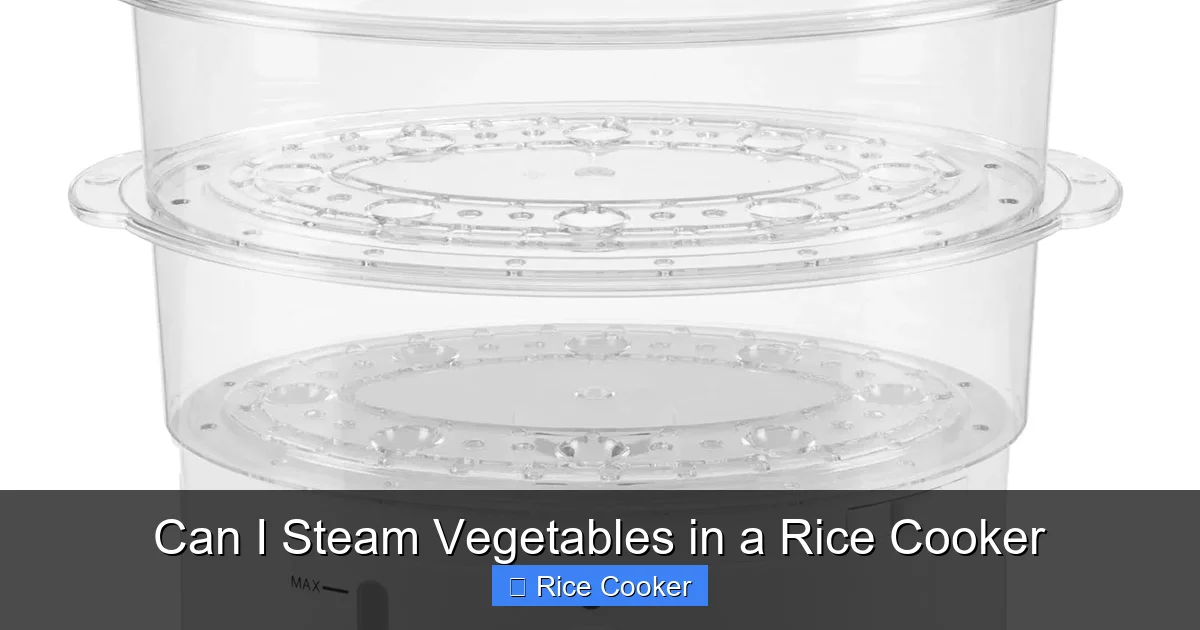
Many rice cookers come with a removable steaming basket, usually made of stainless steel or plastic. This small tray sits above the inner pot, allowing steam to rise and cook food without direct contact with water. If your rice cooker doesn’t include one, you can easily make a DIY version using a metal mesh strainer, perforated baking sheet, or even aluminum foil folded into a shallow tray.
Steam Generation Without Extra Water
Unlike stovetop steamers that require a large pot of boiling water, a rice cooker generates its own steam internally. As long as there’s enough water in the inner pot (about ½ to 1 cup), the appliance will produce consistent steam throughout the cooking cycle. This means you don’t have to monitor the water level or worry about running out mid-cycle.
Temperature Control and Timing
Most standard rice cookers operate at around 212°F (100°C) when set to “cook” mode—the same temperature used for boiling water. However, since the environment is sealed, the pressure builds slightly, which helps speed up cooking time. For delicate vegetables like spinach or asparagus, this isn’t an issue. But for heartier roots like potatoes or sweet potatoes, you may want to reduce heat or use a lower setting if available.
Which Vegetables Can Be Steamed in a Rice Cooker?
Not all vegetables respond the same way to steaming—some thrive in high heat, others wilt quickly. The good news is that most common vegetables work wonderfully in a rice cooker. Here’s a breakdown of popular options:
Leafy Greens
Spinach, kale, Swiss chard, and bok choy cook quickly and stay vibrant green when steamed for just 3–5 minutes. Because they’re tender by nature, they don’t need much time in the cooker. Just place them in the steaming basket and cover—no oil or seasoning required unless desired.
Cruciferous Veggies
Broccoli, cauliflower, Brussels sprouts, and cabbage are perfect for rice cooker steaming. They hold their shape well and absorb subtle flavors from added garlic, lemon zest, or soy sauce during cooking. Steaming them for 8–12 minutes usually yields tender-crisp results.
Root Vegetables
Carrots, parsnips, turnips, and beets benefit from longer cooking times—around 15–20 minutes. While they won’t get as soft as roasted versions, steaming keeps them nutritious and flavorful. For best results, cut them into uniform sizes so they cook evenly.
Starchy Vegetables
Potatoes and sweet potatoes can be steamed directly in the rice cooker, though they take longer (up to 30 minutes). Since they’re dense, pre-cutting them into small cubes helps reduce cooking time and ensures even heating.
Denser Cuts Like Zucchini or Summer Squash
These cook quickly—usually in 5–7 minutes—and retain a nice bite without becoming mushy. Avoid overcooking, or they’ll lose both texture and nutrients.
Pro Tip: Always cut vegetables into similar-sized pieces to promote even cooking. Smaller bits cook faster and prevent some from being underdone while others burn.
Step-by-Step Guide: How to Steam Vegetables in a Rice Cooker
Ready to try it yourself? Follow these simple steps to steam vegetables perfectly every time:
- Add Water to the Inner Pot – Pour about ½ to 1 cup of cold water into the rice cooker’s inner pot. Too little water risks drying out; too much can dilute flavors. For reference, ½ cup works well for 4–6 servings of mixed vegetables.
- Place the Steaming Basket Inside – Set the steaming tray on top of the inner pot, ensuring it doesn’t touch the water. If using a homemade steamer, make sure it’s stable and allows steam to flow freely.
- Add Your Vegetables – Arrange washed and trimmed vegetables in a single layer in the basket. Overcrowding slows cooking and causes uneven results.
- Close the Lid and Turn On the Cooker – Seal the lid tightly and press the “Cook” button. The rice cooker will begin heating immediately.
- Cook Until Tender-Crisp – Most vegetables take 5–15 minutes. Start checking after 5 minutes for greens, up to 20 for root veggies. Use tongs to test doneness—they should be tender but still have a slight bite.
- Turn Off and Let Rest – Once done, unplug the cooker and let the vegetables sit for 2–3 minutes. This final step finishes cooking gently and makes them easier to serve.
- Season and Serve – Transfer to a bowl, sprinkle with salt, pepper, olive oil, or your favorite herb, and enjoy!
Tips for Success
- Use Fresh Vegetables – Older produce loses moisture and flavor faster in steam.
- Don’t Skip Prepping Ahead – Wash and chop veggies before starting to save time.
- Layer Smartly – Put denser veggies (like carrots) at the bottom and lighter ones (like peas) on top.
- Experiment with Flavor Boosts – Add slices of ginger, garlic clove, or bay leaf to the water for aromatic steam.
Benefits of Steaming Vegetables in a Rice Cooker
Beyond convenience, steaming vegetables in a rice cooker offers several advantages over other cooking methods:
Preserves Nutrients
Studies show that steaming retains up to 90% of water-soluble vitamins like vitamin C and B-complex, compared to boiling (which can lose 50–75%). The gentle heat and short cooking time minimize nutrient breakdown.
Saves Time and Energy
One appliance handles multiple tasks: cooking rice, steaming veggies, and sometimes even reheating leftovers. No need to juggle pots, pans, and timers on the stove.
Reduces Mess
With no splattering, dripping, or overflowing pots, cleanup is minimal. Just rinse the inner pot and steaming basket—no scrubbing required.
Encourages Healthy Eating Habits
Quick, foolproof veggie prep makes it easier to include more plant-based meals in your diet—especially helpful for families or people managing busy schedules.
Works Well for Meal Prep
Batch-cook a dozen portions of steamed broccoli or green beans on Sunday, then freeze or refrigerate for grab-and-go lunches or dinners all week long.
Safe and Consistent Results
Rice cookers maintain steady temperatures automatically, reducing the risk of burning or undercooking. Even beginners can achieve restaurant-quality results.
Troubleshooting Common Issues
While steaming vegetables in a rice cooker is straightforward, a few hiccups might occur. Here’s how to fix them:
Vegetables Are Too Wet or Mushy
This often happens when cooking time is too long or water levels are too high. Try reducing cooking time by 2–3 minutes next time, and keep the inner pot filled with only ½ cup of water.
Food Sticks to the Basket
To prevent sticking, line the steaming tray with parchment paper or lightly spray it with non-stick cooking oil. Also, avoid overcrowding—give veggies space to move.
Steam Doesn’t Flow Properly
If your homemade steamer isn’t letting steam through, ensure there’s clearance between the basket and the water below. A gap of at least 1 inch is ideal.
Unwanted Flavors Transfer
Sometimes, strong-smelling foods (like onions or fish) can affect other dishes if cooked together. Use separate baskets or clean thoroughly between uses.
My Rice Cooker Won’t Turn On After Adding Water
Check the power cord and make sure the inner pot is properly seated. Some models won’t start if the pot isn’t fully inserted or if there’s water outside the designated area.
Creative Ways to Use Your Rice Cooker for Steaming
Don’t limit yourself to plain steamed veggies! Here are fun, flavorful ideas to elevate your meals:
Infused Steam Cooking
Add aromatics to the water for naturally flavored vegetables. Try:
– Lemon slices + thyme for bright, citrusy broccoli
– Garlic cloves + rosemary for savory carrots
– Ginger + soy sauce for Asian-style green beans
One-Pot Meals
Cook rice in the morning, then toss in chopped vegetables halfway through the cycle. By dinner, you’ll have fluffy grains and tender veggies ready to mix.
Reheating Leftovers Safely
Put cold steamed vegetables in the basket with a splash of water, cover, and run the “warm” or “steam” setting for 3–5 minutes. They’ll taste nearly fresh again.
Baby Food Preparation
Steam carrots, sweet potatoes, or zucchini until soft, then blend into purees. Store in ice cube trays for easy portion control.
Herb Preservation
Steam basil or parsley briefly, pat dry, and freeze in oil cubes for future pesto or sauces.
Choosing the Right Rice Cooker for Steaming
Not all rice cookers are created equal when it comes to steaming performance. Here’s what to look for:
Built-In Steaming Basket
Opt for models that include a sturdy, heat-resistant steaming tray. Brands like Zojirushi, Panasonic, and Instant Pot offer excellent designs.
Adjustable Temperature Settings
Advanced units allow low, medium, and high heat control—ideal for delicate or hardy vegetables. Look for terms like “keep warm,” “steam,” or “multi-function.”
Large Capacity
If you cook for a family, choose a 6–8-cup model. It gives you room to steam larger batches without crowding the basket.
Easy-to-Clean Surfaces
Non-stick inner pots and dishwasher-safe parts make maintenance a breeze.
Timer Functionality
A programmable timer lets you set cooking times up to 24 hours ahead—perfect for breakfast-before-work routines.
Note: Even basic rice cookers work well for steaming. You don’t need top-tier equipment to enjoy this method.
Frequently Asked Questions
Do I need a special rice cooker to steam vegetables?
No, most standard rice cookers can steam vegetables using the included or DIY steaming basket. Only extremely cheap models without proper heat distribution may struggle.
Can I steam meat or seafood in a rice cooker?
Yes! Chicken breasts, fish fillets, and shrimp cook beautifully under the steaming basket. Adjust time based on thickness—usually 8–15 minutes for poultry, 5–8 for fish.
Is it safe to leave the rice cooker unattended while steaming?
Yes, as long as you follow manufacturer guidelines. The appliance shuts off automatically when done, so it’s generally safe for short periods.
Can I steam frozen vegetables in a rice cooker?
Yes, but increase cooking time by 3–5 minutes and avoid overcrowding. Thaw slightly first for even heating.
Will my rice cooker smell after steaming strong-flavored foods?
Possibly. Clean the interior and lid thoroughly after each use. Running a cycle with vinegar-water can neutralize odors.
How do I clean the steaming basket?
Rinse with hot water and mild soap. For stubborn residue, soak in warm, soapy water for 10 minutes before scrubbing gently.
Frequently Asked Questions
Do I need a special rice cooker to steam vegetables?
No, most standard rice cookers can steam vegetables using the included or DIY steaming basket. Only extremely cheap models without proper heat distribution may struggle.
Can I steam meat or seafood in a rice cooker?
Yes! Chicken breasts, fish fillets, and shrimp cook beautifully under the steaming basket. Adjust time based on thickness—usually 8–15 minutes for poultry, 5–8 for fish.
Is it safe to leave the rice cooker unattended while steaming?
Yes, as long as you follow manufacturer guidelines. The appliance shuts off automatically when done, so it’s generally safe for short periods.
Can I steam frozen vegetables in a rice cooker?
Yes, but increase cooking time by 3–5 minutes and avoid overcrowding. Thaw slightly first for even heating.
Will my rice cooker smell after steaming strong-flavored foods?
Possibly. Clean the interior and lid thoroughly after each use. Running a cycle with vinegar-water can neutralize odors.
How do I clean the steaming basket?
Rinse with hot water and mild soap. For stubborn residue, soak in warm, soapy water for 10 minutes before scrubbing gently.