
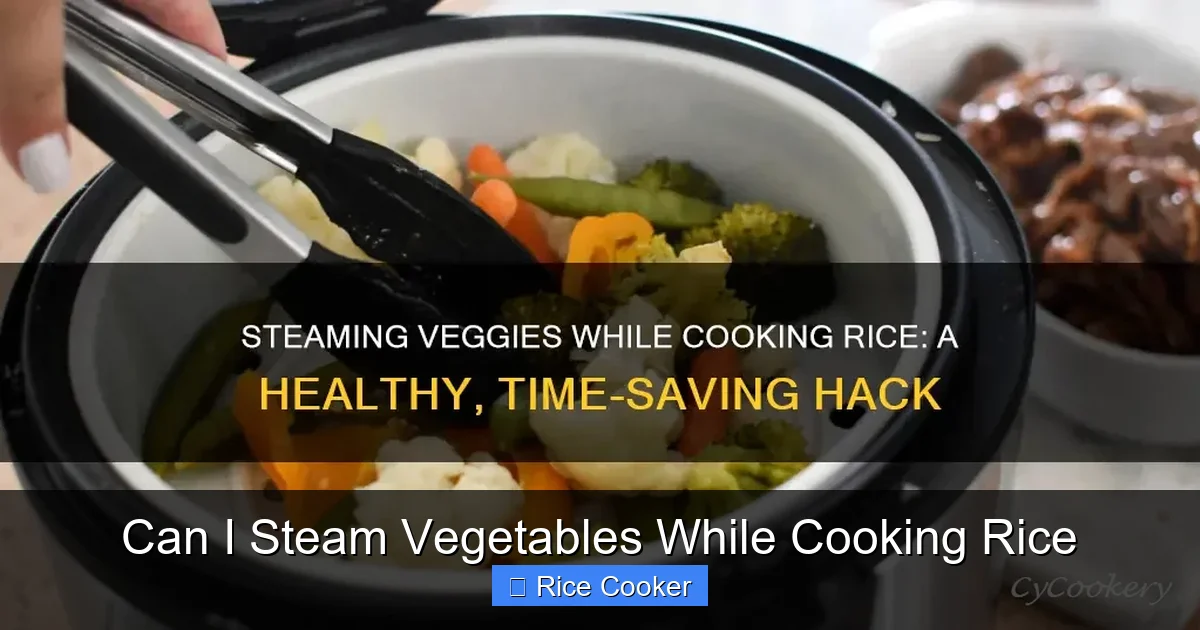
Can I steam vegetables while cooking rice? Absolutely! Most modern rice cookers come with steaming trays, allowing you to cook both simultaneously. This saves time, preserves nutrients, and makes healthy meals effortless. Using a rice cooker for steaming is easy, safe, and perfect for busy weeknights.
Key Takeaways
- Yes, it’s possible: Many rice cookers include a steaming basket or tray designed specifically for vegetables.
- Saves time and energy: Cooking rice and veggies together means one appliance, one pot, and fewer dishes to clean.
- Nutrients are preserved: Steaming vegetables locks in vitamins and minerals better than boiling or frying.
- Simple setup: Add water to the rice cooker, place the steaming tray above the rice, and start cooking.
- Versatile use: You can steam broccoli, carrots, green beans, cauliflower, and more while rice cooks below.
- No extra equipment needed: No steamer basket? Use a microwave-safe bowl or oven-safe dish instead.
- Perfect for meal prep: Cook a batch of rice and steamed veggies at once for quick lunches or dinners.
📑 Table of Contents
- Can I Steam Vegetables While Cooking Rice?
- Understanding Your Rice Cooker: Built-in Steaming Capabilities
- Benefits of Steaming Vegetables While Cooking Rice
- Choosing the Right Vegetables for Steaming
- Step-by-Step Guide: How to Steam Vegetables While Cooking Rice
- Troubleshooting Common Issues
- Creative Recipe Ideas
- Safety Tips and Best Practices
- Can You Use Any Type of Rice?
- Final Thoughts: Why This Method Is a Game-Changer
- Conclusion
Can I Steam Vegetables While Cooking Rice?
If you’re tired of doing multiple cooking tasks on separate burners or waiting for your rice to finish before moving on to the next dish, you’re not alone. Many home cooks look for ways to simplify their routines without sacrificing nutrition or flavor. One clever kitchen hack that’s gaining popularity is using your rice cooker to steam vegetables while cooking rice. But does it actually work? Can you really cook both at the same time without compromising taste or texture? The short answer? Yes—and it’s easier than you think!
In this comprehensive guide, we’ll walk you through everything you need to know about steaming vegetables while cooking rice. From understanding how your rice cooker works to choosing the right vegetables, timing, and even troubleshooting common issues, we’ve got you covered. Whether you’re a beginner cook or a seasoned pro, this method can revolutionize the way you prepare healthy, balanced meals. Let’s dive in!
Understanding Your Rice Cooker: Built-in Steaming Capabilities
Do All Rice Cookers Have Steaming Trays?
Not every rice cooker comes with a built-in steaming tray, but many modern models do. These trays are typically made of heat-resistant plastic or stainless steel and sit above the inner cooking pot, allowing steam to circulate and cook food gently. If your rice cooker has a clear plastic or metal lid with a raised section or a small hole near the top, there’s a good chance it supports steaming. Some high-end models even include multiple trays or adjustable racks for more flexibility.
Visual guide about Can I Steam Vegetables While Cooking Rice
Image source: pastureandpearl.com
Before assuming your rice cooker can handle steaming, check the user manual or product description. Look for keywords like “steamer,” “multi-function,” or “vegetable basket.” Even if your model doesn’t include a tray, you can often improvise using microwave-safe containers or oven-safe bowls. The key is creating a space where steam can rise and cook the vegetables without touching the water or rice directly.
How Does Steaming Work in a Rice Cooker?
When you add water to the rice cooker and turn it on, the heating element warms the water, creating steam. That steam rises and transfers heat to the food placed in the steaming tray. Since the tray is elevated, the vegetables don’t sit in water, which helps preserve their color, texture, and nutrients. This gentle cooking method is ideal for delicate veggies like broccoli, spinach, or green beans.
The steam also helps maintain moisture in the rice, preventing it from drying out. In fact, some people find that steaming vegetables in the rice cooker results in fluffier, tastier rice because the steam adds just the right amount of humidity during the cooking process.
Benefits of Steaming Vegetables While Cooking Rice
Time-Saving Efficiency
One of the biggest advantages of steaming vegetables while cooking rice is the time saved. Instead of cooking rice first, then turning on a stovetop steamer or boiling water for vegetables, you can prepare both in one go. This is especially helpful during busy weeknights when every minute counts. With a well-timed recipe, you can have a complete, nutritious meal ready in under 30 minutes.
Preservation of Nutrients
Steaming is widely regarded as one of the healthiest cooking methods because it minimizes nutrient loss. Unlike boiling, which washes vitamins down the drain, or frying, which can degrade heat-sensitive nutrients, steaming keeps most of the essential vitamins—like vitamin C and B-complex—intact. When you cook rice and vegetables together, you’re not just saving time; you’re maximizing nutritional value.
Reduced Cleanup
Fewer appliances mean fewer dirty pots and pans. Using your rice cooker for both rice and vegetables means only one pot to wash. Plus, the non-stick inner pot makes cleanup even easier. If your rice cooker has a removable tray, you can rinse it separately, but the main pot usually just needs a quick wipe or rinse.
Flavor and Texture Perfection
Steamed vegetables retain their natural crunch and vibrant colors, which many people find more appealing than boiled or overcooked versions. When cooked in the rice cooker, veggies stay tender-crisp without becoming mushy. The subtle steam infusion also enhances their flavor without adding fat or salt.
Energy Efficiencym
Using one appliance instead of two reduces energy consumption. Your rice cooker uses less power than a stovetop burner, so combining both tasks is not only convenient but also eco-friendly. This small change can contribute to lower electricity bills over time.
Choosing the Right Vegetables for Steaming
Best Vegetables to Steam
Some vegetables respond better to steaming than others. Here are the top picks for the best results:
- Broccoli: Retains its bright green color and firm texture when steamed quickly.
- Carrots: Become tender without turning soft or soggy.
- Green beans: Stay crisp and flavorful, perfect for salads or side dishes.
- Cauliflower: Cooks evenly and absorbs seasonings well.
- Zucchini: Steams quickly—watch it closely to avoid overcooking.
- Spinach or kale: Wilt beautifully in just a few minutes.
- Asparagus: Achieves a perfect tender-crisp bite.
Avoid root vegetables like potatoes or sweet potatoes unless they’re cut very thin. These take longer to cook and may affect the rice’s timing.
Preparing Vegetables Properly
For even cooking, cut vegetables into uniform pieces. Smaller chunks cook faster and more consistently. Rinse them briefly under cold water, then pat dry. Lightly drizzle with olive oil and sprinkle with salt, pepper, or garlic powder if desired. You can even add lemon juice or herbs for extra flavor after steaming.
Step-by-Step Guide: How to Steam Vegetables While Cooking Rice
What You’ll Need
- A rice cooker with a steaming tray (or a microwave-safe container)
- Rice (any type: white, brown, jasmine, etc.)
- Veggies of choice
- Water
- Salt (optional)
- Seasonings (optional)
Step 1: Prepare the Rice
Rinse 1 cup of rice (adjust for serving size) under cold water until the water runs clear. This removes excess starch and prevents gummy rice. Place the rinsed rice in the inner pot of the rice cooker. Add water according to the manufacturer’s instructions—usually 1:1.5 ratio for white rice, slightly more for brown rice. Add a pinch of salt if desired.
Step 2: Prepare the Vegetables
Wash and chop your vegetables into similar-sized pieces. If using a steaming tray, arrange them in a single layer for even cooking. If improvising with a microwave-safe bowl, place the veggies inside and cover loosely with plastic wrap or a lid with a vent.
Step 3: Set Up the Steaming Tray
Add about 1–2 inches of water to the rice cooker if it’s not already filled with rice water. Then place the steaming tray on top, ensuring it fits securely and doesn’t touch the bottom of the pot. If using a bowl, set it directly on top of the rice, making sure the rice cooker’s lid seals properly.
Step 4: Start Cooking
Close the lid and press the “Cook” button. The rice cooker will begin heating the water, producing steam that rises to cook the vegetables. Most rice cookers automatically switch to “Keep Warm” mode after cooking, which helps maintain temperature for both rice and veggies.
Step 5: Monitor and Serve
Depending on the vegetable, cooking time ranges from 8–15 minutes. Broccoli and green beans cook quickly, while carrots or broccoli florets may take up to 12 minutes. Check periodically if your model allows you to lift the lid. Once done, carefully remove the steaming tray or bowl, drain any excess liquid, and serve immediately.
Troubleshooting Common Issues
Vegetables Are Too Soft
This usually happens when they’re left on too long or cut too small. To prevent mushiness, reduce cooking time by 2–3 minutes next time. Also, avoid stacking vegetables too thickly—they need airflow for even steaming.
Rice Is Undercooked or Sticky
Make sure you used the correct water-to-rice ratio. If the rice is undercooked, the issue might be insufficient water or low heat. For sticky rice, rinse thoroughly and don’t open the lid frequently during cooking.
Steam Isn’t Rising Enough
Ensure the water level is adequate and the lid seals tightly. If steam escapes around the edges, adjust the lid or try placing a towel over the opening (be careful—hot steam can scald).
Vegetables Are Dry
This can happen if the rice cooker runs out of water. Always check that there’s enough liquid before starting. Adding a splash of broth or coconut water to the veggies can also help retain moisture.
Creative Recipe Ideas
One-Pot Healthy Bowl
Combine cooked brown rice, steamed broccoli, shredded carrots, and sautéed mushrooms in a bowl. Top with a fried egg or grilled chicken for protein. Drizzle with tahini-lemon dressing.
Asian-Inspired Stir-Fry Base
Cook jasmine rice and steam snap peas, bok choy, and bell peppers. After cooking, stir in soy sauce, sesame oil, and minced ginger. Add cooked shrimp or tofu for a complete meal.
Mediterranean Medley
Use white rice and steam zucchini, cherry tomatoes, and red onion. Mix with olives, feta cheese, and fresh parsley. Serve warm or chilled.
Kids’ Favorite Veggie Mix
Steam carrots, green beans, and cauliflower florets with a sprinkle of garlic powder. Serve over white rice with a side of honey-mustard dip.
Safety Tips and Best Practices
While steaming vegetables in a rice cooker is generally safe, here are some precautions to keep in mind:
- Never overload the steaming tray: Too much food blocks steam flow and leads to uneven cooking.
- Use heat-resistant containers: Only microwave-safe or oven-safe dishes should be used if no tray is available.
- Keep the area clear: Ensure nothing blocks steam vents on the lid.
- Unplug when not in use: Safety first—never leave an electric appliance unattended while cooking.
- Clean regularly: Remove starch buildup from the inner pot to maintain performance.
Can You Use Any Type of Rice?
Absolutely! This method works with all types of rice, including:
- White rice
- Brown rice
- Jasmine rice
- Basmati rice
- Wild rice
- Instant rice
Just remember that brown rice takes longer to cook, so you may need to increase steaming time slightly. Adjust based on your specific model’s settings.
Final Thoughts: Why This Method Is a Game-Changer
Steaming vegetables while cooking rice isn’t just a time-saver—it’s a smart, sustainable way to eat healthier with less effort. By leveraging your rice cooker’s dual functionality, you’re reducing kitchen clutter, conserving energy, and preserving the nutritional integrity of your food. Whether you’re meal prepping for the week or whipping up a quick dinner after work, this technique simplifies the process without cutting corners on flavor or quality.
And the best part? It’s accessible to everyone. You don’t need special gadgets or advanced culinary skills. Just a little planning and the willingness to try something new. Next time you reach for your rice cooker, consider what else you can cook alongside it. Before long, you’ll wonder how you ever lived without this kitchen hack.
Conclusion
So, can you steam vegetables while cooking rice? The answer is a resounding yes—and it’s one of the simplest, most effective ways to upgrade your cooking routine. With the right setup and a few basic tips, you can enjoy perfectly steamed vegetables and fluffy rice in one go. Not only does this method save time and energy, but it also helps you build balanced, nutritious meals with minimal cleanup.
Give it a try tonight. Rerinse your rice, chop some colorful veggies, and let your rice cooker do the rest. You might just discover your new favorite way to eat better, faster.
Frequently Asked Questions
Can I steam frozen vegetables while cooking rice?
Yes, but add extra time. Frozen vegetables may need 2–3 additional minutes to thaw and cook through. Pre-steaming them briefly in hot water before adding to the tray can help speed things up.
Do I need a special rice cooker to steam vegetables?
No, but a model with a built-in steaming tray makes it easier. If yours doesn’t have one, you can use a microwave-safe bowl or oven-safe dish instead—just ensure the lid seals well.
Will the vegetables absorb flavor from the rice?
Not significantly. Because the vegetables are elevated and exposed only to steam, they won’t soak up the rice’s taste. You can season them separately for more control over flavor.
How long should I steam vegetables in a rice cooker?
Most vegetables take 8–12 minutes. Delicate greens like spinach cook in 3–5 minutes, while denser veggies like carrots may need 10–15 minutes. Check occasionally after 8 minutes.
Can I cook meat or fish while steaming vegetables?
Yes, but place meat or fish on a higher rack if possible, or use a separate container to avoid cross-contamination. Cook poultry or fish for 10–15 minutes depending on thickness.
Is it safe to leave the rice cooker unattended while steaming?
It’s generally safe due to automatic shut-off, but for peace of mind, avoid leaving it unattended for very long periods. Keep an eye on it the first few times you try this method.