
Stirring rice while cooking isn’t always a bad idea—it depends on your method and goals. For stovetop rice, gentle stirring helps prevent sticking and ensures even cooking. However, with a rice cooker, constant stirring is unnecessary and can disrupt the cooking process. Understanding when and how to stir leads to fluffier, more flavorful rice.
Key Takeaways
- Stirring rice on the stovetop can prevent burning and promote even cooking. This is especially helpful for long-grain varieties like jasmine or basmati that tend to clump.
- Using a rice cooker eliminates the need for stirring. The sealed environment and automated cycle ensure consistent results without manual intervention.
- Over-stirring rice releases starch, making it sticky or mushy. Gentle folding is better than aggressive stirring, especially near the end of cooking.
- Different rice types require different handling. Short-grain rice (like sushi or arborio) benefits less from stirring than medium- or long-grain rice.
- Pre-soaking rice can reduce the need for stirring. It shortens cooking time and improves texture, making your job easier.
- Always rinse rice before cooking. This removes excess starch and prevents gummy results, regardless of whether you stir or not.
- Knowing when to stir saves time and energy. For most home cooks, minimal stirring with proper technique is the sweet spot.
📑 Table of Contents
- Can I Stir Rice While Cooking? Everything You Need to Know
- Understanding How Rice Cooks
- Should You Stir Rice on the Stovetop?
- Cooking Rice in a Rice Cooker: Do You Need to Stir?
- Different Rice Types and Their Stirring Needs
- Common Mistakes People Make When Cooking Rice
- Step-by-Step Guide: Perfect Rice Every Time
- Advanced Tips for Flavor and Texture
- Conclusion: Know When to Stir—and When Not To
Can I Stir Rice While Cooking? Everything You Need to Know
Rice is one of the most versatile and essential ingredients in kitchens around the world. From fluffy jasmine rice in Thai stir-fries to creamy risotto made with arborio, mastering rice cooking techniques can elevate your meals. But one question keeps popping up: Can I stir rice while cooking? The answer isn’t a simple yes or no—it depends on your cooking method, the type of rice, and what kind of texture you’re aiming for.
Many home cooks are confused about when stirring helps and when it causes problems. Some believe that constant stirring is key to preventing burnt bottoms, while others swear by letting rice simmer undisturbed. In this guide, we’ll break down everything you need to know about stirring rice, whether you’re using a pot on the stove or a modern electric rice cooker. We’ll cover best practices, common mistakes, and pro tips to help you serve restaurant-quality rice at home—every time.
Understanding How Rice Cooks
The Science Behind Starch Release
To understand whether you should stir rice, it helps to know what happens during cooking. Rice contains starch, a complex carbohydrate that dissolves when heated in water. As the grains absorb moisture, they begin to swell. If too much starch is released, the rice becomes sticky and clumpy. Stirring accelerates this process because it increases surface area exposure to liquid and breaks apart the delicate grain structure.
Visual guide about Can I Stir Rice While Cooking
Image source: ricearray.org
That’s why over-stirring—especially with short-grain rice like sushi or glutinous rice—can lead to a mushy consistency. On the other hand, minimal stirring allows the rice to cook evenly without excessive starch release, resulting in separated, tender grains.
How Cooking Methods Affect Stirring Needs
Different tools change how rice behaves. For example:
- Stovetop (pot): Requires more attention because heat distribution isn’t uniform. You may need to stir occasionally to prevent scorching.
- Rice cooker: Uses precise temperature control and a sealed lid, reducing the risk of burning and eliminating the need for stirring.
- Instant Pot or pressure cooker: Cooks faster under pressure but still benefits from occasional gentle mixing if you open it mid-cycle.
Each method has its quirks, so knowing your tool helps determine your stirring strategy.
Should You Stir Rice on the Stovetop?
When Stirring Helps
If you’re cooking rice on the stove, gentle stirring can make a big difference—especially in the first few minutes. Here’s when it pays off:
- Preventing Clumping: Long-grain rice like basmati or jasmine tends to stick together if left untouched. A quick stir after adding water helps separate the grains.
- Distributing Heat: Stirring ensures even heating and reduces hot spots that could burn the bottom.
- Adjusting Consistency: If you notice the rice is drying out too fast, a light stir can redistribute moisture.
Think of it like tossing pasta in a pot—brief movement prevents sticking without damaging the structure.
When Not to Stir
Once the rice starts absorbing water and steam forms, avoid frequent stirring. Here’s why:
- Starch Overload: Every stir releases more starch into the water, leading to gluey rice.
- Grain Damage: Constant motion breaks down the outer layer of the grain, causing fragmentation.
- Wasted Time: After the initial stir, most stovetop rice needs just 15–20 minutes of passive cooking.
Most recipes call for a single stir at the beginning and then letting the rice rest covered. This “set it and forget it” approach works beautifully for white rice varieties.
Pro Tip: Use a Wooden Spoon or Spatula
Instead of metal spoons that can scratch pots and create small bits of debris, use a wooden spoon or silicone spatula. These tools are gentler on both the pot and the rice. Plus, they won’t conduct heat as much, keeping your hand safe.
Cooking Rice in a Rice Cooker: Do You Need to Stir?
The Magic of Automation
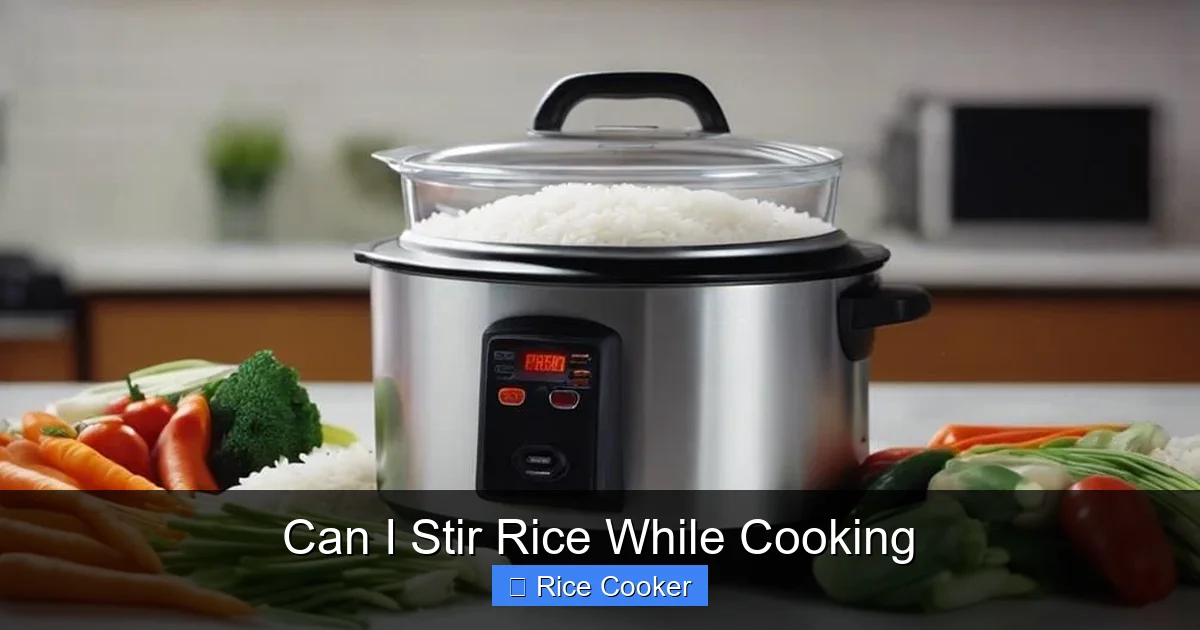
This is where things get interesting. Most modern rice cookers—whether basic, fuzzy logic, or smart models—are designed to cook rice without any human interference. Once you add rice, water, and press start, the device handles heating, steaming, and automatic shutoff.
In this case, stirring is generally unnecessary and can actually harm the process. Opening the lid during cooking releases steam, which lowers internal temperature and extends cooking time. More importantly, poking or stirring rice inside disrupts the delicate balance needed for even hydration.
Exceptions to the Rule
There are rare cases where a quick stir might be useful:
- Burnt Rice: If your rice cooker has a scorched bottom, you can carefully fold in a little extra water and gently mix to salvage it—but only once the heating element turns off.
- Adding Ingredients Mid-Cook: Some recipes call for adding broth, herbs, or butter halfway through. In those cases, a light fold-in is fine.
- Old or Faulty Models: Older rice cookers may not distribute heat evenly. A brief stir after the warming phase (before turning off) can help redistribute moisture.
But remember: these are exceptions, not rules. Modern rice cookers are engineered for hands-off perfection.
Why Stirring Hurts Rice Cooker Results
Imagine trying to bake a cake while constantly opening the oven door and poking the batter. That’s what stirring does to your rice cooker cycle. It:
- Breaks the convection currents that circulate steam
- Interrupts the timing of the keep-warm phase
- Can cause uneven texture due to temperature drops
For best results, trust the machine. Let it do its job.
Different Rice Types and Their Stirring Needs
Short-Grain Rice (Sushi, Glutinous, Arborio)
These dense, starch-rich rices are less forgiving when stirred. They absorb liquid quickly and become sticky if agitated too much. For sushi rice, a single stir at the start and then letting it rest is ideal. For risotto (made with arborio), you do stir—but only to encourage gradual starch release and build creaminess, not to mash the grains.
Medium-Grain Rice (Calrose, Valencia)
A good middle ground. Medium-grain rice holds shape well and benefits slightly from a gentle stir early on to prevent clumping. But again, avoid vigorous mixing once boiling begins.
Long-Grain Rice (Basmati, Jasmine, American)
These are the easiest to cook with minimal stirring. Because they’re longer and less starchy, they resist sticking better. Just give them one stir when adding water, then let them cook undisturbed.
Brown Rice
Higher in fiber and oil, brown rice takes longer to cook and often requires more attention. Some chefs recommend a quick stir after the initial boil to ensure even hydration. But even here, overdoing it leads to tough, uneven grains.
Scented vs. Non-Scented Rice
Scented varieties like jasmine or texmati have aromatic oils that can degrade if exposed to high heat and agitation. Gentle handling preserves their fragrance. Non-scented rice (like standard white long-grain) is more forgiving and can tolerate slightly more movement.
Common Mistakes People Make When Cooking Rice
Not Rinsing the Rice
This is arguably the biggest error. Rinsing removes surface starch, which is why uncooked rice looks white and chalky. Washed rice cooks up fluffy and separates easily. Skip rinsing, and you risk gummy, clumpy results—no amount of stirring will fix that.
Using Too Much Water
Too much liquid means rice sits in water instead of absorbing it properly, leading to soggy ends. The general rule is 1:2 ratio (rice to water), but adjust based on variety and altitude.
Peeking Too Often
Every time you lift the lid, 20–30% of the steam escapes. For rice cookers, this adds 5–10 minutes of extra cooking time. For stovetop rice, it slows down absorption. Keep the lid on!
Stirring With Metal Utensils
Metal spoons can leave tiny bits behind and damage nonstick coatings. Stick to wood, bamboo, or silicone.
Ignoring Resting Time
Letting rice sit covered for 5–10 minutes after cooking allows residual steam to finish hydration. Skipping this step yields drier, less cohesive grains.
Step-by-Step Guide: Perfect Rice Every Time
For Stovetop Rice
- Rinse: Rinse 1 cup of rice in cold water until the water runs clear.
- Add Water: Use a 1:2 ratio (1 cup rice, 2 cups water). Adjust for altitude or preference.
- Bring to Boil: Heat on high until bubbling vigorously.
- Stir Once: Gently fold with a wooden spoon to prevent sticking.
- Cover & Simmer: Reduce heat to low, cover tightly, and cook 15–20 minutes.
- Rest:** Turn off heat; let stand 5 minutes before fluffing.
For Rice Cooker Rice
- Rinse: Always rinse your rice.
- Add Water: Follow manufacturer’s ratio (usually marked on the bowl).
- Insert Bowl: Place securely in the unit.
- Press Start: Wait for the cycle to complete automatically.
- Rest:** Let sit for 5–10 minutes before opening.
- Fluff Gently:** Use a fork to separate grains—don’t stir aggressively.
Advanced Tips for Flavor and Texture
Add Flavor Without Stirring
You don’t need to stir to infuse flavor. Try these tricks:
- Vinegar or Lemon Juice: Add a teaspoon to sushi rice while rinsing for tangy brightness.
- Herbs or Spices: Toss in bay leaves, cardamom pods, or saffron threads during soaking or early boiling.
- Broth Instead of Water: Use chicken or vegetable broth for deeper flavor—no stirring required.
Salvaging Overcooked or Burnt Rice
If your rice turns out sticky or scorched, try this rescue method:
- Transfer to a clean pot.
- Add a splash of water or broth.
- Heat gently over low, uncovered, stirring very lightly.
- Serve immediately—don’t overwork it.
Soaking Saves Effort
Soaking rice for 30 minutes to an hour reduces cooking time and improves texture. It also minimizes the need for stirring, since grains hydrate faster and cook more evenly.
Conclusion: Know When to Stir—and When Not To
So, can you stir rice while cooking? Yes—but only when appropriate. On the stovetop, a single gentle stir early on helps prevent sticking, especially with long-grain rice. In a rice cooker, however, stirring is rarely needed and often counterproductive. The key is understanding your rice, your tool, and your desired outcome.
By rinsing your rice, using the right water ratio, avoiding excessive movement, and allowing proper resting time, you’ll master the art of fluffy, delicious rice without guesswork. Whether you’re whipping up a side dish or preparing risotto, these principles apply across the board.
Next time you reach for that wooden spoon, pause and ask: Is this really necessary? In most cases, the answer is no—but knowing when to stir (and when not to) makes all the difference.
Frequently Asked Questions
Is it okay to stir rice while it’s boiling?
Yes, but only briefly at the start. Stirring once when water comes to a boil helps prevent clumping, especially with long-grain rice. Avoid frequent stirring, as it releases starch and can make rice sticky.
Do you stir rice in a rice cooker?
No, you should not stir rice in a rice cooker. The device is designed to cook rice automatically without intervention. Stirring disrupts the steam circulation and can lead to uneven cooking or extended cycles.
What happens if you stir rice too much?
Over-stirring breaks down the rice grains and releases excess starch, resulting in a sticky, mushy texture. It can also damage delicate short-grain varieties like sushi or arborio rice.
Should I stir rice after turning off the heat?
It’s not necessary, but you can gently fluff the rice with a fork after resting. This separates the grains without adding starch. Stirring at this stage doesn’t affect texture negatively, but it’s optional.
Does stirring rice make it fluffier?
Stirring alone won’t make rice fluffier. Proper rinsing, correct water ratio, and letting rice rest covered are far more important. Stirring too much can actually reduce fluffiness by breaking grains.
Can I stir rice if my rice cooker has a burnt bottom?
Only after the cooking cycle finishes and the unit switches to warm mode. At that point, add a bit of extra water and gently mix to redistribute moisture. Never stir while the heating element is active.