
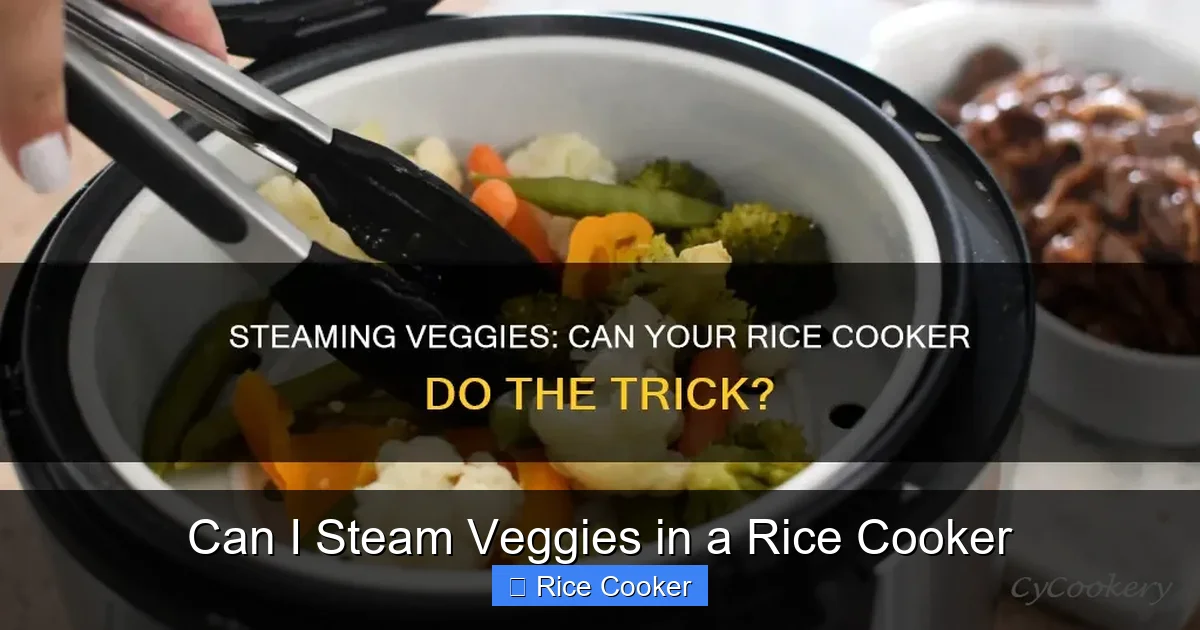
You absolutely can steam veggies in a rice cooker—it’s one of the easiest and most efficient ways to cook healthy side dishes with minimal effort. With just water and a steamer basket, your rice cooker becomes a versatile steaming station that preserves nutrients and delivers tender, flavorful vegetables. Whether you’re meal prepping or whipping up dinner in a hurry, this method is a game-changer for busy home cooks.
Key Takeaways
- Steaming veggies in a rice cooker is simple and effective: Just add water, place a steamer insert, and let the appliance do the work.
- Nutrient retention is better than boiling: Steaming helps preserve vitamins like C and B-complex, which are often lost in boiling water.
- Most vegetables work well: Broccoli, carrots, green beans, asparagus, zucchini, and cauliflower all turn out perfectly steamed.
- Use the right amount of water: Too little water can burn; too much can dilute flavors. Aim for ½–1 cup depending on your model.
- Timing matters: Smaller pieces cook faster (3–5 minutes); larger or denser veggies may need 7–10 minutes.
- Clean-up is easy: Most steamer baskets are dishwasher-safe, and the whole process leaves minimal mess.
- It’s great for meal prep: Cook a batch of steamed vegetables at once and store them for quick, healthy meals all week.
[FEATURED_IMAGE_PLACEHOLDER]
Introduction: The Rice Cooker Steaming Secret You Didn’t Know
Have you ever stood over the stove, watching water boil away while your broccoli turns mushy and lifeless? Or maybe you’ve been too tired after work to spend extra time prepping vegetables for dinner. If so, you’re not alone—and there’s a simple solution: your rice cooker. Yes, that humble kitchen appliance you use to make fluffy white rice? It’s actually a powerful steaming machine in disguise.
Steaming vegetables in a rice cooker is one of those clever kitchen hacks that feels like magic once you try it. Instead of juggling pots, pans, and timers, you just toss in some chopped veggies, add a splash of water, and press a button. In less time than it takes to microwave popcorn, you’ll have tender, vibrant vegetables ready to serve. Plus, because they cook gently without submersion in water, their natural color, texture, and nutrients stay intact.
This article will walk you through everything you need to know about steaming vegetables in your rice cooker—from choosing the right equipment to timing your cooking perfectly. Whether you’re a college student living off ramen or a busy parent trying to get healthy meals on the table fast, this method could become your new favorite way to prepare veggies. Let’s dive in!
How Does Steaming Work in a Rice Cooker?
The Science Behind Steamed Cooking
At its core, steaming uses hot vapor—not direct contact with boiling water—to cook food. This gentle heat transfer prevents nutrients from leaching into the water, which is why steamed vegetables often taste brighter and retain more vitamins than boiled ones. When you use a rice cooker to steam, the appliance heats water inside the pot, creating steam that rises and cooks the vegetables evenly.
Modern rice cookers are designed with precise temperature controls and internal sensors that regulate heat output. While traditional models rely on simple on/off switches, newer smart rice cookers can adjust cooking cycles based on moisture levels and ingredient type. This means even if you forget to set a timer, your veggies won’t end up overcooked or underdone.
Why Choose a Steamer Basket?
Not all rice cookers come with a built-in steamer basket, but most do—or they’re compatible with one. These perforated inserts sit above the water level, allowing steam to rise freely while keeping your vegetables out of the water. That separation is key: if veggies sit submerged, they start to lose flavor and texture. A good steamer basket ensures clean, crisp results every time.
If your rice cooker doesn’t include a steamer basket, you can easily find affordable silicone or stainless steel versions online. Look for ones that fit snugly inside your cooker without blocking airflow. Some even double as colanders or strainers for rinsing produce before cooking.
Best Vegetables to Steam in a Rice Cooker
Delicate Greens That Shine
Leafy greens like spinach, kale, and bok choy cook quickly and benefit greatly from gentle steaming. Because they’re low in fiber and high in water content, they don’t need long cooking times. Try steaming baby spinach for just 2–3 minutes until wilted—perfect for adding to scrambled eggs or grain bowls.
Bok choy is another excellent choice. Its tender stalks and mild flavor pair beautifully with soy sauce, garlic, or sesame oil after steaming. Simply chop the stems and leaves separately if needed, since they cook at different rates. Add them together toward the end of the cooking cycle for uniform tenderness.
Crunchy Veggies That Stay Firm
For firmer vegetables like broccoli florets, green beans, and snap peas, steaming in a rice cooker delivers restaurant-quality texture. These veggies hold their shape better than when boiled, and their bright colors pop right off the plate.
Broccoli is especially forgiving—it can handle slightly longer cooking without turning bitter. Steam it for 4–6 minutes until tender-crisp. Green beans take a bit more time, usually around 6–8 minutes, depending on thickness. Pro tip: snap off the ends before steaming to ensure even cooking.
Dense Roots and Tubers
Carrots, sweet potatoes, and parsnips are denser than leafy greens but still respond well to rice cooker steaming. Their starches break down slowly, so they need a little more heat and time. Cut them into uniform bite-sized pieces to avoid uneven cooking.
Sweet potato cubes usually steam fully in 8–10 minutes and develop a soft, almost creamy texture without becoming mushy. Carrots take slightly less time—around 6–7 minutes—but benefit from a short rest after cooking to finish softening. Toss with olive oil and herbs for a delicious roasted-like side dish.
Step-by-Step Guide: How to Steam Veggies in Your Rice Cooker
Gather Your Tools and Ingredients
Before you begin, make sure you have:
- A working rice cooker with a steamer basket (or a compatible one)
- Fresh or frozen vegetables (thawed if frozen)
- Water (about ½ to 1 cup, depending on size and model)
- A knife and cutting board (for prepping)
- Optional: salt, pepper, garlic, lemon juice, or herbs for seasoning
Prep Your Vegetables Properly
Washing is essential—especially if you’re using fresh produce. Rinse under cold water and pat dry. Then, cut veggies into similar sizes so they cook evenly. For example, slice carrots diagonally into thin rounds, chop broccoli into small florets, and trim green beans to uniform lengths.
Overcrowding the steamer basket slows down cooking and causes uneven results. Leave space between pieces so steam circulates freely. If you’re cooking multiple types of vegetables, consider grouping by cooking time—steamer greens early, then add denser veggies halfway through.
Add Water and Load the Steamer Basket
Fill the inner pot of your rice cooker with ½ cup of water for small batches or up to 1 cup for larger quantities. Too little water risks burning; too much can make the base soggy. Place the steamer basket inside, ensuring it sits securely and doesn’t touch the water directly.
Arrange your prepared vegetables evenly in the basket. Don’t stack them too high—this restricts steam flow and leads to undercooked spots. If needed, use two smaller baskets or layer lightly.
Cook and Monitor Closely
Close the lid and turn on your rice cooker. Most models will automatically enter a “steam” or “warm” mode after detecting moisture—but some older models may require manual switching. Check your instruction manual if unsure.
Set a timer based on your vegetable type:
- Leafy greens: 2–3 minutes
- Broccoli & asparagus: 4–6 minutes
- Green beans & zucchini: 5–7 minutes
- Carrots & sweet potatoes: 7–10 minutes
Open the lid carefully—hot steam will escape and scald if inhaled closely. Use tongs to test tenderness. Over-steaming makes veggies rubbery, so err on the side of slightly underdone and let residual heat finish the job.
Season and Serve Immediately
Once done, remove the steamer basket using oven mitts or silicone grips. Transfer veggies to a serving dish and season with salt, pepper, a drizzle of olive oil, or a squeeze of lemon. Fresh herbs like parsley or dill add a finishing touch.
Eat them warm for maximum flavor and texture. Leftovers can be stored in an airtight container in the fridge for up to 4 days—they reheat nicely in the microwave or skillet.
Tips for Perfect Steamed Vegetables Every Time
Choose the Right Rice Cooker Model
While any basic rice cooker works, investing in one with advanced features makes steaming easier. Look for models with:
- A dedicated “steam” setting
- Adjustable timers or automatic shutoff
- Non-stick inner pots for easy cleanup
- Transparent lids so you can monitor progress
Top brands like Zojirushi, Panasonic, and Instant Pot offer reliable steaming functions. Even budget-friendly options from Oster or Black+Decker get the job done with minimal fuss.
Don’t Skip the Water Level
Water acts as the heat source for steam. Without enough, your rice cooker might overheat or burn the bottom. But too much water dilutes the flavor of the vegetables and makes the rice cooker’s base wet. Stick to the recommended range: ½ cup for 2–3 servings, ¾–1 cup for larger batches.
Experiment with Flavor Boosters
Want more than plain steamed veggies? Add aromatics to the water or sprinkle them on top:
- Squeeze half a lemon into the water for brightness
- Add crushed garlic cloves or ginger slices
- Toss in a bay leaf or sprig of thyme
- Drizzle olive oil or butter over cooked veggies
These subtle additions elevate the dish without requiring extra pots or pans.
Clean Up Is Simple
After steaming, unplug the rice cooker and let it cool completely. Remove the inner pot and steamer basket. Wash both with warm, soapy water—most parts are dishwasher-safe. Dry thoroughly before reassembling. No scrubbing required!
Common Mistakes to Avoid When Steaming Veggies
Overcrowding the Basket
Packing too many vegetables into the steamer basket blocks steam circulation, leading to uneven cooking. Always leave room between pieces. If you’re making a big batch, consider steaming in two rounds or upgrading to a wider basket.
Skipping the Timer
Rice cookers vary in power and efficiency. What takes 5 minutes on one model might take 7 on another. Using a kitchen timer ensures consistency. Digital timers are helpful, but even a simple egg timer works.
Using Frozen Vegetables Directly
Frozen veggies contain excess ice, which increases cooking time and can lead to sogginess. Thaw them first by placing in a colander and running under cold water. Pat dry before steaming to speed up the process.
Leaving the Lid Off
Opening the lid frequently lets steam escape, reducing efficiency and extending cooking time. Only peek near the end to check doneness. If you must open it earlier, close immediately to trap heat.
Neglecting to Season After Cooking
Raw vegetables are bland. Always add seasoning right after steaming while they’re still hot. Salt draws out moisture and enhances natural sweetness; acid (like lemon) balances richness; fat (like olive oil) carries flavor.
Benefits of Steaming Veggies in a Rice Cooker
Preserves Nutrients Better Than Other Methods
Boiling washes away water-soluble vitamins like vitamin C and B-complex into the cooking water. Steaming keeps these nutrients locked inside the vegetable fibers. Studies show that steaming retains up to 90% of certain antioxidants compared to only 60–70% when boiling.
Saves Time and Effort
No stirring, no watching, no babysitting the stove. Set it and forget it—literally. This is ideal for people who want healthy meals without spending hours in the kitchen. You can even prep multiple components (rice + veggies + protein) simultaneously.
Reduces Kitchen Clutter
One appliance replaces multiple tools: no separate steamer, no extra pot, no colander. This is perfect for small kitchens, dorm rooms, or RVs where space is limited.
Creates Consistent Results
Unlike stovetop steaming, which depends on flame control and experience, rice cookers automate the process. You’ll get the same outcome every single time—no more guesswork.
Great for Meal Prep and Batch Cooking
Steam a large tray of mixed vegetables on Sunday evening, divide into containers, and enjoy throughout the week. They pair well with grains, proteins, soups, and salads. Frozen portions also freeze well for future use.
Can I Steam Multiple Types of Vegetables Together?
Yes—but with caution. Some vegetables cook faster than others. For best results, group by texture and density:
- Quick-cooking: spinach, zucchini, green beans
- Medium: broccoli, cauliflower, bell peppers
- Slower: carrots, sweet potatoes, parsnips
Start with the fastest-cooking veggies, then add slower ones halfway through. Alternatively, steam them separately and combine at serving time.
What Happens If I Forget to Turn On the Steam Function?
If your rice cooker doesn’t have an automatic steam detection feature, simply press “Steam” or “Manual” and set a timer. Older models may default to “Rice” mode, which won’t generate enough steam. Always verify the function before starting.
Are There Any Vegetables That Shouldn’t Be Steamed in a Rice Cooker?
Almost all non-starchy vegetables work well. However, mushrooms and onions can release moisture during cooking, potentially increasing water levels. Still, they’re safe to steam—just monitor closely. Avoid very fibrous or woody plants like celery stalks unless finely shredded.
Can I Use This Method for Other Foods Besides Vegetables?
Absolutely! Steaming in a rice cooker is great for:
- Eggs (hard-boiled or poached)
- Fish fillets (delicate white fish like cod or tilapia)
- Fruits (apples or pears for dessert)
- Grains like quinoa or barley
Just adjust water amounts and timing accordingly. For fish, use a smaller amount of water and shorter cooking time to prevent drying out.
Conclusion: Why Your Rice Cooker Is a Steaming Superhero
Steaming vegetables in a rice cooker isn’t just convenient—it’s smart, healthy, and surprisingly versatile. By harnessing the power of controlled steam, you unlock tender, nutritious, and flavorful vegetables with zero stress. Whether you’re cooking for one or feeding a family, this method fits seamlessly into any lifestyle.
From preserving vitamins to simplifying cleanup, the benefits are clear. And the best part? You already own the tool. Next time you reach for the microwave or start boiling a pot of water, remember: your rice cooker is waiting to transform ordinary vegetables into extraordinary sides. Give it a try—you might just rediscover your favorite kitchen appliance.
This is a comprehensive guide about can i steam veggies in a rice cooker.
Key Takeaways
- Understanding can i steam veggies in a rice cooker: Provides essential knowledge
Frequently Asked Questions
Do I need a special steamer basket for my rice cooker?
Most modern rice cookers come with a built-in steamer basket, but if yours doesn’t, you can purchase an inexpensive one online or at kitchen stores. Make sure it fits snugly without blocking airflow.
How much water should I use when steaming vegetables?
Use about ½ cup of water for small batches (2–3 servings) and up to 1 cup for larger amounts. Too little water can cause burning; too much can make the base soggy.
Can I steam frozen vegetables in a rice cooker?
Yes, but thaw them first under running water to remove excess ice. Pat dry before steaming to ensure even cooking and prevent sogginess.
Will my rice cooker automatically detect when to steam?
Many newer models have auto-detect features that switch to steam mode when moisture is present. Older models may require you to manually select the “Steam” function.
How long does it take to steam broccoli in a rice cooker?
Broccoli typically takes 4–6 minutes to become tender-crisp. Smaller florets may need less time; larger ones might need up to 7 minutes. Always check for desired texture.
Can I leave my rice cooker unattended while steaming?
Yes, most rice cookers are safe to leave plugged in during the entire process. Just ensure you set a timer so you don’t overcook your vegetables.